Quick Guide
- Why Bother? The Real Benefits of Baking with Kids
- First Things First: Setting Yourself Up for Success (Not Stress)
- Choosing the Right Recipes for Baking with Kids
- The Nitty-Gritty: A Step-by-Step Walkthrough
- Beyond the Recipe: The Secret Educational Sauce
- Navigating the Common Pitfalls & Problems
- Gear & Ingredients: Keeping it Simple and Smart
- Taking It to the Next Level: Themes & Projects
Let's be honest for a second. The idea of baking with kids often pops into our heads looking like a perfect Pinterest photo. Smiling children, pristine aprons, a beautifully frosted cake. The reality? It's usually a bit more... textured. Flour on the ceiling, eggshell in the batter, and a sincere question from a four-year-old about whether we can substitute play-dough for fondant.
But here's the thing I've learned after years of turning my kitchen into a semi-controlled disaster zone with my own kids: that's the whole point. The mess is part of the memory. The slightly lopsided cookies taste better because little hands shaped them. Baking with kids isn't about achieving bakery perfection. It's about the process, the laughter, the tiny victories, and the life lessons hiding in a bag of chocolate chips.
Why Bother? The Real Benefits of Baking with Kids
Sure, you get cookies at the end. But the benefits of baking with kids go way beyond a sweet treat. It's a sneaky powerhouse of learning and bonding.
Think about it. You're covering practical math without them even knowing it. Half a cup, three tablespoons, doubling a recipe—it's fractions and multiplication in action. Reading the recipe step-by-step builds comprehension and the ability to follow instructions. Then there's the science. Watching baking soda react with vinegar, or seeing how gluten develops when you knead dough? That's a live chemistry and physics lesson.
But for me, the less obvious stuff is just as important. Baking teaches patience. You can't rush the dough's rise. It builds fine motor skills—cracking an egg without demolishing it is a genuine childhood milestone. It fosters creativity. Maybe the cookies are supposed to be circles, but your kid decides today they're making dinosaur shapes. Perfect.
And perhaps most importantly, it builds confidence. The pride on a child's face when they pull "their" creation out of the oven is absolutely priceless. It's a tangible result of their effort. Baking with kids gives them a sense of capability and ownership that's hard to get from many other activities.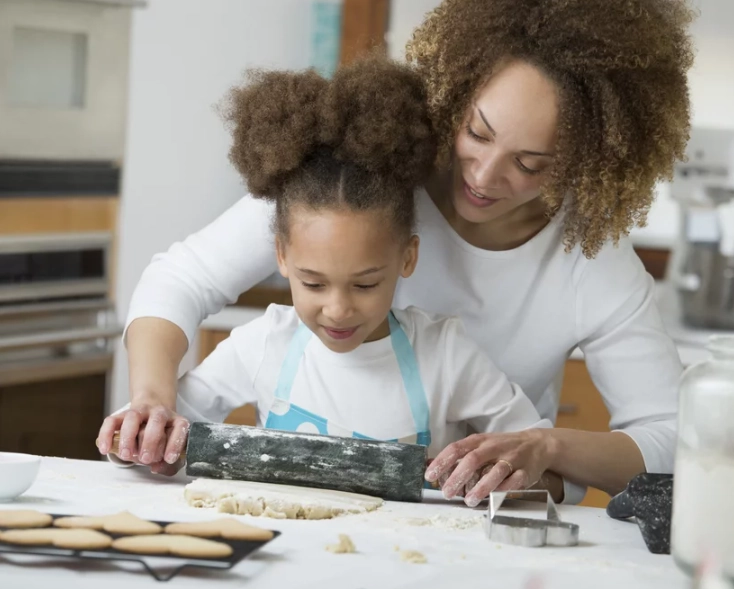
First Things First: Setting Yourself Up for Success (Not Stress)
Okay, so you're convinced of the why. Now let's talk about the how, specifically how to not lose your mind. A little prep goes a long way in making baking with kids a fun experience instead of a frustrating one.
Mindset is Everything
Adjust your expectations. Repeat after me: Process over product. The goal is not a flawless tiered cake. The goal is spending time together, learning, and having fun. If the muffins are a little dense or the frosting is a weird color, it doesn't matter. In fact, those often become the funniest family stories later. Embrace the imperfections.
Choose a time when you're not rushed. Trying to whip up a complicated batch of macarons before school pickup is a recipe for tears (yours). A lazy Saturday morning or a slow Sunday afternoon is ideal.
The Kid-Friendly Kitchen Setup
You don't need a fancy kitchen. You just need to make it accessible and safe.
Safety first, always. Establish clear rules before you start. Ovens and stove tops are 100% adult-only zones. Hot pans and trays are handled by grown-ups. This isn't negotiable. For younger kids, consider setting up their "workstation" at the kitchen table, away from the heat source entirely.
Get them involved in the prep. Have them wash their hands (make it a fun song!). Put on aprons—old adult t-shirts work great too. Cover the workspace with a cheap plastic tablecloth or parchment paper for easier cleanup. Have a damp cloth handy for sticky fingers.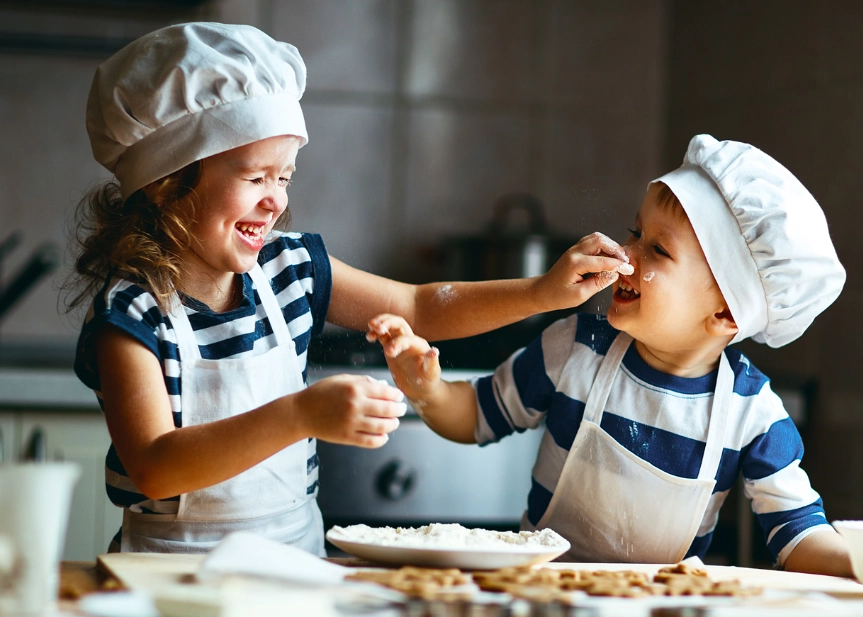
Choosing the Right Recipes for Baking with Kids
This is the make-or-break moment. The wrong recipe can lead to frustration; the right one creates a sense of accomplishment. The key is to match the recipe to the child's age, attention span, and skill level.
Best Starter Recipes by Age Group
Let's break it down. You wouldn't give a toddler a chef's knife, right? Same logic applies to recipes.
| Age Group | Great First Recipes | Key Skills They'll Practice | Adult's Main Job |
|---|---|---|---|
| Toddlers (2-4) | No-Bake Balls, Decorating Pre-made Cookies, Simple Mug Cakes | Pouring, Sprinkling, Mixing (with help), Sensory Play | Do all measuring & hot steps. Focus on letting them dump & stir. |
| Young Kids (5-7) | 3-Ingredient Cookies, Pizza Muffins, Banana Bread, Rice Krispie Treats | Cracking Eggs (with guidance), Measuring with Cups, Simple Shaping | Supervise measuring, handle oven. Let them do more hands-on mixing. |
| Big Kids (8-12) | From-Scratch Muffins, Rolled & Cut Cookies, Simple Breads, Cupcakes | Reading Recipe Steps, Using Mixer (supervised), Basic Knife Skills (soft foods) | Guide on technique, ensure safety. Step back and let them lead more. |
See? It's about progression. Start with victories. A two-year-old who successfully pours chocolate chips into a bowl feels like a master chef. That positive experience makes them want to come back for more.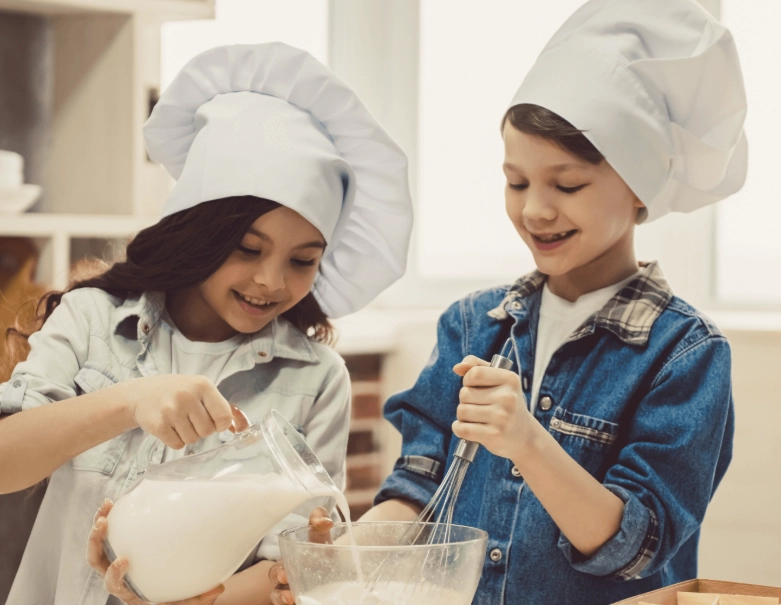
What Makes a Recipe "Kid-Friendly"?
Look for these hallmarks:
- Short Ingredient List: Fewer things to measure and forget.
- Forgiving Methods: Recipes where over-mixing or slight measurement errors won't cause total failure (think muffins, not soufflés).
- Hands-On Steps: Kneading, rolling, cutting shapes, sprinkling toppings. Kids want to do, not just watch.
- Quick Bake Time or Visual Cues: Kids' attention spans are short. Golden brown edges are more exciting to watch for than a 50-minute timer.
One of our all-time favorites for a quick win is what we call "Monster Mix" cookies. It's just a basic oatmeal cookie dough, but the fun is in the add-ins. I lay out small bowls of chocolate chips, raisins, crushed pretzels, and sprinkles. The kids get to design their own cookie by choosing their mix-ins. It's creative, personal, and always a hit.
The Nitty-Gritty: A Step-by-Step Walkthrough
Let's walk through a typical session, using a simple recipe like chocolate chip cookies. This is where the rubber meets the road—or the flour meets the bowl.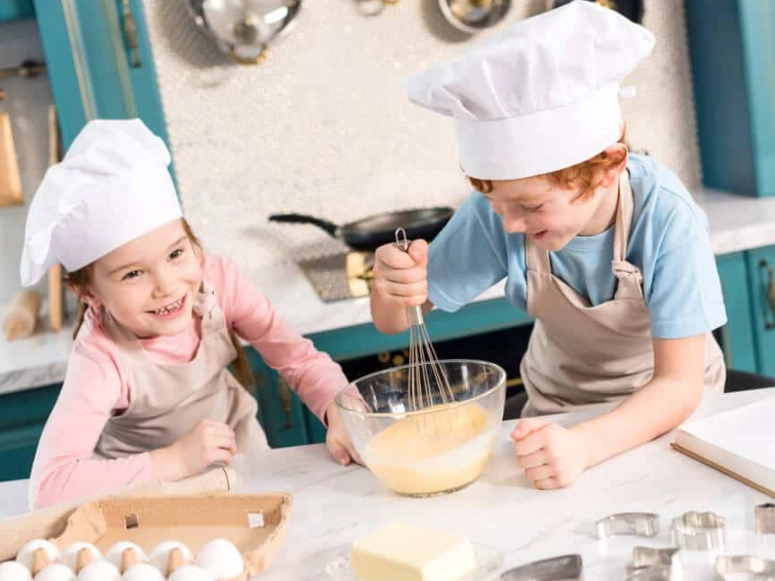
Stage 1: The Prep (Grown-up Heavy Lifting)
Before you call the kids in, do your mise en place. That's a fancy term for getting everything ready. Read the recipe all the way through. Pull out ALL the ingredients, measuring cups, spoons, bowls, and tools you'll need. Pre-heat the oven. Line your baking sheets.
Why? Because with kids, momentum is key.
If you have to stop halfway through to dig for the vanilla extract while your toddler is mid-pour, chaos ensues. Having everything ready means the kids can focus on the fun parts—measuring, pouring, mixing—without long, boring waits.
Stage 2: The Measuring & Mixing (Kid Central)
This is their time to shine. Assign age-appropriate tasks.
- Little ones: Can pour pre-measured ingredients from small bowls into the big bowl. They can add the chocolate chips. They can hold the measuring spoon steady while you level it off.
- Medium kids: Can scoop flour and level it off with a knife (with supervision). They can crack eggs into a separate small bowl first (to check for shells—a pro tip that saves many a batch!). They can operate the hand mixer with you guiding their hands.
- Older kids: Can read the recipe out loud and direct the steps. They can do most of the measuring and mixing independently, with you as a safety consultant.
Stage 3: The Shaping & Baking (The Home Stretch)
Shaping dough is pure sensory joy for kids. Whether it's rolling balls, using cookie cutters, or just dropping spoonfuls, let them go for it. Don't worry about uniform size. So what if one cookie is giant and its neighbor is tiny? They'll bake at slightly different rates, making it a fun experiment.
This is also a great time to talk about what's happening in the oven. The butter melting, the eggs setting, the baking soda making little air bubbles. It's science magic!
Use a timer they can see or hear. The anticipation is part of the fun.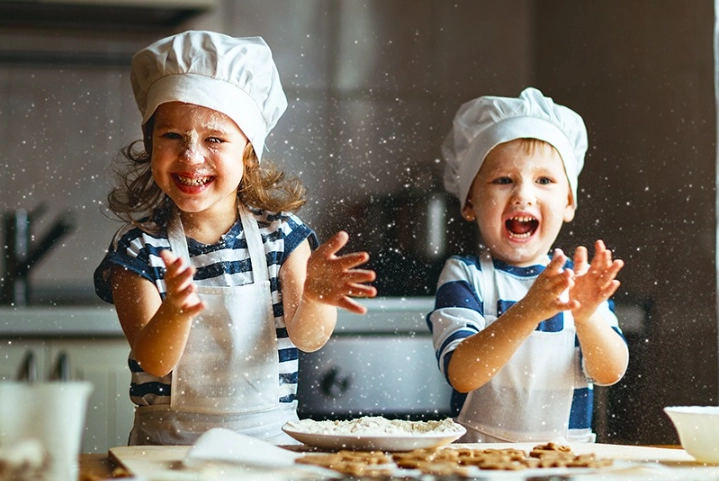
Stage 4: The Cooling & The Feast (The Reward)
This is the hardest part—waiting. Establish that hot trays and pans are completely off-limits. Transferring cookies to a cooling rack can be a delicate job for careful older kids.
And then, the taste test. This is non-negotiable. Even if it's just one cookie, eating something they made themselves is the ultimate reward. Ask them what they think. Is it sweet enough? Could it use more chips? This builds their palate and critical thinking.
Beyond the Recipe: The Secret Educational Sauce
You can sneak so much learning into baking with kids without it feeling like a lesson. Here’s how I frame it.
Math: “We need one cup, but we only have the half-cup measure. How many times do we need to fill it?” “The recipe makes 12 cookies, but we have 4 people. How many does each person get?” Real-world problem solving.
Science: Talk about how baking powder creates gas bubbles to make things rise. Show them how yeast is a living organism that eats sugar and burps carbon dioxide (kids love the word "burp"). The King Arthur Baking website has fantastic, accessible explanations of baking science if you want to dive deeper yourself.
Reading & Sequencing: Have them read the recipe step-by-step. Ask, “What do we do first? What comes after we add the eggs?” This builds logical thinking.
Cultural Exploration: Baking is a passport. Make shortbread and talk about Scotland. Try making challah or panettone. The Food Network's cultural guides can be a great starting point for these conversations.
Navigating the Common Pitfalls & Problems
It won't always be smooth sailing. Here’s how to handle the classic bumps in the road.
The Mess: It's inevitable. The best defense is a good offense. Put down that tablecloth. Keep a handheld vacuum or brush and dustpan nearby for flour spills. Wear dark-colored aprons. And just accept that some flour will end up in hair. It washes out.
Short Attention Spans: A kid wanders off halfway through mixing. It happens. Either pause and finish it yourself (it's still their creation), or if they're old enough, gently bring them back with a specific, fun task like “Hey, I need your expert opinion on how many chocolate chips to add!”
Sibling Squabbles: “It's MY turn to stir!” Assign clear roles from the start. One reads the recipe, one measures the dry ingredients, one measures the wet, one is the official taste-tester. Rotate roles next time.
Recipe Fails: The cake fell. The cookies burned. This is a HUGE learning opportunity. Don't get upset. Get curious. “Hmm, I wonder why that happened? Did we forget the baking powder? Was the oven too hot?” It teaches resilience and problem-solving. Sometimes, failed brownies just become delicious ice cream topping.
Baking with Kids: Your Questions, Answered
Gear & Ingredients: Keeping it Simple and Smart
You don't need a TV chef's kitchen. A few basics will get you far.
Essential Kid-Friendly Tools:
- Small, Lightweight Mixing Bowls: Easier for little hands to hold.
- Flexible Silicone Spatulas: Great for scraping bowls clean.
- Plastic or Silicone Measuring Cups & Spoons: Less noisy and dangerous if dropped.
- Cookie Cutters with Easy-to-Hold Tops: Wooden or thick plastic ones.
- A Good, Stable Step Stool: The key to counter access.
- Fun Aprons: Makes it feel official.
Pantry Staples for Spontaneous Baking: Keep these on hand, and you can always whip something up.
- All-purpose flour
- Rolled oats
- Baking soda & powder
- Salt, vanilla extract
- Brown and white sugar
- Eggs (or a flaxseed meal substitute)
- Butter or neutral oil
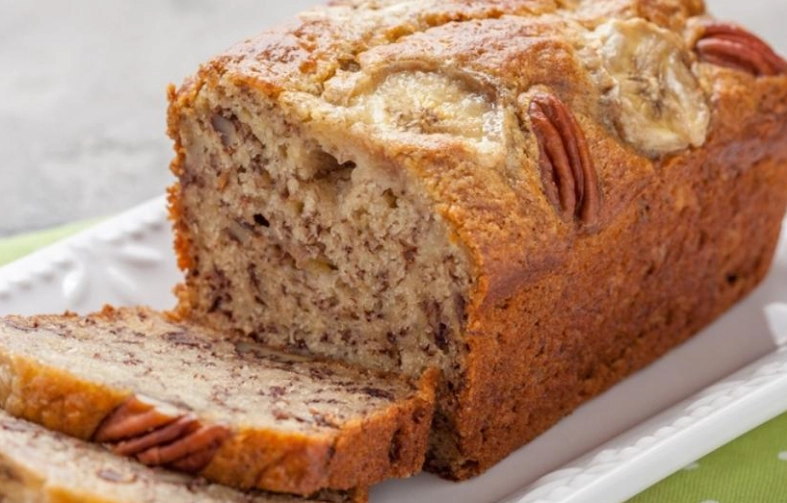
- A couple of overripe bananas in the freezer (for emergency banana bread)
- Chocolate chips, raisins, sprinkles
Taking It to the Next Level: Themes & Projects
Once you've got the basics down, baking with kids can become a platform for bigger projects.
Seasonal Baking: Pumpkin muffins in fall, heart-shaped cookies for Valentine's Day, bunny-shaped bread at Easter. It connects the activity to the calendar.
The "Bake Sale" Project: If you have older kids, planning, baking for, and running a small family or neighborhood bake sale teaches budgeting, planning, marketing, and math (making change!).
Bread in a Bag: A fantastic, less-messy science project. You mix and knead the bread dough right inside a large, sturdy zip-top bag. Kids get to see the whole yeast process without flour flying everywhere.
Documenting the Journey: Take photos of their creations, not just the perfect ones but the funny, lopsided ones too. Make a little recipe scrapbook where they can write ratings (“5 stars for extra chips!”). It becomes a cherished record of their growth.
So, where do you start?
Just start. Pick a simple recipe, take a deep breath, and embrace the beautiful, delicious chaos. The flour will sweep up. The dishes will wash. But the confidence your child gains from cracking their first egg successfully, the pride in their eyes when they serve something they made, and the memories you create together in the warm, sweet-smelling kitchen—that stuff lasts forever.
Baking with kids isn't about creating perfect pastries. It's about creating connection, one slightly misshapen cookie at a time. And honestly, those are the sweetest treats of all.



Leave a Comment