In This Guide
- Getting to Know Your Machine: It's Not Just a Dump-and-Go Appliance
- Bread Machine Recipes That Actually Work (And Why)
- Solving the Top 5 Bread Machine Disasters
- Leveling Up: Pro Techniques for Better Bread Machine Recipes
- Maintenance and Care: Keeping Your Machine Happy
- Answering Your Burning Questions (FAQ)
- Final Thoughts: Making Peace with Your Appliance
Let's be honest. That bread machine you got as a wedding gift or bought in a fit of health-conscious enthusiasm has probably seen better days. Maybe it's gathering dust in the back of a cabinet. Or maybe you use it, but the results are... inconsistent. A perfect loaf one day, a dense brick the next. I've been there. My first few attempts at bread machine recipes were tragic. I followed the manual's basic recipe to the letter and ended up with something that could have doubled as a doorstop.
But here's the thing – once you crack the code, a bread maker is a game-changer. It's not just for plain white bread (though a good one is a minor miracle). We're talking about waking up to the smell of cinnamon raisin bread, having fresh sandwich bread without a trip to the store, and even dabbling in artisan-style loaves with minimal hands-on work. This guide is the one I wish I'd had. We're going to move past the frustration and into the realm of reliable, delicious results. We'll cover the foundational why's and how's, dive into fantastic bread machine recipes that actually work, and solve those pesky problems that make you want to throw the whole machine out the window.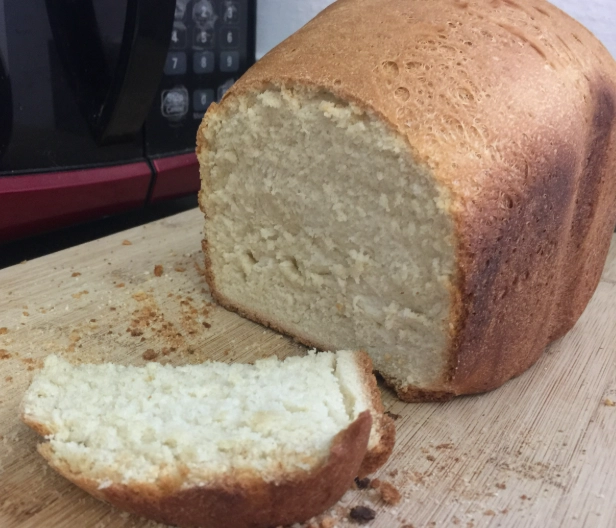
Getting to Know Your Machine: It's Not Just a Dump-and-Go Appliance
Most people think using a bread maker is foolproof. You dump in the ingredients, press start, and magic happens. Well, sort of. The machine does the hard work, but you're still the conductor. Understanding a few key things about how it operates will save you countless failed loaves.
First, the order of ingredients matters. This isn't a suggestion; it's critical for how the machine mixes. Almost universally, you want liquids (water, milk, eggs) in first. Then, add your dry ingredients (flour, sugar, salt, powdered milk). Make a small well in the center of the flour and add your yeast last. Why? The paddle is at the bottom. If the yeast hits liquid immediately, it can activate too early or get washed to the sides. Keeping it dry on top of the flour until mixing starts gives you a better, more even rise.
Temperature is another silent variable. If your kitchen is very cold, using ice-cold water can slow yeast activation too much. If it's very hot, warm water can over-activate it. Room-temperature liquids (around 70-75°F or 21-24°C) are usually a safe bet. I learned this the hard way one winter when my loaves were consistently short. A quick switch to slightly warmer water fixed it.
The Cycle Breakdown: What's Actually Happening in There?
Your machine isn't just mixing and baking. It goes through specific phases, and knowing them helps you troubleshoot or even intervene for better results.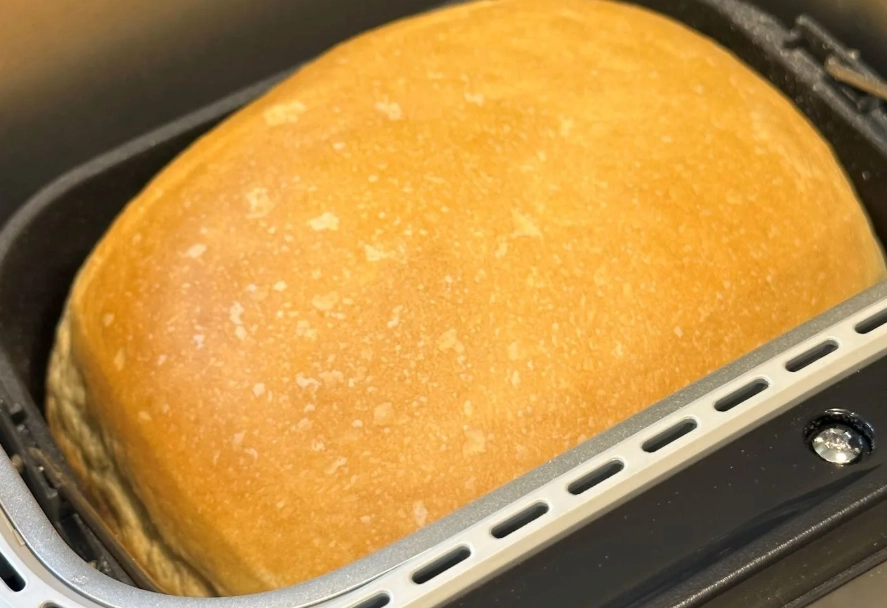
- Knead (Cycle 1): This is the initial mixing and gluten development. It's usually quite long, 20-30 minutes. This is when you should peek. After 5-10 minutes of kneading, open the lid (carefully!) and look at the dough. It should form a single, smooth ball. If it's sticking to the sides in a wet, goopy mess, add a tablespoon of flour. If it's a dry, crumbly ball that isn't picking up all the flour, add a tablespoon of liquid. That one adjustment can make all the difference.
- Rise (First and sometimes Second): The machine lets the dough rest in a warm environment. No peeking now – you'll let the heat out.
- Punch Down/Knead (Cycle 2 on some machines): Some advanced cycles have a second, shorter knead after the first rise to degas the dough and develop texture further.
- Final Rise: The last expansion before the heat turns on.
- Bake: Self-explanatory. Many machines let you select crust color (Light, Medium, Dark). For most enriched doughs (with eggs, butter, sugar), I find Medium is perfect. For basic French or Italian doughs, Dark gives a nicer crust.
So you see, it's a little ecosystem in there. Respecting the process is half the battle won for great bread machine recipes.
Bread Machine Recipes That Actually Work (And Why)
Okay, let's get to the good stuff. Forget the bland, square-loaf-only reputation. Your machine is capable of so much more. Here are some categories and specific approaches that will expand your repertoire.
The Can't-Fail Basic White Bread (Your New Foundation)
Every baker needs a reliable white bread recipe. This one is adjusted from the standard manual recipe to be more forgiving and flavorful. It uses bread flour for better structure and a touch of butter for a softer crumb and longer shelf-life.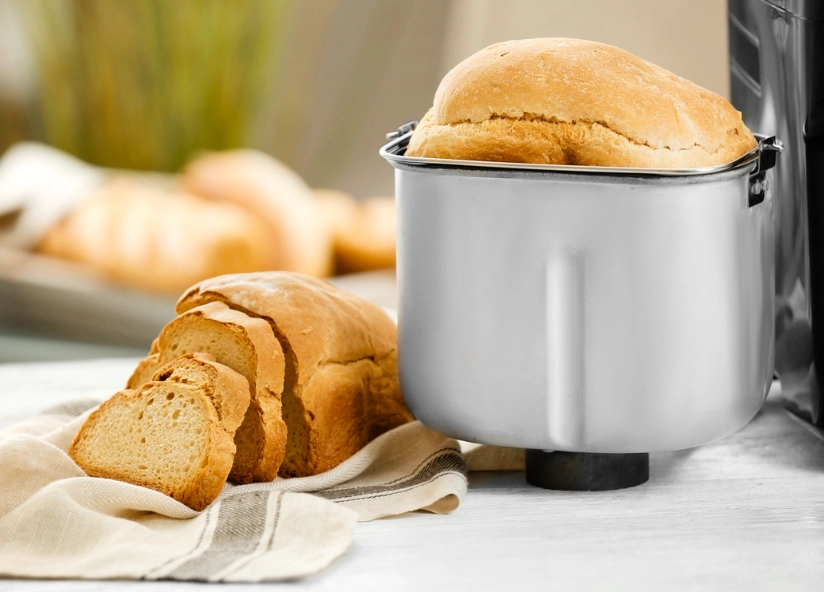
Foundation White Bread (1.5 lb loaf)
- 1 cup + 2 tablespoons lukewarm water (about 265 ml)
- 2 tablespoons unsalted butter, softened or melted
- 3 cups bread flour (360g)
- 2 tablespoons sugar
- 1 1/4 teaspoons salt
- 2 teaspoons active dry yeast or bread machine yeast
Instructions: Add ingredients to the pan in the order listed by your manufacturer (typically liquids first, yeast last). Select the Basic/White cycle, 1.5 lb loaf, and Medium crust. Hit start. Check dough consistency during the first knead as described above.
Why this works so well? The sugar feeds the yeast reliably, the butter enriches the dough without overwhelming it, and bread flour has a higher protein content than all-purpose, leading to better gluten formation and a taller, less-crumbly loaf. This is the perfect canvas. Once you master this, you can start playing.
Beyond Basic: Exploring Different Flours and Grains
This is where bread machine recipes get exciting. You can incorporate whole grains, seeds, and alternative flours. The key is substitution, not wholesale replacement. Whole wheat flour, for example, absorbs more water and has less gluten potential. A 100% whole wheat loaf in a machine can be heavy.
My favorite approach is a 50/50 blend. For the Foundation White recipe above, try using 1.5 cups (180g) bread flour and 1.5 cups (180g) whole wheat flour. You might need to add an extra tablespoon of water during the knead if it looks dry. The result is a hearty, nutritious loaf with a lighter texture than store-bought whole wheat.
For a multi-grain version, add 1/4 cup of a multi-grain cereal mix (like Bob's Red Mill 7-Grain or a similar hot cereal) to the liquids at the very beginning and let it soak for 10 minutes before adding the rest of the ingredients. It softens the grains and prevents them from tearing the gluten strands.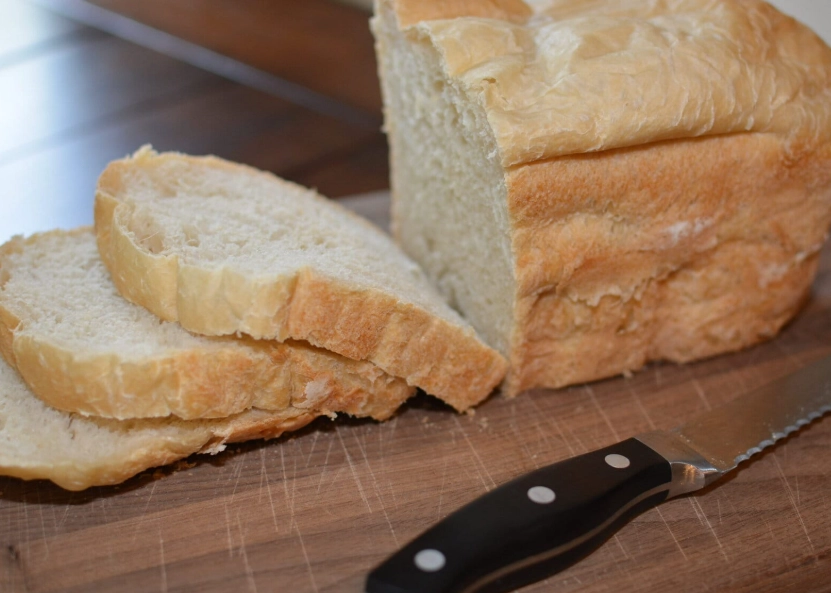
The Sweet and the Savory: Flavor Bomb Loaves
Your bread machine is a flavor vehicle. The "Add-in" beep (found on most machines) is your best friend for ingredients you don't want pulverized.
Cinnamon Raisin Bread: Use the Foundation White recipe. Add 1 teaspoon of cinnamon to the dry ingredients. When the machine beeps for add-ins (usually near the end of the final knead), add 2/3 cup of raisins. That's it. The smell alone is worth it.
Sun-Dried Tomato and Herb: This is a fantastic savory option. Use the Foundation White recipe but reduce the water by 1 tablespoon. Add 1/3 cup finely chopped oil-packed sun-dried tomatoes (drained and patted dry) and 2 tablespoons of chopped fresh rosemary or basil at the add-in beep. You can also add 1/4 cup of grated Parmesan cheese with the dry ingredients for an extra kick.
These aren't just recipes; they're transformations of your everyday meals. A slice of that tomato-herb bread toasted with a bit of olive oil? Incredible.
Solving the Top 5 Bread Machine Disasters
We've all been there. You open the lid, and your heart sinks. Let's diagnose the most common problems. I've caused every single one of these, so I speak from messy, crumbly experience.
| Problem | Likely Cause | How to Fix It Next Time |
|---|---|---|
| Loaf is too short and dense | 1. Too much flour (most common). 2. Old or dead yeast. 3. Liquid too cold, slowing yeast. 4. Salt came into direct contact with yeast. | Weigh your flour. Test yeast in warm water with a pinch of sugar. Use room-temp liquids. Follow the liquid-first, yeast-last order. |
| Loaf collapsed in the middle (crater top) | 1. Too much liquid or sugar. 2. Too much yeast. 3. Add-ins (like fruit) added too early, disrupting structure. | Measure carefully. Don't increase yeast beyond 2.5 tsp for a 1.5 lb loaf. Use the add-in beep for fruits, nuts, cheese. |
| Bread is dry and crumbly | 1. Not enough liquid. 2. Baked too long (crust setting too dark). 3. Too much whole grain flour without adjusting liquid. | Check dough ball during knead. Try the Light or Medium crust setting. Increase liquid by 1-2 Tbsp when using whole grains. |
| Paddle is stuck in the baked loaf | Just a design flaw of most machines. It's annoying. | Let the loaf cool in the pan for 10 mins, then gently twist and lift it out. Use a wooden chopstick to push the paddle out from the bottom. Greasing the paddle shaft lightly before starting can sometimes help. |
| Uneven mixing or "flour caves" | Ingredients weren't layered correctly, or flour clumped. | Always put liquids in first. Sprinkle flour evenly to cover the liquid. Make that well for the yeast. A quick pause 2 minutes into kneading to scrape sides with a rubber spatula can help. |
See? Most problems are fixable. It's usually a measurement or order issue, not a broken machine.
Leveling Up: Pro Techniques for Better Bread Machine Recipes
Once you're getting consistent loaves, you can use your machine in smarter ways to get truly bakery-quality results.
Use the Dough Cycle for Shaped Breads
This is the single best tip for elevating your bread game. The dough cycle does all the mixing, kneading, and first rise for you. Then it beeps and stops. You take that perfectly developed dough out, shape it into a braid, rolls, or a freeform round, let it do a second rise on a baking sheet, and bake it in your conventional oven.
Why bother? You get the convenience of the machine doing the hard work, combined with the artisan shape, slashed tops, and better overall crust you can only get from oven baking. I use this method for dinner rolls every Thanksgiving. The dough is flawless every time, and I get beautiful, soft, pull-apart rolls that look like I slaved over them.
Creating a "Sourdough" Style Loaf
True sourdough requires a starter and a long, slow fermentation that most bread machine cycles can't replicate. But you can mimic the tangy flavor. How? Add an acidic ingredient to your dough. Two tablespoons of plain yogurt or buttermilk in place of an equal amount of water will add a subtle tang. A teaspoon of vinegar or citric acid powder (used in canning) works too. Use the whole wheat or French cycle for a longer rise time, which helps develop more flavor. It's not authentic sourdough, but it's a delicious, tangy loaf with minimal effort.
Gluten-Free Bread Machine Recipes: A Special Case
Gluten-free baking is a different beast. You can't just substitute a gluten-free flour blend 1:1 in a standard wheat recipe and expect it to work in the machine. Gluten-free flours need more liquid, more binding agents (like xanthan gum or psyllium husk), and often a different mixing approach.
If you want to explore gluten-free, your best bet is to find recipes specifically formulated for bread machines. Brands like Bob's Red Mill have excellent gluten-free bread mixes that include the xanthan gum and are tested for machines. The America's Test Kitchen books also have rigorously tested gluten-free bread machine recipes that account for the unique chemistry. The key takeaway? Don't wing it with gluten-free. Use a trusted recipe designed for the machine's specific action.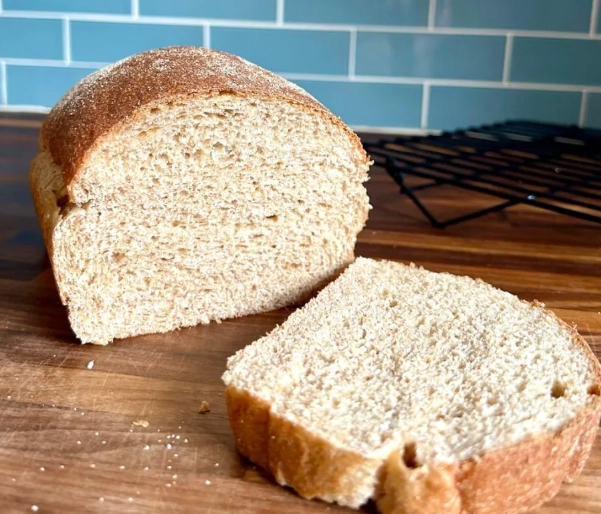
Maintenance and Care: Keeping Your Machine Happy
A little care goes a long way. Never immerse the main unit in water. Just unplug it, let it cool, and wipe the outside with a damp cloth. The bread pan and paddle, however, should be washed after each use. A stubborn dough residue can often be loosened by soaking the pan in warm, soapy water.
That non-stick coating inside the pan is fragile. Avoid using metal utensils or abrasive scrubbers. A soft sponge is your friend. If the coating starts to chip or flake, it's time to order a replacement pan from the manufacturer. A damaged coating can lead to sticking and uneven baking.
Every few months, I also check the heating element inside the main unit (when unplugged and cool) for any large crumbs or debris and gently brush them away. A clean machine is a reliable machine.
Answering Your Burning Questions (FAQ)
Final Thoughts: Making Peace with Your Appliance
Look, a bread machine won't make you a master baker in the traditional sense. You're not hand-folding or developing a feel for the dough. But what it does is democratize fresh, hot, homemade bread. It makes it accessible on a busy Tuesday. It allows for experimentation with low stakes. Once you move past the idea that it's only for one type of loaf, a world opens up.
Start with the Foundation White recipe. Get that right. Then, maybe try the cinnamon raisin. Then, maybe venture into using the dough cycle for pizza crust. The best bread machine recipes are the ones that fit into your life and make it a little tastier, a little cozier. Don't aim for perfection on the first try. My first good loaf felt like a major victory. Now, it's just a normal part of my week. And there's something deeply satisfying about that.
So go dig that machine out of the cabinet. Give it a wipe. Weigh your flour. And give it another shot. You might just find your new favorite kitchen companion.

Leave a Comment