In This Guide
- Why Bother Making Pie Crust from Scratch?
- The Core Ingredients: It's Simpler Than You Think
- The Step-by-Step, No-Fear Process
- Rolling, Fitting, and Baking: The Final Hurdles
- Troubleshooting Your Pie Crust from Scratch
- Beyond the Basic: Recipes and Variations
- Frequently Asked Questions (FAQs)
- Wrapping It Up
Let's be honest. The first time I tried to make a pie crust from scratch, it was a disaster. I followed a recipe from a fancy cookbook to the letter, but what came out was something closer to a tough, bland cracker than the flaky, buttery dream I was after. I was ready to swear off homemade pastry forever and just buy those frozen shells. But something bugged me. Why could some people make it look so easy? What was I missing?
Turns out, I was missing a lot. It wasn't just the recipe; it was the feel, the understanding of why each step matters. Making a great pie crust from scratch isn't about being a pastry chef. It's about knowing a few simple secrets and getting your hands a little dirty. Once you get it, you'll never go back. The taste difference is night and day. That bland, cardboard-like store-bought shell? Forget it. A real homemade crust has flavor, personality, and a texture that shatters delicately with each bite.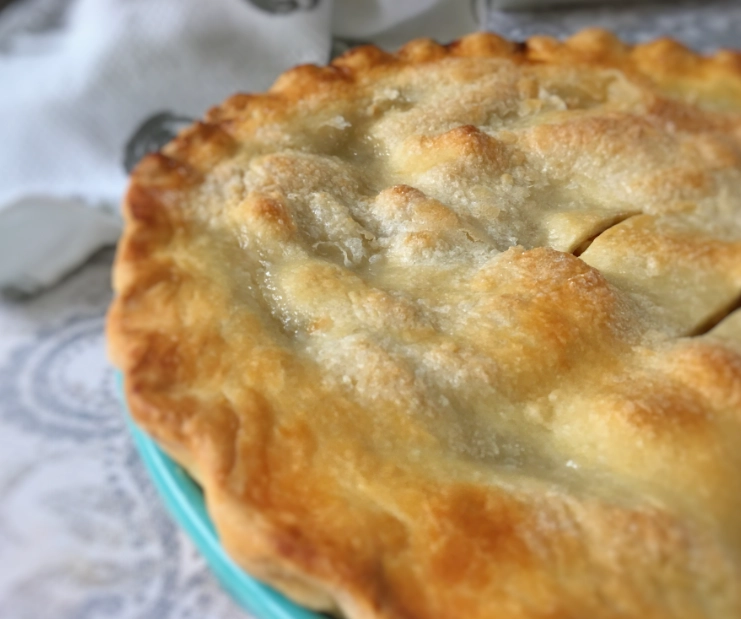
So, I spent years, and I mean years, testing, failing, tweaking, and finally nailing it. This guide is everything I wish I'd known. We're not just going through the motions. We're going to understand the why behind every pinch of flour and every pat of butter. By the end, you'll have the confidence to whip up a perfect pie crust from scratch for any occasion, and more importantly, you'll know how to fix it if something feels off.
Why Bother Making Pie Crust from Scratch?
You might be thinking, is it really worth the effort? The frozen aisle is right there. I get it. Time is precious. But hear me out.
When you make a pie crust from scratch, you control everything. The quality of the butter (and yes, it makes a massive difference), the type of flour, the pinch of salt. Most pre-made crusts use vegetable shortening or low-quality oils and a list of preservatives to stay shelf-stable. They lack that rich, toasty flavor. A homemade crust tastes like… well, like real food. It has a complexity that complements your filling, whether it's a tart apple or a silky chocolate cream.
Then there's the texture. A good from-scratch crust is both tender and flaky. It should offer a slight resistance before giving way, not just crumble into dust or chew like leather. That contrast between the crisp layers and the soft filling is what pie is all about. It's a tactile joy you simply can't buy.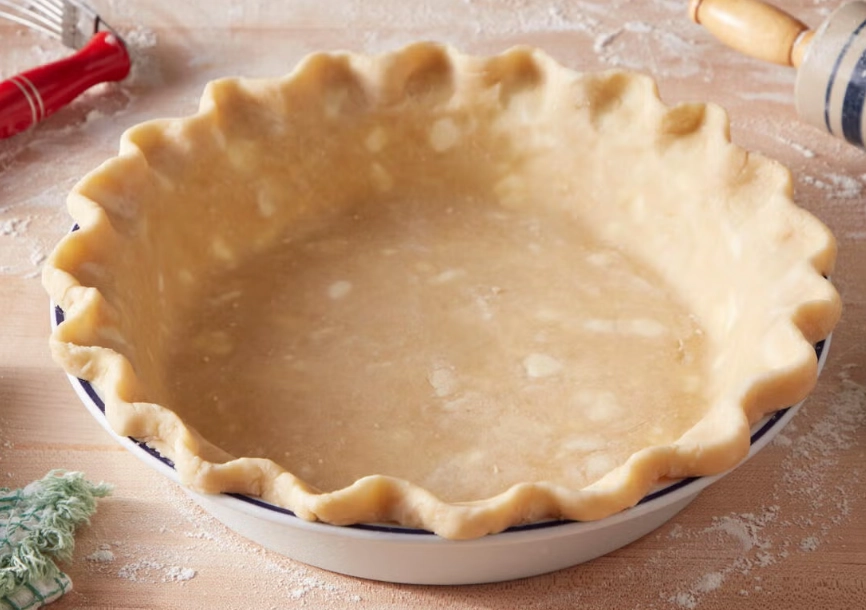
And honestly? Once you get the hang of it, it's not that much effort. The active time is maybe 15 minutes. The rest is just chilling. You can even make a bunch ahead and freeze them. The payoff in flavor and the sheer pride of saying "I made the crust too" is absolutely worth it.
The Core Ingredients: It's Simpler Than You Think
Every great pie crust from scratch starts with just four basic ingredients: flour, fat, liquid, and salt. The magic is in how you choose and handle them.
Flour: The Foundation
All-purpose flour is your best friend here. It has just the right amount of protein (usually around 10-12%) to provide structure without making the crust tough. I've experimented with bread flour (too chewy) and cake flour (too crumbly), and all-purpose is the perfect middle ground. For a reliably consistent product, many bakers, including the experts at King Arthur Baking, recommend unbleached all-purpose flour for its predictable performance.
Some folks swear by a tablespoon of vinegar or vodka in the liquid. The acid supposedly inhibits gluten development, leading to a more tender crust. I've found it can help if you're a bit heavy-handed with mixing, but with proper technique, it's not strictly necessary. It's a good safety net, though.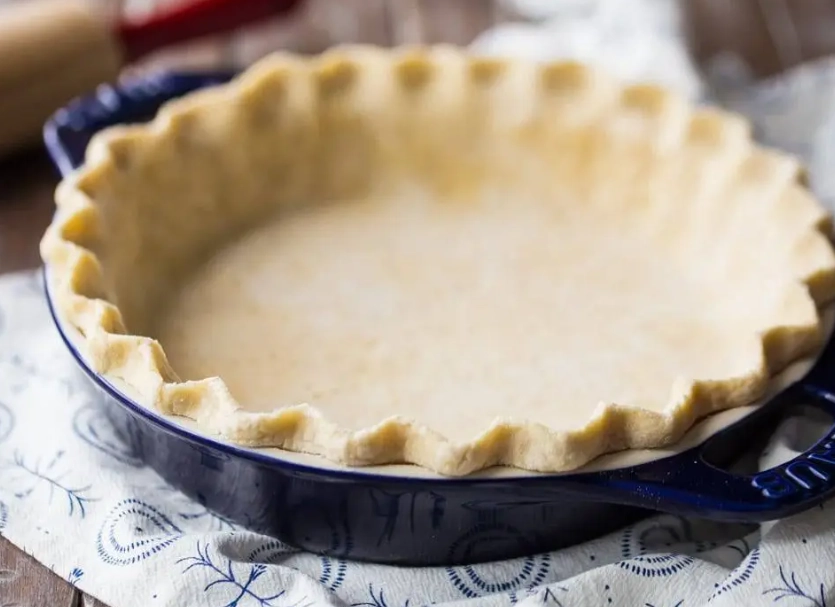
Fat: The Source of Flavor and Flakiness
This is where the battle lines are drawn: Butter vs. Shortening vs. Lard. The truth is, they all have merits, and my favorite is actually a blend.
| Fat Type | Flavor | Texture Contribution | My Take |
|---|---|---|---|
| Unsalted Butter | Rich, creamy, nutty. The gold standard for taste. | Creates steam pockets as it melts, leading to flaky layers. Can make crust less tender if overworked. | Non-negotiable for flavor. I always use at least half butter. |
| Vegetable Shortening | Neutral, some would say bland. | Very tender, creates a "short" crumb. Melts at a higher temp, so dough is easier to handle. | Great for tenderness and ease. I use it to supplement butter, not replace it. |
| Lard (Rendered Pork Fat) | Surprisingly neutral, with a slight savory depth if high-quality. | Exceptionally flaky and tender. Creates the most dramatic, shattering layers. | The secret weapon for texture. Pastry purists and historical recipes love it. If you can find good leaf lard, try it once. |
| All-Butter | Maximum buttery flavor. | Can be trickier to roll out as it softens quickly. Flaky but less tender than a blend. | My go-to for fruit pies where flavor is king. Requires a light touch and cold everything. |
My personal favorite ratio for a balanced, foolproof, and incredibly flaky pie crust from scratch is 60% butter to 40% shortening or lard. You get the unbeatable flavor of butter with the tender, easy-rolling benefits of the other fat.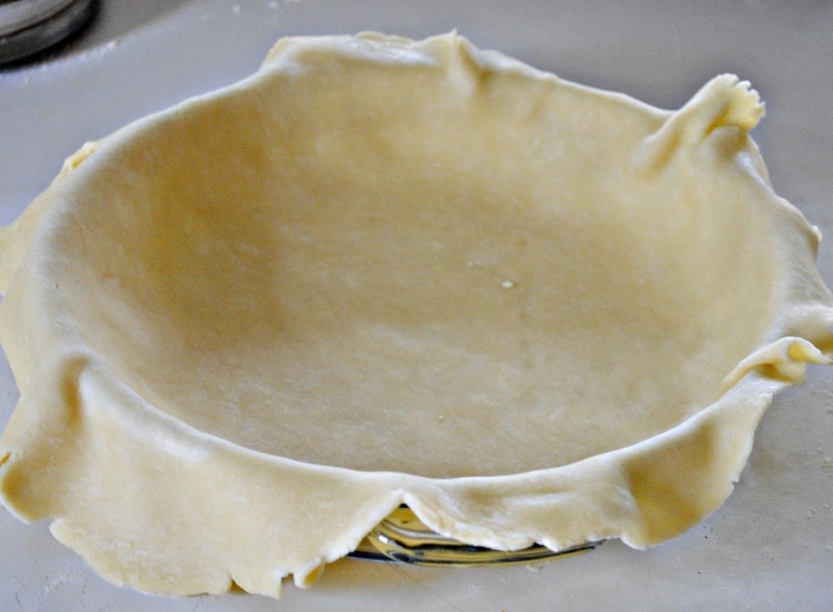
A word on margarine or spreadable butter: Just don't. The water content is wrong, and they often contain oils that don't solidify properly. They'll give you a greasy, tough crust. Stick to cold, solid fats.
Liquid: The Binder
Ice water. That's it. The key word is ice. You want it as cold as possible to keep the fat from melting. Sometimes I add an ice cube to the measuring cup. About 1/4 to 1/2 cup is usually enough for a double crust. You add it tablespoon by tablespoon until the dough just comes together. It should look shaggy and a bit dry, not wet and smooth.
Salt: The Flavor Enhancer
Don't skip it. Even a quarter teaspoon wakes up all the other flavors. If you use salted butter, reduce or omit the added salt.
The Step-by-Step, No-Fear Process
Okay, let's make some dough. Clear your counter, get your ingredients measured and cold, and let's go. This is my tried-and-true method for a double crust pie.
Pro Tip Before You Start: Measure your flour correctly. Don't scoop directly from the bag with your measuring cup—you'll pack in too much. Instead, fluff the flour in its container, spoon it lightly into your measuring cup, and level it off with a knife. Too much flour is a top reason for dry, tough dough. For scientific consistency, weighing your flour (about 300 grams for 2.5 cups) is even better, as recommended by resources like the USDA's standardized baking guidelines.
1. Combine Dry Ingredients
In a large bowl, whisk together 2 and 1/2 cups of all-purpose flour and 1 teaspoon of salt. Some people add a teaspoon of sugar for browning and a hint of sweetness—it's optional but nice for fruit pies.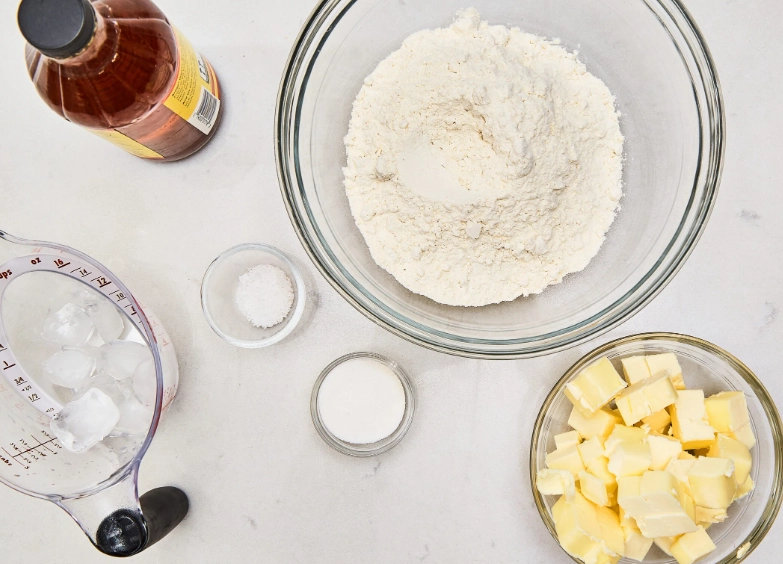
2. Cut in the Fat
This is the most important step. You want your butter and/or shortening to be very cold, even frozen for a few minutes. Cut them into small cubes. Add them to the flour.
Now, using a pastry cutter, two forks, or even your fingertips (just be quick so the heat from your hands doesn't melt the fat), work the fat into the flour. You're not aiming for a uniform paste. You want a mixture that looks like coarse meal with some larger, pea-sized pieces of fat still visible. Those pea-sized bits are your future flaky layers. When they melt in the oven, they'll create steam pockets that push the layers apart.
Pea-sized pieces are good. Don't turn it into sand.
3. Add the Water
Drizzle in 1/4 cup of ice water. Use a fork or a silicone spatula to gently toss the mixture. Keep adding water, a tablespoon at a time, just until the dough starts to clump together when you press a handful. It will still look dry and shaggy in the bowl. That's perfect. You might not need all the water. I usually need between 1/3 and 1/2 cup total, depending on the humidity.
4. Bring It Together and Chill
Dump the shaggy mass onto a clean surface. Use your hands to gently press and knead it, just 3 or 4 times, until it forms a cohesive ball. Don't overwork it! Divide it into two discs, wrap each tightly in plastic wrap, and refrigerate for at least 2 hours, preferably overnight.
This chilling period is non-negotiable. It re-solidifies the fat, relaxes the gluten (which prevents shrinkage), and makes the dough infinitely easier to roll out. Trying to roll warm dough is a sticky, frustrating mess.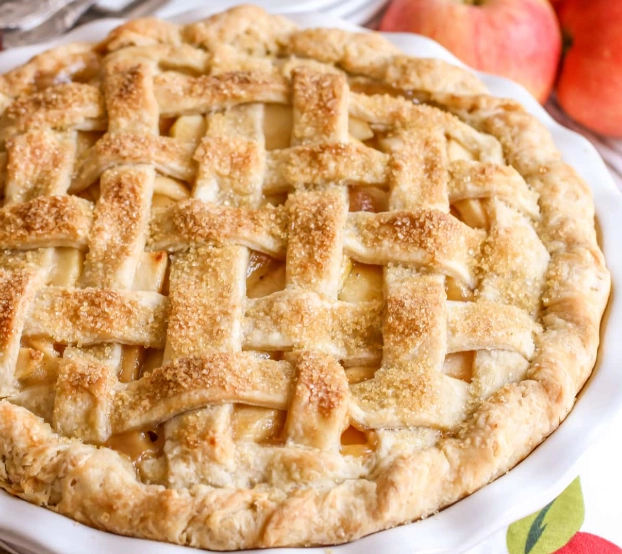
Rolling, Fitting, and Baking: The Final Hurdles
Your dough is chilled and ready. This is where confidence takes over.
Rolling It Out
Lightly flour your surface and rolling pin. Take one disc from the fridge and let it sit for 5 minutes to just barely soften. Place it down and give it a few gentle whacks with the rolling pin to start flattening it. Roll from the center outward, turning the dough a quarter turn after every few rolls to ensure an even circle and prevent sticking. Add tiny sprinkles of flour if it sticks, but be sparing. You want a circle about 12 inches in diameter for a standard 9-inch pie plate.
Transferring to the Plate
This scares people, but it's easy. Gently fold your rolled dough into quarters (like a napkin). Place the point of the fold in the center of your pie plate, then unfold it. Gently lift and settle the dough into the corners without stretching it. Stretching causes shrinkage. Let the excess dough hang over the edges.
To Blind Bake or Not to Blind Bake?
Blind baking means pre-baking the crust before adding a wet filling (like custard or cream pies) to prevent a soggy bottom. For fruit pies with a top crust, you usually don't need to.
How to Blind Bake: Prick the bottom all over with a fork (this is called docking). Line the crust with parchment paper or foil and fill with pie weights, dried beans, or uncooked rice. Bake at 375°F (190°C) for 15-20 minutes. Remove the weights and parchment, then bake for another 5-10 minutes until lightly golden. For a fully baked shell for a cream pie, bake until fully golden brown.
Troubleshooting Your Pie Crust from Scratch
Things can go wrong. Here's how to diagnose and fix (or prevent) next time.
My crust is tough and hard. You overworked the dough, either when cutting in the fat or adding water, which developed too much gluten. Or, you used too much water and flour while rolling. Next time, handle it less and use just enough water to bind.
My crust is bland. You forgot the salt. Or you used a flavorless fat like all shortening. Up the salt a tiny bit and use some butter for flavor.
The crust shrank dramatically in the oven. The dough was stretched when fitting into the plate, or it didn't chill long enough. Always let gravity settle the dough into the plate, and don't skip that long chill.
The bottom is soggy. For fruit pies, try sprinkling a thin layer of breadcrumbs or ground nuts on the unbaked bottom crust before adding the filling. For custard pies, blind bake is your best friend.
The edges burned before the filling was done. Use a pie crust shield or make one from aluminum foil. Cover the edges for the first half of baking, then remove to let them brown at the end.
Beyond the Basic: Recipes and Variations
Once you've mastered the basic pie crust from scratch, the world is your oyster. Or your pie.
All-Butter Crust
Just use 1 cup (2 sticks) of cold unsalted butter instead of a blend. Handle it quickly, chill it well, and revel in that pure, rich flavor. It's more temperamental but worth it for a showstopper apple pie.
Vinegar or Vodka Crust
Replace 1-2 tablespoons of the ice water with an equal amount of white vinegar or chilled vodka. The acid/alcohol inhibits gluten, and vodka evaporates faster in the oven, promising a more tender crust. It's a popular "foolproof" method you'll see on many cooking sites.
Whole Wheat or Rye Crust
Substitute up to half of the all-purpose flour with whole wheat pastry flour or rye flour for a nutty, hearty flavor that's incredible with savory pot pies or autumnal fruit pies.
Sourdough Discard Pie Crust
This is a fantastic way to use up sourdough starter discard. Replace about 1/2 cup of the water with an equal weight of unfed starter. It adds a subtle tang and incredible tenderness. The natural acids work like vinegar. It's become a huge trend among home bakers.
Frequently Asked Questions (FAQs)
Wrapping It Up
Making a spectacular pie crust from scratch is a learnable skill, not a mystical talent. It demands a bit of patience and respect for the process—keeping things cold, handling the dough with a light touch, and not rushing the chill. But the rewards are immense. That first slice of pie with a crust you made yourself, one that's flaky, flavorful, and perfectly complements your filling, is a feeling of accomplishment that a store-bought crust can never provide.
Start with the basic butter-shortening blend. Follow the steps, don't fear the shaggy dough, and give it time to rest. Once you've done it successfully once, the fear vanishes. You'll start to feel the dough, to know by touch when it's right. You'll develop your own little tweaks and preferences.
So go on. Grab some flour and some cold butter. Embrace the mess. Your perfect pie crust from scratch is waiting.

Leave a Comment