Quick Guide to French Pastries
Okay, let's talk about French pastries. I mean, really talk about them. It's not just that picture-perfect croissant you see on Instagram. There's a whole universe of butter, flour, and technique behind those glass displays in a Parisian pâtisserie. The first time I walked into a proper one, I just stared. It was overwhelming in the best way possible. Everything looked like a tiny sculpture, almost too beautiful to eat. Almost.
But here's the thing that trip taught me: knowing a little bit about what you're looking at completely changes the experience. Instead of just pointing at the shiniest thing, you start to understand the story, the skill, and the sheer effort that goes into each of those classic French pastries. That's what I want to share with you. This isn't a dry history lesson. Think of it as your friendly cheat sheet to appreciating—and more importantly, enjoying—these iconic treats on a whole new level.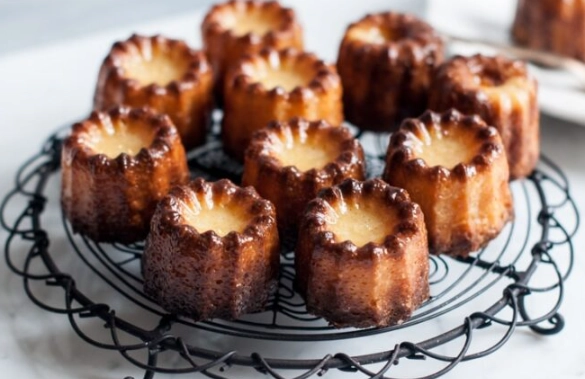
We'll break down the heavy-hitters, the ones that define the category. We'll look at what makes them tick, and I'll even throw in some honest opinions from my own sugar-filled misadventures.
What Actually Makes a Pastry "Classically French"?
This is a good place to start. It's not just about being made in France. You can find decent croissants in lots of places now. For me, it boils down to a few non-negotiable principles. First, the ingredients are usually shockingly simple. Flour, butter, eggs, sugar, maybe some cream or almonds. The magic isn't in a secret ingredient; it's in the quality of those ingredients and the technique.
French butter is a game-changer. It has a higher fat content and a different flavor profile (more on that later). Then there's the technique. Precision is everything. The temperature of the butter, the number of folds in the dough, the resting time—it all matters. A classic French pastry is a lesson in patience and control. Finally, there's balance. It shouldn't just be a sugar bomb. A perfect lemon tart will make your mouth water and pucker at the same time. A great chocolate éclair should have bitterness, sweetness, and creaminess all playing together.
The Core Classics: A Handy Field Guide
Let's get into the nitty-gritty. Here are the foundational classic French pastries you're most likely to encounter. I've put together a table to make it easier to compare them at a glance.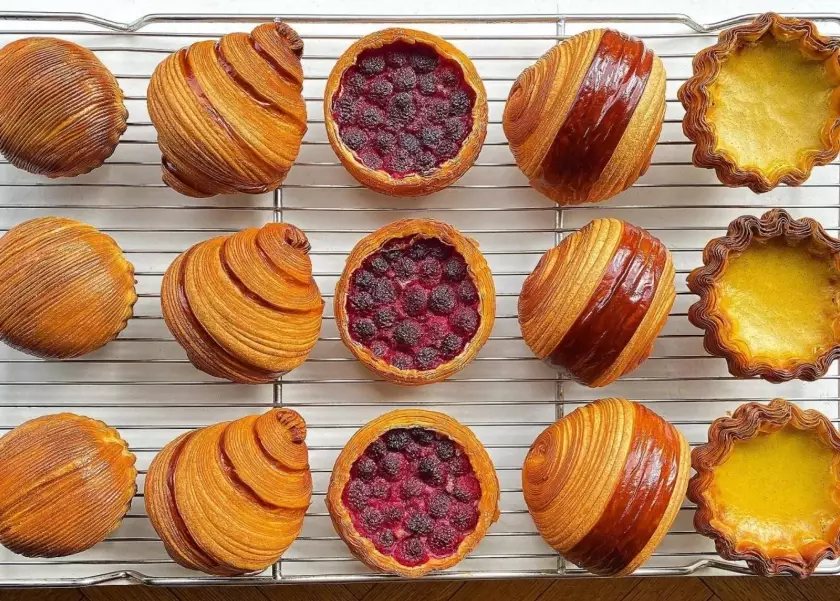
| Pastry Name | The "Vibe" & Key Characteristics | Origin & Fun Fact | Difficulty (Baker's View) |
|---|---|---|---|
| Croissant | Flaky, buttery, crescent-shaped. The defining feature is the laminated dough with hundreds of layers. A good one should be crisp on the outside, tender and slightly chewy inside, with a honeycomb structure you can see when you tear it. | Its origins are debated (some say Austria!), but the French perfected the laminated dough technique. A true croissant au beurre uses only butter, while cheaper versions might use margarine. | Very High. Lamination is a precise, time-consuming art. |
| Pain au Chocolat | Essentially a croissant dough rectangle wrapped around one or two bars of high-quality dark chocolate. It's the ultimate breakfast pastry for chocolate lovers. | Sometimes called a chocolatine in the south of France (a point of serious regional debate!). It's a relatively modern invention, appearing in the 20th century. | Very High. Same dough challenge as the croissant. |
| Éclair | An oblong choux pastry shell, filled with pastry cream (vanilla, coffee, chocolate are classics) and topped with a matching glossy fondant icing. It's all about the texture contrast: soft shell, creamy center, thin crisp icing. | The name means "flash of lightning" in French, supposedly because it's eaten so quickly. The modern version with cream filling was created in the 19th century. | Medium-High. Choux can be finicky, and the filling/piping requires a steady hand. |
| Macaron | Not the coconut lump! These are delicate, colorful meringue-based sandwiches with a smooth, crisp shell and a chewy interior, held together by ganache, buttercream, or jam. The feet (the ruffled edge) are crucial. | Brought to fame by the Parisian pâtisserie Ladurée. Endless flavor variations exist now, from rose to salted caramel. | High. Humidity, oven temperature, and mixing technique are hyper-sensitive. |
| Tarte Tatin | An upside-down caramelized apple tart. Apples are caramelized in butter and sugar, topped with pastry, baked, and flipped. The result is deep, rich caramel flavor and soft apples on a buttery crust. | A happy accident! Story goes the Tatin sisters, running a hotel, messed up an apple pie and improvised. The French tourism site France.fr has great info on these culinary stories. | Medium. The flipping part is nerve-wracking but simpler than it looks. |
| Saint-Honoré | The showstopper. A base of puff pastry, a ring of choux puffs dipped in caramel, and the center filled with crème chiboust (a light, vanilla pastry cream lightened with meringue). Often topped with whipped cream. | Named after the patron saint of bakers. It's a test of a pastry chef's full repertoire—puff, choux, caramel, cream. | Extremely High. Multiple components that must all be perfect. |
Looking at that table, you start to see the patterns, right? The reverence for specific doughs—laminated, choux, puff—and the obsession with balanced fillings. These aren't just recipes; they're technical blueprints.
Beyond the Big Names: Hidden Gems Worth Seeking
While the pastries above get all the fame, the counter of a good shop holds other treasures. Ask for these and you'll look like a pro.
Kouign-Amann: Pronounced "queen-ah-mahn." This Breton gem is like a croissant's richer, more decadent cousin. It's a laminated dough, but with sugar folded in between the layers. It bakes into a caramelized, flaky, buttery disc that's insanely good. It's my personal favorite, but be warned—it's not for the faint of heart. It is pure, unadulterated indulgence.
Paris-Brest: Created to commemorate a bicycle race from Paris to Brest, it's shaped like a wheel. It's a ring of choux pastry, split and filled with a praline-flavored cream (hazelnut is classic), and sprinkled with sliced almonds. The nutty, sweet flavor is incredible, and the texture from the choux and cream is perfect.
Mille-Feuille: Means "a thousand sheets." It's layers of crispy puff pastry alternating with pastry cream (usually vanilla). The top is often decorated with white icing and chocolate lines. The trick is eating it without making a total mess—the pastry shatters everywhere. A delicious, frustrating challenge.
Canelé: A small, flute-shaped pastry from Bordeaux. It has a dark, thick, caramelized crust and a soft, custardy center flavored with rum and vanilla. The contrast between the almost burnt-tasting shell and the tender inside is unique and totally addictive. They're often overlooked, which is a shame.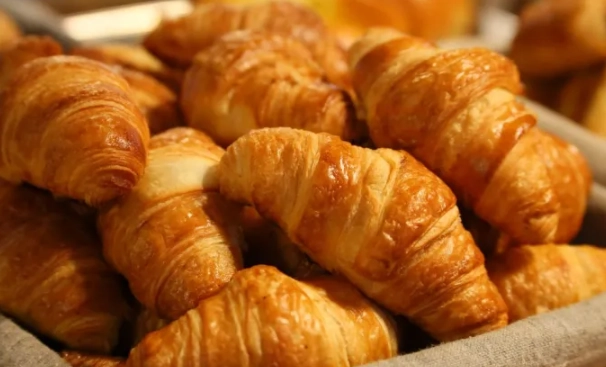
How to Be a Smarter Pastry Shopper & Eater
So you're standing in front of a beautiful display. Now what? Here's some real-world advice that goes beyond "pick the prettiest one."
Time of Day is Key: This is huge. Most classic French pastries are best consumed within hours of being made. A croissant or pain au chocolat is a morning food. It's at its peak for breakfast. If you buy one in the afternoon, it will have lost its crucial crispness. Plan accordingly. Tarts and filled pastries like éclairs have a slightly longer shelf life but are still best the same day.
Ask Questions: Don't be shy. A good pâtissier loves to talk about their work. Ask what's freshest, what they're known for, or for a recommendation. "Is the butter pure in the croissants?" ("Est-ce que les croissants sont au beurre?") is a great question that shows you care.
The Butter Question: This is the heart of the matter for viennoiseries (the croissant family). Many cheaper places use margarine or a butter blend. It's cheaper and easier to work with. A 100% butter pastry will have a richer, more complex flavor and a finer, more fragrant aroma. It's worth seeking out and usually costs a bit more. The French take this seriously, as outlined by professional baking resources like those from Institut Paul Bocuse.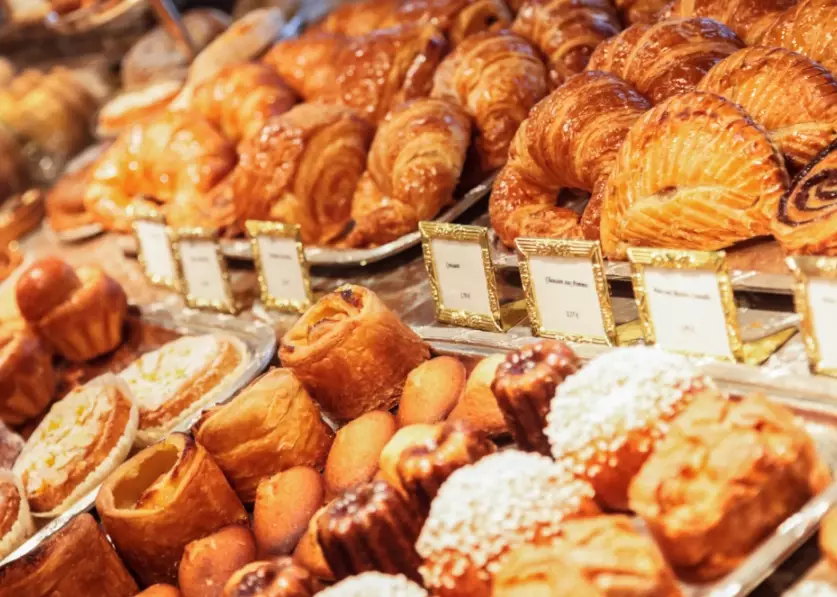
Can You Make Classic French Pastries at Home?
Short answer: Yes, but manage your expectations. You're not going to beat a master who has made 10,000 croissants on your first try. And that's okay! The fun is in the attempt. Here's a realistic tier list for home bakers.
Beginner-Friendly: Canelés (with a good silicone mold), Tarte Tatin, Crème Brûlée (not a pastry per se, but in the family). These require focus but not super-advanced techniques.
Intermediate Challenge: Éclairs and Profiteroles (mastering choux), Fruit Tarts (pastry cream and a sweet crust). This is where you learn about crucial textures and pastry science.
Advanced/Pro Level: Croissants, Kouign-Amann, Macarons, Anything with intricate laminated dough. Be prepared for a multi-day process, precise temperature control, and potentially frustrating results. My first macaron batch looked like little alien pancakes. It happens to everyone.
Finding the Real Deal: Paris and Beyond
If you're traveling to France, the hunt is part of the joy. In Paris, skip the obvious tourist traps near major landmarks.
- Look for shops with a "Artisan Boulanger-Pâtissier" sign. This is a legally protected title indicating things are made on-site from scratch.
- Lines are a good sign, especially with locals.
- The selection should change with the seasons—fruit tarts in summer, heartier, spiced pastries in winter.
Some legendary names that consistently deliver an authentic experience include Cédric Grolet (modern artist), Sadaharu Aoki (Japanese-French fusion), and stalwarts like Stohrer (the oldest pâtisserie in Paris). But honestly, some of my best finds were in unassuming neighborhood shops.
Outside of France, look for bakeries that specialize in French technique. They'll often talk proudly about their French training, their use of European butter, and their slow, traditional processes. It's becoming easier to find excellent examples in major cities worldwide.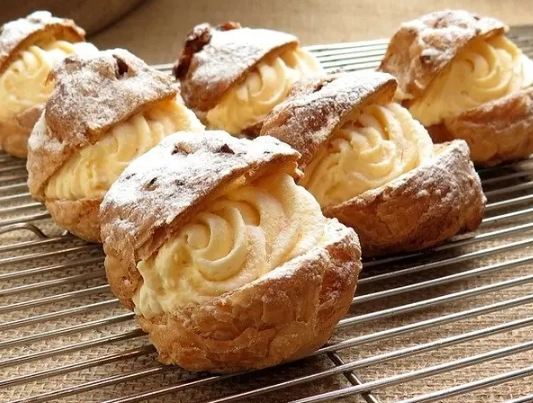
Answers to the Questions You're Probably Googling
At the end of the day, exploring classic French pastries is one of the great joys of food. It's a edible art form with deep roots and endless nuance. Start with a perfect, buttery croissant. Savor a perfectly balanced lemon tart. Marvel at the architecture of a Saint-Honoré. Each bite is a connection to centuries of culinary tradition and passion. Don't just eat it—think about the craft. That's when the real magic happens. Now, if you'll excuse me, all this writing has made me crave a kouign-amann. I know just the place.
Leave a Comment