Your Sourdough Baking Roadmap
- Why Bother with Sourdough? It's More Than Just Trendy Bread
- The Heart of It All: Your Sourdough Starter
- Gathering Your Sourdough Arsenal: Ingredients & Tools
- The Sourdough Process: A Step-by-Step Walkthrough
- Sourdough Bread Common Problems & How to Fix Them
- Beyond the Basic Loaf: What Next?
- Frequently Asked Questions About Sourdough Bread
Let's be honest. The first time you see a beautiful, crusty loaf of sourdough bread with those wild, irregular holes and hear that crisp crackle as you break into it, you think two things. One, "I need to eat that right now." And two, "I could never make that." I was right there with you. My first attempt at baking sourdough bread was a disaster—a dense, sad puck that could have doubled as a doorstop. But that's the thing about sourdough; it feels like magic, but it's really just science and patience (and okay, maybe a little magic).
This guide is for anyone who's stared longingly at a loaf of artisan sourdough in a bakery window or scrolled through endless pictures of perfect crumb shots online. We're going to break it all down, from the tiny universe of wild yeast in your starter jar to the final, glorious bake. Forget the intimidation. By the end of this, you'll understand the why behind every step, which is infinitely more useful than just following a recipe.
Why Bother with Sourdough? It's More Than Just Trendy Bread
Sure, it tastes amazing. But there are some solid reasons why people dedicate weeks to cultivating a sourdough starter instead of just buying a packet of yeast.
The long, slow fermentation process is a game-changer. The natural bacteria (mostly Lactobacillus) produce lactic and acetic acids. These acids do more than add flavor. They also help pre-digest some of the gluten and break down phytic acid found in grains. Phytic acid can inhibit mineral absorption, so breaking it down can make the bread's nutrients more bioavailable. Some people who are sensitive to regular bread find they can tolerate sourdough bread much better because of this. A study published in the Journal of Cereal Science has noted these beneficial effects of long fermentation. You can read more about the science of grain fermentation through resources like those from the USDA's Agricultural Research Service, which often publishes findings on grain nutrition and processing.
Then there's the flavor and texture. Commercial yeast bread is a sprint—fast, predictable, and often one-note. Sourdough is a marathon. The slow rise allows for incredible depth of flavor, from mildly nutty to pronouncedly tangy, depending on how you treat your starter. The crumb (that's the inside part) can achieve an openness and chew that is just impossible to replicate with instant yeast.
And honestly, there's the satisfaction. Baking a successful loaf of sourdough bread feels like a real accomplishment. You're nurturing a living thing and collaborating with it to create food. It connects you to a tradition of baking that's thousands of years old. It's slow food in the best possible way.
The Heart of It All: Your Sourdough Starter
Think of your starter as your pet. A very low-maintenance, flour-eating pet that you can keep in the fridge. This is the non-negotiable foundation of all sourdough bread baking.
Creating a starter from scratch takes about 5-7 days. You're essentially creating a welcoming environment for wild yeast and good bacteria to move in and set up shop. All you need is flour (whole grain rye or whole wheat works best to kickstart it) and water.
Day-by-Day Starter Guide: What to Expect
It can be a weird process if you've never done it. Here's what's actually happening:
- Days 1-2: You mix flour and water. Not much happens. Maybe a few bubbles. The enzymes in the flour are beginning to break down starches into simple sugars.
- Days 3-4: This is the "false alarm" or "bad smell" phase. You might see lots of activity and smell something like rotten cheese or nail polish remover. Don't panic! This is often various bacteria having a party before the good, acid-producing bacteria take over. Keep discarding and feeding.
- Days 5-7: The good guys win. The smell becomes fruity, yogurty, pleasantly sour. The starter should reliably double in size within 4-8 hours of a feeding. This is when you know it's strong enough to leaven bread.
How do you maintain it? If you bake often, keep it at room temperature and feed it daily. For most of us, the fridge is our best friend. A mature, healthy starter can live in the fridge, fed just once a week. Before a bake, you take it out, give it a couple of refresh feeds to wake it up, and it's ready to go.
Gathering Your Sourdough Arsenal: Ingredients & Tools
One of the beautiful things about a basic sourdough bread is its simplicity. The ingredient list is short, but the quality matters.
The Big Four Ingredients
- Flour: This is your main variable. Bread flour (higher protein, 12-13%) gives more structure and chew. All-purpose flour (around 11% protein) makes a more tender crumb. Many bakers use a blend. Whole grain flours add flavor and nutrition but absorb more water and can make a denser loaf. For your first loaves, stick with mostly bread flour for best results.
- Water: Filtered or bottled water is best if your tap water is heavily chlorinated, as chlorine can inhibit your wild yeast. Temperature is crucial—using warm water (about 78-82°F or 25-28°C) speeds up fermentation, cold water slows it down.
- Sourdough Starter: Your active, bubbly, peak-ready culture.
- Salt: Not just for flavor. Salt strengthens gluten and regulates yeast activity. Use fine sea salt. Add it after the flour and water have mixed (autolyse), as it can slow down initial hydration.
Helpful (But Not All Essential) Tools
You can start with just a bowl, a spoon, and a pot with a lid. But a few tools make life much easier.
| Tool | Why It's Useful | Can You Skip It? |
|---|---|---|
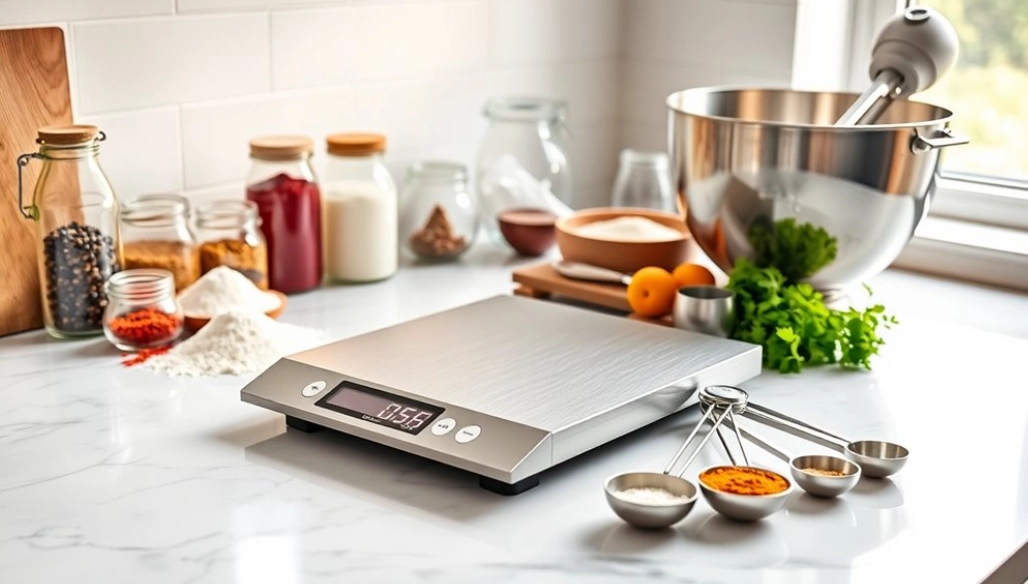
| Digital Kitchen Scale | Baking is a science. Grams are accurate; cups are inconsistent. A scale is the #1 tool for consistency. | No. Seriously, get one. |
| Dough Scraper (Bench Scraper) | For folding, dividing, and cleaning sticky dough off surfaces. Invaluable. | You'll wish you had it. |
| Banneton (Proofing Basket) | A rattan or cane basket that supports the dough during its final rise and gives it those classic spiral lines. | Yes. A well-floured bowl lined with a kitchen towel works. |
| Dutch Oven | Traps steam from the dough, creating a humid oven environment for a phenomenal rise and blistering crust. | Kind of. A baking stone/steel with a pan of water underneath mimics it, but a Dutch oven is foolproof. |
| Razor Blade or Lame | For scoring (slashing) the dough right before baking. Allows controlled expansion. | Yes, but a very sharp paring knife is a poor substitute. A razor is cheap. |
My personal take? I resisted the banneton for ages, using a towel-lined bowl. It worked, but my first loaf baked in a real banneton held its shape so much better. Some tools are just worth it.
The Sourdough Process: A Step-by-Step Walkthrough
This is where we put it all together. A typical process spans about 24 hours, but most of that is hands-off fermentation. Don't let the timeline scare you.
1. Feeding Your Starter & The Levain Build
If your starter lives in the fridge, take it out 1-2 days before you plan to mix your dough. Feed it to wake it up. The night before your mix, you'll often create a "levain"—a separate, off-shoot of your starter built with specific proportions for the recipe. This ensures you have a large, predictable, and active amount of leavening agent ready to go. Some recipes just use your main starter directly. Either way, you need it bubbly and active.
2. Autolyse (The Resting Period)
This fancy word just means mixing only your flour and water and letting it rest for 30 minutes to 2 hours. No starter, no salt yet. This allows the flour to fully hydrate, enzymes to start working, and gluten chains to begin forming naturally. When you come back, the dough will already be smoother and more cohesive. It's a simple step that makes kneading or folding much easier.
3. Mixing & Bulk Fermentation (The First Rise)
Now you add your active starter/levain and salt to the autolysed dough. Mix thoroughly. This kicks off the bulk fermentation, the single most important phase for developing flavor and structure. This rise can take 4-8 hours at room temperature, depending on your kitchen's warmth.
During bulk fermentation, you don't just leave it. You perform a series of "stretch and folds" or "coil folds" every 30-60 minutes for the first few hours. This isn't traditional kneading. You're gently stretching the dough up and folding it over itself. This strengthens the gluten network without tearing it, and it incorporates air. You'll feel the dough transform from shaggy and sticky to strong, smooth, and elastic.
How do you know bulk fermentation is done? The dough should look noticeably puffy, have increased by about 30-50% (not necessarily doubled), be full of bubbles, and hold an indentation slowly when you poke it with a wet finger. Under-proofing here leads to dense bread. Over-proofing leads to flat bread that collapses. This is the skill you develop over time.
4. Pre-shaping, Shaping & Final Proof
Now you turn the dough out onto a lightly floured surface. You gently divide it (if making multiple loaves) and "pre-shape" it into a loose round, letting it rest for 20-30 minutes. This relaxes the gluten, making the final shaping easier.
Final shaping is where you create surface tension. You flip the dough, fold it into itself, and use friction with the counter to create a tight, smooth outer "skin." This tension is what helps the loaf hold its shape and rise upwards in the oven. Place the shaped dough seam-side up into a floured banneton or bowl.
The final proof is the last rise. This can be at room temperature for 1-3 hours, or, more commonly, overnight in the refrigerator. A cold proof (retardation) is a secret weapon. It slows fermentation to a crawl, allowing even more flavor development (more tang!), and it firms up the dough, making it easier to score and handle before baking. I always do an overnight cold proof. The difference in flavor is stark.
5. Scoring & Baking
Preheat your oven with your Dutch oven inside for a full hour. It needs to be screaming hot, usually 450-500°F (230-260°C). Turn your proofed dough onto a piece of parchment paper. Now, score it decisively with a razor. This isn't just decorative; it gives the expanding dough a controlled weak point to burst from. A deep score (about 1/2 inch) at a shallow angle helps create an "ear"—that beautiful lifted flap of crust.
Carefully lower the dough (on the parchment) into the scorching hot Dutch oven, put the lid on, and bake for 20-25 minutes. The lid traps the steam. Then, remove the lid to allow the crust to color and crisp up for another 20-30 minutes. The loaf should be deeply browned and sound hollow when tapped on the bottom.
6. The Crucial Wait: Cooling
This is the hardest part. You must let the loaf cool completely on a wire rack for at least 2-3 hours before slicing. The interior is still cooking and setting as it cools. Cutting it warm releases steam and results in a gummy, damp crumb. Trust me, wait. The reward is a perfect slice.
Sourdough Bread Common Problems & How to Fix Them
Everyone fails. The key is knowing why. Here’s a quick diagnostic table for your sourdough bread.
| Problem | Likely Cause | How to Fix It Next Time |
|---|---|---|
| Dense, Gummy Crumb | Under-proofed (most common), under-baked, or cut while warm. | Let bulk fermentation go longer. Use the "poke test." Bake longer with lid off. Cool completely. |
| Flat, Spread-Out Loaf | Over-proofed, weak gluten (needed more folds), or poor shaping (lack of surface tension). | Shorten bulk fermentation. Be diligent with folds. Practice shaping to create tension. |
| Pale, Soft Crust | Oven not hot enough, insufficient steam, or baked without lid/steam too short. | Preheat longer. Ensure Dutch oven seals well. Don't peek early! |
| Too Sour / Not Sour Enough | Flavor is controlled by fermentation time/temp and starter health. | For more tang: longer, cooler fermentation (cold proof). For less: warmer, shorter bulk ferment. |
| Starter Won't Rise | Inactive culture, too cold, or needs more frequent feeding. | Use whole grain flour to feed. Keep in a warmer spot (on oven with light on). Feed consistently. |
Beyond the Basic Loaf: What Next?
Once you've mastered a simple white sourdough bread, a world of variations opens up.
- Whole Grain Blends: Substitute 20-50% of your bread flour with whole wheat, rye, or spelt. Remember, these flours drink more water, so you may need to increase hydration slightly.
- Inclusions: Fold in soaked seeds (sunflower, pumpkin), nuts (walnuts, pecans), or dried fruits (raisins, apricots) during the last set of folds. Soaking prevents them from sucking moisture from the dough.
- Different Shapes: Try bâtards (oval loaves), baguettes (tricky but rewarding), or even sourdough focaccia, which is incredibly forgiving and delicious.
- Using Discard: Instead of throwing away the starter you discard during feedings, use it! It's not active for leavening but adds great flavor to pancakes, waffles, crackers, and quick breads like banana bread. Zero waste.
I love adding about 10% rye flour to my basic loaf. It gives it a deeper, almost malty flavor that works with everything from avocado to aged cheddar.
Frequently Asked Questions About Sourdough Bread
No! A grayish liquid (hooch) is alcohol produced by hungry yeast. It means your starter is thirsty and needs to be fed. Just pour it off or stir it in, and feed as usual. It's a sign of an active, but neglected, culture.
Usually not. A cold starter is sluggish. You need to take it out, feed it, and let it become active and bubbly at room temperature before using it in dough. This "refreshment" feeding ensures it's strong enough to raise your bread.
Open crumb is a function of three things: high hydration (wetter dough), strong gluten development (good flour and proper folding), and proper fermentation (not over or under-proofed). Start with a lower hydration dough (70-75%) to master handling, then slowly increase water content. Wetter dough is trickier to handle but can yield more open texture.
No. It's made from wheat, rye, or barley flour, all of which contain gluten. However, the fermentation process does partially break down gluten proteins. Some individuals with sensitivity may tolerate it better, but it is not safe for people with celiac disease or a wheat allergy. For reliable information on gluten and digestion, resources like the National Institutes of Health (NIH) provide research-based data.
Many commercial "sourdough" breads add commercial yeast and vinegar or flavorings to mimic the taste quickly. They skip the long, natural fermentation. Your homemade version is the real deal—slower, more complex, and free of dough conditioners or preservatives. That's why it tastes and feels different (and better).
Baking the perfect loaf of sourdough bread is a pursuit. You'll have good bakes and bad bakes. The flour, the weather, your water—everything plays a part. But that's also the joy. It's a living process that connects you to your food in a fundamental way. Start with a jar of flour and water, be patient, and you'll end up with not just bread, but a whole new skill. And the smell of baking sourdough filling your kitchen? That's a reward all by itself.
So go on. Get a jar, mix some flour and water, and start your starter. The first loaf might be a doorstop, but the next one will be better. And the one after that might just be the best bread you've ever tasted.



Leave a Comment