Quick Navigation
Let's be honest. The idea of baking dessert can be intimidating. You see those perfect pictures online, and then you remember the last time your cookies spread into one giant, sad pancake or your cake came out denser than a brick. I've been there. I once made a "volcano" chocolate cake that erupted all over my oven. Not my finest hour.
But here's the secret: baking doesn't have to be a high-stakes science experiment. It's more like following a good map. Once you understand the landmarks—your ingredients, your tools, the basic techniques—you can get to delicious destinations every single time. This guide is that map. We're going to ditch the intimidation and talk about real baking for real people. Whether you're looking for easy baking recipes for dessert tonight or you want to master a classic, this is your starting point.
Your Baking Toolkit: What You Really Need
Before we dive into the sweet stuff, let's clear up the tool confusion. You don't need a kitchen that looks like a bakery supply store. A few key, good-quality items will take you incredibly far.
The Non-Negotiables:
- A good set of measuring cups and spoons. I'm talking about the ones for dry ingredients and a clear liquid measuring cup. Baking is about precision, at least when you're starting out. Eyeballing a cup of flour is a recipe for inconsistency.
- Mixing bowls. Get a few in different sizes. Stainless steel or glass are my go-tos. They're durable and don't hold onto smells.
- A sturdy whisk and a set of silicone spatulas. The whisk is for incorporating air and smoothing batters. The spatulas are for scraping every last bit of delicious batter out of the bowl. No waste!
- Baking pans. Start simple: a 9-inch round cake pan, a 9x13 inch rectangular pan (for brownies and sheet cakes), a muffin tin, and a baking sheet (half-sheet pan). Don't buy the thinnest, cheapest ones you can find; they warp in the oven and cause uneven baking. It's worth spending a bit more.
- A reliable oven thermometer. This is the most underrated tool. Your oven's dial is often a liar. Mine runs 25 degrees hot. An oven thermometer tells you the truth, which is the foundation of any good baking recipe dessert.
The fancy stuff—stand mixers, kitchen scales, piping bags—are wonderful, but they are for later. Master the basics with simple tools first.
My Two Cents: I resisted getting a kitchen scale for years, thinking it was too fussy. I was wrong. Weighing your flour (instead of scooping it) is a total game-changer for consistency, especially in finicky recipes like macarons or bread. The King Arthur Baking Ingredient Weight Chart is my bible for this. It's not strictly necessary for every chocolate chip cookie, but it elevates your baking from good to reliably great.
Pantry Staples for Instant Dessert Potential
What separates a baker from someone who just bakes sometimes? A semi-organized pantry. If you have these items on hand, you can whip up a satisfying dessert with little to no notice. It's about being prepared for a sudden craving or an unexpected guest.
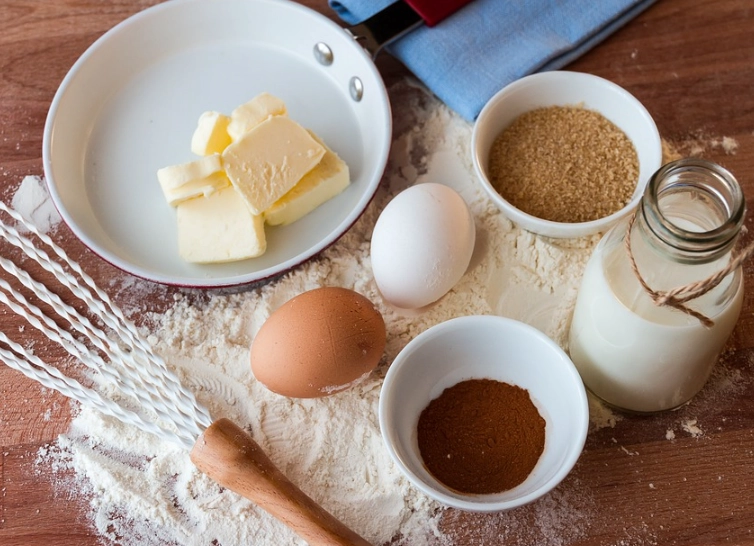
Flour, sugar, eggs, butter, baking powder, baking soda, vanilla extract, salt, cocoa powder. These are your infantry. Then, build out your cavalry based on what you like: chocolate chips, nuts (walnuts, pecans), rolled oats, brown sugar, powdered sugar, cornstarch (for thickening pie fillings and making puddings).
And let's talk about butter for a second. Recipes will specify unsalted or salted. Use unsalted. Why? You control the salt level. Salted butter salt content varies by brand, so using unsalted butter and adding your own pinch of salt gives you consistent results. It's a small detail that makes a big difference.
Pro Tip: Keep your baking powder and baking soda fresh! They lose their potency. Write the date you opened them on the container with a marker. If you can't remember, test them. For baking soda, put a spoonful in vinegar—it should fizz violently. For baking powder, put a spoonful in hot water—it should bubble. No fizz? Time for a new box.
Top 5 Classic Baking Recipes for Dessert You Should Master
These are the foundational baking recipes dessert lovers come back to again and again. Mastering these gives you the skills and confidence to tackle almost anything.
Chocolate Chip Cookies (The Ultimate Test)
More than any other, this recipe separates the bakers. Do you like them chewy, crispy, or cakey? It all comes down to technique. For a chewy cookie, use more brown sugar than white. For a crispier one, use more white sugar and bake a minute or two longer. The real secret? Chilling the dough. I know, it's torture. But letting the dough rest in the fridge for at least 24 hours allows the flour to fully hydrate and the flavors to deepen. The difference is night and day. A warm, gooey cookie made from chilled dough has a complex, almost butterscotchy flavor you just don't get from dough baked right away.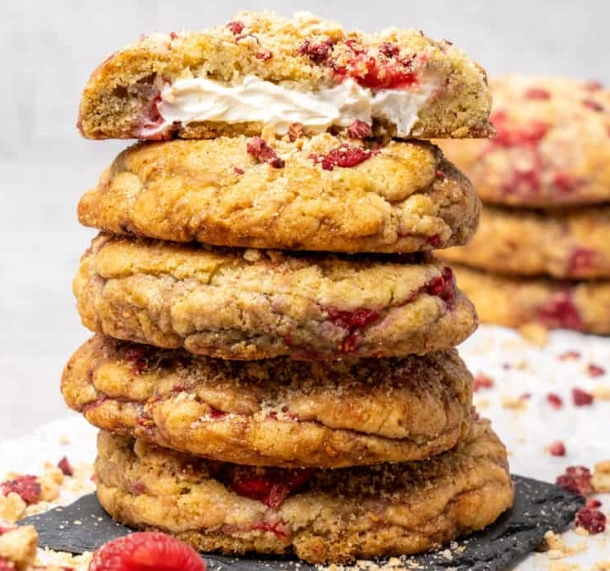
Vanilla Buttercream Frosting
Not a dessert on its own, but the key to elevating cakes and cupcakes. The American-style buttercream is simple: butter, powdered sugar, a splash of milk or cream, and vanilla. The trick is to beat the room-temperature butter for a full 3-5 minutes until it's pale and fluffy before adding the sugar. This incorporates air and prevents a gritty texture. If you find it too sweet, try an Italian or Swiss meringue buttercream. They're more involved but less saccharine and silky smooth.
Simple Vanilla Sheet Cake
Forget layer cakes for a moment. A humble sheet cake is your best friend for birthdays, potlucks, and casual gatherings. It's forgiving, easy to transport, and serves a crowd. The goal is a tender, moist crumb. The "reverse creaming" method, where you mix the dry ingredients with the butter first before adding the wet, can help achieve this by coating the flour in fat and limiting gluten development. It's a fantastic, no-fuss baking dessert recipe.
Brownies (Fudgy vs. Cakey)
This is a holy war. I'm firmly in the fudgy camp. The difference comes from the fat-to-flour ratio. Fudgy brownies use more butter and chocolate and less flour. Sometimes they don't even use leavening agents like baking powder. Cakey brownies have more flour and act more like, well, chocolate cake. For the ultimate fudgy brownie, try a recipe that uses melted chocolate and butter together, and don't overmix the batter once you add the flour. A few streaks are fine.
Fruit Crumble
This is the ultimate "I need a dessert in an hour" lifesaver. It's rustic, forgiving, and highlights seasonal fruit. The formula is easy: sliced fruit (apples, peaches, berries) tossed with a little sugar and thickener (like cornstarch or flour), topped with a mix of flour, oats, sugar, and cold butter rubbed together until crumbly. Bake until bubbly and golden. Serve with ice cream. It's impossible to mess up and always feels special.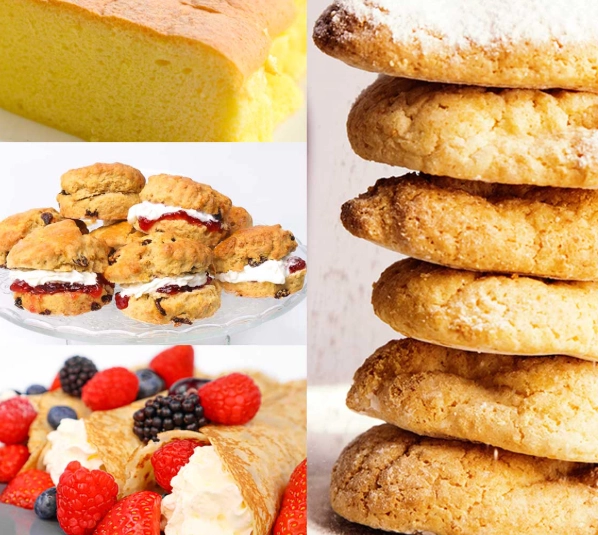
See? These aren't intimidating. They're friendly, familiar, and the perfect training ground.
Baking Science: The "Why" Behind the Instructions
Following a recipe is one thing. Understanding why you're doing it is what makes you a better baker. Let's demystify a few common instructions.
"Cream the butter and sugar." This isn't just about mixing. You're beating tiny air bubbles into the butter. The sugar crystals cut through the fat, creating pockets. These pockets expand in the oven's heat, helping your cookies spread and your cakes rise. If your butter is too cold, it won't cream. Too warm, and it won't hold the air. Room temperature (where your finger leaves a slight indent) is key.
"Don't overmix the batter after adding flour." Flour contains gluten proteins. When mixed with liquid and agitated, they form strands. This is great for bread—it gives structure. For cakes, muffins, and pancakes, too much gluten development makes them tough and chewy. Mix just until you no longer see dry flour streaks. A few lumps in a muffin batter are perfectly fine.
"Preheat your oven." This is non-negotiable. Putting batter into a cold oven throws off all the carefully timed chemical reactions (like the initial burst of leavening from baking powder). Your dessert won't rise properly. Give your oven a solid 20-30 minutes to come to the full, correct temperature, as verified by your trusty oven thermometer.
Understanding these principles means you can look at a new baking recipe dessert and predict how it should behave. You start to see the patterns.
Common Baking Disasters & How to Fix Them
We all have failures. The mark of a good baker isn't avoiding them; it's knowing what went wrong. Here’s a quick troubleshooting table for those classic dessert baking recipe heartbreaks.
| The Problem | Likely Cause | How to Prevent It Next Time |
|---|---|---|
| Cookies spread too much | Butter was too warm/melted; dough wasn't chilled; baking sheet was warm when loaded. | Use cool, room-temp butter. Chill dough. Always use cool baking sheets. |
| Cookies didn't spread at all | Too much flour; dough was over-chilled and baked rock-solid. | Measure flour accurately (spoon & level). Let chilled dough sit at room temp for 10-15 min before baking. |
| Cake is dry | Over-baking; too much flour; not enough fat or liquid. | Check for doneness a few minutes early. Use an oven thermometer. Measure flour carefully. |
| Cake is dense/gummy | Under-baking; over-mixing the batter after adding flour; opening the oven door too early. | Use a toothpick test. Mix just until combined. Don't open the oven for first ¾ of bake time. |
| Muffins have peaked, tough tops | Over-mixing; oven temperature too high. | Mix batter with a light hand until just combined. Verify oven temp. |
| Pie crust is tough, not flaky | Overworked the dough; used too much water; ingredients were too warm. | Handle dough minimally. Use ice-cold water and butter. Let dough rest in fridge. |
My Biggest Fail: I once tried to substitute honey for sugar in a cookie recipe, one-for-one. What a mess. The cookies burned on the bottom before cooking through, and they were weirdly sticky. Sweeteners aren't always interchangeable. Sugar provides sweetness, tenderness, and structure. Honey is a liquid and browns much faster. If you want to experiment with substitutions, look for a recipe specifically designed for that alternative.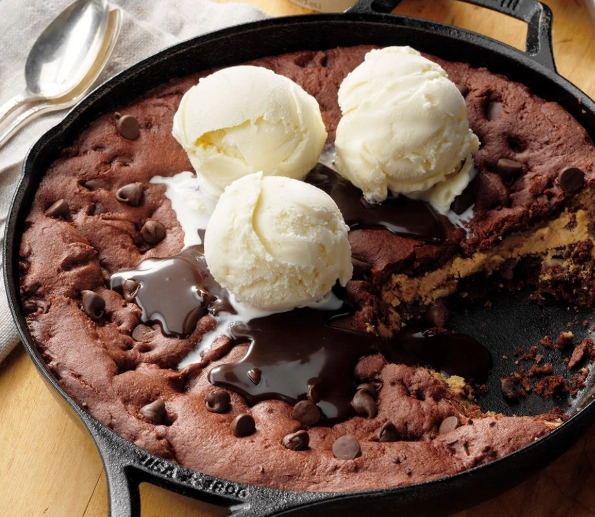
Taking Your Baking to the Next Level
Once you're comfortable with the classics, the world opens up. Here’s where you can go next.
Explore Global Desserts: Move beyond American classics. Try making a French tarte tatin (an upside-down caramelized apple tart), Italian tiramisu (no baking required!), or British scones with clotted cream. Each introduces new techniques and flavor profiles. It's a delicious way to learn.
Seasonal & Local Baking: This is my personal favorite. A baking recipes dessert made with ripe, in-season fruit is unbeatable. Strawberry rhubarb pie in spring, peach galette in summer, apple crisp in fall. It connects you to your food and tastes infinitely better. Visit a farmer's market and see what inspires you.
Master a Technical Challenge: Pick one slightly advanced project to focus on. Maybe it's laminated dough for croissants (a weekend project, for sure), a perfectly risen soufflé, or delicate French macarons. Don't be discouraged if you fail the first time. Each attempt teaches you something. The Serious Eats Sweets section, led by the meticulous Stella Parks, is an incredible resource for understanding the deep science behind advanced pastries.
A Simple, Foolproof Recipe to Start With: One-Bowl Banana Bread
This is the perfect gateway baking recipe dessert. It's forgiving, uses up overripe bananas, and requires minimal cleanup. No fancy techniques, just mixing.
Ingredients: 3 very ripe bananas, 1/3 cup melted butter, 3/4 cup sugar (white or brown), 1 large egg (beaten), 1 tsp vanilla extract, 1 tsp baking soda, Pinch of salt, 1 1/2 cups all-purpose flour.
Method: Preheat oven to 350°F (175°C). Grease a 4x8 inch loaf pan. In a large bowl, mash the bananas with a fork until smooth. Stir the melted butter into the mashed bananas. Mix in the sugar, egg, and vanilla. Sprinkle the baking soda and salt over the mixture and stir in. Add the flour last and mix just until combined (no dry streaks). Pour batter into pan. Bake for 50-65 minutes, until a toothpick inserted comes out clean. Let cool in pan for 10 minutes, then remove to a wire rack.
See? One bowl, simple ingredients, maximum reward. You can add chocolate chips, nuts, or a swirl of cinnamon sugar on top.
Baking is a journey. Some days you'll nail a complex tart, and other days you'll burn the simple cookies. Both are part of the process. The goal isn't perfection; it's the joy of creating something with your own hands, the smell that fills your kitchen, and the pleasure of sharing it.
So, preheat that oven, grab your whisk, and start with one simple recipe. The best baking recipes for dessert are the ones that bring you into the kitchen and make you smile. Happy baking!
Here are answers to some of the most common questions I get from friends starting their baking journey. These are the real head-scratchers.

Leave a Comment