I remember the first time I tried baking with my two-year-old. The goal was simple muffins. The reality was a kitchen dusted in flour, an egg shell in the batter, and a toddler more interested in eating the raw sugar than mixing. It was chaos. But it was also the start of something wonderful. Over the last decade, through trial and a lot of error, I’ve learned that baking with toddlers isn’t about perfection. It’s about the process—the sensory play, the simple math of counting cups, the pride in their eyes when they pull "their" creation from the oven. If you’re staring at a Pinterest fail and wondering how anyone manages this, you’re in the right place. Forget complex fondant and precise piping. We’re talking about easy, forgiving recipes where the mess is part of the fun and the results are actually edible.
What's Inside?
Why Baking with Toddlers is Worth the Mess
Let’s be honest. It’s easier and faster to bake alone. So why do it? The benefits go far beyond a plate of cookies. You’re building foundational skills. Scooping and leveling flour introduces early math concepts. Waiting for the timer practices patience. Following steps (even loosely) builds cognitive sequencing. The textures—sticky honey, gritty sugar, soft flour—are a fantastic sensory experience. According to resources like Zero to Three, a non-profit focused on early childhood development, these everyday interactions are rich learning moments. But the biggest win? It’s quality connection time, screen-free and focused on a shared, tangible goal. You’re creating memories where the kitchen becomes a place of joy, not just a room where dinner magically appears.
Your No-Stress Toddler Baking Kit: Tools & Mindset
Before you preheat the oven, set yourself up for success. You don’t need fancy gear. You need the right gear.
The Toddler-Friendly Toolbox:
- A sturdy, lightweight stepping stool so they can safely reach the counter.
- Small, lightweight mixing bowls (plastic or metal). Avoid glass.
- Flexible silicone spatulas—easy for little hands to grip and scrape.
- A wire whisk for enthusiastic (and safe) stirring.
- Cookie cutters with large, simple shapes.
- A small rolling pin, or even a clean, smooth drinking glass.
The Mindset Shift: This is the most important tool. Your goal is not a bakery-perfect product. Your goal is a positive experience. Embrace the spills. Laugh at the lopsided cookie. If 80% of the ingredients make it into the bowl, call it a win. I promise, the taste is rarely affected by a few extra sprinkles on the floor.
3 Golden Rules for Toddler Baking Success
After years of sticky situations, these three principles are non-negotiable.
1. Prep Everything Before They Arrive (Mise en Place for Minis)
This is the expert secret most blogs skip. Measure all your ingredients into small bowls or cups before you even call your toddler to the kitchen. A toddler’s attention span is about 2-10 minutes per year of age. If you’re measuring flour while they’re waiting, you’ve lost them. Have everything ready to go: pre-measured, eggs cracked (check for shells!), butter softened. Then, their job becomes the fun part: dumping, stirring, and sprinkling.
2. Choose Recipes with "Toddler Jobs" Built In
The best easy recipes for kids have clear, physical tasks. Look for verbs like: sprinkle, press, dump, stir (not "fold gently"), roll, and decorate. Avoid recipes requiring precise timing, multiple chilling phases, or delicate techniques like separating eggs.
3. Manage the Mess Proactively, Not Reactively
Put a large, washable mat or even an old shower curtain under the work area. Have a damp cloth within your reach, not theirs. Dress everyone in clothes you don’t care about. Accept that there will be mess, but contain it. Trying to keep things spotless will only stress you out and stifle their exploration.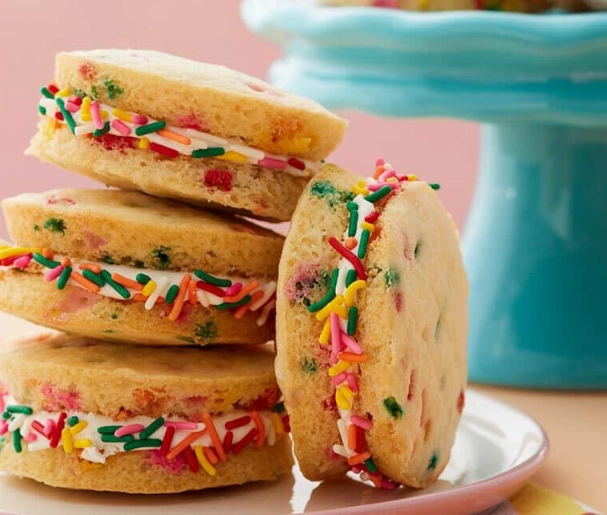
Recipe #1: No-Chill Playdough Cookies
These are my absolute top recommendation for a first baking experience. The dough comes together quickly, requires no chilling, and is sturdy enough to be rolled and re-rolled a dozen times—just like playdough, but edible.
Ingredients:
- 1 cup (2 sticks) unsalted butter, softened (pre-measured and ready)
- 1 cup granulated sugar
- 1 large egg
- 1 tsp vanilla extract
- 3 cups all-purpose flour
- 1/2 tsp baking powder
- Pinch of salt
- Extra flour for rolling
- Sprinkles for decorating
The Toddler-Powered Steps:
- Preheat oven to 350°F (175°C). Line baking sheets with parchment paper.
- Toddler Job: In a large bowl, let your toddler dump in the pre-measured butter and sugar. Show them how to use the spatula to mash them together roughly.
- You (the adult) take over for a quick mix with an electric mixer until just combined, about 30 seconds. Return the bowl.
- Toddler Job: Let them crack the egg into a small bowl (you check for shells), then pour it into the big bowl. Add the vanilla. Hand them the whisk for vigorous stirring.
- Toddler Job: One by one, let them dump in the pre-measured flour, baking powder, and salt. Switch to the spatula for them to mix until a crumbly dough forms.
- Turn the dough onto a lightly floured surface. Toddler Job: Give them a piece of dough and their own small rolling pin. Let them roll, press, and use cookie cutters. Transfer shapes to the baking sheet.
- Toddler Job: Decorate with sprinkles! Press them in gently.
- Bake for 8-10 minutes until the edges are just lightly golden. Cool on the sheet.
Recipe #2: Anything-Goes Yogurt Muffins
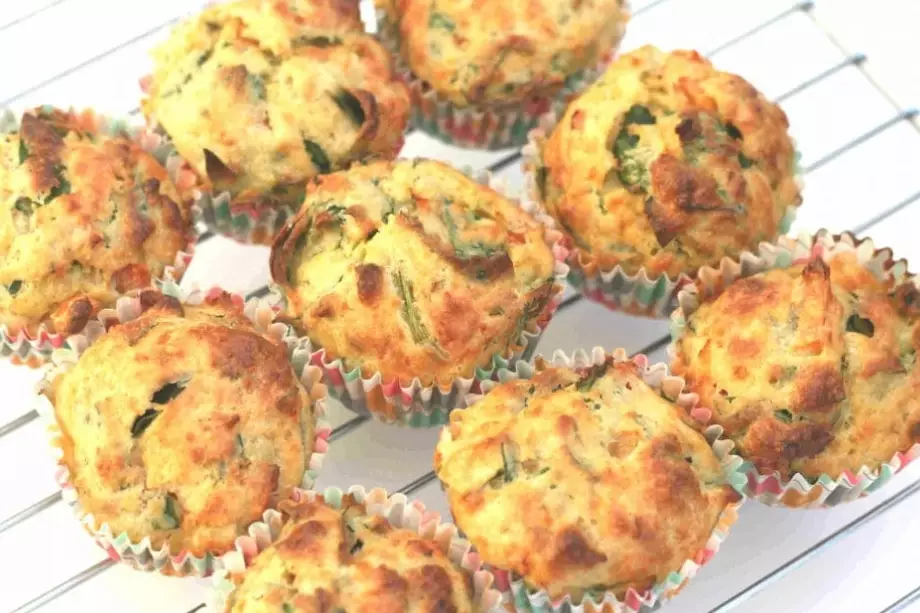
This is a one-bowl, no-mixer recipe that’s incredibly forgiving. The yogurt keeps them moist, and you can add almost any mix-in you have, making it a great way to use up leftover fruit or sneak in a vegetable.
Base Ingredients:
- 2 cups all-purpose flour
- 1/2 cup sugar
- 1 tbsp baking powder
- 1/2 tsp salt
- 1 cup plain whole-milk yogurt
- 2 large eggs
- 1/3 cup vegetable oil or melted (and cooled) butter
- 1 tsp vanilla extract
Pick Your Mix-Ins (Let your toddler choose 1-2):
- 1 cup fresh or frozen blueberries (tossed in 1 tbsp flour)
- 1 cup grated zucchini or carrot (squeezed dry in a towel)
- 1 mashed ripe banana
- 1/2 cup chocolate chips
The Toddler-Powered Steps:
- Preheat oven to 375°F (190°C). Grease or line a 12-cup muffin tin.
- Toddler Job: In a large bowl, let them dump all the dry ingredients (flour, sugar, baking powder, salt). Give them a whisk to stir it all together.
- In a separate bowl or large measuring cup (you do this), whisk together the yogurt, eggs, oil, and vanilla.
- Toddler Job: Let them pour the wet ingredients into the dry ingredients. Hand them the spatula to mix until just combined—lumps are fine!
- Toddler Job: Add the chosen mix-ins and let them do a few final folds.
- Toddler Job: Using a large spoon or a small measuring cup, let them help spoon the batter into the muffin cups. It will be messy. It’s okay.
- Bake for 18-20 minutes until a toothpick comes out clean. Cool in the pan for 5 minutes.

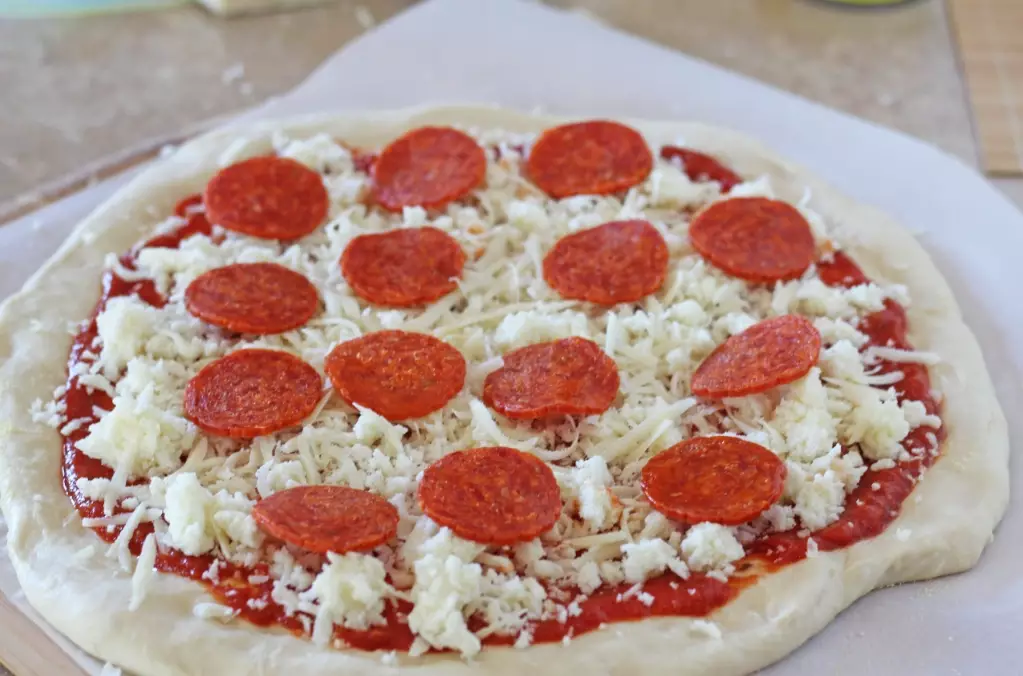
Recipe #3: Rainbow English Muffin Pizzas
This isn’t traditional baking, but it’s the ultimate in easy, customizable cooking that feels like baking. It’s a fantastic activity for lunch or a snack, and it encourages veggie exploration in a low-pressure way.
Ingredients:
- 4 whole-wheat English muffins, split
- 1/2 cup tomato sauce or pizza sauce
- 1 cup shredded mozzarella cheese
- Rainbow Topping Bar: Small bowls of diced bell peppers (red/yellow), sweet corn, chopped broccoli florets, sliced olives, grated carrot, pepperoni slices.
The Toddler-Powered Steps:
- Preheat your oven's broiler (grill) on low, or toaster oven to 400°F (200°C).
- Arrange the English muffin halves on a baking sheet. Toddler Job: Let them spread the sauce on each half with the back of a spoon.
- Toddler Job: Let them sprinkle cheese over the sauce.
- The Main Event: Set up the topping bowls. Challenge them to make a rainbow or a funny face. "Can you give this pizza green hair (broccoli)? Red eyes (peppers)?" Let them decorate freely.
- Broil/bake for 5-7 minutes until the cheese is bubbly and melted. Cool slightly before serving.
The beauty here is the complete creative control. They own the creation, which dramatically increases the chance they’ll actually eat it.

Leave a Comment