Let's be honest: guessing portion sizes is a recipe for weight loss failure. You think you're eating 4 ounces of chicken, but it's actually 7. That "half cup" of rice looks right, but the scale says it's a packed three-quarters. These small miscalculations add hundreds of hidden calories every day, completely derailing your progress. The single most effective tool to fix this isn't a fancy diet plan or an expensive supplement. It's a simple, accurate food scale.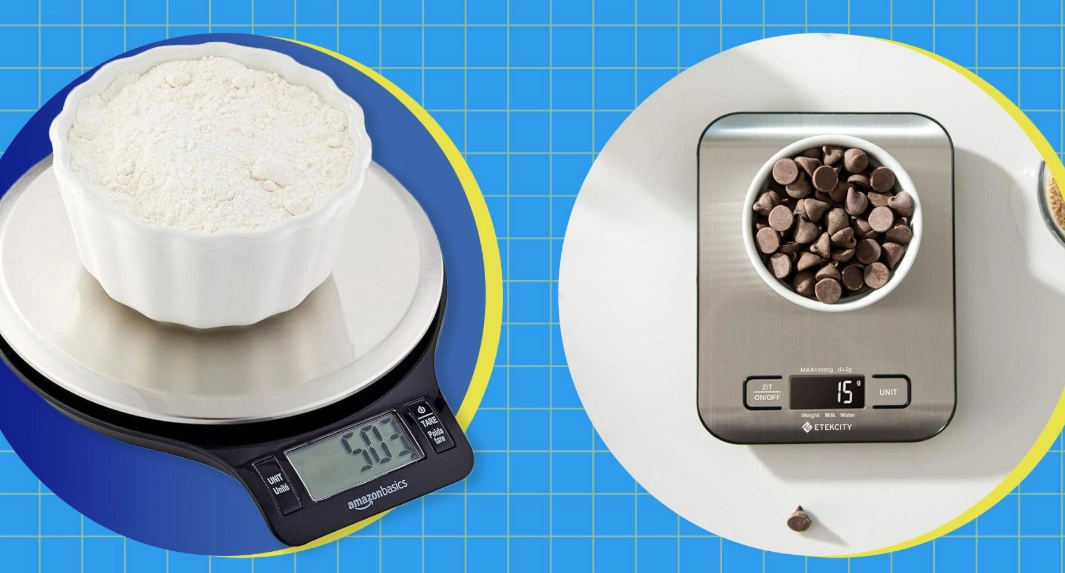
I've coached people on weight management for years, and the one habit that separates those who keep weight off from those who yo-yo is consistent, accurate tracking. Eyeballing doesn't cut it. A study referenced by the U.S. Department of Agriculture highlights that people consistently underestimate their food intake, often by a significant margin. A digital food scale removes the guesswork and gives you control back.
What's Inside This Guide
How a Food Scale Transforms Your Weight Loss Journey
Think of your calorie budget like a financial budget. Would you manage your money without checking your bank balance or receipts? Probably not. A food scale gives you that same precise accounting for your energy intake.
The biggest benefit is accuracy in calorie tracking apps. Logging "1 medium banana" in MyFitnessPal can vary from 90 to 120 calories. Weighing it at 120 grams gives you the exact number. Over weeks and months, this precision compounds, creating the reliable calorie deficit needed for fat loss.
It also retrains your perception of portion sizes. After a few weeks of weighing, you'll start to recognize what 30 grams of almonds actually looks like in your hand. This built-in "portion intuition" is a lifelong skill for maintaining weight.
Finally, it brings objectivity. Emotional eating or a "bad day" becomes data—not a moral failure. You see exactly what you consumed, learn from it, and adjust. It's that simple.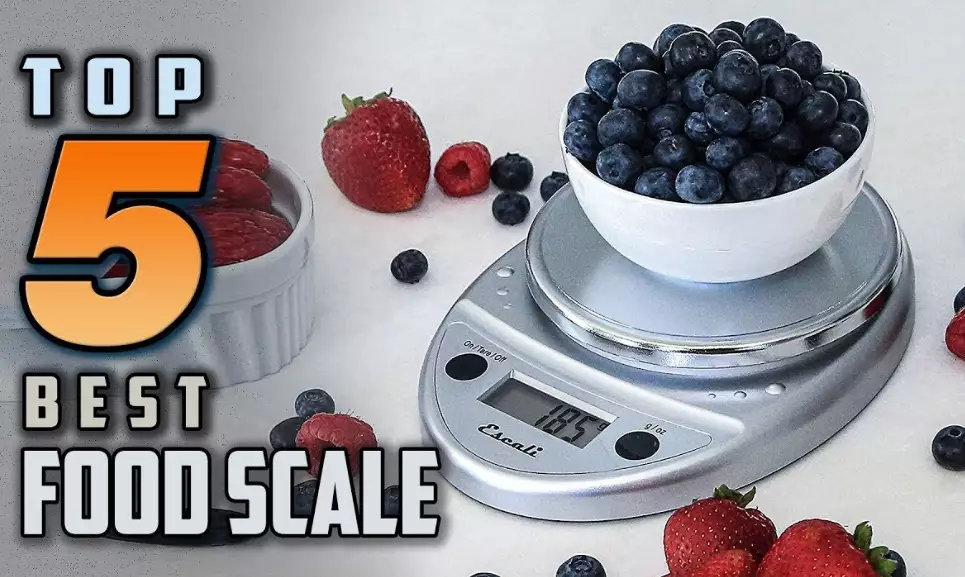
How to Choose the Best Food Scale for Weight Loss
Not all kitchen scales are created equal for dieting purposes. Here’s what to look for, beyond just a low price tag.
Precision is Everything: Grams and Ounces
For weight loss, you need a scale that measures in increments of 1 gram or 0.1 ounce. Why? Many calorie-dense foods like nuts, cheese, and oils are logged in small quantities. A scale that only measures in 5-gram increments will be useless for a teaspoon of olive oil or a sprinkle of Parmesan. Look for a readability of 0.1g/0.01oz for the best precision.
Capacity and Platform Size
A good capacity range is 5 kg or 11 lbs. This lets you weigh a large bowl of salad or a whole package of meat. The platform should be flat, stainless steel (for easy cleaning), and large enough to hold a small plate or a medium bowl. Avoid tiny platforms that force you to balance things precariously.
The Essential "Tare" Function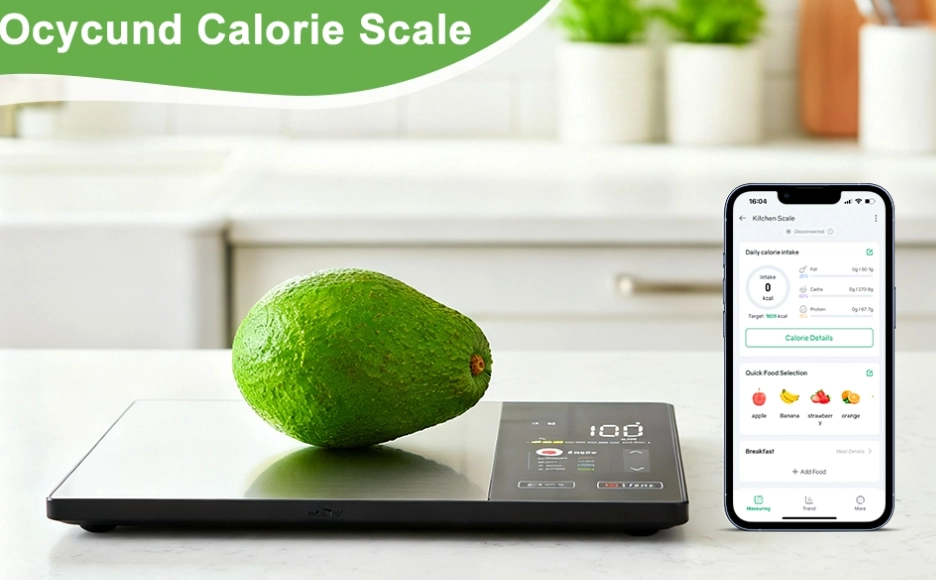
This is the button that resets the scale to zero with a container on it. You place your bowl on the scale, hit "Tare," and the display goes to 0. Then you add your food, and it shows only the weight of the food. This is crucial for weighing multiple ingredients in one bowl or for weighing food on your own plate. Don't buy a scale without this feature.
Display and Power
A backlit LCD screen is a game-changer in low-light kitchens. Scales typically run on AAA or lithium batteries. Consider one with an auto-off feature to save battery, but with a long enough timeout (2-3 minutes) so it doesn't shut off while you're prepping.
Ease of Cleaning
You'll use it daily. A removable, washable platform or a seamless design you can wipe down with a damp cloth is ideal. Textured surfaces can trap crumbs.
Top Food Scales for Weight Loss: Hands-On Reviews
Based on precision, reliability, and features that matter for dieters, here are my top picks. I've used or tested variations of all of these.
| Scale Model | Best For | Precision | Price Range | The Verdict |
|---|---|---|---|---|
| Etekcity Digital Kitchen Scale | Budget-Conscious Beginners | 1g / 0.1oz | $10 - $15 | Unbeatable value. Simple, accurate, and does the job. The platform is a bit small, and the buttons feel cheap, but you can't argue with the performance for the price. |
| GreaterGoods Digital Food Scale | Design & User Experience | 1g / 0.1oz | $15 - $25 | My personal daily driver. Has a sleek, larger platform, a bright blue backlight, and feels more premium. The company's customer service is excellent. The auto-off is a tad quick for my liking. |
| Ozeri Pronto Digital Scale | Ultra-Precise Tracking | 0.1g / 0.01oz | $20 - $30 | The go-to for macro-counters and fitness competitors. The 0.1g precision is unmatched for tiny quantities like spices or powders. The trade-off is a lower maximum capacity (usually 5 lbs/2 kg). |
| Escali Primo P115C | Durability & Simplicity | 1g / 0.1oz | $25 - $35 | A workhorse. Known for lasting years. It's straightforward, easy to clean, and very reliable. It lacks some bells and whistles (like a backlight), but it's a "set it and forget it" tool. |
| Smart Diet Scale with App Sync | Tech Integration | 1g / 0.1oz | $40 - $60 | Scales like the EatSmart Precision or others that sync via Bluetooth to an app. They can automatically log food weights. A nice idea, but in practice, I find the apps clunky and the feature not worth the premium for most people. Stick to manual logging. |
My general recommendation? Start with the GreaterGoods or Etekcity model. They offer 99% of the functionality you need without overcomplicating things. The Ozeri is a specialty tool for those who are deep into precision nutrition.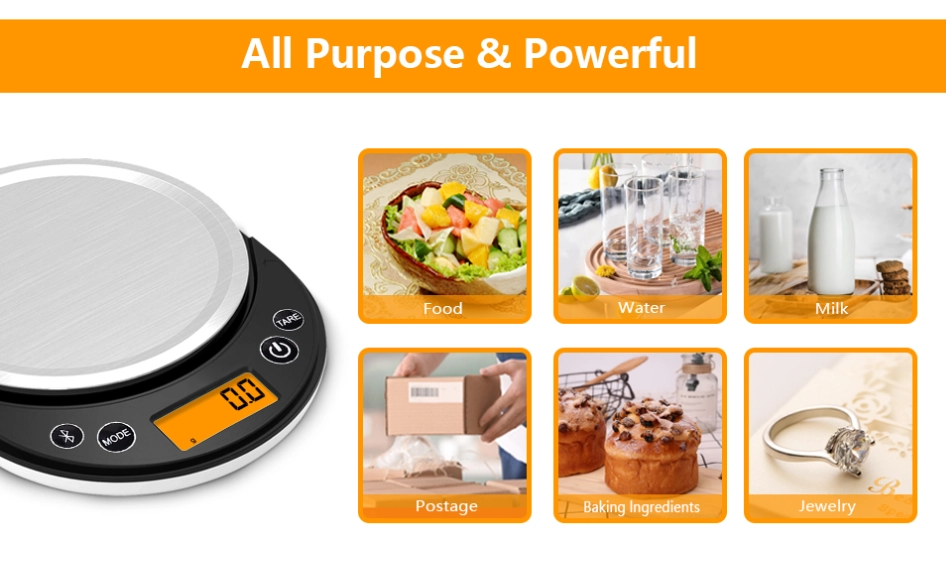
How to Use a Food Scale for Effective Weight Loss
Buying the scale is step one. Using it correctly is step two. Here’s a practical method.
Weigh everything in its raw state. This is the golden rule. Meat, poultry, and fish shrink when cooked due to water loss. A raw 4-ounce chicken breast might weigh only 3 ounces after grilling, but it still has the calories of 4 raw ounces. Nutritional data on packages is almost always for the raw weight. Weigh raw, then cook.
Use the tare function for everything. Making a smoothie? Bowl on scale > Tare > add spinach > Tare > add protein powder > Tare > add almond milk. The scale shows the weight of each new ingredient as you add it. No mental math.
Log by weight, not by "piece" or "cup." In your tracking app, search for "chicken breast, raw" and log the grams you weighed. Search for "almonds" and log 30 grams, not "24 almonds." This is infinitely more accurate.
Weigh your condiments. This is where people slip up. A "glug" of olive oil can be 100+ calories. Put your pan or spoon on the scale, tare it, then add the oil. You'll be shocked at the difference between 1 teaspoon (5g) and what you usually pour.
Let's walk through a real lunch: A turkey avocado wrap. You'd place your plate on the scale and tare it. Add the large tortilla (log 60g). Tare. Add sliced turkey (log 100g). Tare. Add cheese (log 30g). Tare. Add mashed avocado (log 50g). It takes 60 seconds and gives you a perfect log.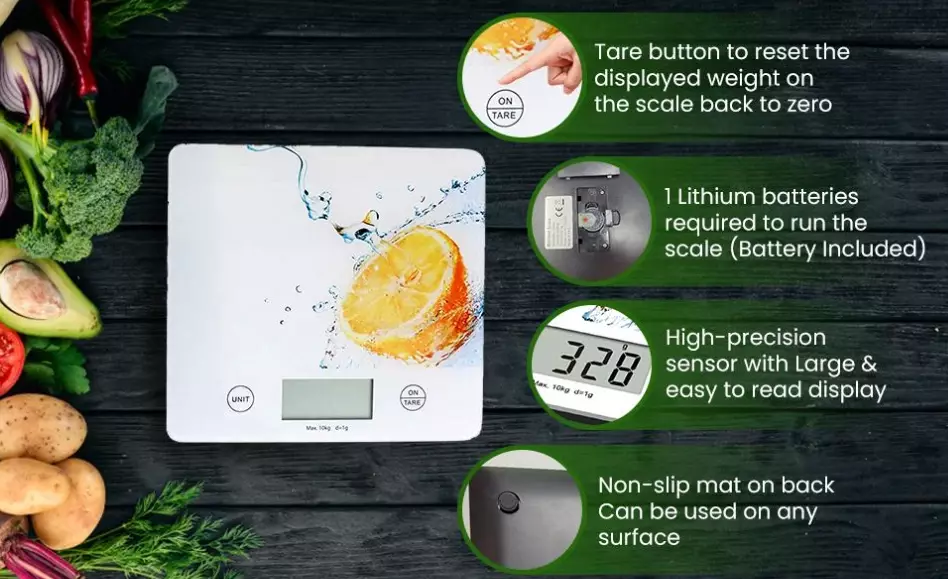
Common Food Scale Mistakes and How to Avoid Them
Even with the tool, people get it wrong. Here’s what to watch for.
Mistake 1: Placing the scale on an uneven surface. This throws off the calibration. Always use a flat, stable countertop. If the numbers drift, that's likely why.
Mistake 2: Not zeroing the scale before use. Turn it on, let it settle at 0, then place your container. If you place the bowl on a scale that's already on, it might not register correctly.
Mistake 3: Weighing hot pots or containers. Extreme heat can damage the scale's sensor. Let food cool slightly or transfer it to a room-temperature bowl for weighing.
Mistake 4: Ignoring the weight of packaging. That yogurt cup or cheese slice wrapper has weight. Use the tare function after putting the empty container on, or better yet, slide the food onto your plate to weigh it.
Mistake 5: Giving up because it feels tedious. The first week is the hardest. It becomes a quick, automatic habit—like brushing your teeth. The data and control you gain are worth the 30 extra seconds per meal.
Your Food Scale Questions, Answered
 Is a food scale really necessary if I just eat whole, healthy foods?
The right food scale turns weight loss from a frustrating mystery into a manageable science. It’s not about restriction; it’s about knowledge and precision. You learn exactly what your body is getting, and that knowledge is power. Pick a scale from the list above, start weighing for just one week, and you’ll see the difference in both your data and your confidence. The path to your goal weight is measured in grams, and now you have the tool to measure them.

Leave a Comment