I remember my first attempt at decorating a cake—it looked like a toddler’s art project. Buttercream was lumpy, fondant tore, and my piping resembled squiggly worms. But after years in bakery kitchens and teaching classes, I’ve picked up tricks that transform messy efforts into pro-level designs. Let’s cut through the fluff and get straight to what works.
What You'll Learn in This Guide
Essential Tools You Can't Decorate Without
You don’t need a fancy kitchen stocked with gadgets, but a few key items make a huge difference. I’ve seen bakers waste money on unnecessary tools, so here’s my pared-down list.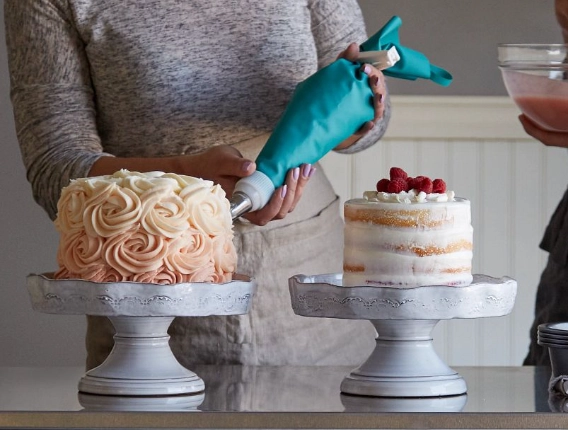
Must-Have Tools for Beginners
Start with these basics—they’re affordable and versatile. An offset spatula is non-negotiable; it gives you control for spreading buttercream. Get a 6-inch one for around $15. A bench scraper is another hero tool; use it for smoothing sides and creating sharp edges. If you’re on a budget, a large knife can substitute, but it’s trickier.
Piping bags and tips: skip the disposable plastic ones initially. Instead, buy a reusable cloth bag and a set of five basic tips (like Wilton #1M, #2A, #32). They cost about $20 total and last forever. A turntable? Nice to have, but not essential. I decorated cakes for years using a lazy Susan from my dining table.
Advanced Tools for Pros
Once you’re comfortable, invest in a good turntable—the Ateco 612 is my go-to for its weight and smooth spin. For fondant work, a rolling pin with thickness rings ensures even sheets. And an airbrush kit can elevate designs, but it’s a luxury; I only recommend it if you’re doing custom orders regularly.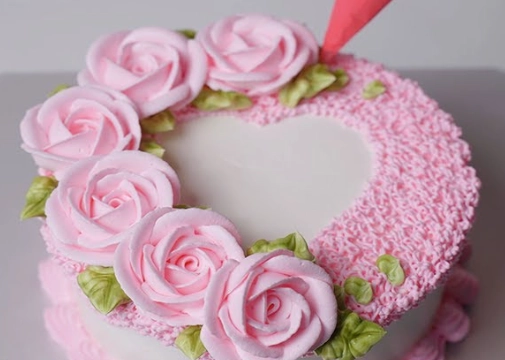
Here’s a quick table comparing tools by priority:
| Tool | Priority Level | Approx. Cost | Why It Matters |
|---|---|---|---|
| Offset Spatula | High | $10-$20 | Essential for spreading and smoothing |
| Bench Scraper | High | $5-$15 | Creates clean edges on buttercream |
| Piping Tips Set | Medium | $15-$30 | Enables detailed designs and borders |
| Turntable | Medium | $30-$60 | Improves efficiency and even coating |
| Fondant Smoother | Low | $8-$15 | Helps with fondant application |
Don’t fall for gimmicks like “cake decorating kits” with dozens of pieces—they often include low-quality items you’ll never use. Focus on mastering a few tools first.
Mastering Buttercream: The Foundation of Cake Decorating
Buttercream is where most decorators stumble. It’s not just about the recipe; it’s about technique. I’ll walk you through a step-by-step process that pros use, but with a twist—I’ll highlight the subtle errors beginners miss.
First, your buttercream consistency is crucial. Too stiff, and it’ll rip the cake crumbs. Too soft, and it won’t hold shape. Aim for a medium peak: when you lift the spatula, the buttercream should hold a soft curve but not slump. A common mistake? Using butter that’s too warm. Take it out of the fridge 30 minutes before, not hours.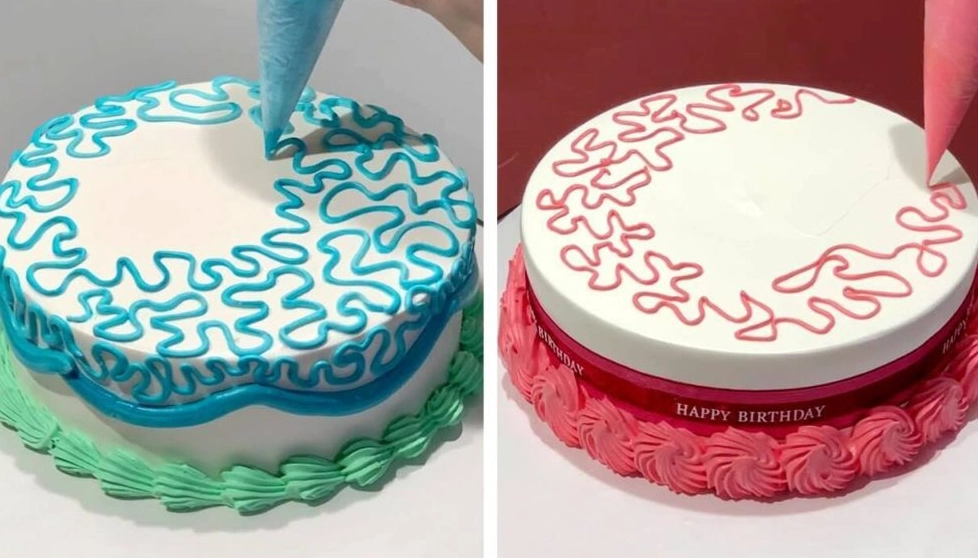
Start with a crumb coat—a thin layer to seal in crumbs. Chill the cake for 20 minutes after this. Many people skip chilling, but that’s why their final coat looks messy. Once chilled, apply a thicker layer. Use the bench scraper held at a 45-degree angle, turning the cake slowly. Dip the scraper in hot water and wipe dry between passes for a glass-smooth finish.
Here’s a pro tip nobody talks about: if your buttercream starts to sweat or look greasy, it’s probably too warm. Pop the cake back in the fridge for 10 minutes, then continue. I learned this the hard way during a summer wedding order; the cake looked perfect until it sat out and melted.
For colors, gel-based food coloring is best—liquid colors can thin the buttercream. Add a little at a time; you can always darken it, but lightening is tough. And if you’re doing ombre effects, mix shades in separate bowls first, then blend on the cake with a spatula.
Working with Fondant: Tips and Tricks
Fondant intimidates many, but it’s just practice. The key is preparation. Roll your fondant to about 1/8-inch thickness—any thinner, and it tears; thicker, and it looks bulky. Use cornstarch or powdered sugar to prevent sticking, but don’t overdo it, or the fondant dries out.
Before covering the cake, ensure the buttercream underneath is smooth. Any bumps will show through. Lift the fondant with a rolling pin and drape it over the cake. Smooth from the top down with your hands, then use a fondant smoother in circular motions. If you see air bubbles, prick them with a pin and smooth again.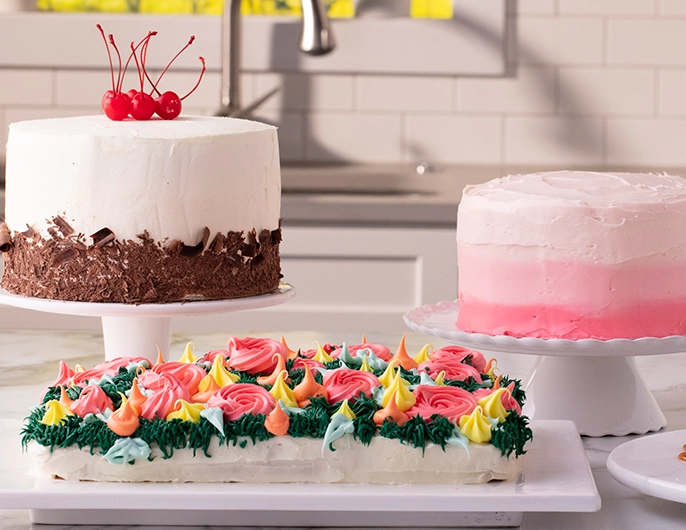
One subtle error: stretching the fondant to fit. This causes it to shrink back and crack at the edges. Instead, gently lift and reposition. For sharp edges, use a smoother or a ruler to define the sides. If the fondant cracks, knead in a pea-sized amount of vegetable shortening to add elasticity.
I once had a student who kept getting elephant skin—that wrinkled texture. It was because her cake was too cold, causing condensation. Let the cake come to room temperature before covering with fondant. And store fondant-covered cakes in a cool, dry place, not the fridge, unless absolutely necessary.
Piping Techniques for Stunning Designs
Piping is where creativity shines, but consistency is king. Start with the right bag fill: don’t overfill it, or you’ll lose control. Fill halfway, twist the top, and apply even pressure. Hold the bag at a 45-degree angle, and touch the tip to the surface before squeezing.
Practice on parchment paper first. Try basic shapes like dots, lines, and shells. For borders, use a star tip and pipe in a continuous motion. If your hand cramps—mine does after long sessions—take breaks. Shaky hands lead to wobbly lines.
Advanced piping involves layered designs. For roses, use a petal tip and start from the center, swirling outward. A mistake I see often: piping too fast. Slow down; let the buttercream flow naturally. And if you mess up, scrape it off and try again. Buttercream is forgiving.
Color changes? Use separate bags or a coupler system. But for home bakers, I recommend piping all one color first, then cleaning the tip for the next. It’s less wasteful. And always have a damp cloth to wipe tips between colors to avoid muddy mixes.
Common Mistakes and How to Avoid Them
Let’s be honest—we all make errors. But recognizing them early saves time and frustration. Here’s a list I’ve compiled from teaching hundreds of students.
- Rushing the process: Decorating takes time. If you hurry, the buttercream warms, fondant dries, and designs suffer. Plan for at least an hour per cake layer.
- Ignoring temperature: Cakes and tools should be cool. Warm environments cause buttercream to melt. Work in an air-conditioned room if possible.
- Overcomplicating designs: Start simple. A smooth buttercream cake with a few piped flowers looks more professional than a messy fondant sculpture.
- Not leveling the cake: Uneven layers lead to lopsided decorations. Use a serrated knife or cake leveler for flat tops.
- Using low-quality ingredients: Cheap food coloring can taste bitter. Invest in gel colors from brands like Americolor or Wilton.
I recall a cake I made for a friend’s birthday—I tried a intricate lace pattern but didn’t chill the buttercream first. It smeared, and I had to start over. Lesson learned: patience pays off.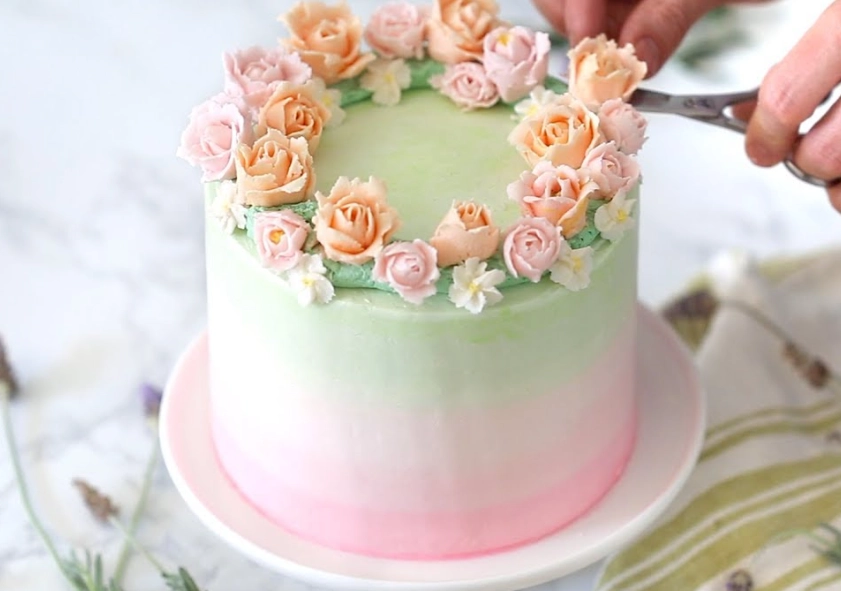
Your Cake Decorating Questions Answered
What's the biggest mistake beginners make when trying to smooth buttercream?
Most beginners rush the crumb coat or use buttercream that's too warm. If your buttercream isn't cold enough before you start smoothing, it'll tear and create air pockets. Chill the cake for at least 20 minutes after the crumb coat, and use a bench scraper dipped in hot water for a sharp edge. I've seen bakers skip this step and end up with a lumpy mess that requires extra layers, wasting time and ingredients.
Can I decorate a cake professionally without expensive tools?
Yes, you can. While tools like turntables help, you can start with basics: an offset spatula, a bench scraper (or even a large knife), and piping bags made from parchment paper. Focus on mastering techniques first; I've seen bakers create stunning designs with just a spoon and patience. In my early days, I used a glass bowl as a turntable—it worked fine for small cakes. The key is practice, not gear.
How do I prevent fondant from tearing or cracking on a cake?
Fondant cracks usually mean it's too dry or rolled too thin. Knead in a tiny bit of vegetable shortening to add elasticity, and roll it to about 1/8-inch thickness. Also, ensure your cake is evenly coated with buttercream—any bumps will show through and cause tears. If you're in a dry climate, cover the fondant with plastic wrap until you're ready to use it. I've found that brand matters too; Satin Ice fondant is more forgiving than some cheaper options.
What's a pro tip for piping designs that look clean and consistent?
Consistency in pressure is key. Practice on parchment paper first to get a feel for the bag. Hold the bag at a 45-degree angle, and squeeze from the top, not the middle. If your hand cramps, stop and rest—shaky hands lead to wobbly lines. I always keep a damp cloth nearby to wipe tips between colors. Another trick: pipe in a cool room; warm buttercream softens and loses shape quickly. For intricate work, chill the cake briefly so the buttercream sets faster.
Decorating cakes professionally isn’t about innate talent—it’s about learning the right methods and avoiding pitfalls. Start with these techniques, practice regularly, and don’t be afraid to make mistakes. Every cake is a chance to improve. If you hit a snag, refer back to this guide or join online communities like Cake Central for support. Happy decorating!

Leave a Comment