You want to start baking. The internet tells you to buy a million things. A stand mixer, a dozen piping tips, a fancy marble rolling pin. Hold on. Before you max out your credit card on gear you might use once, let's talk reality. I've been baking for over a decade, teaching classes, and watching beginners make the same costly mistake: buying tools for a fantasy version of baking, not the real, sometimes messy, always rewarding practice.
The secret isn't having every gadget. It's having the right few that do 90% of the work reliably. This list isn't about what's trendy on social media. It's the non-negotiable foundation I wish someone had handed me when I started, based on what actually prevents frustration and leads to success.
Your Quick Baking Tools Roadmap
- 1. The One Tool That Changes Everything: Digital Kitchen Scale
- 2. A Solid Set of Mixing Bowls
- 3. The Humble (But Mighty) Silicone Spatula
- 4. Measuring Cups & Spoons (For When You Must)
- 5. Half Sheet Pans & a Basic Cake Pan
- 6. Cooling Rack: The Unsung Hero
- 7. The Truth-Teller: An Oven Thermometer
- How to Choose Your First Tools: A Practical Guide
- What You Can Honestly Skip (For Now)
- Your Baking Tools Questions, Answered
1. The One Tool That Changes Everything: Digital Kitchen Scale
If you take one thing from this guide, let it be this. A digital kitchen scale is the single greatest upgrade you can make for consistency and accuracy. Measuring flour with cups is a guessing game. Dip-and-sweep, spoon-and-level—every method yields a different weight. A slight variation in flour can turn cookies from chewy to rocks.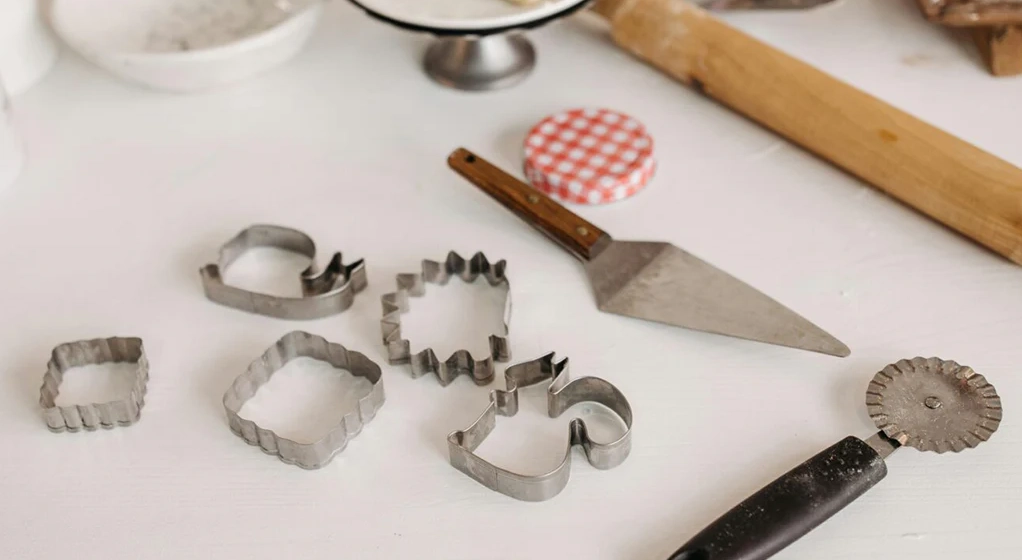
What to Look For:
A basic model that measures in grams and ounces, has a tare function (resets to zero so you can add multiple ingredients to the same bowl), and a capacity of at least 5kg (11lbs). Brands like OXO or Escali are workhorses. Expect to spend $20-$40. This isn't glamorous, but it's the cornerstone of professional baking for a reason.
I tell my students: your first successful, repeatable recipe will come from using a scale. It removes the biggest variable for a beginner.
2. A Solid Set of Mixing Bowls
You need vessels. A nested set of three bowls (small, medium, large) in stainless steel or glass is perfect. Avoid plastic for anything involving fat (like creaming butter and sugar), as it can retain grease and odors. Glass bowls are great because you can microwave ingredients to soften butter or melt chocolate. Stainless steel is virtually indestructible and light.
Look for bowls with a non-slip bottom or a rubber base. There's nothing more heart-stopping than a bowl spinning wildly across the counter as you try to whisk.
3. The Humble (But Mighty) Silicone Spatula
Not all spatulas are equal. You want a heat-resistant silicone head that won't melt or stain, attached to a comfortable handle. This tool folds batters, scrapes every last bit of cake mix from the bowl (waste not, want not), and is gentle enough for egg whites.
Get one with a somewhat stiff edge. The floppy ones are useless for folding. This is a $10 tool you'll use in every single baking session.
4. Measuring Cups & Spoons (For When You Must)
Even with a scale, you'll need these for small amounts of liquids (vanilla extract, food coloring) or recipes from older cookbooks that only use volume. Get a clear liquid measuring cup with spouted measurements (1-cup and 2-cup sizes are handy). For dry measures, avoid the cute novelty ones; look for sturdy, flat-topped cups you can level off with a knife.
5. Half Sheet Pans & a Basic Cake Pan
For cookies, roasting nuts, baking sheet cakes: you need a good, rimmed baking sheet. In the restaurant world, the standard is the half-sheet pan (approximately 18" x 13"). It fits in most home ovens. Buy two. Look for heavy-gauge aluminum—it distributes heat evenly, preventing hot spots that burn cookies. The cheap, thin ones warp in the heat, creating pools of grease or uneven baking.
For cakes, start with one 9-inch round cake pan with at least 2-inch sides. Aluminum or aluminized steel is best. Again, avoid the flimsy stuff. A dark non-stick pan can cause over-browning; if you get one, you may need to lower your oven temperature by 25°F.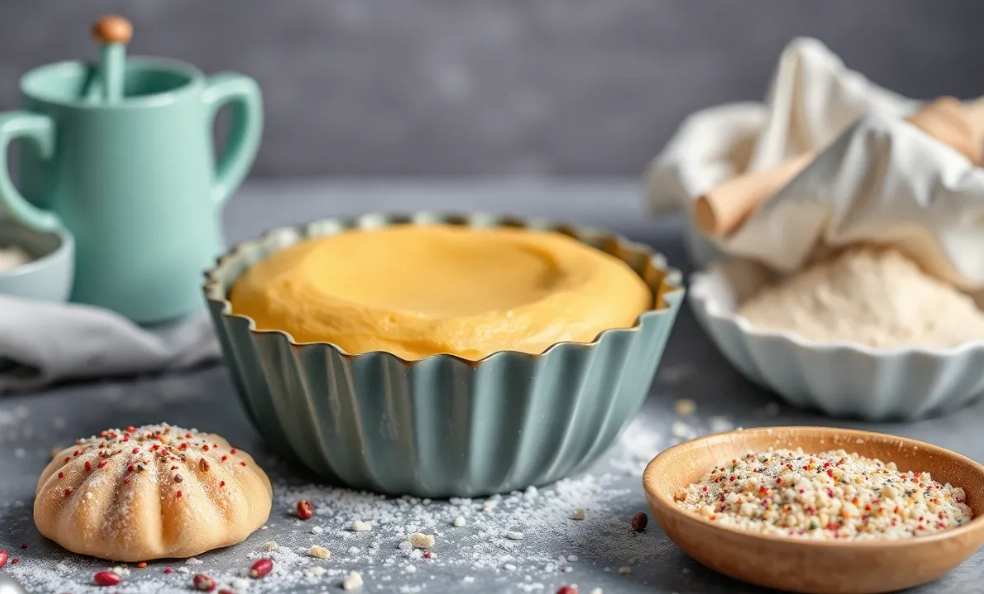
6. Cooling Rack: The Unsung Hero
Pulling a pan from the oven and setting it on the counter traps steam. That steam makes cookies soggy, cake edges wet, and pastry crusts soft. A simple wire cooling rack allows air to circulate, stopping the cooking process evenly and giving you the perfect texture.
One large rectangular rack is sufficient. Just make sure the grid is fine enough to support small cookies.
7. The Truth-Teller: An Oven Thermometer
Here's a dirty little secret: most home ovens lie. They can be off by 25, 50, even 75 degrees. You can follow a cookie recipe perfectly, only to have them burn or under-bake because your oven's "350°F" is actually 380°F. A simple, analog oven thermometer hanging from a rack tells you the real temperature. It's a $10 insurance policy against baking frustration.
Preheat your oven with the thermometer inside for at least 20 minutes. Adjust your oven dial until the thermometer reads the correct temperature. This one habit will improve your results overnight.
How to Choose Your First Tools: A Practical Guide
Budget is real. You don't need to buy everything from a high-end culinary brand. Here’s a breakdown of where to invest and where to save.
| Tool | Priority | Budget Pick Tip | Where to Invest More |
|---|---|---|---|
| Digital Scale | High | Any basic digital model with good reviews. Accuracy matters more than features. | If you bake a lot, a model with a longer auto-off timer or a pull-out display is nice. |
| Baking Sheets | High | A restaurant supply store. You can get commercial-grade half-sheet pans for less than fancy retail brands. | Heavy-gauge aluminum is the investment. Avoid coated non-stick for general use; it scratches. |
| Mixing Bowls | Medium | IKEA or Target sets are perfectly fine. Just ensure they're stable. | Glass (Pyrex) if you want microwave versatility. |
| Cake Pan | Medium | A basic 9-inch aluminum round pan from a supermarket. | Light-colored, anodized aluminum pans (like from USA Pan) provide excellent, even browning. |
Don't buy a "beginner's baking kit" from a big-box store. They're packed with useless items (mini tart shapers, decorative stamps) and skimp on the quality of the essentials. Assemble your own kit piece by piece.
What You Can Honestly Skip (For Now)
Stand Mixer. Yes, I said it. It's a dream machine, but for your first 6 months, a sturdy bowl, a whisk, and a wooden spoon will build your intuition for how batters and doughs come together. You can make incredible cookies, brownies, muffins, and quick breads by hand. Wait until you're sure you love baking before dropping $300+.
A rolling pin with guides. Those little rings on the side that promise perfect thickness? They collect dough and are more hassle than help. A simple, straight wooden or French-style rolling pin (without handles) gives you more control by feel.
Every single cookie cutter shape. Start with one round cutter, or just use a glass. Master drop cookies (scooped with a spoon) first.
Specialty pans (bundt, muffin, loaf). Borrow one if you have a specific recipe, or use disposable aluminum ones from the grocery store for a test run before committing.
Your Baking Tools Questions, Answered
Starting to bake should feel exciting, not overwhelming. With these seven core tools, you're not just buying objects; you're buying confidence. You're setting up a kitchen space where recipes work because the fundamentals are solid. Skip the influencer-endorsed unicorn-shaped sprinkle dispensers. Grab a scale, a good pan, and start with a simple chocolate chip cookie recipe. That first batch of something you made yourself, that actually tastes good, is the real magic. The tools are just there to help you get there without the headache.

Leave a Comment