Let's be honest. The idea of easy baking with kids often feels like a beautiful lie sold on Pinterest. You picture smiling faces dusted with flour, pulling perfect cookies from the oven. The reality? Eggshell in the batter, a cup of sugar on the floor, and a meltdown because someone can't lick the spoon right now. I've been there. After a decade of baking with my own two (who are now surprisingly competent kitchen helpers) and running cooking classes for families, I can tell you this: the magic is real, but it doesn't come from perfection. It comes from embracing the glorious, sticky, imperfect process. And yes, you can keep most of the flour in the bowl.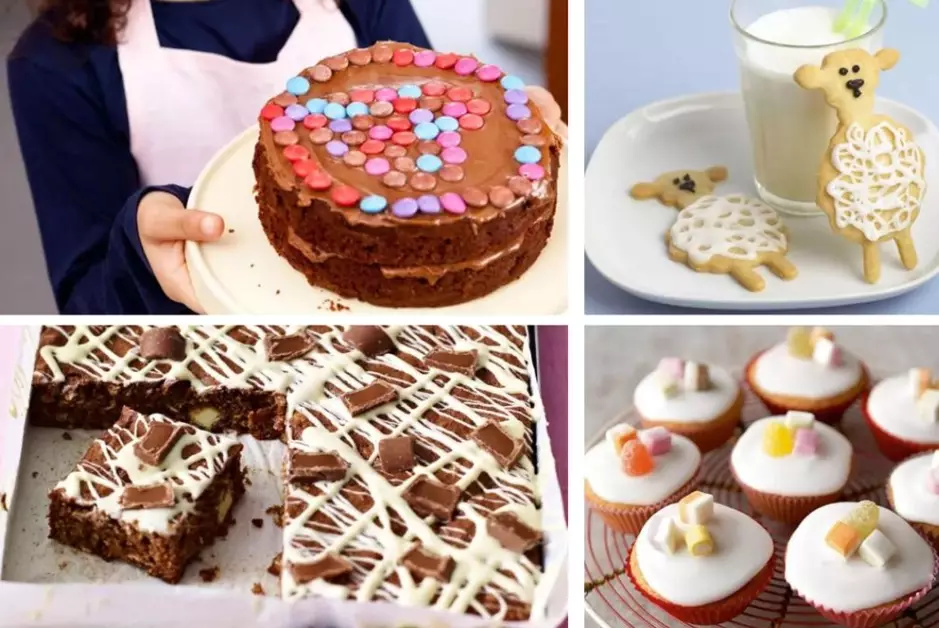
What's Inside This Guide?
Why Bother? (The Real Benefits Beyond the Mess)
It's not just about the snack at the end. When you strip away the pressure for a photogenic outcome, baking with kids becomes a powerhouse activity. Think of it as stealth learning. They're practicing math (measuring, fractions), science (watching ingredients transform), reading (following steps), and fine motor skills (pouring, stirring). The USDA's MyPlate resources even suggest cooking together as a way to encourage healthier eating habits.
But the biggest win? Connection. In our screen-filled world, baking is a tangible, shared project with a delicious reward. It builds confidence. I'll never forget the look on my four-year-old's face when she proudly served "her" lumpy muffins. That pride beats a clean kitchen any day.
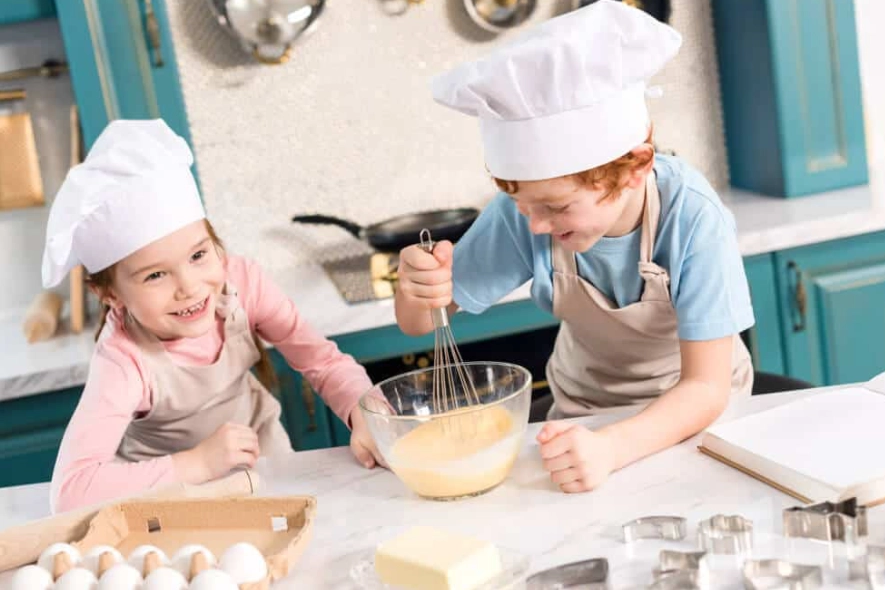 The goal isn't a flawless cake. It's a child who feels capable.
Your #1 Tool Isn't in the Drawer: Mindset & Prep
Forget fancy mixers. Your most important ingredient is your attitude. Go in expecting mess and minor disasters. Your job is to guide, not control. If the cookie shapes are abstract blobs, call it modern art.
Now, practical prep. This is where "easy baking with kids" becomes a reality.
The "Before Kids Enter" Setup
Clear the counter. Really clear it. Put away anything fragile or unrelated. Lay out a big, washable mat or even an old shower curtain under the work area. This catches 80% of spills in one easy-to-clean bundle.
Mise en place is your holy grail. Measure ALL ingredients into small bowls or cups before you call the kids over. This turns the process into a fun assembly line and prevents the chaos of measuring with eager, shaky hands. Trust me on this one.
Dress for success. Aprons are cute, but old t-shirts work better. Have a damp cloth handy for sticky hands before they touch hair, walls, or siblings.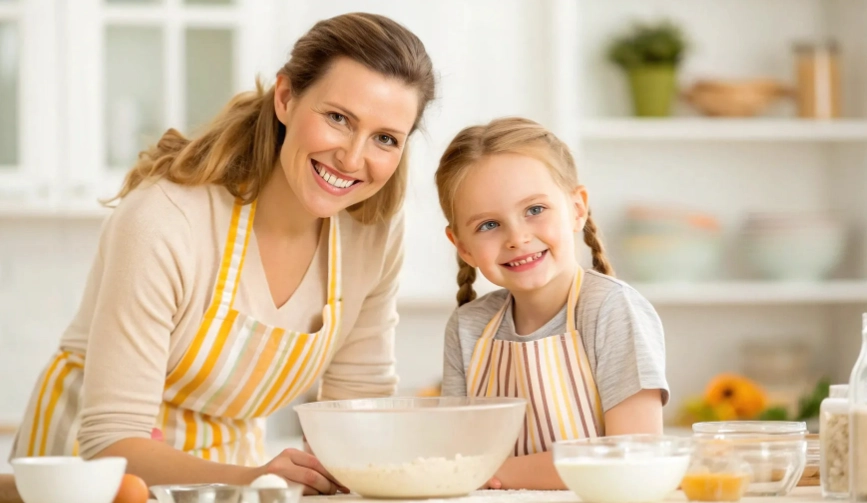
Who Does What? A No-Stress Age Guide
Nothing kills the fun faster than asking a toddler to crack an egg or a preschooler to wait patiently for 20 minutes of mixing. Assign jobs they can genuinely succeed at. This table is my go-to guide from years of trial and error.
| Age Group | Perfect Tasks (The "I Did It!" Jobs) | Tools & Tips |
|---|---|---|
| Toddlers (2-3) | Pouring pre-measured ingredients. Sprinkling toppings (sprinkles, oats). Smashing bananas or graham crackers in a bag. Using a cookie stamp or press. | Give them their own small bowl and spoon to "mix." Use sturdy, non-slip bowls. Expect a 50/50 split between bowl and floor. |
| Preschoolers (4-5) | Scooping and leveling dry ingredients. Stirring (thick batters are best). Using a blunt plastic knife to cut soft fruits/butter. Decorating with pre-piped icing or spreads. | Introduce a small, lightweight rolling pin. Let them crack eggs into a separate bowl—you can fish out shells later. Praise the effort, not the precision. |
| Big Kids (6+) | Reading the recipe steps. Measuring liquids. Kneading simple doughs. Using a hand mixer with close supervision. Rolling and cutting cookie shapes. | Teach them the "claw" grip for safer cutting with a real (but small) knife. Start explaining the "why" behind steps (e.g., "We cream butter and sugar to add air."). |
See? Baking with toddlers isn't about them doing the whole recipe. It's about giving them one or two specific, manageable jobs that make them feel included.
Two "No-Mess" Starter Recipes That Actually Work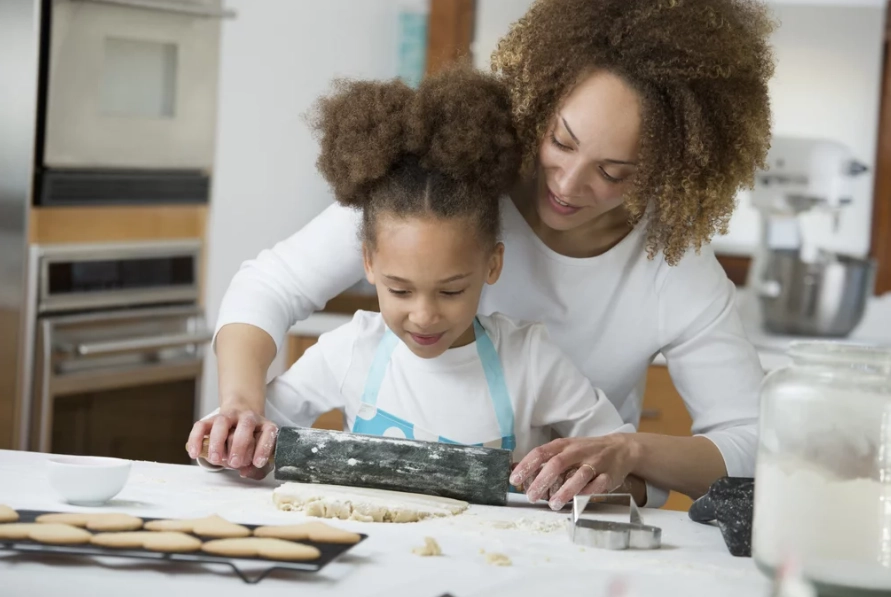
These are my battlefield-tested, maximum-joy, minimum-fuss recipes. They're forgiving, fast, and designed for little hands to own the process.
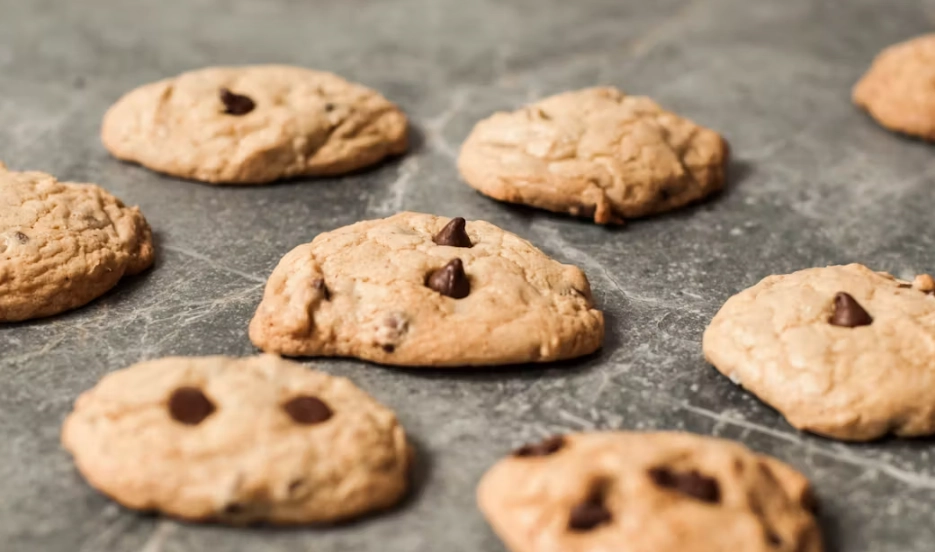
1. No-Roll, No-Chill "Monster" Cookie Drops
This is the ultimate easy baking recipe for kids. No rolling pins, no waiting for dough to chill. The texture is forgiving, and add-ins are customizable.
The Kid-Friendly Method: Preheat oven to 350°F (175°C). Line a baking sheet with parchment paper (another mess-saver!). In a big bowl, let your child scoop in the peanut butter and sugar. They can mix with a sturdy spoon—it's a workout! Add the egg and baking soda, mix until combined. Fold in handfuls of their chosen "monster" mix-ins. Using a spoon or their hands, drop rough tablespoon-sized balls onto the sheet. No need to be neat. Bake for 8-10 minutes until just set. They'll look soft but firm up as they cool.
Why it works: One bowl, no raw flour concerns (if you use heat-treated oats), and the dough is edible without eggs if you use a pasteurized egg substitute. Instant gratification.
2. Personal-Sized English Muffin Pizzas
Not sweet, but a huge hit. It's more assembling than baking, which is perfect for young kids.
Split English muffins and let each child top their own with sauce, cheese, and pre-cut toppings (pepperoni slices, olives, bell pepper strips). This is fantastic for practicing spreading and distributing. Bake at 375°F (190°C) for 8-10 minutes until bubbly. They get ownership over their creation, and it's a full meal.
Expert Tips & Mistakes You're Probably Making
Here's where that decade of experience comes in. I see the same well-intentioned errors again and again.
Mistake #1: Choosing a complex, multi-step recipe. You're setting everyone up for frustration. Stick to recipes with fewer than 6-7 ingredients and one main bowl. Repetition is good—kids love making the same thing better each time.
Mistake #2: Taking over to "fix" things. So the eggshell went in the batter. Let your child try to fish it out with a spoon. The measuring was heaping, not level? The cookies will just be a bit cakier. Intervene only for true safety hazards.
My non-consensus tip: Let them get messy with raw dough (safely). The fear of raw flour and eggs is valid, but it creates anxiety. For recipes that are safe to taste (like the peanut butter cookies above or a vegan batter), lean into it. For others, use the opportunity to teach food safety: "This one has raw egg, so we just mix. Our reward is the baked treat!" Then, give them a small piece of store-bought cookie dough to satisfy the craving. It removes the power struggle.
Clean-up is part of the activity. Make it a game. Who can wipe their station cleanest? The faster we clean, the sooner we eat. It's a life skill.
Your Real-Life Baking Questions, Answered
How do I bake with a toddler and a baby at the same time?
My child is a picky eater. Will baking get them to try new things?
 What's a good first recipe for a child who wants to use a "real" knife?
How can I make cleanup truly faster?
The kitchen will be messy. There will be moments you question your sanity. But when your child beams and says, "I made this all by myself," and you share something warm and homemade, you'll realize the flour on the floor was a small price to pay. You're not just baking cookies. You're baking confidence, memories, and maybe a future helper who knows their way around a kitchen. Start simple, laugh often, and savor the results—both the edible and the intangible ones.
Leave a Comment