Let's be honest. The idea of baking Christmas cookies is magical. The reality? Sometimes it's a kitchen covered in flour, butter that's either rock hard or a puddle, and cookies that spread into one giant, unrecognizable blob. I've been there. After fifteen years of holiday baking—some triumphs, many hilarious failures—I've learned what actually works. This isn't just a list of recipes. It's your roadmap to avoiding the common pitfalls and creating cookies that look and taste incredible, without the last-minute panic.
Quick Navigation: What's Inside This Guide
The Three Unbeatable Classic Christmas Cookie Recipes
You don't need fifty recipes. You need a few fantastic, reliable ones that cover all the bases: a cut-out cookie for decorating, a spiced cookie full of flavor, and a rich, simple one that's impossible to mess up. These three are my absolute workhorses.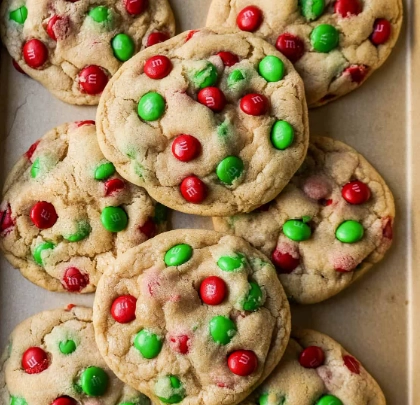
1. The Ultimate Roll-Out Sugar Cookie
This is your blank canvas. The goal here is a cookie that holds its shape when baked, has a tender but sturdy crumb, and a mild, buttery flavor that plays well with icing. The secret weapon? A touch of almond extract. It doesn't taste like almonds; it just adds a deeper, more complex sweetness that makes people ask, "What's in these?"
Ingredients: 1 cup (226g) unsalted butter (cool room temp), 1 cup (200g) granulated sugar, 1 large egg, 1 tsp vanilla extract, ½ tsp almond extract, 3 cups (360g) all-purpose flour (spooned & leveled), ½ tsp baking powder, ¼ tsp salt.
Method: Cream butter and sugar until just combined and smooth—don't whip it full of air. Beat in egg and extracts. Whisk dry ingredients in a separate bowl, then add to wet mix on low speed until the dough just comes together. Divide into two discs, wrap, and chill for at least 2 hours. Roll to ¼" thickness, cut, bake at 350°F (175°C) for 8-10 minutes until set but not brown.
2. Deeply Spiced Gingerbread Cookies
A good gingerbread should have a snap, not be cakey. It needs molasses for color and depth, and a bold hit of spice. I use a blend of ginger, cinnamon, cloves, and a pinch of black pepper for a little warmth. This dough is sturdier and often easier for beginners to roll out.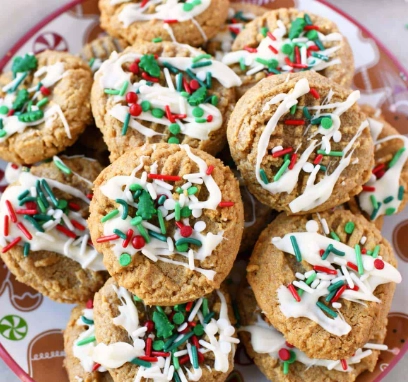
3. Simple Shortbread with a Twist
The beauty of shortbread is its ratio: 3 parts flour, 2 parts butter, 1 part sugar. It's foolproof. For Christmas, I press the dough into a pan, score it into fingers, prick with a fork, and bake low and slow (325°F/160°C) until pale gold. After baking, I drizzle with dark chocolate and sprinkle with crushed candy canes or sea salt.
| Cookie Type | Best For | Key Success Factor | Make-Ahead Tip |
|---|---|---|---|
| Roll-Out Sugar | Decorating, shapes, kids' activities | Dough must be thoroughly chilled | Dough freezes beautifully for 3 months |
| Gingerbread | Strong flavor, sturdy builds (gingerbread houses) | Don't overbake; it hardens as it cools | Baked cookies stay fresh for 2+ weeks in a tin |
| Shortbread | Elegant simplicity, gifting, last-minute baking | Cool butter, don't overwork the dough | Baked and cooled shortbread freezes perfectly |
How to Make Perfect Christmas Cookie Dough (Every Time)
This is where most trips to cookie town go off the rails. Let's fix that.
Butter Temperature is Not a Suggestion
"Room temperature" butter should be cool to the touch but yield slightly when pressed. About 65°F (18°C). If your finger sinks in easily, it's too warm. Why does it matter? Warm butter creates thin, greasy cookies that spread. Cold butter won't cream properly. I take my butter out of the fridge, cut it into tablespoons, and let it sit for 20-30 minutes. That's usually the sweet spot.
The Flour Measuring Trap
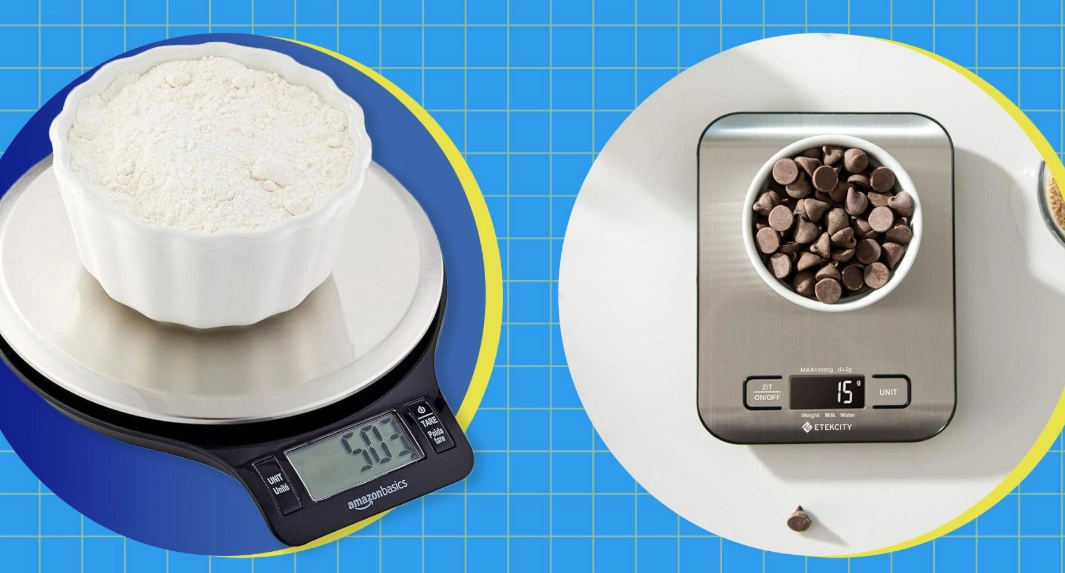
The most common mistake I see? Scooping the measuring cup directly into the flour bag. This packs in up to 25% more flour, leading to dry, crumbly dough that can still spread oddly because the ratio is off. Always, always spoon the flour lightly into your measuring cup and level it off with a knife. For absolute precision, a kitchen scale is a game-changer (360g for 3 cups of all-purpose flour).
Chilling: The Non-Negotiable Step
Chilling does three things: it solidifies the butter (preventing spread), hydrates the flour evenly (for tender texture), and makes the dough easier to handle. Your 30-minute chill isn't enough. Two hours is the minimum for roll-out cookies. Overnight is even better. The flavor deepens.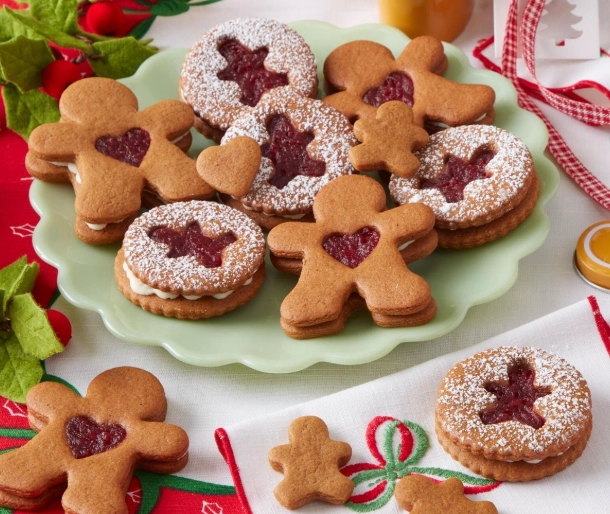
Cookie Decorating Secrets for Non-Artists
You don't need to be Picasso. A few simple techniques look stunning.
Royal Icing Without the Fear
Royal icing intimidates people. It shouldn't. The base is simple: powdered sugar, meringue powder (a safe, shelf-stable alternative to raw egg whites—find it in the baking aisle or online), and water. The magic is in the consistency.
- Outline Consistency: Thick like peanut butter. It should hold a peak for a second before melting back. Use this to pipe borders.
- Flood Consistency: Thin it with a few more drops of water. When you drizzle a line back into the bowl, it should disappear completely in 8-10 seconds. Use this to fill the bordered areas.
Outline a cookie, then immediately flood inside the border. Use a toothpick to guide the icing into corners. Let it dry completely (4-6 hours) before adding details.
Simple Decorating Wins
Before the icing sets, sprinkle with sanding sugar, nonpareils, or edible glitter. Or, after the base flood layer dries, add simple dots, lines, or stripes with a contrasting color. A drizzle of melted chocolate or a simple glaze (powdered sugar + milk) can look elegant with zero piping skill.
I keep my decorating tools stupidly simple: a few disposable piping bags, couplers, and tips #2, #3, and #5. That's it. For flooding, I often just use squeeze bottles.
Your Top Christmas Cookie Questions Answered

The real goal of holiday baking isn't perfection. It's the smell in your kitchen, the flour on your sweater, and the joy of sharing something you made. With these recipes and tips, you can spend less time troubleshooting and more time enjoying the season. Now, go preheat your oven.
Leave a Comment