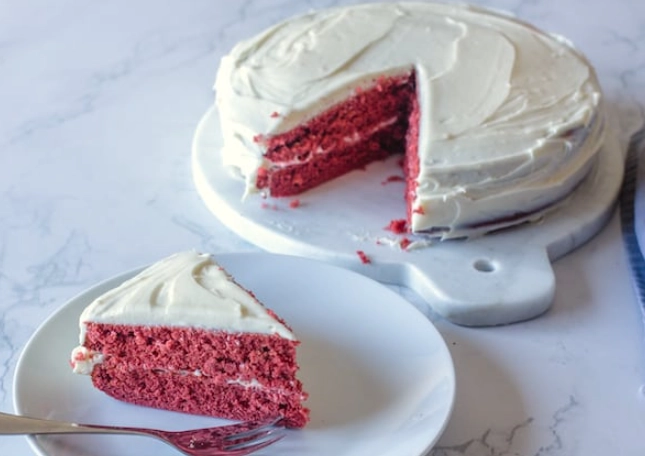
You're craving that iconic red velvet cake—the one with the subtle cocoa flavor, the tangy hint, and that impossibly tender, velvety crumb. But your recipe calls for buttermilk, and you don't have any. Don't run to the store. Don't abandon your baking plans. The secret to a perfect red velvet cake isn't the buttermilk itself; it's the acidic reaction it provides. And you can replicate that with two ingredients already in your kitchen. I've baked this cake for over a decade, and this no-buttermilk version is the one I make most often. It's simpler, just as delicious, and solves the number one problem home bakers face.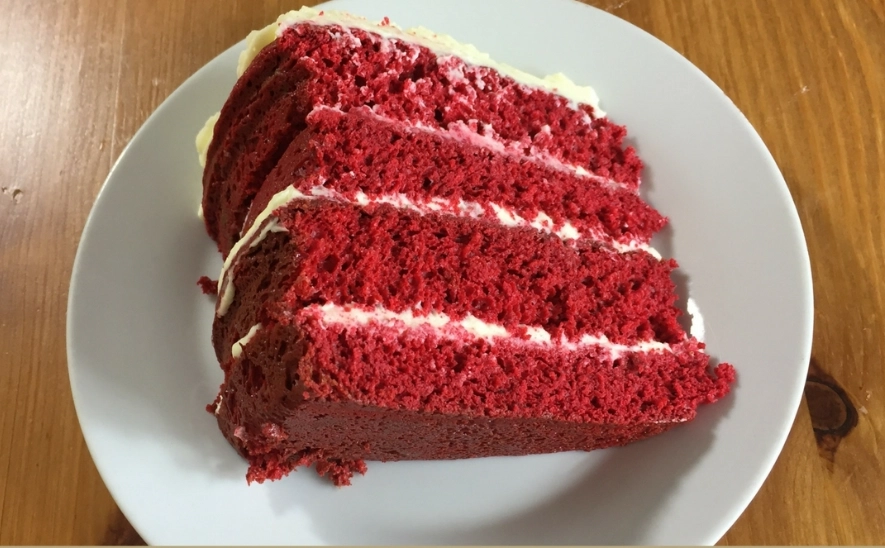
What You'll Find Inside
Why This No-Buttermilk Trick Works (It's Not Just About the Tang)
Most recipes will tell you buttermilk adds tang. That's true, but it's only half the story. The real magic is chemistry. The acid in buttermilk (or our vinegar-milk substitute) does three critical things:
- Reacts with Baking Soda: This creates bubbles of carbon dioxide, giving the cake its lift and airy texture. Without enough acid, your cake will be dense.
- Tenderizes the Gluten: The acid weakens gluten strands, ensuring that "velvet" texture instead of a chewy bread-like one. This is where overmixing can ruin everything—more on that later.
- Enhances the Red Color: This is the lesser-known trick. The acidic environment intensifies the reaction between the cocoa and the food coloring, giving you a deeper, truer red without using a whole bottle. According to the Hersheyland test kitchen, natural cocoa (which is acidic) works better here than Dutch-processed.
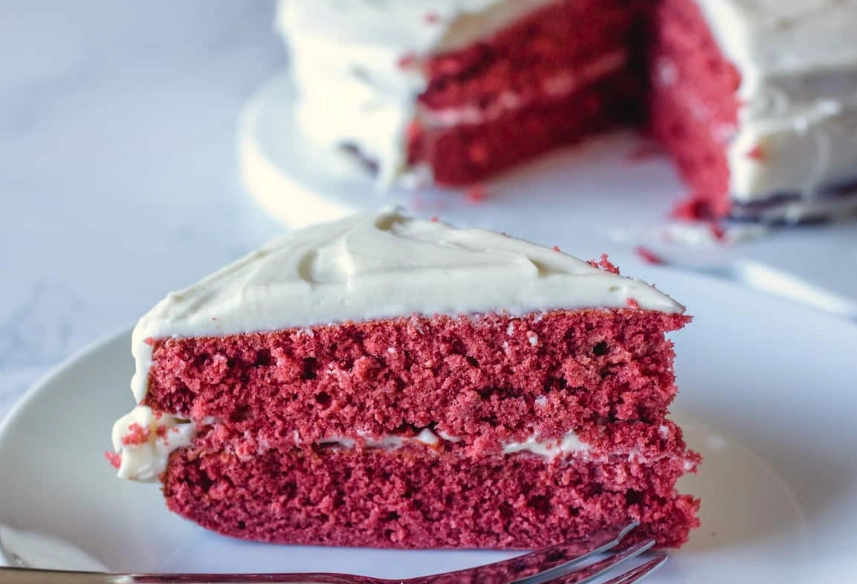
My personal take: I think many traditional recipes overcomplicate things. You don't need a cultured dairy product for a one-time chemical reaction. White vinegar or even lemon juice with whole milk creates the exact same pH environment needed. I've done side-by-side taste tests, and the difference is negligible to anyone but a professional pastry chef.
Your Simple Ingredient List & Smart Substitutions
Here’s everything you need. I’ve included a table of possible substitutions because flexibility is key for a stress-free bake.
| Ingredient | Role in the Cake | Best Substitution If Needed |
|---|---|---|
| All-purpose flour (2 ½ cups) | Structure. Don't use cake flour here; you need the protein. | For a slightly denser, moister cake, you can swap ½ cup with whole wheat pastry flour. |
| Unsweetened cocoa powder (2 tbsp) | Flavor & color base. Use natural, not Dutch-process. | In a pinch, black cocoa (1 tbsp) can deepen the color, but it's less acidic. |
| Baking soda (1 tsp) | Leavening agent. Reacts with the acid for rise. | No direct sub. Ensure it's fresh (test by dropping in vinegar—it should fizz). |
| Salt (1 tsp) | Flavor enhancer. Balances the sweetness. | Fine sea salt or table salt. Don't skip it. |
| Unsalted butter (½ cup), softened | Fat for tenderness and flavor. | An equal amount of vegetable oil will make an even moister, but slightly denser, cake. |
| Granulated sugar (1 ½ cups) | Sweetness, tenderness, and helps with browning. | You can use caster sugar. I don't recommend brown sugar—it alters the flavor profile. |
| Eggs (2 large), room temp | Bind the batter and add structure. | For dairy-free, use a flax egg? Not here. The structure is too important. Stick to eggs. |
| Vanilla extract (1 tsp) | Flavor. Use the real stuff. | Vanilla bean paste (½ tsp) or almond extract (¼ tsp) for a different note. |
| Whole milk (1 cup) | Liquid base for our "buttermilk." | Any full-fat milk. For dairy-free, unsweetened soy or oat milk works best. |
| White vinegar (1 tbsp) | The acid that creates our "buttermilk." | Apple cider vinegar or fresh lemon juice. |
| Red food coloring (1-2 tbsp) | For the iconic color. Gel is more potent than liquid. | For a natural hue, try beet powder (2-3 tbsp), but the color will be muted and pinkish-brown. |
See? No weird ingredients. The vinegar might raise an eyebrow, but I promise you won't taste it. It's all about the chemical reaction.
The Foolproof Step-by-Step Process
This isn't a dump-and-stir recipe. The order matters to build the right texture.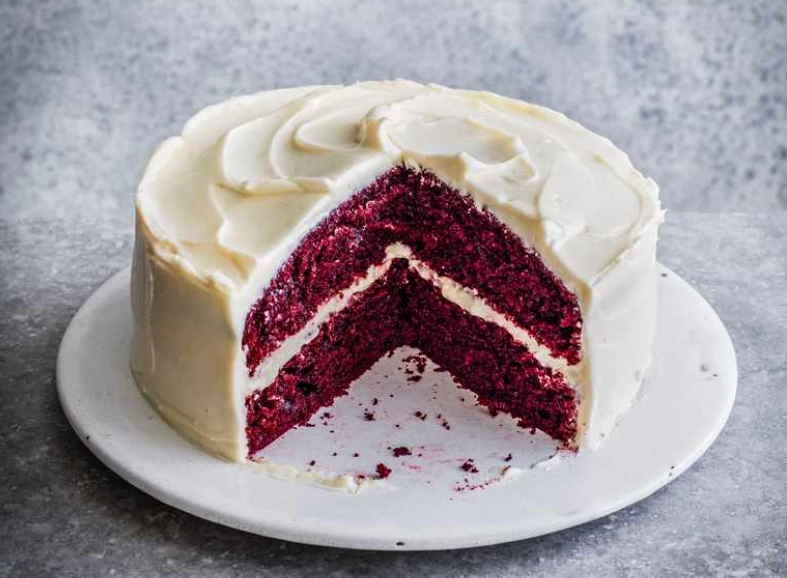
1. Make Your "Buttermilk" and Prep
First thing: take that tablespoon of vinegar, add it to your one cup of milk, and give it a stir. Let it sit for 5-10 minutes. You'll see it curdle slightly—that's perfect. It's now acidic and ready. While that sits, preheat your oven to 350°F (175°C). Grease and flour two 9-inch round cake pans. I line the bottoms with parchment paper circles. It's an extra step, but it guarantees a clean release every single time.
2. The Dry Team & The Wet Team
In a medium bowl, whisk together the flour, cocoa powder, baking soda, and salt. Get them really combined. This aerates the flour and ensures the leavening is evenly distributed. No one wants a bite of pure baking soda.
In a large bowl, cream the softened butter and sugar. This is crucial. Cream for a good 3-4 minutes with an electric mixer until it's pale, fluffy, and almost white. Don't rush this. Those tiny air bubbles are part of your cake's lift. Then beat in the eggs, one at a time, followed by the vanilla and the red food coloring. The batter will look a bit grainy and very red—that's fine.
3. The Final Mix (Where Most People Go Wrong)
Here's the delicate part. Add about one-third of your dry flour mixture to the red butter mixture. Mix on low just until incorporated. Now add half of your soured milk. Mix. Another third of the flour. Mix. The last of the milk. Mix. Finally, the last of the flour.
The golden rule: Once you add flour, mix only until you no longer see dry streaks. Overmixing at this stage develops gluten, and your beautiful velvet cake turns into a red brick. I stop the mixer when there's still a faint streak or two and finish folding by hand with a spatula.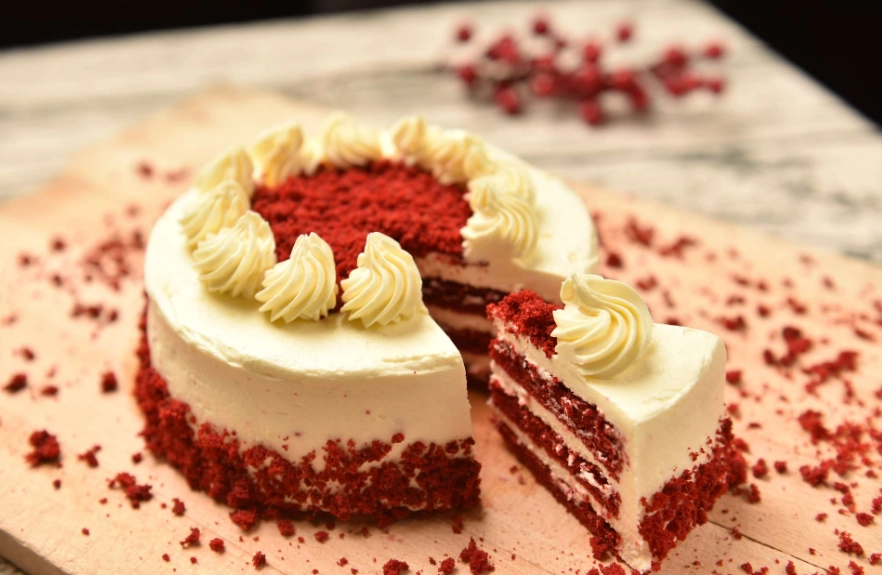
4. Bake & Cool
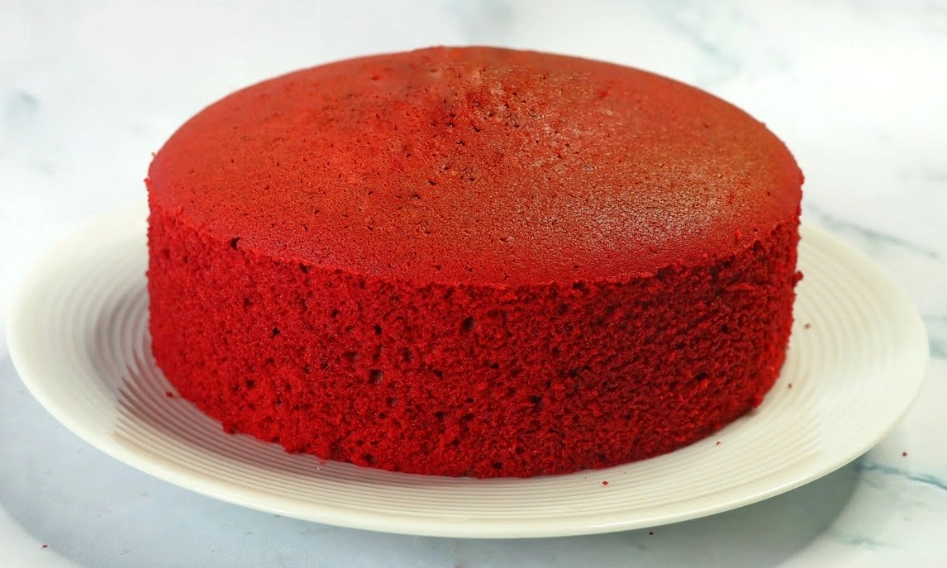
Divide the batter evenly between your pans. Smooth the tops. Bake for 25-30 minutes. Start checking at 25. The cake is done when a toothpick inserted into the center comes out with a few moist crumbs clinging to it, not clean. Clean means it's overbaked and will dry out.
Let the cakes cool in the pans on a wire rack for 10 minutes. Then run a knife around the edge and invert them onto the rack to cool completely. Do not frost warm cakes. The frosting will melt into a sad, runny puddle. I sometimes cool the layers, wrap them tightly, and freeze them for an hour. A cold cake is much easier to frost.
Cream Cheese Frosting: Avoiding the Runny Disaster
This is the other half of the red velvet experience, and it's where bakers often fail. The classic mistake? Using room-temperature cream cheese and butter. It's too soft.
For a frosting that holds its shape, use cold cream cheese and butter. Take them out of the fridge, cut them into chunks, and beat them together just until smooth and no lumps remain. Overbeating incorporates too much air and warms the fat, leading to a soft frosting. Then, gradually add your sifted powdered sugar (about 4 cups) and a pinch of salt. Beat on low until combined, then up the speed for just 30 seconds to fluff it up. That's it. If your kitchen is hot, pop the mixed frosting in the fridge for 20 minutes before using it.
Pro Tips From My Kitchen Disasters
- Color Fading? If your red turns brownish after baking, you likely used Dutch-processed cocoa (alkaline) or your baking soda is old. Always use natural cocoa and fresh leaveners.
- Domes in the middle? That's normal. To get flat layers for stacking, use bake-even strips (wet fabric strips wrapped around the pan) or cut the domes off with a serrated knife once cooled.
- Storing it: Because of the cream cheese frosting, this cake must be refrigerated. Let it sit at room temperature for an hour before serving to soften up.
- The biggest flavor booster no one mentions: Add ⅛ teaspoon of almond extract to the frosting. It doesn't taste like almond; it just makes the vanilla and cream cheese flavors pop in a way you can't pinpoint. Try it once.
Your Red Velvet Questions, Answered
 So, there you have it. A classic red velvet cake, no special trip to the store required. It’s about understanding the "why" behind the ingredients, not just following a list. The vinegar-milk trick isn't a compromise; it's a smart, reliable shortcut that delivers every time. Now go preheat that oven. Your perfect, velvety, tangy-sweet cake is waiting.
Leave a Comment