Let's get one thing straight. The idea of making yeast doughnuts from scratch intimidates a lot of home bakers. You think of yeast, rising times, deep frying—it feels like a weekend project for experts only. I used to think that too, until I realized most recipes overcomplicate things. The truth is, a great, easy yeast doughnut recipe relies more on simple technique and understanding a few key steps than on any complex skill. This guide will walk you through a genuinely simple method. We're talking about light, airy, golden-brown rings with that signature slight chew, far superior to any cake doughnut or store-bought version. And yes, you can do this.
What's Inside: Your Doughnut Journey
- Why Use Yeast in Doughnuts?
- Your Easy Yeast Doughnut Ingredients
- How to Make Yeast Doughnuts from Scratch: The Simple Process
- Frying vs. Baking: Which Method is Best for Yeast Doughnuts?
- Glazes, Toppings, and Serving Ideas
- Storing and Reheating Your Homemade Doughnuts
- Troubleshooting Common Yeast Doughnut Problems
- Frequently Asked Questions
Why Use Yeast in Doughnuts?
You might wonder why bother with yeast when cake doughnuts seem quicker. The difference is in the texture. Yeast is a living organism that feeds on sugar and produces carbon dioxide gas. This gas gets trapped in the gluten network of the dough, causing it to inflate. The result? A doughnut that's incredibly light, fluffy, and has a distinctive, slightly elastic crumb. It's the classic "raised" doughnut texture. Cake doughnuts, leavened with baking powder, are denser and more crumbly—delicious in their own right, but a different experience entirely. If you want that authentic, bakery-style pillow, yeast is non-negotiable.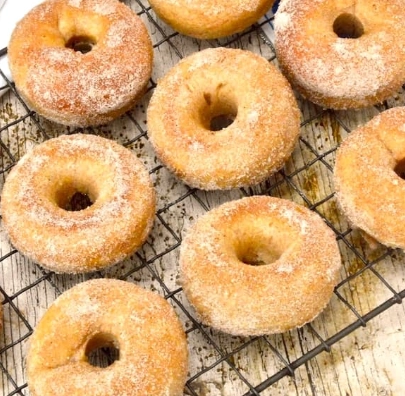
Your Easy Yeast Doughnut Ingredients
Simplicity starts here. You likely have most of this in your pantry right now. The beauty of this easy yeast doughnut recipe is its accessibility.
| Ingredient | Quantity | Purpose & Notes |
|---|---|---|
| Warm Whole Milk | 1 cup (240ml) | Activates the yeast and enriches the dough. Temperature is key—aim for 105-110°F (40-43°C). Too hot kills yeast. |
| Active Dry Yeast | 2 ¼ teaspoons (1 packet) | The leavening agent. I prefer active dry for its reliability in a sweet, enriched dough. |
| Granulated Sugar | ⅓ cup + 1 tsp | The 1 tsp goes to "feed" the yeast initially. The rest sweetens the dough. |
| Unsalted Butter, melted | ¼ cup (55g) | Adds richness and tenderizes the crumb. Let it cool slightly before adding. |
| Large Eggs | 2 | Room temperature eggs bind the dough and add structure. |
| Pure Vanilla Extract | 2 teaspoons | For flavor depth. Don't skip it. |
| All-Purpose Flour | 4 ½ cups (540g) + more for dusting | The backbone. I use unbleached all-purpose. Bread flour works for a chewier result. |
| Salt | 1 teaspoon | Balances sweetness and strengthens gluten. Crucial. |
| Neutral Oil for Frying | 6-8 cups (e.g., vegetable, canola) | Enough to fill your pot 2-3 inches deep. A neutral high-smoke-point oil is essential. |
How to Make Yeast Doughnuts from Scratch: The Simple Process
Here’s the step-by-step. Read it through once before you start—it demystifies the whole thing.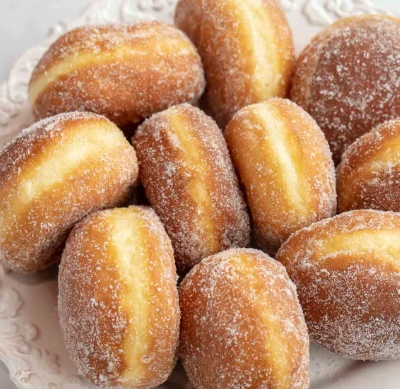
Step 1: Activate the Yeast
In your mixer's bowl (or a large bowl), combine the warm milk, that one teaspoon of sugar, and the yeast. Give it a quick stir and let it sit for 5-10 minutes. You're looking for a foamy, creamy layer on top. If nothing happens, your yeast is dead or the milk was too hot/cold. Start over. This "proofing" step is your insurance policy.
Step 2: Make the Dough
To the foamy yeast mixture, add the remaining sugar, melted (and slightly cooled) butter, eggs, and vanilla. Mix on low speed with a paddle attachment until just combined. Switch to the dough hook. Add 4 cups of flour and the salt. Mix on low until a shaggy dough forms. Now, with the mixer running on medium-low, add the remaining ½ cup of flour a few tablespoons at a time. Knead for 5-7 minutes until the dough is smooth, elastic, and just slightly sticky. It should clear the sides of the bowl but may stick a bit to the bottom.
If kneading by hand, turn the dough onto a floured surface and knead for 8-10 minutes. Use the heel of your hand, fold, turn, repeat. It's a good workout.
Step 3: The First Rise
Place the dough in a lightly oiled bowl, turning it once to coat. Cover with plastic wrap or a damp kitchen towel. Let it rise in a warm, draft-free spot for 1-1.5 hours, or until doubled in size. My oven with just the light on is perfect. Don't rush this.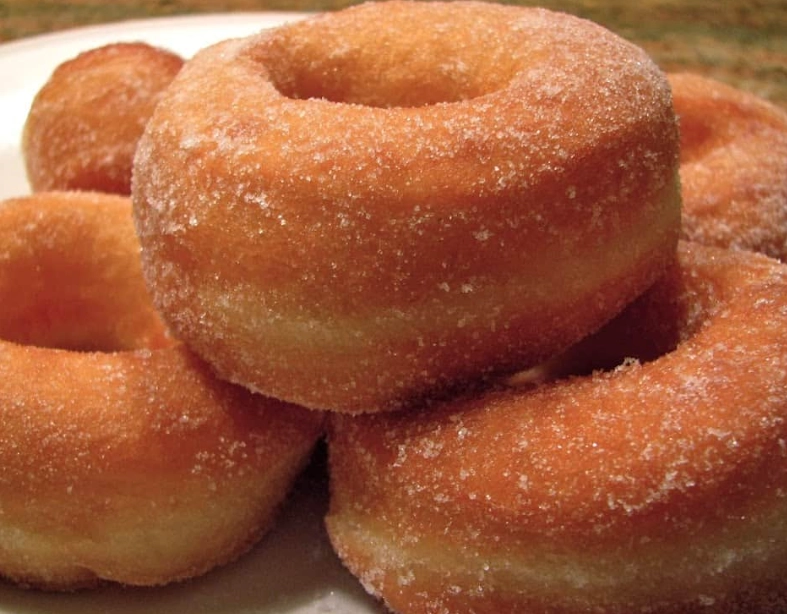
Step 4: Shape the Doughnuts
Punch down the risen dough to release air. Turn it onto a lightly floured surface. Roll it out to about ½-inch thickness. Use a 3-inch round cutter (or a glass) for the rings and a 1-inch cutter (or bottle cap) for the holes. Re-roll scraps once. Place the shaped doughnuts and holes on parchment-lined baking sheets, spacing them a couple inches apart. Cover loosely and let them rise again for 30-45 minutes. They should look puffy.
Step 5: Fry to Golden Perfection
This is where people get nervous. Don't be. In a heavy-bottomed pot (Dutch oven is ideal), heat 2-3 inches of oil to 350-360°F (175-182°C). Use a thermometer. This is non-negotiable for success. Too cool, they'll be greasy. Too hot, they'll burn outside before cooking inside.
Gently lower 2-3 doughnuts into the hot oil using a slotted spoon. Fry for about 60 seconds per side, until deep golden brown. The holes fry faster, about 30 seconds per side. Drain on a wire rack set over a baking sheet (paper towels can make the bottoms soggy). Let cool slightly before glazing.
Frying vs. Baking: Which Method is Best for Yeast Doughnuts?
Let's be honest. A true yeast doughnut is fried. The quick, intense heat of the oil creates that crisp, delicate exterior and sets the airy interior instantly. Baking yeast doughnut dough in an oven results in something more like a sweet roll or brioche—tasty, but it lacks the iconic fried crust and texture. If you're avoiding frying for health reasons, this recipe might not be for you. If it's about fear or mess, trust me, with a thermometer and the right pot, it's very manageable. The flavor payoff is immense.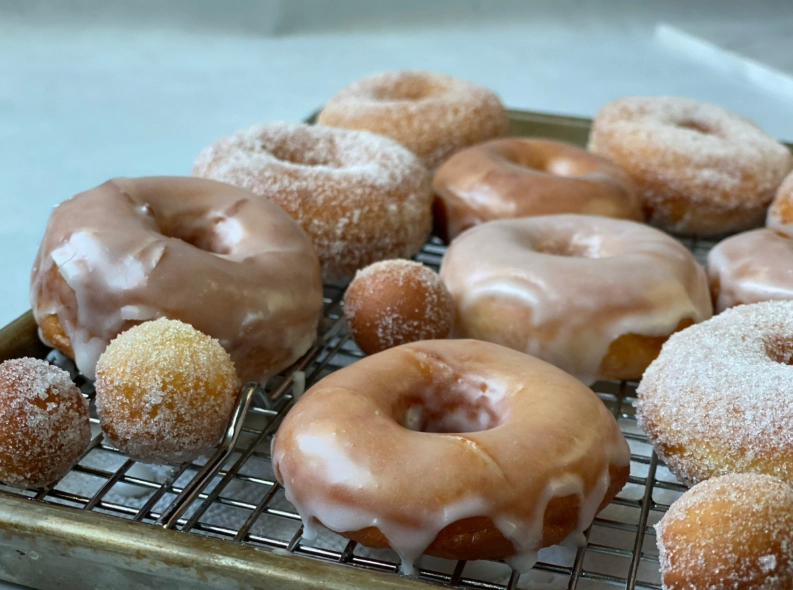
Glazes, Toppings, and Serving Ideas
The fun part. Glaze or coat while doughnuts are still warm (not hot).
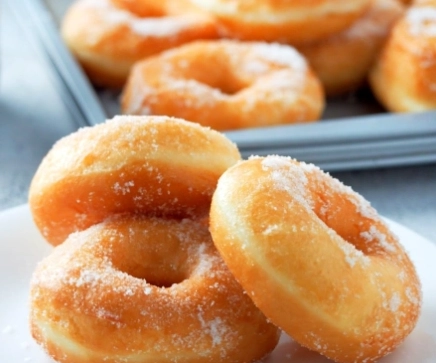
Classic Vanilla Glaze: Whisk 2 cups powdered sugar, ¼ cup milk, and 1 tsp vanilla until smooth. Dip the top of each doughnut. Chocolate Ganache: Heat ½ cup heavy cream, pour over 1 cup chopped dark chocolate. Let sit 5 mins, then stir until smooth. Dip. Cinnamon Sugar: Toss warm doughnuts in a mix of 1 cup sugar and 2 tbsp cinnamon. The classic. Simple Powdered Sugar: Just dust them generously. Elegant and easy.
Serve them fresh. That's it. With coffee. Maybe some bacon on the side. They are best the day they're made.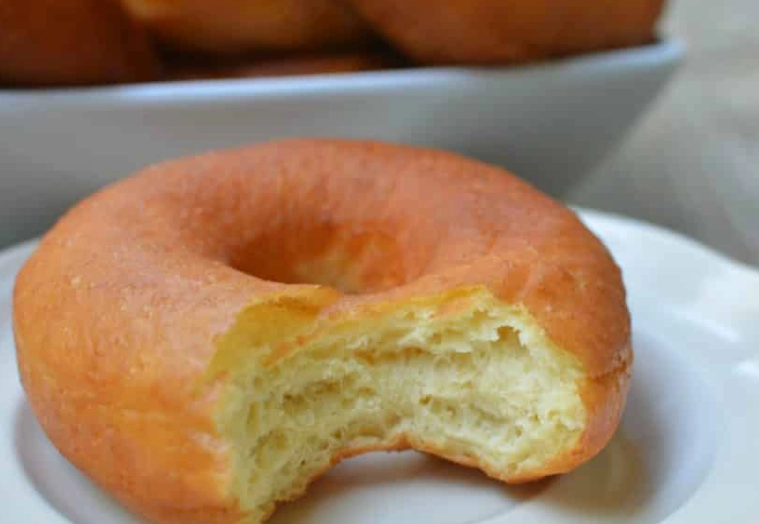
Storing and Reheating Your Homemade Doughnuts
They won't last long, but if you must: store completely cooled, unglazed doughnuts in a single layer in an airtight container at room temperature for 1 day. Glazed ones get sticky; eat them within a few hours.
To revive day-old doughnuts: place them on a baking sheet in a 350°F oven for 5-8 minutes. They'll never be quite as perfect as fresh, but it brings back some life. Do not microwave—it makes them tough and rubbery.
Troubleshooting Common Yeast Doughnut Problems
Even with an easy recipe, things can go sideways. Here's the fix.
Dough didn't rise: Yeast was dead, liquid was too hot, or the room was too cold. Check expiration dates and temperatures. Doughnuts are dense and heavy: Likely over-kneaded or the dough didn't rise enough during the second proof. Be patient with the proofing. Doughnuts are greasy: Oil temperature was too low. The dough absorbs oil instead of sealing quickly. Use that thermometer. Doughnuts are burnt outside/raw inside: Oil was too hot. Lower the heat and let it come back to 350°F between batches. My shapes are weird after frying: You might have over-handled the scraps when re-rolling. Handle gently for the lightest texture.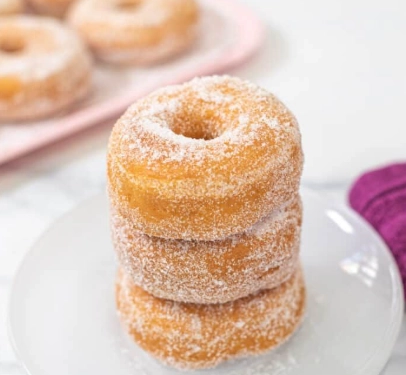
Leave a Comment