Let's be honest. The idea of making donuts at home can feel intimidating. Visions of messy oil, tricky yeast dough, and specialized tools like a deep fryer or a donut cutter pop into your head. I thought the same thing for years, until I realized the secret: the best simple donut recipe isn't about complexity; it's about understanding a few key steps that most recipes gloss over. You don't need a mixer. You don't need a thermometer (though it helps). You just need a pot, a few bowls, and about 90 minutes from start to sugary finish. This guide strips away the intimidation and gives you a foolproof path to warm, fluffy, glazed perfection that's better than any drive-thru.
What's Inside This Guide
- Why Bother Making Donuts at Home?
- The Simple Donut Ingredients: What You Really Need
- How to Make Simple Homemade Donuts: A Visual Walkthrough
- The Frying Masterclass: Temperature & Technique
- Simple Glazes & Toppings That Transform Your Donuts
- Storing & Reheating Your Homemade Donuts
- Expert Tips From a Decade of (Delicious) Mistakes
- Your Donut Questions, Answered
Why Bother Making Donuts at Home?
Freshness. Control. And a weirdly satisfying sense of accomplishment. A store-bought donut is a week-old passenger on a cross-country truck. A homemade donut, eaten 5 minutes after glazing, is a revelation. The exterior is shatteringly crisp, giving way to a cloud-like interior that's still warm. You control the sweetness, the flavor (add some nutmeg or lemon zest to the dough), and you know exactly what's in it. No preservatives, no unpronounceable ingredients. Just flour, yeast, sugar, and magic.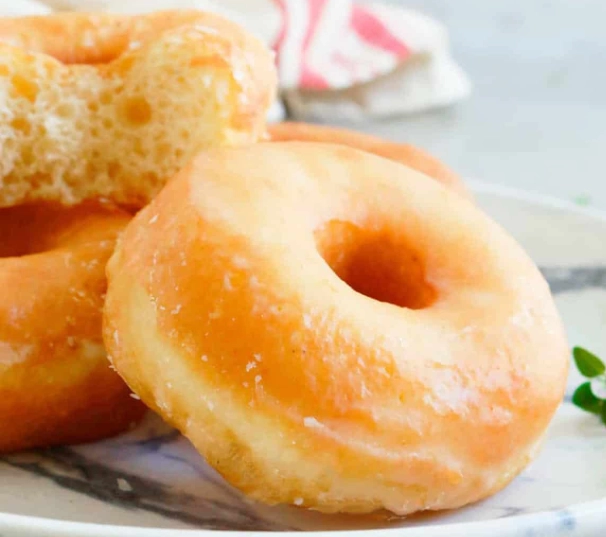
The Simple Donut Ingredients: What You Really Need
This is a yeasted, raised donut recipe. It's lighter and more authentic than a cake donut, and the rise comes from biological activity, not just baking powder. Here's your shopping list, with some notes you won't find on the back of a flour bag.
| Ingredient | Quantity | The "Why" & Pro Tip |
|---|---|---|
| All-purpose flour | 3 ¼ - 3 ½ cups | Bread flour works for chewier donuts, but AP gives a tender crumb. Measure by spooning into the cup and leveling off. |
| Whole milk, warmed | 1 cup | Whole milk adds richness. Warm it to about 110°F (43°C)—wrist-temperature, like a baby's bottle. Too hot kills the yeast. |
| Active dry yeast | 2 ¼ tsp (1 packet) | The workhorse. Make sure it's not expired. Instant yeast works too; just mix it with the dry ingredients. |
| Granulated sugar | ⅓ cup + more for coating | Feeds the yeast and sweetens the dough. Don't skimp. |
| Egg, large | 1 | Room temperature is best. It binds and enriches. |
| Unsalted butter, melted | 4 tbsp | Adds flavor and softness. Salted butter is fine, just reduce added salt by a pinch. |
| Salt | 1 tsp | Balances sweetness and strengthens gluten. Non-negotiable. |
| Vegetable oil | For frying (6-8 cups) | Use a neutral oil with a high smoke point: canola, peanut, or vegetable shortening. Avoid olive oil. |
How to Make Simple Homemade Donuts: A Visual Walkthrough
Forget the anxiety. Follow this sequence.
1. Mixing and Kneading (The 10-Minute Workout)
In a large bowl, combine 3 cups of the flour, yeast, sugar, and salt. In another bowl or measuring jug, whisk the warm milk, melted butter, and egg. Pour the wet into the dry. Stir with a wooden spoon until a shaggy dough forms. It will be sticky.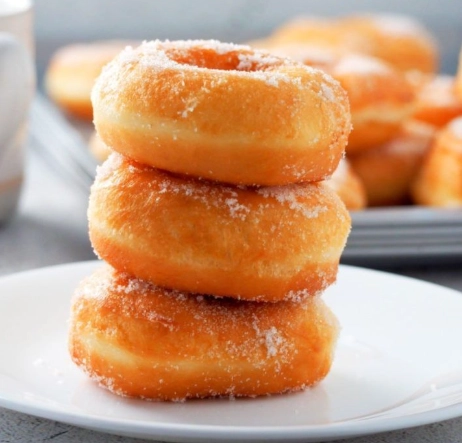
Turn it out onto a floured surface. Sprinkle on some of the reserved flour and start kneading. Fold, push, turn. Add flour only as needed to prevent sticking—a sticky dough leads to lighter donuts. Knead for about 8-10 minutes until smooth and elastic. It should pass the "windowpane test": stretch a small piece; if you can see light through it without it tearing immediately, you're done.
2. The First Rise (Let It Rest)
Place the dough ball in a lightly oiled bowl, turn to coat, and cover with plastic wrap or a damp kitchen towel. Let it rise in a warm, draft-free spot for 1 hour, or until doubled in size. No warm spot? Turn your oven on for 1 minute, then turn it off and place the bowl inside with the door closed.
3. Shaping Your Donuts (Get Creative)
Punch down the risen dough. Roll it out on a floured surface to about ½-inch thickness. For classic rings, use a 3-inch round cutter and a 1-inch cutter for the hole. No donut cutter? A wide-mouth glass and a shot glass work. Re-roll scraps once. For easier "donut holes," just pinch off small pieces of dough and roll into balls.
Place the shaped donuts and holes on parchment-lined baking sheets, cover, and let rise again for 30-45 minutes. They should look puffy.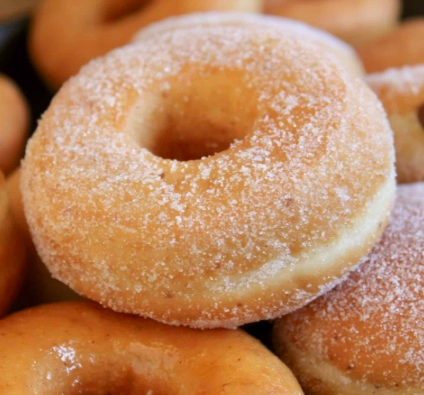
The Frying Masterclass: Temperature & Technique
This is where most beginners fail. The oil temperature is everything.
Fill a heavy-bottomed pot (Dutch oven is perfect) with 2-3 inches of oil. Heat over medium to 365-370°F (185-188°C). A candy/deep-fry thermometer is your best friend here. No thermometer? Drop a tiny piece of dough or a breadcrumb in. If it sizzles vigorously and turns golden in 60 seconds, you're close.
Gently lower 2-3 donuts into the hot oil using a slotted spoon. Don't crowd the pot. Fry for about 60 seconds per side until deep golden brown. The donut holes cook faster, about 45 seconds total. Drain on a wire rack set over a baking sheet, not on paper towels. Paper towels trap steam and make the bottom soggy.
Simple Glazes & Toppings That Transform Your Donuts
Glaze while the donuts are still warm, but not piping hot. Here are three foolproof options.
Classic Vanilla Glaze: Whisk 2 cups powdered sugar, ¼ cup milk, and 1 tsp vanilla extract until smooth. Dip the top of each donut, let excess drip, and place back on the rack.
Chocolate Ganache Glaze: Microwave ½ cup heavy cream until steaming. Pour over 1 cup chopped semi-sweet chocolate. Let sit 2 minutes, then whisk until smooth. Dip and enjoy.
Cinnamon Sugar Coating: Mix 1 cup sugar with 1 tbsp cinnamon in a bowl. While donuts are still hot but drained, toss them in the mixture. This is the easiest and maybe the best.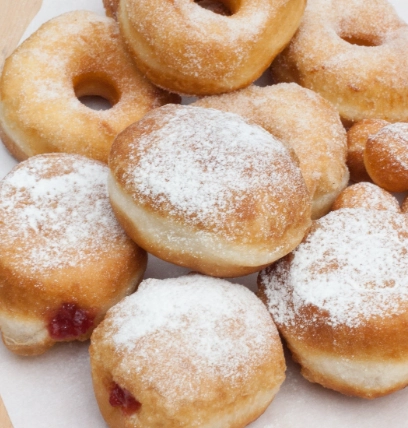
Storing & Reheating Your Homemade Donuts
They are best eaten the day they're made. To store, place in a single layer in an airtight container at room temperature for 1-2 days. Glazed donuts will lose their sheen but still taste good.
To reheat: Never microwave a glazed donut—it becomes a gummy mess. Instead, place it on a baking sheet in a 350°F (175°C) oven for 5-8 minutes. It'll crisp up beautifully.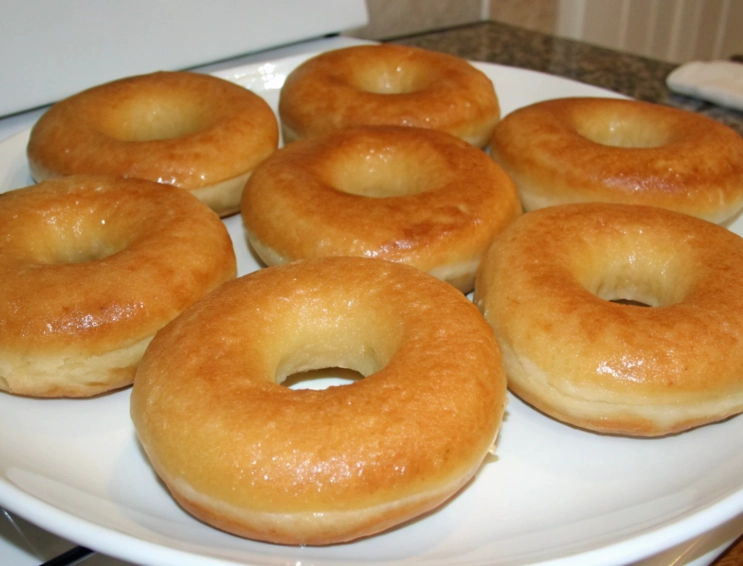
Expert Tips From a Decade of (Delicious) Mistakes
Here's what I've learned the hard way so you don't have to.
Dough too sticky? Wet your hands with a little oil instead of adding tons of flour during kneading.
Uneven rise? Your kitchen might have a cold spot. Find the warmest area, like on top of the fridge or near a radiator (not on it).
Oil temperature fluctuating? Adjust your burner constantly. After adding cold dough, the temp will drop. Let it recover between batches.
The "Twist" for Fluffier Donuts: After cutting out your rings, give each one a slight twist before the second rise. This helps prevent the hole from sealing shut during frying, ensuring an even cook and that classic ring shape.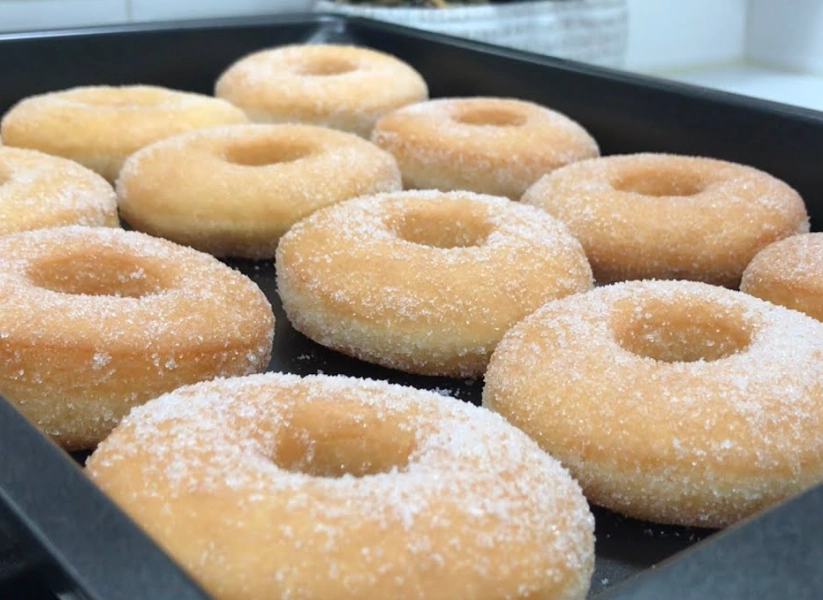
Your Donut Questions, Answered
There you have it. A simple donut recipe that demystifies the process. It's not about being a pastry chef; it's about following clear steps and respecting the basics—yeast, temperature, and timing. The first batch might not be perfect, but they'll be yours, warm, and infinitely better than anything in a box. Now go preheat that oil.

Leave a Comment