You grab a croissant, that perfect, shattering flake. You bite into a fruit tart, the shell tender yet sturdy. Ever wonder what magic holds it together? It's not magic. It's science, and it starts with just four humble ingredients: flour, fat, water, and salt. Get these four right, and you unlock the world of pastries. Get them wrong, and you get a doorstop or a greasy mess. I've made both, more times than I'd like to admit. After years in professional kitchens and teaching home bakers, I can tell you that understanding these four is more important than any fancy recipe.
In This Article: Your Pastry Dough Roadmap
Flour: The Structural Foundation (It's Not Just White Powder)
Think of flour as the skeleton of your pastry. It's what gives the dough its shape and structure. But here's where most beginners trip up: not all flour is created equal. Reaching for all-purpose is a decent start, but it's like using a Swiss Army knife for a specialized job.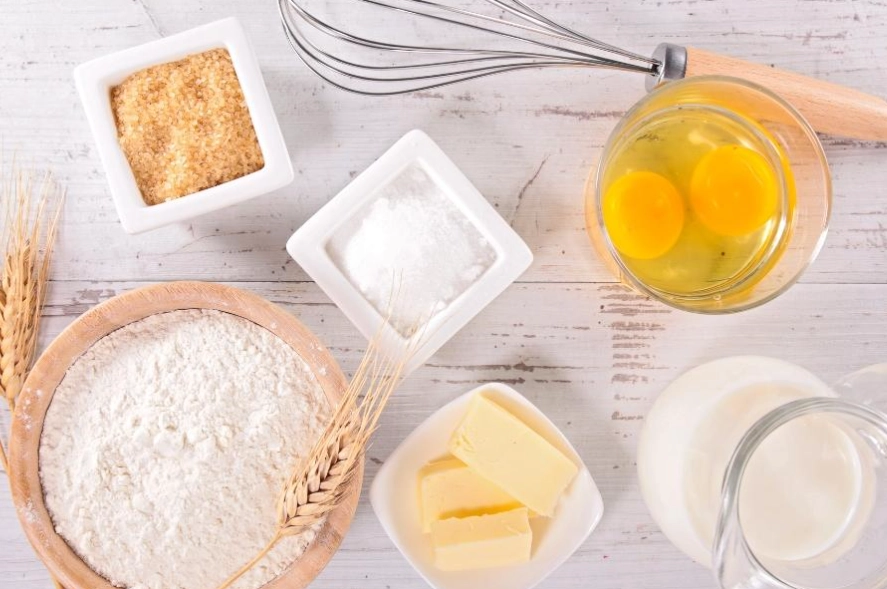
The Protein Power Play
The key factor is protein content. When mixed with water, proteins (glutenin and gliadin) form gluten. More gluten means more chew and structure (great for bread). Less gluten means tenderness (the goal for most pastries).
- Pastry Flour (8-9% protein): The gold standard for tender pie crusts and tarts. It has just enough protein to hold together but not enough to make things tough. King Arthur Baking sells a great one, but it can be hard to find.
- All-Purpose Flour (10-12% protein): Your reliable workhorse. For a home baker, this is perfectly fine. The trick is to handle it minimally to avoid over-developing the gluten. I often use a national brand like Gold Medal for consistency.
- Cake Flour (7-8% protein): Too tender. Your dough might lack the structure to hold its shape, especially for something like a free-form galette.
- "00" Flour: A finely milled Italian flour often used for pasta and pizza. Low protein but different starch composition. Don't substitute it one-for-one in a classic pastry recipe; it behaves differently.
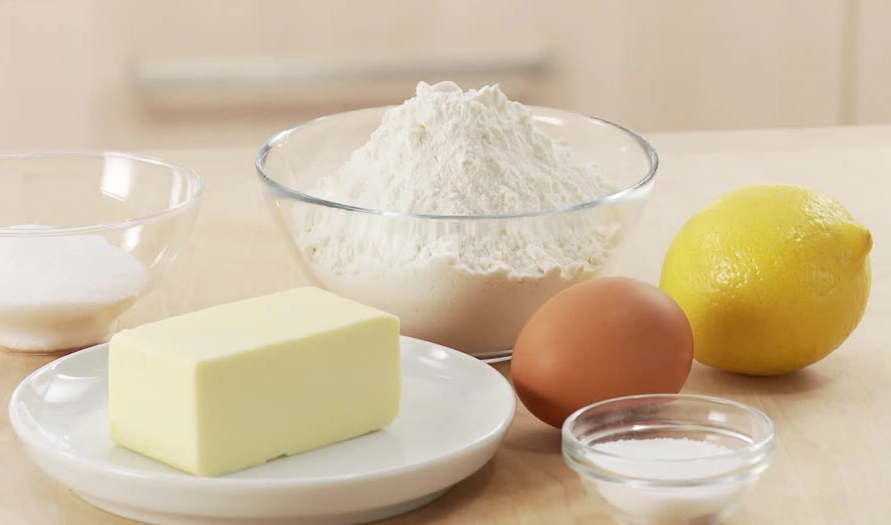
Fat: The Source of Flakiness and Tenderness
If flour is the skeleton, fat is the insulation. It coats the flour particles, preventing them from fully hydrating and forming long, tough gluten strands. When the dough bakes, the fat melts, creating steam pockets and leaving behind layers. This is flakiness.
Your choice of fat isn't just about flavor; it's about texture and melting point.
| Fat Type | Best For | Flavor Profile | Texture Result | Key Consideration |
|---|---|---|---|---|
| Unsalted Butter | Pâte Brisée (pie crust), Pâte Sucrée (sweet tart), Croissants | Rich, creamy, distinct | Superior flakiness and flavor | Low melting point. Must be kept VERY cold. Contains ~16% water, which creates steam. |
| Shortening / Lard | Extra-flaky pie crusts, some biscuits | Neutral (shortening) or savory (lard) | Extremely tender, less defined flake than butter | 100% fat, no water. Higher melting point, easier to work with but less flavor. |
| European-Style Butter (higher fat, 82-86%) | Laminated doughs (puff pastry, croissants) | Intense, cultured butter flavor | Exceptional layering and richness | Less water means more pure fat, ideal for creating distinct layers. Brands like Plugrá or Kerrygold. |
My personal hill to die on? For a standard pie crust, I use a 50/50 blend of butter and high-quality leaf lard. The butter gives flavor, the lard gives an unbeatable, melt-in-your-mouth tenderness that butter alone can't achieve. It's a trick from an old restaurant chef, and it never fails.
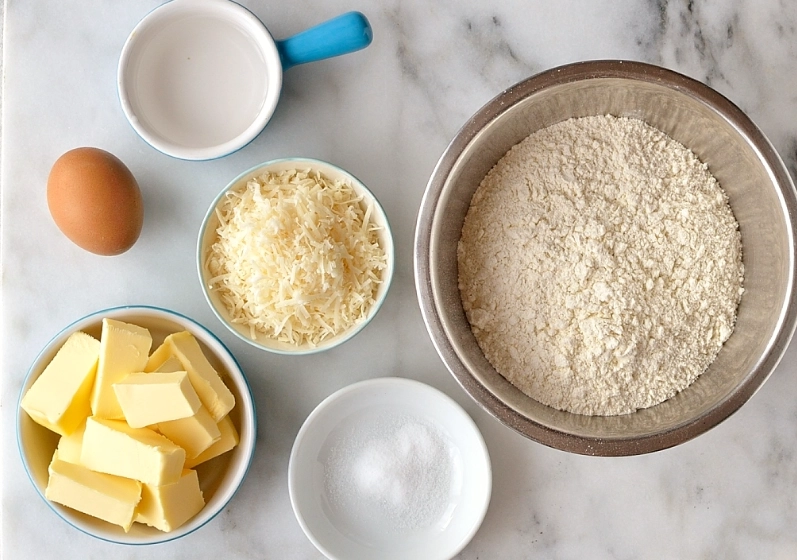
Water: The Silent Binder and Activator
Water is the catalyst. Without it, you just have flour and fat crumbs. It hydrates the flour, allowing gluten to form and starch to gelatinize. But it's not just about quantity; it's about temperature and even what's in the water.
Ice-Cold Water: This is the rule. Why? It keeps the fat solid. If you use warm water, it starts melting the butter or shortening, compromising your layers. I keep a glass of water with ice cubes next to my workstation and only dip from that.
Vinegar or Lemon Juice: This is a lesser-known pro trick. Adding a teaspoon of acid to your water does two things. First, it slightly inhibits gluten development, promoting tenderness. Second, it can prevent oxidation, keeping your dough from graying. It doesn't make the pastry taste sour.
The Hydration Dance: Recipes give a water amount, but flour humidity varies. Never dump all the water in. Add it gradually, mixing with a fork, until the dough just holds together when pinched. There will still be dry-looking bits. That's okay. It's better to be slightly under-hydrated than over. Over-hydrated dough is sticky, requires more flour to handle (toughening it), and bakes up hard.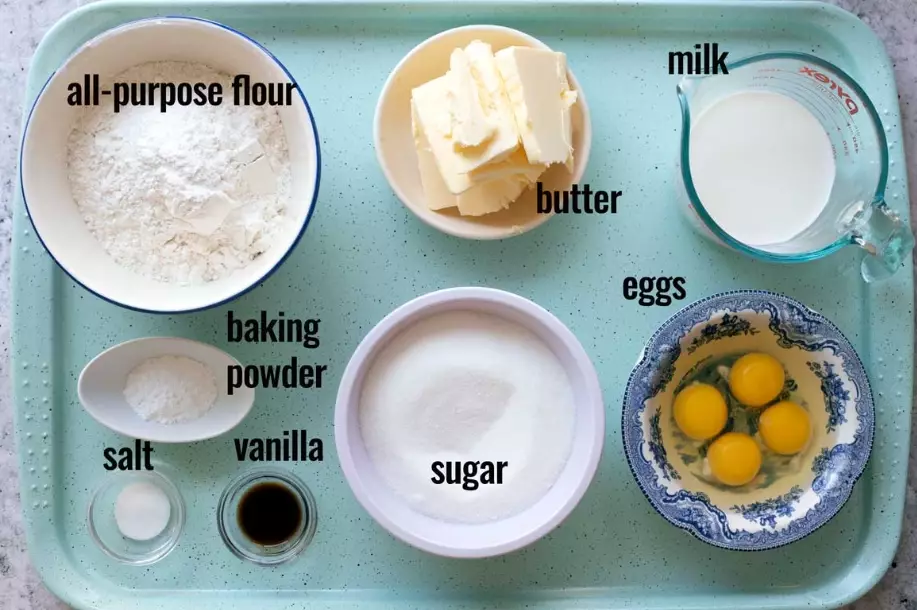
Salt: The Flavor Enhancer and Texture Modifier
Salt is the most forgotten hero. It's not there to make the dough taste salty (unless it's a pretzel). It has two critical jobs:
- Flavor Enhancer: It heightens all the other flavors, especially the butter. A pastry made without salt tastes flat and bland, no matter how much expensive butter you used.
- Gluten Strengthener: Paradoxically, while we want to limit gluten, salt actually strengthens the gluten bonds that do form. This sounds bad, but it gives the dough a better, more elastic texture that's easier to roll out without tearing. It provides a subtle backbone.
Use fine sea salt or table salt so it dissolves evenly. Never use coarse kosher salt unless you dissolve it in the water first, or you'll get salty spots. For one standard pie crust, about 1/2 to 3/4 teaspoon is the sweet spot.
How the Four Create Different Pastry Types
Changing the ratios and handling of these four ingredients creates entirely different pastries. Let's look at three classics.
Pâte Brisée (Basic Pie/Tart Crust)
This is the equal-opportunity dough. The fat is cut into the flour until pea-sized. Minimal water is added to bind. Result: A crumbly, tender, flaky crust that's a blank canvas for sweet or savory fillings. The key is keeping everything cold and handling minimally.
Pâte Sucrée (Sweet Tart Crust)
Here, sugar becomes a fifth ingredient. The fat (usually just butter) is creamed with sugar first, then egg is added before the flour. This "shortens" the gluten strands dramatically and creates a cookie-like, sandy texture that's sturdy enough for wet fillings like lemon curd. It's more forgiving to handle than pâte brisée.
Puff Pastry / Laminated Dough
This is the advanced class. You make a lean dough (flour, water, salt, sometimes a touch of butter) and envelop a large slab of butter. Through a series of folds and rolls (laminations), you create hundreds of alternating layers of dough and butter. When baked, the water in the dough and butter vaporizes, pushing the layers apart into that legendary, airy flake. The quality of your butter (high fat, pliable but cold) is paramount here. It's a labor of love, but store-bought all-butter puff pastry (like Dufour) is a fantastic shortcut.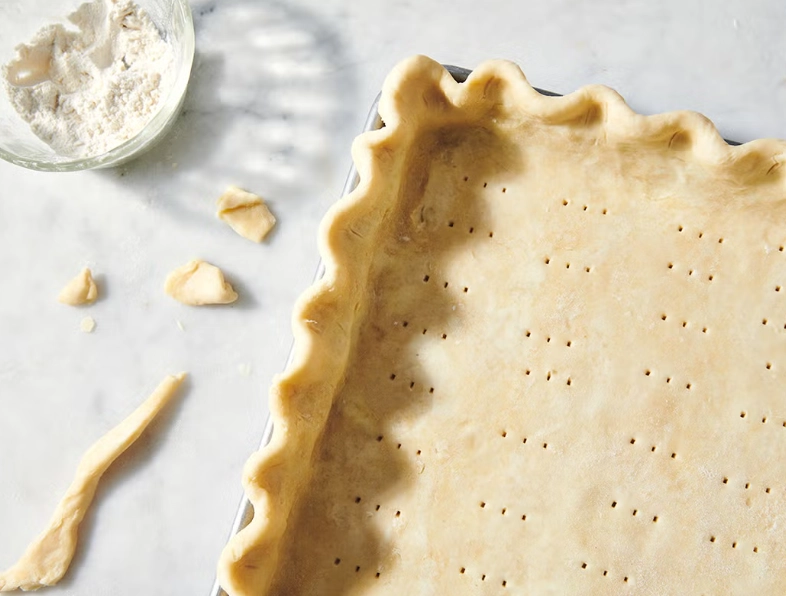


Leave a Comment