Let's cut to the chase. A great savory dish often lives or dies by its crust. A soggy bottom, a tough shell, a bland layer of cardboard—it's heartbreaking after all that filling work. I've been there. My first chicken pot pie had a lid so hard you could have used it as a frisbee. The problem wasn't the recipe; it was a fundamental misunderstanding of how fat, flour, and water interact under heat and pressure.
Mastering a few basic savory pastry doughs unlocks a world of cooking: flaky pot pie tops, sturdy quiche shells, buttery hand pies, and impressive galettes. Forget the fear. It's not magic; it's a manageable science of temperature and technique. We're focusing on three core workhorses: Flaky Pastry (your go-to for pies), Shortcrust Pastry (for blind-baked tarts), and a simplified Rough Puff Pastry (for impressive, laminated layers without the all-day commitment).
What You'll Learn Today
The Three Core Savory Pastry Doughs Compared
Think of these as tools in your kit. Each has a different texture and best use case. Choosing the wrong one is like using a screwdriver to hammer a nail—it might work, but not well.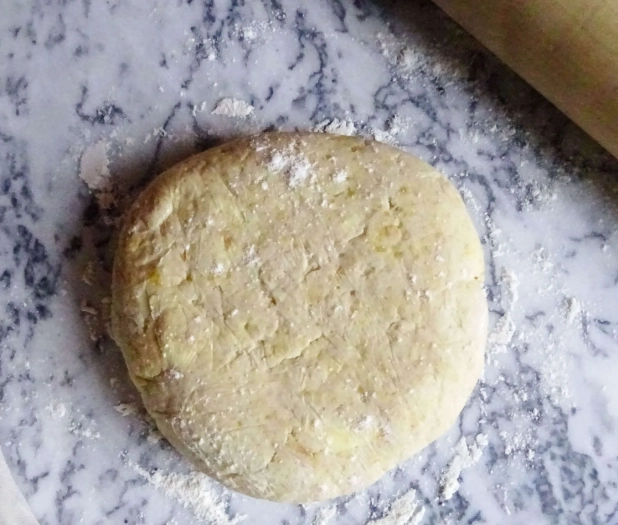
| Dough Type | Key Texture | Best For | Fat Integration | Resting Time |
|---|---|---|---|---|
| Flaky Pastry | Tender, layered flakes | Pot pie tops, galettes, hand pies | Pea-sized pieces of cold fat rubbed in | 1 hour min |
| Shortcrust (Pâte Brisée) | Firm, crisp, crumbly | Quiche, tart shells, blind-baked bases | Fat rubbed to sandy crumbs | 2 hours+ (ideal) |
| Rough Puff Pastry | Very flaky, buttery layers | Sausage rolls, vol-au-vents, fancy tops | Laminated in sheets through folds | Multiple rests (overnight easy) |
The main difference lies in how the fat is incorporated. Flaky pastry leaves chunks. Shortcrust blends it fine. Rough puff layers it in sheets. That's the heart of it.
How to Make Foolproof Flaky Pastry Dough
This is the one you'll use most. It's forgiving and delivers that classic, shattering texture we love in a good pie.
The Non-Consensus Tip: Everyone says "use cold ingredients." I'm going further. Your hands should be cold. Run them under cold water before you start. Warm hands melt fat, and melted fat equals tough dough. If your kitchen is hot, work near an open fridge or even chill your bowl and flour for 15 minutes.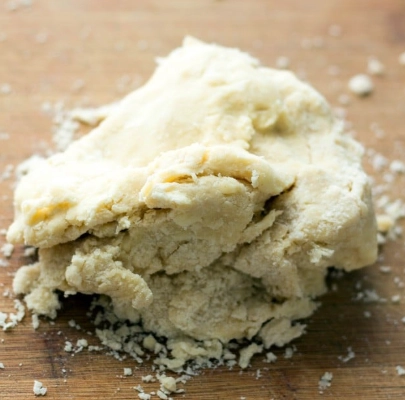
The Basic Flaky Pastry Recipe
For a standard 9-inch double-crust pie or 6-8 hand pies.
- 250g all-purpose flour (like King Arthur brand, which has a reliable protein content)
- 1 tsp fine sea salt
- 225g very cold, unsalted butter or a 50/50 mix of butter and lard, cubed
- 80-100ml ice water (with a tbsp of vodka mixed in if you have it—the alcohol inhibits gluten formation without adding liquid)
Method: Whisk flour and salt. Toss in the fat cubes. Using your fingertips or a pastry blender, quickly rub/cut the fat into the flour until you have a mix of lima bean and pea-sized pieces. This variety is crucial for flakiness. Drizzle in 80ml of the ice water, tossing with a fork. Squeeze a handful—it should just hold together. Add more water sparingly. Dump onto a surface, gather into a shaggy mound, and use the heel of your hand to smear bits away from you (a "fraisage" technique). This creates flat sheets of fat. Gather, divide into two discs, wrap, and chill for at least 1 hour, preferably 2.
Why this works: The solid fat pieces melt in the oven, creating steam pockets that separate the flour layers into flakes. If the fat melts before baking, those pockets vanish.
Mastering Shortcrust (Pâte Brisée) for Tarts
Shortcrust needs to be sturdy. It's a container. Its job is to stay crisp under wet fillings like quiche custard or lemon curd. The secret weapon here is blind baking—pre-baking the shell with weights.
The Non-Consensus Tip: Overworking is the enemy, but under-resting is the silent killer. A 30-minute chill isn't enough. The gluten needs to relax completely, or your beautifully rolled crust will shrink dramatically in the oven. I plan for a 2-hour minimum rest, often overnight. It makes rolling easier too.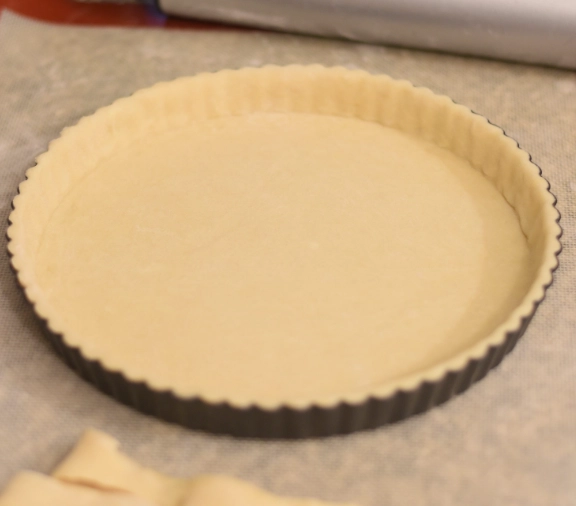
The Sturdy Shortcrust Recipe
- 300g all-purpose flour
- 150g cold unsalted butter, cubed small
- 1 tsp salt
- 1 large egg yolk (adds richness and binds)
- 2-3 tbsp ice water
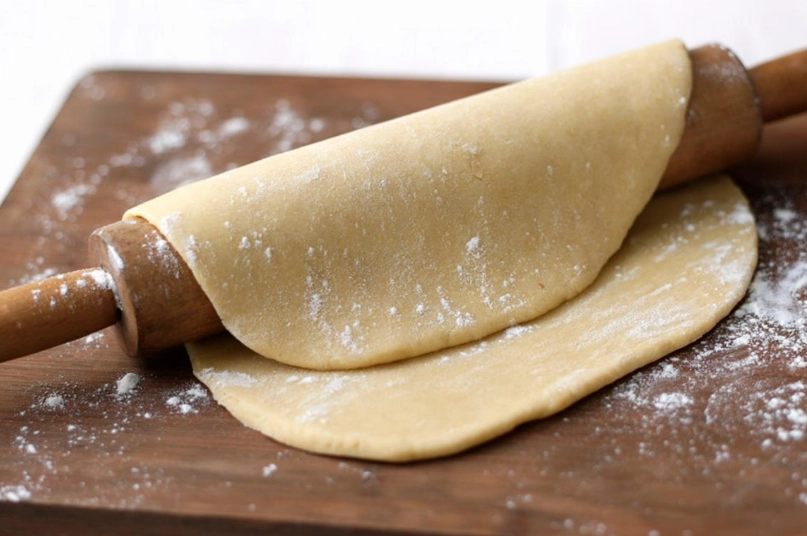
Method: Rub the butter into the flour and salt until it resembles fine breadcrumbs. A food processor is actually great here—pulse until sandy. Mix in the yolk, then add water tablespoon by tablespoon until it clumps. Knead briefly into a ball, flatten into a disc, wrap, and chill for at least 2 hours. Roll out, line your tart tin, prick the base with a fork, and freeze for 20 minutes. Line with parchment and pie weights (dry beans work). Bake at 375°F (190°C) for 20 minutes, remove weights, and bake 5-10 more until golden.
Watch out: Don't skip pricking the base (docking) or using weights. Without them, steam gets trapped and puffs the crust up, leaving no room for your filling.
A Cheater's Guide to Rough Puff Pastry
Full puff pastry is a project. Rough puff is its brilliant, less fussy cousin. You create layers by folding, but you start with grated or small pieces of butter mixed into the dough, not a pristine butter block.
Here's my favorite method: Grate 225g of frozen butter on a box grater right into 300g of flour with 1 tsp salt. Toss to coat. Add about 150ml ice water to bring it together. Shape into a rectangle, roll out, and do a single fold (like a letter). Turn 90 degrees, roll, and fold again. Wrap and chill 30 minutes. Repeat the roll-fold-turn process twice more. After the final fold, chill for at least an hour before using. You can do the folds over a day, resting the dough in the fridge between sessions. It's incredibly flexible.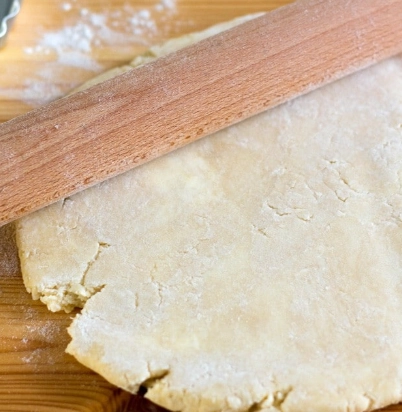
I use this for everything from quick cheese straws to a stunning topping for a beef and ale pie.
Butter, Lard, or Shortening? A Fat Guide
This choice defines flavor and texture.
- Butter: Best flavor, hands down. It has water (about 15-18%) which creates steam and aids flakiness, but it also burns at a lower temperature. Use for flavor-centric pastries.
- Lard: The secret weapon for ultra-flakiness. Rendered pork fat (leaf lard is best) has a neutral, savory quality and creates larger, more stable flakes because it's 100% fat. It has a higher melting point, making it more forgiving. A 50/50 butter-lard blend is my gold standard for a perfect meat pie crust—flaky and flavorful.
- Vegetable Shortening: Creates a very tender, crumbly texture (short). It's flavorless and has a high melting point. Some swear by it for humidity resistance, but I find it leaves a waxy mouthfeel. I avoid it unless it's all I have.
According to the USDA, lard actually has less saturated fat than butter. Don't be afraid of it for savory applications.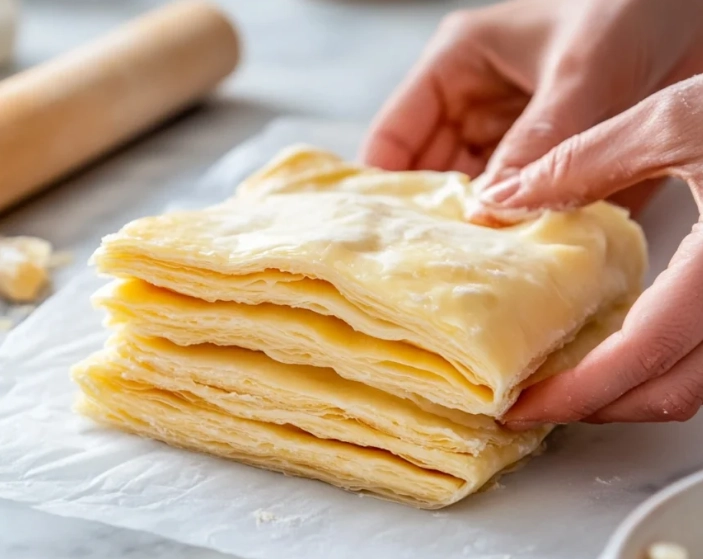
Common Mistakes and How to Fix Them
I've made these so you don't have to.
Tough, chewy dough: You overworked it and developed too much gluten. Or your fat was too warm and fully incorporated. Next time, handle less, chill more. For salvaging, use it for a bottom crust where toughness is less noticeable, or chop it up and bake as crumbly savory "crackers" for soup.
Soggy bottom: The bane of a quiche. Your blind bake wasn't thorough enough. Ensure the shell is fully opaque and sandy-looking before adding filling. Also, make sure your filling isn't boiling hot when it goes in. A hot filling starts cooking the egg immediately, reducing seepage.
Shrinking crust: The dough wasn't rested enough, and it was stretched when placed in the pan. Always let the dough relax in the tin in the fridge for 20 minutes after lining. Lift and settle the dough into the corners; don't pull it.
Pale, pasty crust: Egg wash. A simple beaten egg or egg yolk mixed with a teaspoon of water, brushed on before baking, gives a deep golden, professional shine.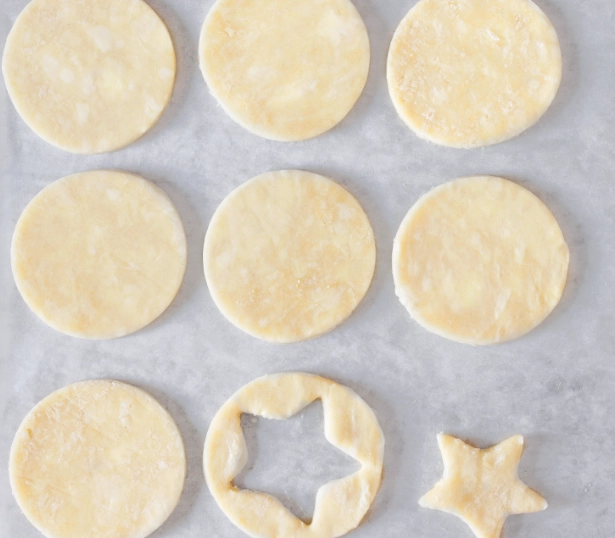
Your Savory Dough Questions Answered
My dough always falls apart when I roll it. What am I doing wrong?
It's likely too dry. You added water sparingly, which is good, but you might have underestimated. The dough should look shaggy but hold together firmly when squeezed. Cracks during rolling mean it needs a tiny bit more hydration. Next time, try adding an extra tablespoon of water during mixing. Also, let it sit at room temperature for 5-10 minutes after chilling if it's rock hard.
Can I make savory pastry dough ahead and freeze it?
Absolutely, and I highly recommend it. Wrap the disc or rolled sheet tightly in two layers of plastic wrap. It keeps for 3 months. Thaw overnight in the fridge, not on the counter. The texture is often better after a freeze-thaw cycle as it relaxes the gluten further.
Why does my food processor make the dough tough sometimes?
Because it's too efficient and can over-mix in seconds. Use it only for the initial fat-flour blending for shortcrust. Stop at "sandy crumbs." For flaky pastry, do the fat-cutting by hand. Never use it to bring the dough together with water—that's a one-way ticket to toughness. Switch to a fork and then your hands.
Is there a foolproof way to tell when my blind-baked shell is done?
Look and touch. The edges should be light golden brown. More importantly, the base should look matte and dry, not shiny or wet. Carefully lift the parchment with the weights—if the base still looks translucent or damp, return it to the oven for 5-minute intervals without the weights until it's sandy and opaque.
My butter always leaks out during baking, making a greasy mess.
Your oven isn't hot enough at the start. The water in the butter needs to turn to steam rapidly to create structure before the fat melts and runs out. Crank your oven 25°F (about 15°C) higher than the recipe states for the first 10-15 minutes, then reduce to the correct temperature. Also, double-check that your fat pieces are still solid and distinct when the dough goes in.
Leave a Comment