Starting gluten-free baking can feel like walking into a foreign grocery store. You recognize some items, but the rules have changed. Is that baking powder safe? What about vanilla extract? The core question isn't just about flour—it's about every single item that goes into your mixing bowl. For anyone with celiac disease, gluten sensitivity, or who's baking for someone who does, knowing exactly what's safe is the first and most critical step. Let's clear the confusion and build a foolproof gluten-free baking pantry.
What's Inside This Guide
Why Gluten-Free Baking Needs a New Rulebook
Wheat flour isn't just a powder. It's a complex system. The gluten proteins form a stretchy network that traps gas from yeast or baking powder, giving bread its rise and cookies their chew. When you remove gluten, that structural integrity vanishes. So, gluten-free baking isn't a simple substitution; it's a complete re-engineering project. Every ingredient choice matters more because you're building structure from the ground up. A single contaminated ingredient can cause a reaction for someone with celiac disease, making vigilance non-negotiable.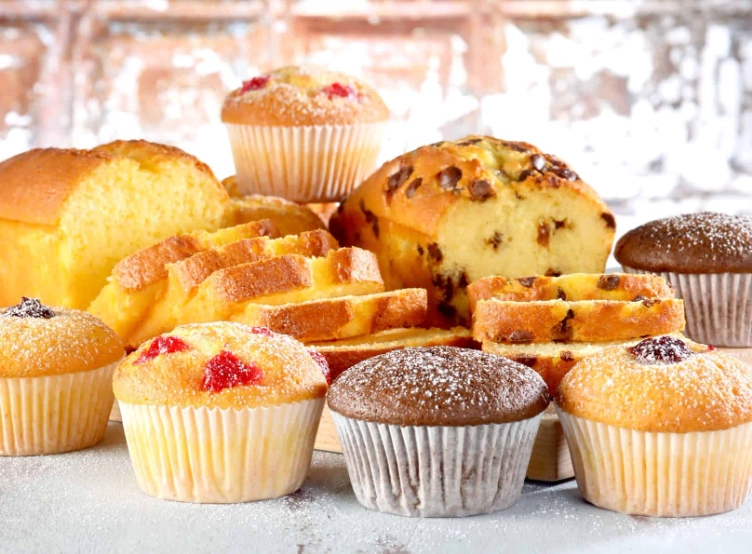
The Golden Rule: Always, always check the label, even on items you think are inherently gluten-free. Manufacturing processes change, and additives happen. Look for a "Certified Gluten-Free" seal from organizations like GFCO for the highest assurance, or at minimum, a clear "gluten-free" statement and scan the allergen declaration for wheat.
The Safe List: Flours, Grains & Starches
This is your new foundation. Forget thinking in terms of one flour. Successful gluten-free baking relies on blends that combine different properties: some for structure, some for tenderness, some for moisture retention.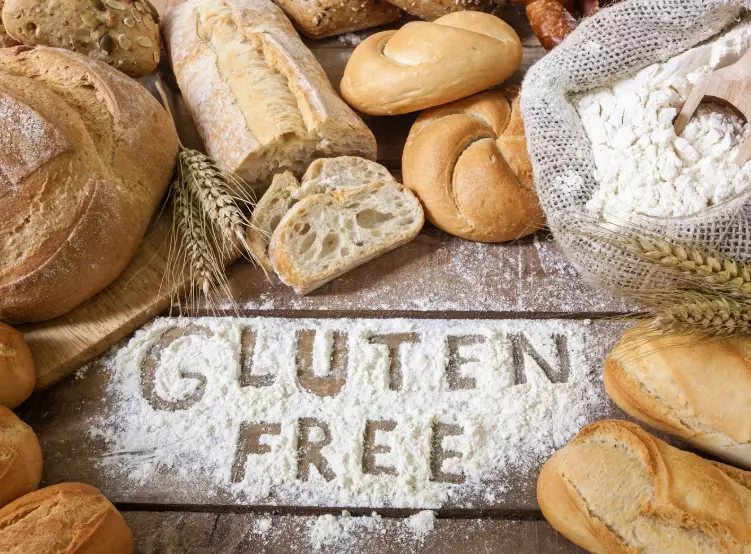
Naturally Gluten-Free Grain & Nut Flours
These are your workhorses, providing protein, fiber, and flavor.
- Rice Flour (Brown or White): A neutral base. Brown rice flour has more fiber and nutrients. It can be gritty if not finely ground.
- Almond Flour & Almond Meal: Adds moisture, richness, and protein. Almond meal is coarser. They make dense, tender cakes and cookies. Not great for yeasted breads on their own.
- Coconut Flour: Highly absorbent and fibrous. You can't substitute it 1:1 for anything. It requires more eggs and liquid. Creates a very light, dry texture.
- Buckwheat Flour: Despite the name, it's unrelated to wheat. Has a strong, earthy flavor perfect for pancakes and hearty breads.
- Millet Flour & Sorghum Flour: Mild, sweet flavors. Sorghum is particularly good for creating a softer crumb in bread and cakes. One of my personal favorites for adding structure without heaviness.
- Quinoa Flour: High-protein, but has a distinct bitter taste that needs to be masked with strong flavors like chocolate or banana.
- Teff Flour: Tiny grain, huge flavor (malty, slightly cocoa-like). Essential for authentic injera, but great in brownies.
Gluten-Free Starches (The Texture Magicians)
Starches are crucial. They lighten up flour blends, improve crumb structure, and help with browning. They have little to no protein.
- Tapioca Starch/Flour: Adds chew and a slight stretch. It helps create that desirable "pull" in pizza crust or dinner rolls.
- Potato Starch (NOT Potato Flour): A common mix-up. Potato starch is a fine, white powder that adds moisture and lightness. Potato flour is made from cooked, dried potatoes and is dense—use it sparingly.
- Cornstarch: A classic. It's great for tenderizing cookies and thickening fillings.
- Arrowroot Powder:A very fine starch that works similarly to cornstarch but can create a shinier finish in fruit glazes.
| Ingredient | Primary Role in Blend | Best Used In | Watch Out For |
|---|---|---|---|
| Brown Rice Flour | Neutral base, structure | All-purpose blends, bread, cookies | Can be gritty; ensure it's "superfine" |
| Almond Flour | Moisture, fat, protein | Macarons, tea cakes, crusts | Perishes quickly; store in fridge |
| Sorghum Flour | Soft structure, mild flavor | Sandwich bread, muffins | None, it's a fantastic all-rounder |
| Tapioca Starch | Chew, elasticity, binding | Pizza dough, bagels, mochi | Too much creates a gummy texture |
| Potato Starch | Moisture, lightness | Fluffy cakes, tender cookies | Don't confuse with potato flour! |
Beyond Flour: Leaveners, Sweeteners & More
Flour is just the start. Here’s a safety check for the rest of your baking cabinet.
The Safe & Sound Pantry List
Leavening Agents: Baking soda and baking powder are typically gluten-free. However, some baking powders (like Rumford) use cornstarch, while others might use wheat starch as an anti-caking agent. Check the label. Cream of tartar is safe.
Sweeteners: Granulated sugar, brown sugar, confectioners' sugar, honey, maple syrup, molasses, and most liquid sweeteners are gluten-free. Watch out for pre-mixed icing sugars, which may contain wheat starch. Some brown sugars may have barley malt added for color—check the ingredients.
Fats & Dairy: Butter, oils (vegetable, coconut, olive), milk, cream, yogurt, and most cheeses are naturally gluten-free. Be cautious with processed cheese spreads or flavored cream cheeses, which may contain stabilizers.
Eggs: Always gluten-free.
Chocolate & Cocoa: Pure cocoa powder and high-quality dark chocolate are usually safe. Be more careful with milk chocolate, compound coatings, and chocolate chips, which may contain barley malt or are made on shared equipment. Brands like Enjoy Life are certified gluten-free.
Binders & Thickeners: Xanthan gum and guar gum are critical for replacing gluten's binding power. Psyllium husk powder (whole husks work too) is a fantastic natural binder, especially for bread. Unflavored gelatin and cornstarch are safe.
Flavorings: Pure vanilla extract, almond extract, and spices (cinnamon, nutmeg, etc.) are gluten-free. Imitation extracts may contain gluten. Malt vinegar is NOT gluten-free (it's made from barley). Distilled vinegar (white, apple cider) is safe, as the distillation process removes gluten proteins.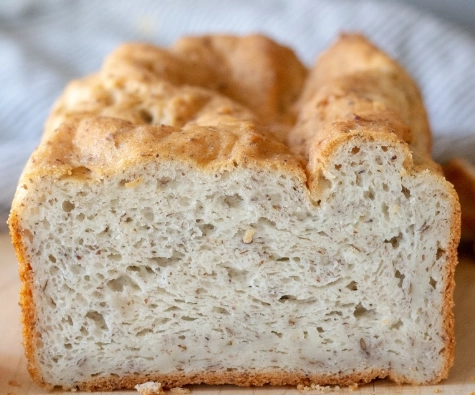
I learned the hard way about oats. I assumed "organic rolled oats" were fine. A batch of cookies later and a not-so-happy friend taught me that "certified gluten-free" is the only label that counts for oats. It's a mistake you only make once.
Gluten-Free Baking Tips You Won't Find on the Box
After a decade of trial, error, and flour-dusted counters, here’s what actually works.
1. Weigh Your Ingredients. This isn't a suggestion; it's a requirement for consistency. Gluten-free flours have different densities. A cup of almond flour weighs vastly less than a cup of rice flour. A digital kitchen scale is your best friend.
2. Blend, Don't Fly Solo. Don't try to make a cake with 100% rice flour. It'll be gritty and dry. A simple starter blend is 40% grain flour (rice/sorghum), 30% starch (tapioca/potato), and 30% protein/fiber flour (almond/millet). Adjust from there.
3. The Xanthan Gum Rule of Thumb. Too little and things crumble; too much and it's slimy. For most recipes: 1/4 tsp per cup of flour blend for cakes/cookies, 1/2 tsp for quick breads/muffins, 3/4 to 1 tsp for yeasted breads.
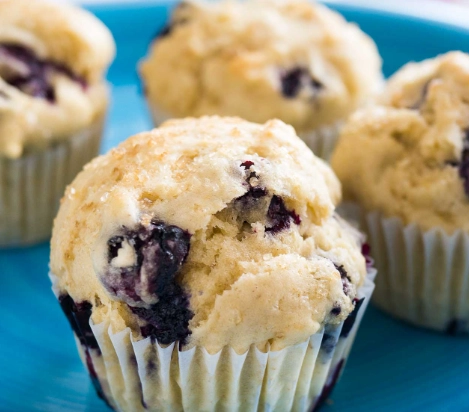
4. Hydrate Your Batters. Let your muffin or pancake batter sit for 10-15 minutes after mixing. This gives the flours and starches time to absorb the liquid fully, leading to a less gritty texture and better rise.
5. Manage Expectations (Especially with Bread). Your gluten-free loaf will not be a giant, airy, sourdough-style boule. It will be denser, smaller, and best sliced thin. Focus on flavor and texture, not replicating wheat bread exactly. A good gluten-free bread is delicious in its own right.
6. The Clean Kitchen Protocol. If you also bake with regular flour, cross-contamination is a real threat. Wipe down counters thoroughly, use separate sifters and utensils (or wash meticulously), and store your gluten-free flours in sealed containers on a dedicated shelf.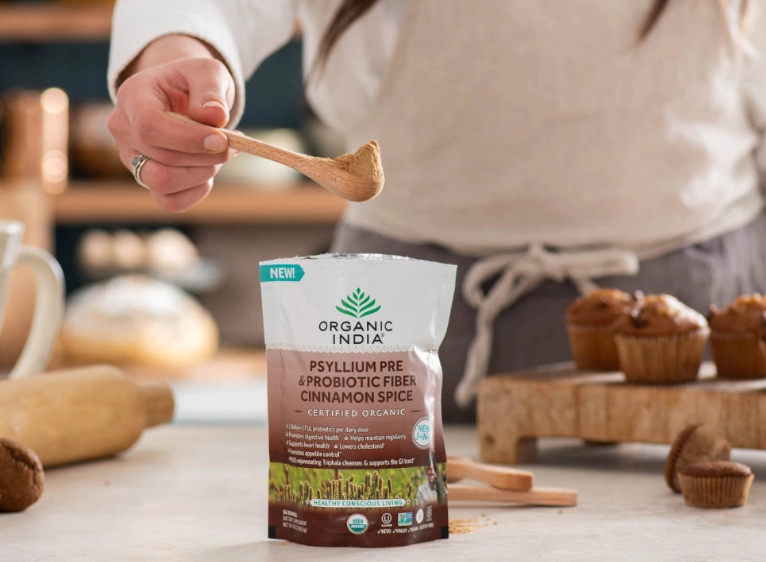
Your Gluten-Free Baking Questions Answered
The world of gluten-free baking is vast and full of possibility. It starts with knowledge—knowing exactly what baking items are gluten-free gives you the confidence to open the pantry and get started. Forget about limitation. Think of it as an exploration of new flavors and textures. Sorghum, teff, tapioca—these aren't just substitutes; they're ingredients with their own unique stories to tell in your baking. Start with a simple blend, master a cookie or muffin recipe, and build from there. Happy, safe baking.

Leave a Comment