Let's be honest. Yeast can be intimidating. The waiting, the worrying if it's alive, the whole room-temperature dance. What if you could skip all that and still pull a golden, shatteringly flaky pie or a tender, buttery scone out of your oven? That's the magic of no-yeast pastry dough. It's not a compromise; it's a powerhouse technique in its own right, built on the simple, reliable science of fat, flour, and liquid. I've been baking these doughs for over a decade, from professional kitchens to my home counter, and I've seen the same few mistakes trip up even eager bakers. We're going to fix those. This guide is your roadmap to mastering doughs that rise to the occasion without a single speck of yeast.
What You’ll Find in This Guide
- The Real Science Behind Flakiness (No Yeast Needed)
- Your Ingredient Toolkit: A Simple Breakdown
- How to Make No-Yeast Pastry Dough: Two Core Methods
- Three Classic Recipes to Start With
- Expert Troubleshooting: Fixing Common Disasters
- Beyond the Basics: Pro Tips & Variations
- Your No-Yeast Dough Questions, Answered
The Real Science Behind Flakiness (No Yeast Needed)
Forget yeast. The hero here is layers. When you cut cold butter, lard, or shortening into flour, you create thousands of tiny fat pockets. As the dough bakes, the fat melts. The water in the butter turns to steam, pushing those floury layers apart. Meanwhile, the fat itself coats the flour, preventing too much gluten from forming. Gluten is great for chewy bread, but it's the enemy of tender pastry. You want just enough to hold things together, but not so much that it creates a tough, elastic network.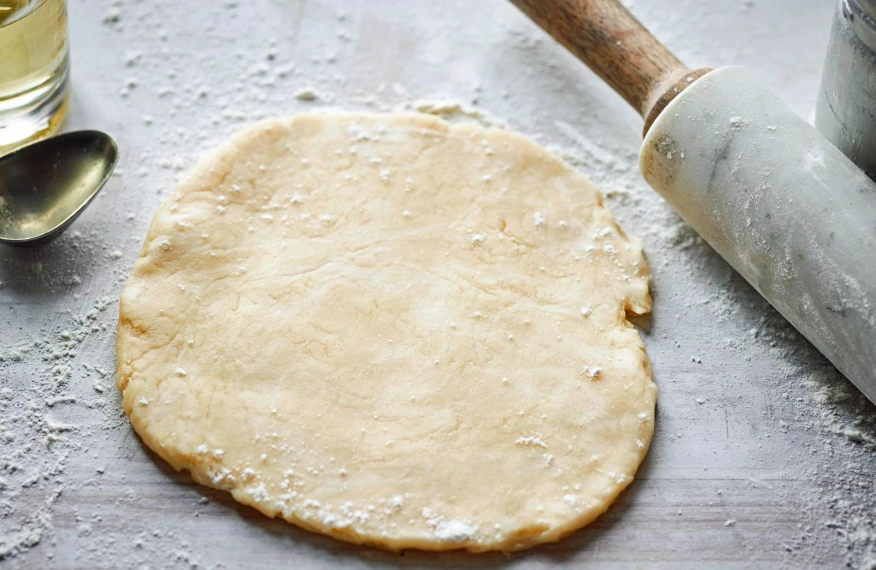
The most common mistake I see? People are scared of having visible pieces of fat. They work the dough until it looks like uniform, yellow sand. That's a recipe for a dense, mealy crust. You need those pea-sized, or even almond-sized, chunks of cold fat. They are your future flakiness.
Think of it this way: The flour-and-water paste between the fat layers sets into delicate sheets. The steam from the fat puffs them up. The remaining fat fries the flour, creating flavor and tenderness. That's your flake.
Your Ingredient Toolkit: A Simple Breakdown
You only need a few things, but their quality and temperature are everything.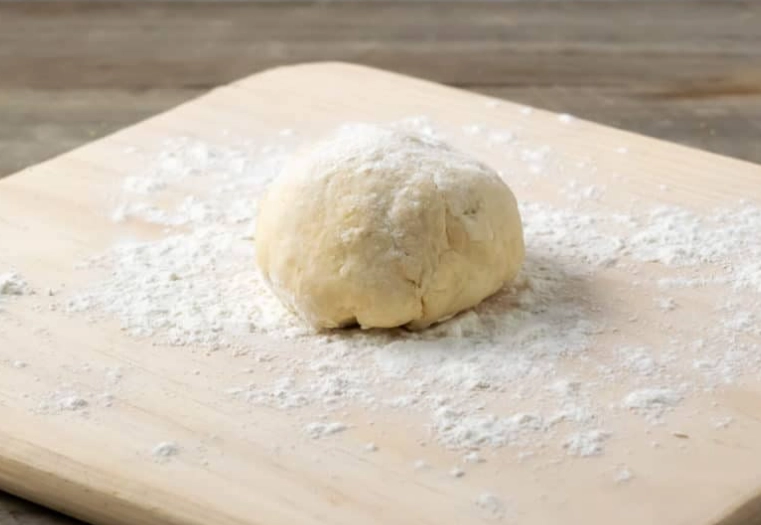
- Flour: All-purpose is the workhorse. Its moderate protein content (around 10-12%) gives structure without excessive toughness. For an even more tender result, some bakers swap a few tablespoons with cake flour. Pastry flour is ideal but not essential.
- Fat: This is where personality comes in.
- Butter: King of flavor. It has about 15% water, which creates fantastic steam. Must be very cold. Unsalted is best for control.
- Lard: The secret weapon for ultimate flakiness. Rendered pork fat has large, crystalline fat structures that create incredible, shattering layers. Its flavor is neutral in sweet applications. If you're not vegetarian, try a butter-lard blend for the best of both worlds.
- Vegetable Shortening: 100% fat, no water. It makes a very tender, soft dough that's easy to handle and holds its shape well. The trade-off is less flavor and a different mouthfeel. Great for decorative pie tops.
- Liquid: Usually ice water. The goal is to hydrate the flour just enough to bring the dough together. Vinegar or vodka (a tablespoon) can be added—acid inhibits gluten, alcohol evaporates quickly for tenderness.
- Salt: Non-negotiable. It enhances flavor and strengthens gluten slightly, but in a good way.
How to Make No-Yeast Pastry Dough: Two Core Methods
You can do this by hand or with a machine. I recommend starting by hand to feel the dough's texture.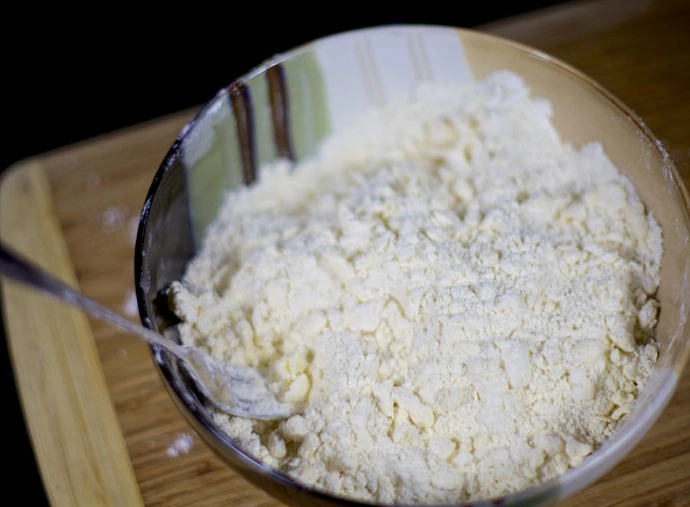
The By-Hand (Rubbing-In) Method
This is meditative. Cube your cold fat into the flour and salt. Using your fingertips, quickly rub the fat into the flour. Lift your hands high to aerate it. Stop when the mixture looks like coarse breadcrumbs with lots of fat chunks the size of peas. Drizzle in ice water a spoonful at a time, tossing with a fork. It will look shaggy. Dump it on a counter, press it together a few times with your hands—no kneading—just until it holds. Wrap and chill.
The Food Processor Method (The “Cheat” That Works)
Purists scoff, but it's brilliant for keeping things cold. Pulse flour, salt, and cold fat until crumbly. Add liquid through the feed tube while pulsing, just until the dough begins to clump. Do not let it form a ball in the processor! That means you've overdone it. Turn the clumps out and press them together by hand.
Whichever method you use, resting the dough is not optional. An hour in the fridge lets the gluten relax and the fat re-solidify. Trying to roll a warm dough is a sticky, frustrating mess.
Three Classic Recipes to Start With
Let's apply the theory. Here are three foundational doughs, each with a slightly different ratio and technique.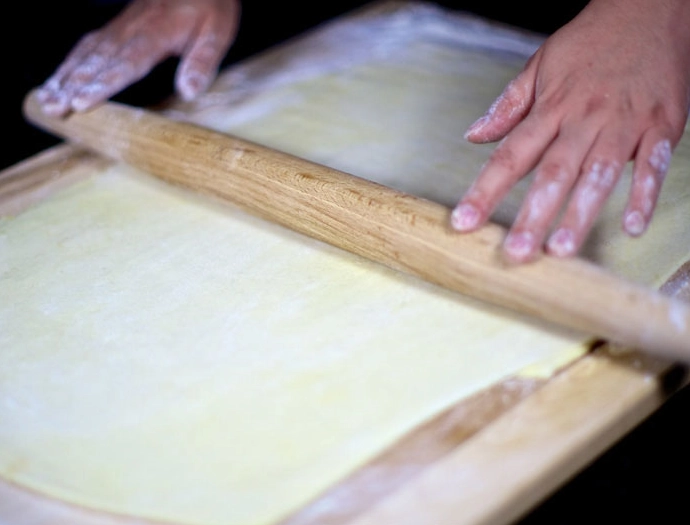
| Dough Type | Best Uses | Key Ratio (Flour:Fat) | Pro Tip |
|---|---|---|---|
| All-Butter Pie Crust | Double-crust pies, quiches, galettes | 3:2 (e.g., 300g flour : 200g butter) | Freeze your butter, then grate it into the flour for super fast, even incorporation. |
| Shortcrust Pastry (Pâte Brisée) | Tart shells, savory pies | 2:1 (e.g., 250g flour : 125g butter) | Add an egg yolk for extra richness and a sturdier, cookie-like shell. |
| Scone Dough | Sweet or savory scones, biscuits | 3:1 (e.g., 360g flour : 120g cold butter) | Use buttermilk as your liquid. The acid makes them incredibly tender and provides a slight tang. |
My go-to weekend project is a buttermilk scone. I use the food processor for speed, pat the dough into a circle, cut it into wedges, and freeze them on a tray. Then I can bake one or two directly from frozen for a fresh, warm breakfast any day of the week. It beats a store-bought pastry every time.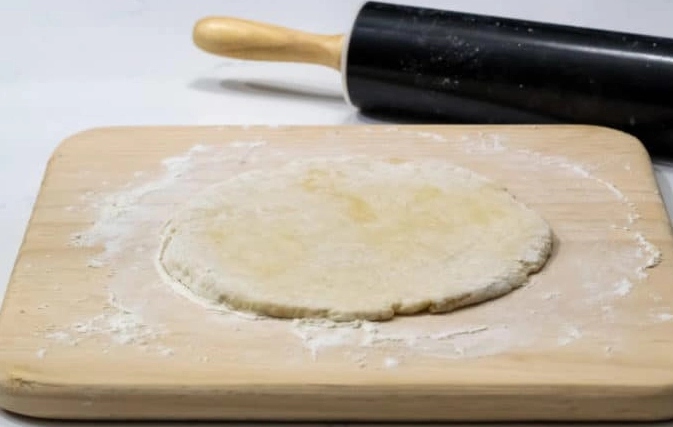
Expert Troubleshooting: Fixing Common Disasters
Things go wrong. Here’s how to diagnose and save your dough.
Problem: The dough is tough and chewy.
Cause: Overworking. You developed too much gluten, either by over-mixing the water in or by kneading it like bread dough.
Fix for next time: Handle it less. Use a lighter touch. For now, you can't undo the gluten, but you can still use it—it might be better for a bottom crust that needs to hold a wet filling.
Problem: The crust shrank dramatically in the oven.
Cause: The gluten was under tension because you didn't let it rest, or you stretched the dough when fitting it into the pan.
Fix: Always rest chilled dough. When lining a pan, lift and gently settle the dough in, never pull or stretch it. Dock (poke) the bottom with a fork if blind baking.
Problem: The fat leaked out, making the pastry greasy.
Cause: The fat was too warm when you started, or the oven wasn't hot enough. The fat melted out before the structure could set.
Fix: Ensure everything is ice-cold. Preheat your oven fully, and consider starting at a higher temperature (e.g., 425°F/220°C) for the first 10-15 minutes to set the structure, then reduce.
Beyond the Basics: Pro Tips & Variations
Once you're comfortable, play around.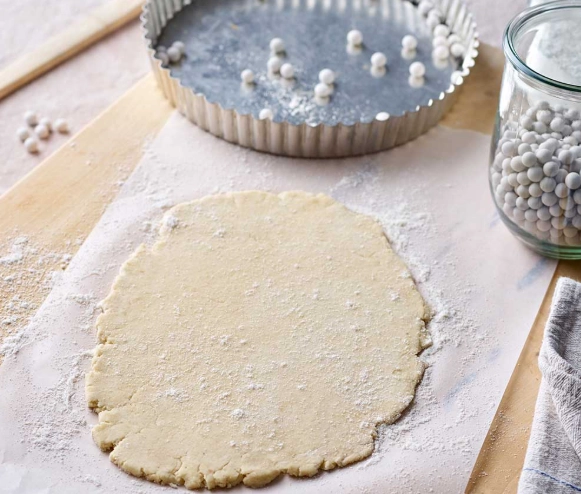
- Cheese & Herb Dough: Add 1/2 cup finely grated sharp cheddar and 2 tbsp chopped fresh herbs (like thyme or chives) to the flour before adding fat. Perfect for savory tarts.
- Sweet Shortcrust: Add 2-3 tablespoons of confectioners' sugar to the flour. Excellent for fruit tarts.
- The Lamination “Lite” Trick: After your initial mix, roll the dough into a rectangle. Fold it in thirds like a letter. Chill. Roll and fold once more. This creates extra, deliberate layers for a flakier result without the full puff pastry effort.
I learned the hard way that substituting whole wheat flour for more than one-third of the total flour weight makes the dough very thirsty and prone to cracking. If you want a whole-wheat crust, use white whole wheat flour and increase the water by a tablespoon or two.
Your No-Yeast Dough Questions, Answered
Absolutely, it's one of its best features. Form the dough into a disc, wrap it tightly in plastic, and freeze for up to 3 months. Thaw it overnight in the refrigerator before rolling. You can also roll it out, line your pie tin, and freeze the whole thing. Some bakers even freeze pre-cut scone shapes on a tray before bagging them, so they can bake from frozen.
Dense scones are almost always a victim of over-handling. After adding the liquid, you should mix just until the dough comes together, then pat it out—no kneading. Also, check your baking powder if you're using it in a recipe; it might be old and lost its potency. Finally, use a sharp cutter and press straight down without twisting, which seals the edges and prevents a good rise.
Both are tricks to maximize tenderness, but they work differently. Vinegar (or lemon juice) is an acid that slightly inhibits gluten formation, leading to a more tender crust. Vodka (or any high-proof neutral spirit) adds liquid to hydrate the flour so the dough is easier to roll, but the alcohol evaporates completely during baking, leaving behind tenderness without extra water that could develop gluten. Many professional recipes, like the one from Cook's Illustrated, champion the vodka trick. You can use a tablespoon of either with good results.
This is the eternal struggle. First, always blind bake your crust for wet fillings like pumpkin or custard. Line the chilled crust with parchment, fill with pie weights or dried beans, and bake at 375°F (190°C) for 15-20 minutes until set. For fruit pies, a sprinkle of breadcrumbs or ground almonds on the bottom crust before adding filling creates a barrier. Also, ensure your fruit filling is bubbling hot when it goes into the pre-baked shell—this helps set the bottom quickly.

Leave a Comment