Let's cut straight to the chase. The basic formula for making a classic, flaky pie crust is the 3-2-1 ratio. That's 3 parts flour, 2 parts fat, and 1 part water, by weight. Memorize that, and you've got the skeleton key to a world of perfect pies. But if you've ever followed a recipe to the letter and still ended up with a tough, crumbly, or soggy mess, you know the numbers are just the beginning. The real magic—and the common pitfalls—lie in the execution, the ingredient choices, and understanding the why behind each step.
I've been making pies for over a decade, from rustic galettes to intricate lattice tops. I've had my share of disasters (a leaking butter soup masquerading as a crust comes to mind). Through all that, I've learned that mastering the basic formula is less about rigid rules and more about managing texture and temperature. This guide will walk you through not just the what, but the how and why, so you can build confidence and consistently produce a crust that's tender, flaky, and holds its own.
What's Inside This Guide
The Core 3-2-1 Ratio Explained
The 3-2-1 ratio is the professional baker's shorthand for pie dough. It's elegant because it's scalable and easy to remember. For a standard 9-inch double crust pie, a common starting point is:
| Ingredient | Ratio (by weight) | Example Weight | Primary Function |
|---|---|---|---|
| Flour | 3 parts | 300 grams | Structure (forms gluten) |
| Fat (Butter, Shortening, Lard) | 2 parts | 200 grams | Flakiness & Tenderness (inhibits gluten) |
| Water (ice cold) | 1 part | 100 grams | Hydration & Binding |
| Salt | Small amount | 5-6 grams (1 tsp) | Flavor enhancement |
This 300g flour, 200g fat, 100g water combo is your blueprint. Notice I emphasize by weight. Using a kitchen scale is the single biggest upgrade you can make to your baking consistency. Cup measurements for flour are notoriously unreliable—you can easily pack in 20% more flour by scooping, which throws the entire delicate balance off.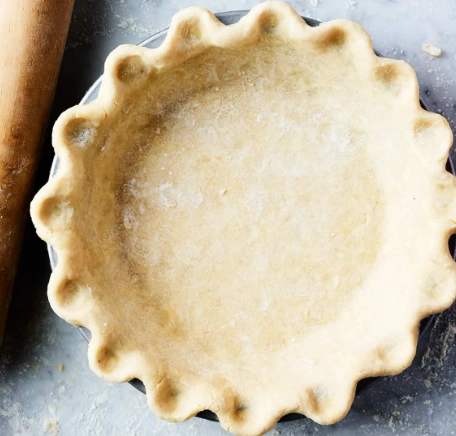
Ingredient Deep Dive: More Than Just Numbers
Choosing your ingredients within this framework is where personality and science meet.
Flour: The Foundation
All-purpose flour is the gold standard. Its moderate protein content (around 10-12%) provides enough structure without creating excessive toughness. Pastry flour (lower protein) yields a more tender, crumbly crust, while bread flour (higher protein) makes it too chewy for most pies. A nuance often missed: the brand matters. King Arthur All-Purpose has a higher protein than many store brands. If your crusts are consistently tough, try a national brand like Gold Medal or Pillsbury for a slightly lower protein content.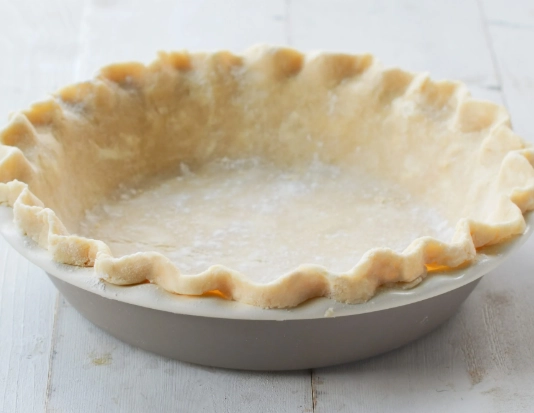
Fat: The Flake Maker
This is the heart of the debate.
- Butter: Delivers unbeatable flavor and decent flakiness. Its water content (about 15-18%) turns to steam during baking, helping to create layers. The downside? It melts at a lower temperature, making the dough trickier to handle in warm kitchens.
- Shortening: Creates a very tender, easy-to-work crust because it's 100% fat and doesn't melt as easily. The trade-off is a bland flavor and a less distinct, more "mealy" flake.
- Lard: The traditional choice. Rendered pork fat produces an incredibly flaky, tender crust with a subtle savory note. It's making a comeback among serious bakers. If you can find high-quality, neutral-tasting leaf lard, it's a game-changer for fruit pies.
My go-to blend: I use 150g of butter (for flavor) and 50g of lard or high-fat European-style butter (for flakiness and handling) within that 200g fat total. This hybrid approach gives you the best of both worlds.
Water & Salt: The Unsung Heroes
Water must be ice-cold. Its job is to hydrate the flour just enough to hold the dough together, not to develop gluten. Some experts, like those at the King Arthur Baking Company, even recommend adding a teaspoon of vinegar or vodka. The acid inhibits gluten formation, while vodka's alcohol evaporates quickly, adding moisture without promoting toughness. It's a pro tip worth trying.
Salt is non-negotiable. It strengthens gluten slightly but, more importantly, it enhances the flavor of the flour and fat, preventing a bland crust. Use fine sea salt or table salt.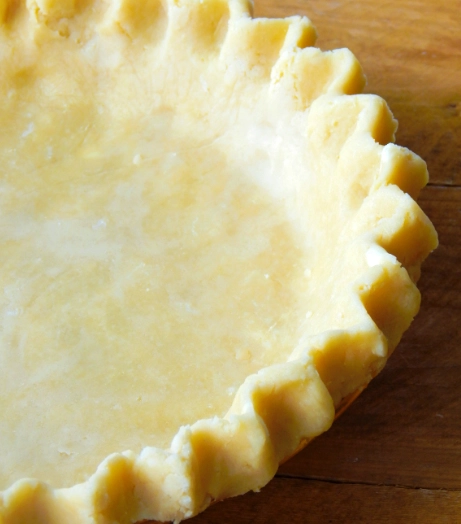
The Step-by-Step Process: Where Most Go Wrong
Technique is everything. You can have perfect ingredients and still ruin them with warm hands or overworking.
1. Mixing the Fat and Flour
Cut your cold fat into small cubes. Toss it with the flour and salt. Now, use a pastry cutter, two forks, or your fingertips to break the fat down. The goal is not a uniform paste. You want a mix of sizes—some pea-sized pieces, some smaller crumbs, even a few larger flat shards. These uneven fat pockets are what will melt and create steam pockets, leading to flakiness. If you reduce it all to fine sand, you'll get a crumbly, shortbread-like crust (which is fine for some tarts, but not a flaky pie).
2. Adding the Liquid
Drizzle in half of your ice-cold water. Use a fork or a silicone spatula to stir and toss. Add more water a tablespoon at a time. Stop when the dough holds together when pinched, but still looks shaggy and dry in the bowl. A common mistake is adding all the water at once, which leads to wet spots and overmixing. The dough should not be smooth or homogenous at this stage.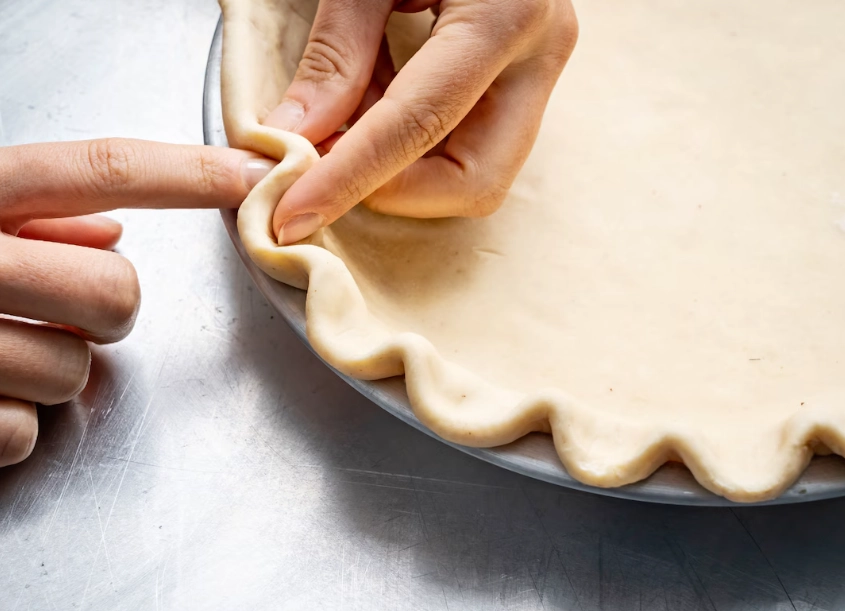
3. Forming and Chilling
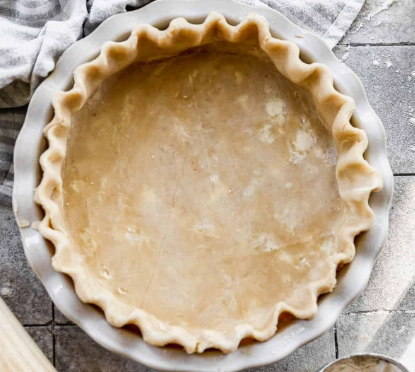
Dump the shaggy mass onto a work surface. Use the heel of your hand to press and smear small portions away from you—a technique called fraisage. This helps laminate the fat into flat sheets without over-developing gluten. Gather the dough into a ball, then flatten it into a thick disk. Wrap it tightly in plastic and refrigerate for at least 1 hour, preferably 2. This is non-negotiable. It re-solidifies the fat, relaxes the gluten, and makes the dough infinitely easier to roll out without sticking or shrinking.
4. Rolling and Baking
Roll on a lightly floured surface, turning the dough quarter-turns to maintain an even circle. Don't roll back and forth like a rolling pin is a steamroller. Use gentle, even pressure. To prevent a soggy bottom crust for wet fillings (like pumpkin or cherry), consider blind baking: line the crust with parchment, fill with pie weights or dried beans, and bake at 375°F (190°C) for 15-20 minutes before adding the filling.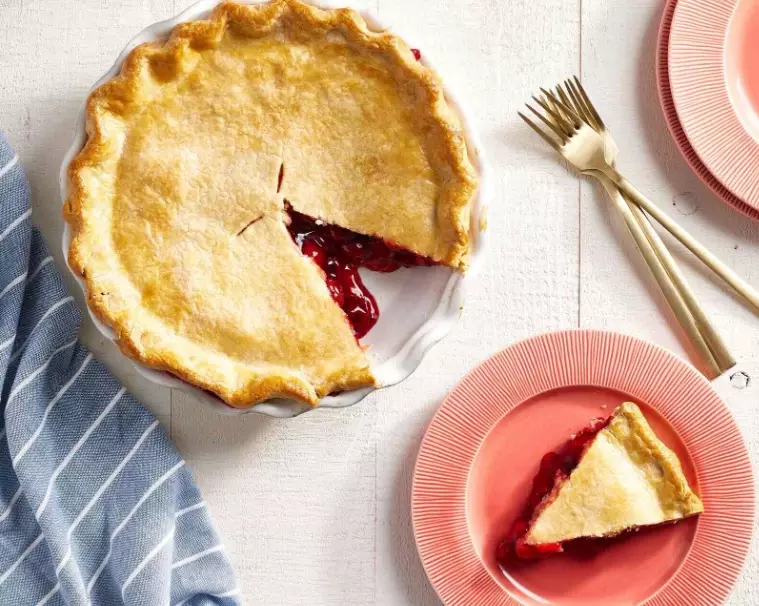
Common Variations and When to Use Them
The 3-2-1 is your neutral canvas. Adjust it for different effects.
- For a Sweeter Crust (Galette, Fruit Pie): Add 1-2 tablespoons of granulated sugar to the dry ingredients.
- For a More Tender, Mealy Crust (Custard or Cream Pie): Use all shortening or blend shortening with butter. Work the fat more thoroughly into the flour until it resembles coarse cornmeal. This minimizes flakiness but creates a sturdy, crumbly shell that resists sogginess.
- For a Richer Crust: Replace 15-30 grams of the water with a beaten egg yolk or a tablespoon of sour cream.
Expert Troubleshooting & FAQ
Why is my pie crust tough and chewy instead of flaky?
Overworking the dough after adding water is the usual culprit. Gluten develops when flour proteins are hydrated and agitated. You mixed it too much, or you kneaded it like bread dough. Next time, mix only until the dough just comes together, and use the fraisage technique gently. Also, check your flour's protein content—it might be too high for a delicate pie crust.
My crust always shrinks dramatically in the pan. How do I stop that?
Shrinkage is caused by gluten tension. You didn't let the dough rest enough in the fridge. The gluten needs time to relax after being worked. Ensure a full 1-2 hour chill. Also, when placing the dough in the pie plate, don't stretch it to fit. Gently lift and settle it into the corners. Any stretching will cause it to snap back during baking.
The bottom crust is soggy, even with blind baking. What gives?
A few tricks beyond blind baking. First, make sure your baking surface is hot. Place a baking sheet or pizza stone in the oven while it preheats and bake the pie on that. The intense bottom heat sets the crust faster. Second, consider an egg wash seal. After blind baking, brush the hot, par-baked crust with a beaten egg white and return it to the oven for 2 minutes. This creates a waterproof barrier. Finally, ensure your filling isn't going in ice-cold; a slightly warm filling can help.
Can I make the dough ahead of time and freeze it?
Absolutely, and I recommend it. Form the dough into disks, wrap tightly in plastic, then place in a freezer bag. It will keep for up to 3 months. Thaw overnight in the refrigerator before rolling. This is a huge time-saver and, ironically, a longer rest often improves the texture.
Butter vs. shortening: which is truly better?
"Better" depends on your priority. If flavor is king, butter wins hands down. If you're a beginner struggling with a warm kitchen or tricky dough handling, shortening is more forgiving. The real expert move is not choosing one, but blending them. Use 75% butter for that irreplaceable taste and 25% lard or high-fat European butter for its higher melting point and superior flakiness. This hybrid approach, as suggested by many professional baking texts, consistently yields superior results.
The basic pie crust formula is a beautiful marriage of simple math and tactile skill. Start with the disciplined 3-2-1 ratio by weight, respect the temperature (keep everything cold), and handle the dough with a light, confident touch. Don't fear the shaggy, imperfect dough—it's that lack of uniformity that leads to glorious, buttery flakes. Now, go weigh your flour and get started. Your next perfect pie is waiting.


Leave a Comment