Let's be honest. Most pie crust recipes are intimidating. They list a dozen ingredients, demand "ice-cold everything," and threaten toughness if you so much as breathe on the dough wrong. For years, I avoided making pies from scratch because of this. Then I discovered the truth: a spectacular, flaky, tender pie crust needs only three things. Not ten. Three. Flour, fat, water. That's it. This isn't a shortcut; it's the foundation. Mastering this minimalist crust will give you more control and better results than any complicated recipe ever could.
Jump to What Matters
The Magic of Three: Why It Works
Every ingredient in this pared-down recipe has a non-negotiable job. There's no filler.
Flour is the structure. All-purpose flour is the sweet spot—it has enough protein to form gluten (which gives strength) but not so much that it makes the crust tough. The key is handling it minimally once the water hits.
Fat is the magic. Whether it's butter, shortening, or lard, solid fat gets cut into the flour. When the dough bakes, these solid pockets melt, creating steam. That steam pushes the layers of flour and water apart, forming the flaky layers we dream about. The fat also coats the flour proteins, inhibiting gluten development and ensuring tenderness.
Water is the glue, but it's a fickle one. It must be ice-cold to keep the fat solid. It hydrates the flour just enough to bring the dough together without activating too much gluten. Too little water, and the dough crumbles. Too much, and you get a tough, chewy crust.
That's the entire science. Everything else—vinegar, sugar, vodka, egg—is a supplement to address potential issues. But if you understand and control these three core elements, you don't need the supplements.
How to Make a 3 Ingredient Pie Crust: Step-by-Step
Here’s the process, broken down into actions that matter.
1. The Cut-In
Measure 1 ¼ cups (160g) of all-purpose flour into a large bowl. Add a pinch of salt if you want (it enhances flavor, but it's technically a fourth ingredient). Take ½ cup (115g) of very cold, cubed fat. Toss the fat in the flour to coat.
Now, use your fingers, a pastry blender, or two knives to cut the fat into the flour. You're not making paste. You're looking for a mix of sizes—some pea-sized pieces, some smaller flakes, some bigger walnut-sized chunks. Those big chunks are your future mega-flakes. Most beginners cut the fat too fine, resulting in a mealy, sandy crust. Leave some chunky bits.
2. The Hydration
Drizzle in 3 to 4 tablespoons of ice water. Start with 3. Use a fork to toss the mixture, just until it looks shaggy and damp. Squeeze a handful. If it holds together without crumbling, you're done. If it's dry and sandy, add the last tablespoon, bit by bit.
This is the most common failure point. People see dry bits at the bottom of the bowl and keep adding water, turning the whole thing into a paste. Stop when the dough just coheres. The dry bits will get incorporated in the next step.
3. The Fold & Rest
Dump the shaggy mass onto a clean surface. Use your hands to press and fold it together a few times—literally like you're folding a letter. Press down, fold over. Do this 4-5 times until no dry flour remains. You should see streaks of fat.
Shape it into a disc, wrap it tightly in plastic, and refrigerate for at least 1 hour, preferably 2. This is non-optional. It re-solidifies the fat and relaxes the gluten, making the dough rollable and flaky.
Don't skip the rest.
Expert Tips for the Best 3 Ingredient Crust
After making this crust a hundred times, here’s what most recipes don’t tell you.
Temperature is everything, but not just for the ingredients. Your hands are warm. If you handle the dough for more than a minute, the fat starts to melt. Work fast. If your kitchen is hot, chill the bowl and tools beforehand.
The "just enough water" test is tactile. The dough shouldn't look perfectly uniform. It should look rough and craggy. When you squeeze a handful, it should hold its shape like damp sand for a sandcastle. If it feels slick or sticky, you've gone too far.
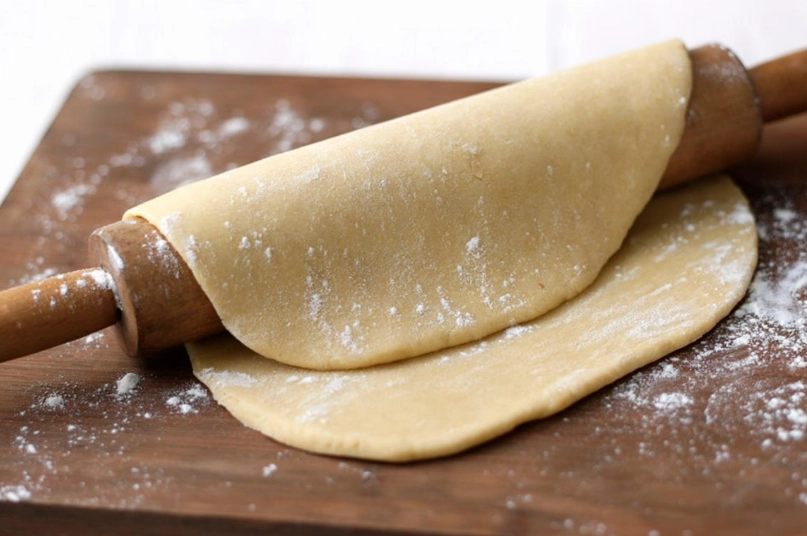
Rolling is not kneading. When you roll out the chilled dough, use firm, confident strokes from the center outward. Don't go back and forth like you're sanding a piece of wood. Every pass warms the dough. Flip and rotate it occasionally to prevent sticking and ensure even thickness.
I learned this the hard way. My first few attempts yielded a crust that was tough on the bottom and crumbly on top. Why? I overworked the bottom layer when maneuvering it into the pie plate. Now, I roll the dough onto my rolling pin and unfurl it over the dish. Game-changer.
The Great Fat Showdown: Butter vs. Shortening vs. Lard
Your fat choice defines your crust's personality. Here’s the real breakdown you won't find on the back of a Crisco box.
| Fat | Flavor | Texture | The Real Deal |
|---|---|---|---|
| Butter | Rich, savory, unbeatable taste. | Flaky, but can be less tender if overworked. Browns beautifully. | The gold standard for flavor. Use European-style for higher fat content and better layers. It melts at a lower temperature, so handle it quick and keep it cold. |
| Vegetable Shortening | Neutral, lets filling shine. | Exceptionally tender and easy to work with. Flaky, but in a more crumbly way. | >The beginner's friend. It has a higher melting point, so it's more forgiving with warm hands. The crust is reliably tender, but lacks the complex flavor of butter. |
| Lard (Rendered Pork Fat) | Subtly savory, incredibly rich. | The flakiest. Creates distinct, shattering layers like a professional pastry. | The secret weapon of old-school bakers. It creates larger, more stable fat crystals than butter. Don't worry, a good, fresh lard doesn't taste "porky." It makes a phenomenally flaky crust. |
| 50/50 Blend (Butter & Shortening/Lard) | Best of both: buttery flavor. | Perfect balance of flakiness and tenderness. | >My personal go-to. I use ¼ cup butter (for flavor) and ¼ cup lard or shortening (for texture and forgiveness). It's the cheat code for a consistently perfect crust. |
My advice? Try them all. Start with butter to understand the flavor benchmark. Then try shortening for its foolproof tenderness. If you're feeling adventurous, seek out good leaf lard. It's a revelation.
Your 3 Ingredient Pie Crust Questions, Answered
The beauty of this 3 ingredient pie crust is its honesty. There's nowhere to hide. Every step, every choice, is visible in the final result. It teaches you the fundamentals of pastry in a way a cluttered recipe never can. Start with it, master it, and then you can decide if you ever want to add a fourth ingredient again. I bet you won't.

Leave a Comment