Let's be honest. A heaping plate of cookies tastes amazing, but it often looks... well, like a heap. We've all been there. You spend hours baking perfect chocolate chip cookies, delicate shortbread, or intricately decorated sugar cookies, only to dump them into a plastic container or pile them on a plain white plate. The magic gets lost.
How you present cookies isn't just about being fancy. It's about respect for your craft. It's the difference between "here's a snack" and "wow, this is an experience." Good presentation makes people pause, smile, and reach for their phone before they reach for a cookie. It can turn a simple treat into a memorable gift, boost sales in a bakery case, or make your holiday table look like it came from a magazine.
I've been on both sides—the home baker shoving cookies into Tupperware and the professional styling treats for photoshoots and shops. The gap isn't as wide as you think. You don't need a culinary degree or expensive props. You just need to shift your mindset from "serving" to "staging."
What's Inside: Your Quick Guide
The Plating Playbook: Beyond the Plate
First, throw out the idea that you must use a round plate. That's rule number one for more interesting cookie presentation. The vessel sets the stage.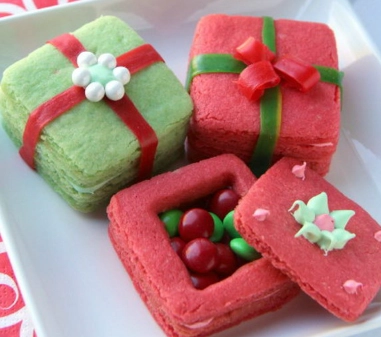
Vessel Variety is Key
Look around your kitchen and house with new eyes.
- Slates and Boards: A wooden cutting board or a slate cheese board adds rustic charm. Perfect for chunky oatmeal raisin or peanut butter cookies.
- Tiered Stands: Instant elegance. Use a vintage cake stand or a modern two-tier server. It creates height and saves table space, letting you showcase multiple types without crowding.
- Baskets and Trays: A shallow wicker basket lined with a checkered napkin screams homemade warmth. A sleek marble tray feels contemporary and luxe.
- Unexpected Finds: A clean, vintage tool box? A ceramic bread bowl? I once used a large, flat terracotta plant saucer (brand new, of course) for a garden party—it was a huge hit.
Pro Tip: Match the vessel to the cookie's personality. Delicate tea cookies belong on fine china. Rugged, oversized cookies look at home on rough wood. This subconscious pairing makes the whole display feel intentional.
The Art of Arrangement
Now, how do you place them? Avoid perfect, soldier-like rows. It feels stiff and unnatural.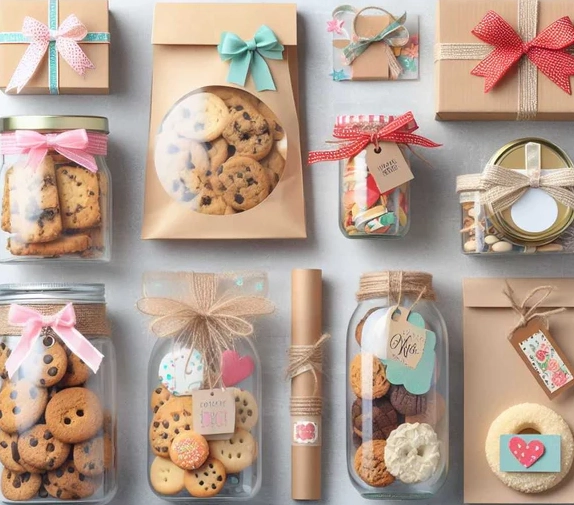
Try the "casual cluster" method. Group 3-5 cookies of the same type slightly overlapping, as if they just landed there. Leave intentional negative space around the cluster. It feels abundant but not messy.
For multiple varieties, use the "sectioning" approach. On a large board, use small ramekins of nuts, a pile of dried fruit, or sprigs of rosemary to naturally divide the space into zones for each cookie type. It guides the eye and prevents a visual jumble.
A common mistake I see is overcrowding. You bake four dozen cookies and feel you need to show all four dozen. Don't. Put out a beautiful, manageable display, and keep the rest in a pretty container nearby to refill. An overflowing plate looks stressful, not inviting.
Packaging That Sells (or Delights)
This is where most store-bought gifts fail. Clear plastic clamshells are functional but soul-crushing. Your packaging should continue the story of the delicious cookie inside.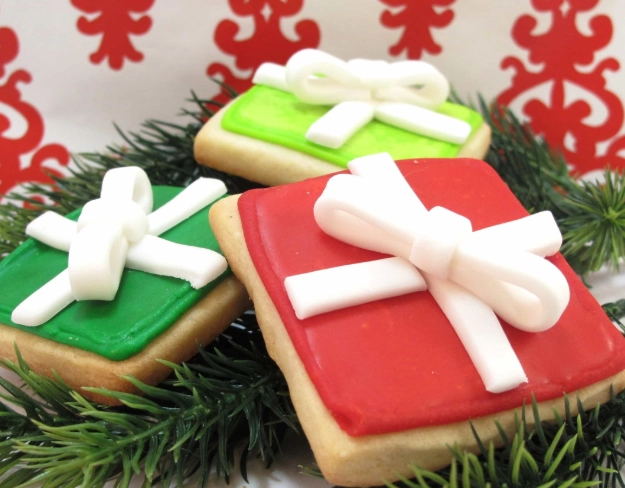
For Gifting & Takeaway
- Cellophane Bags & Twine: A classic for a reason. Use high-quality, crisp cellophane bags. Tie them with baker's twine, raffia, or a strip of burlap. Tuck in a small tag with the cookie name or a handwritten note.
- Paper Boxes with Windows: These offer structure and a sneak peek. Decorate the top with a sticker or a stamp. They stack well and feel substantial.
- Mason Jars: Layer different cookies in a clean mason jar. It's visual, protects fragile cookies, and the jar is reusable. Tie fabric over the lid for a cottage-core vibe.
- Chinese Takeout Boxes (Cardboard): Quirky, fun, and surprisingly practical. They're inexpensive and assemble in seconds.
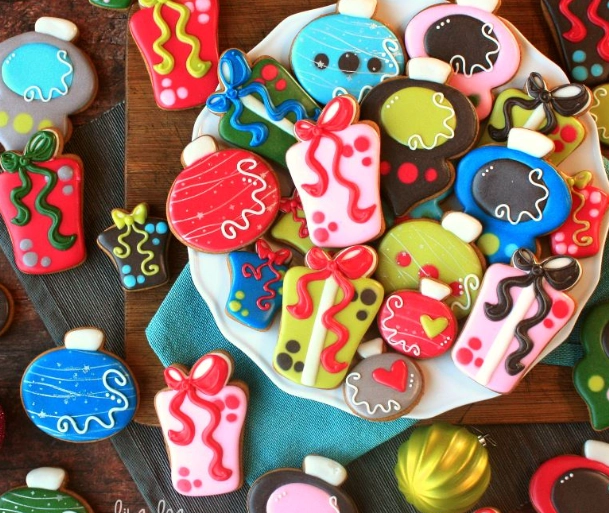
Avoid This: Never package soft/chewy cookies and crisp cookies together in an airtight container. The moisture will migrate, making the crisp ones soft and the soft ones potentially soggy. Package similar-texture cookies together, or use separate compartments.
For Bakery Counters
If you sell cookies, your display is a silent salesperson. Use consistent, branded packaging. Even a simple white pastry bag with a custom-printed sticker looks professional. Consider offering a "mix-and-match" box where customers can choose a few of several kinds—present the empty box as part of the display so they understand the offer immediately.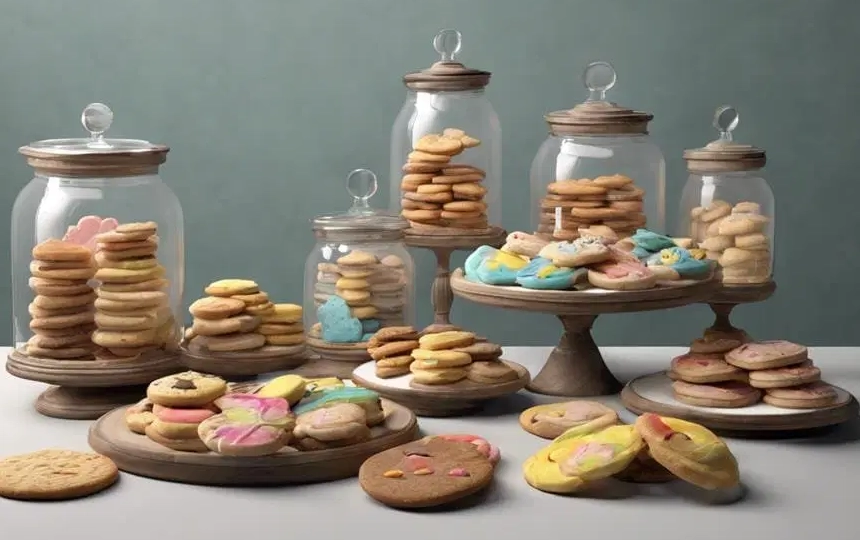
The Stylist's Secrets: Color & Texture
This is the subtle magic that elevates a good display to a great one. It's about creating a complete scene.
Texture Layers: Cookies are often one texture. Add others around them. Place a linen napkin under a slate board. Use a doily on a wooden tray. Scatter a few whole walnuts, cinnamon sticks, or star anise around the plate's edge. These elements add visual interest and subconsciously suggest flavor and quality.
Color Pops: A plate of all brown cookies (chocolate chip, gingerbread) can look flat. Introduce a color accent. A vibrant orange napkin underneath. A few fresh raspberries or mint leaves scattered nearby. If you have any cookies with icing or sprinkles, use them as your color anchors and build the arrangement around them.
The Power of Height: Flat surfaces are boring. Use a small inverted bowl or a ramekin hidden under a napkin to lift a cluster of cookies. Prop some cookies up vertically against others or the side of a jar. This creates shadows and dimension, making the display more dynamic in photos and in real life.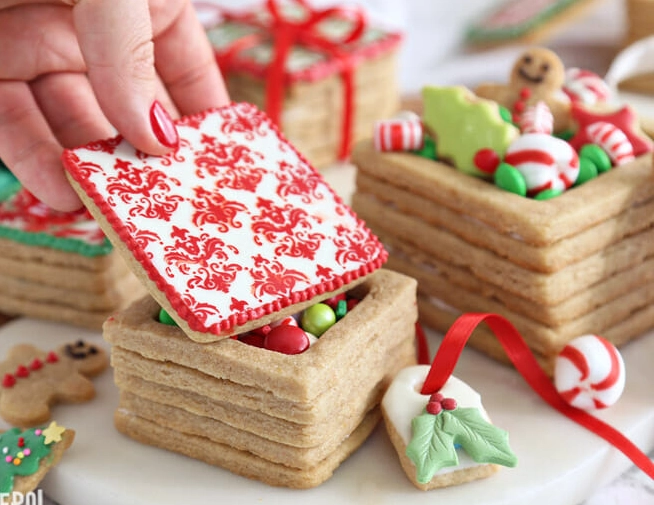
My personal hack? A tiny, barely-there dusting of powdered sugar or edible glitter over the whole arrangement (vessel included) just before serving. It catches the light and makes everything look finished and special. Don't overdo it—think fairy dust, not a snowstorm.
A Real-World Case: Sarah's Bakery Turnaround
Let's make this concrete. My friend Sarah ran a small home bakery. Her cookies were incredible, but her sales for cookie boxes were stagnant. She used plain white cardboard boxes.
We made three changes:
- Switched to a kraft box with a small clear window.
- Inside, we used crinkly paper shreds in a neutral color to nestle the cookies, instead of just laying them flat.
- We sealed the box with a custom sticker featuring her logo and a simple line drawing of a cookie.
The cost increase per box was less than 50 cents. Within a month, her cookie box orders doubled, and her Instagram tags skyrocketed because people were posting pictures of the cute box before they even opened it. The product was the same. The experience was new. That's the power of presentation.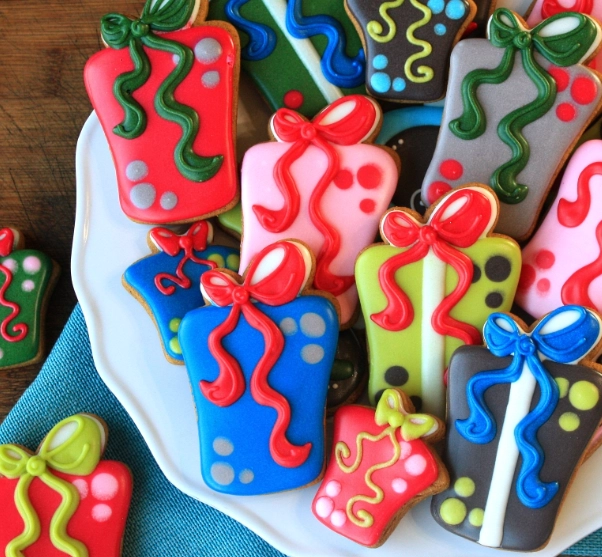
Your Cookie Presentation Questions, Answered
I'm not artsy and my cookies are all different shapes and sizes (they're homemade!). How do I make them look good?
Embrace the irregularity! That's the charm of homemade. Don't try to force them into perfect symmetry. Use a "scattered" approach on a large board, letting the different shapes and sizes mingle. Group a few similarly-sized ones together, but let a few rogue ones sit apart. Fill gaps with nuts or dried fruit. The key is to make it look intentional, not messy. Choose a vessel with a lip or edge to contain the casual look.
What's the best way to present cookies for a bake sale where they need to be individually wrapped and sanitary?
Sanitation and style can coexist. Pre-wrap each cookie or pair of cookies in clear cellophane, twist-tied shut. Then, present those wrapped units beautifully. Arrange them standing up in a deep basket or a clean, decorated cardboard box so people can easily see and grab them. Place a sign with the name and price in front of each variety. The overall display looks abundant and attractive, while each item stays protected and ready to go.
How can I make a simple plate of chocolate chip cookies look special for last-minute guests?
Speed is key here. Grab a wooden board or a colored plate—anything but plain white. Pile the cookies in a loose stack, not a spread-out circle. While the last batch is cooling, warm a tablespoon of honey and very lightly brush the tops of the already-cooled cookies for a subtle shine. Immediately sprinkle with a tiny pinch of flaky sea salt. Place a small bowl of cold milk or a tiny pitcher of cream next to the plate. The whole setup takes 90 seconds and transforms the ordinary into "thoughtful."
I see beautiful displays online, but they look fragile. How do I make a stable display that won't collapse if someone picks up a cookie?
This is a crucial practical point many stylists ignore for photos. Your foundation must be stable. Use a heavy board or a tray with a non-slip liner underneath (a damp paper towel under a cloth napkin works). When building height, ensure your prop (like a small bowl) is wide and flat enough not to tip. Avoid precarious vertical stacking. Instead of stacking cookies high, create the illusion of height by using a tiered stand or propping some cookies against the stable back of a jar or a book (covered in parchment) placed flat on the table. Test it—give the table a gentle nudge and see if anything slides.
Remember, attractive cookie presentation isn't about being perfect or spending money. It's about using what you have with a little more thought. It's about creating a moment of delight before the first bite. So next time you pull a batch from the oven, take five extra minutes. Choose a interesting plate, cluster them with purpose, add a sprig of herb. You'll taste the difference, because you'll see it first.
Leave a Comment