Let's talk about coconut macaroons. You've probably had a bad one—dry, crumbly, tasting more like sweetened sawdust than tropical paradise. Maybe you've even tried a recipe that promised simplicity but left you with a puddle of coconut soup that refused to hold its shape. I've been there. After a decade of baking them professionally and tweaking recipes in my home kitchen, I've landed on a method that works every single time. This isn't just another coconut macaroons recipe; it's the blueprint for achieving that elusive, perfect texture: crisp, golden edges giving way to a moist, dense, and intensely coconutty center.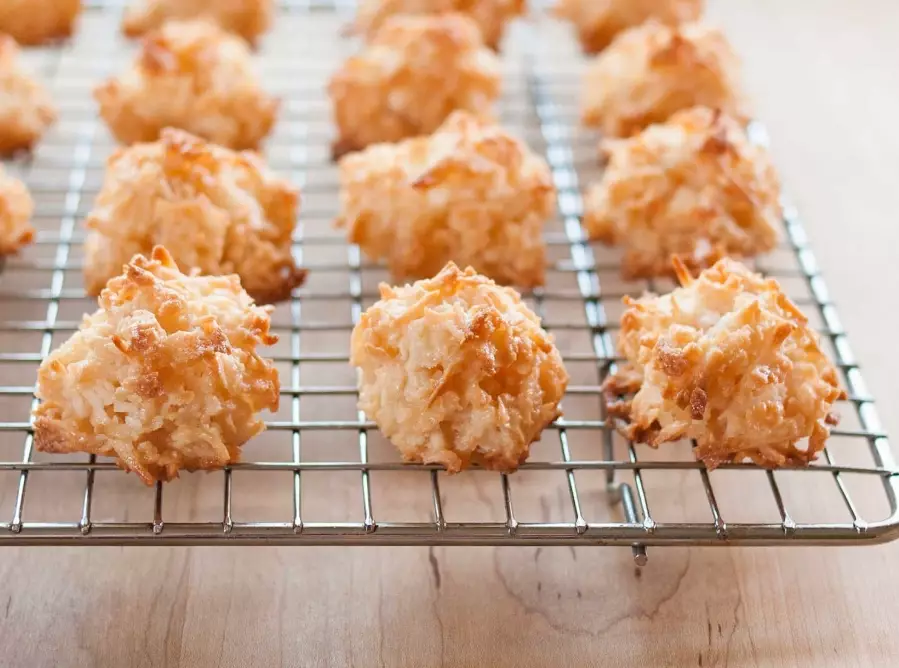
What's Inside This Guide
What You'll Need: The Simple Ingredients
Great coconut macaroons start with understanding your ingredients. This is a short list, but each one plays a critical role.
| Ingredient | Quantity | Role & Why It Matters |
|---|---|---|
| Sweetened Shredded Coconut | 14 oz (about 5 ⅓ cups) | The star. Don't use desiccated coconut—it's too dry. The shreds should be moist and fluffy. |
| Sweetened Condensed Milk | 1 can (14 oz) | The primary sweetener and binder. It provides moisture, richness, and that iconic flavor. Low-fat works, but full-fat is better. |
| Pure Vanilla Extract | 2 teaspoons | Enhances the coconut flavor. Use the real stuff, not imitation. |
| Fine Sea Salt | ½ teaspoon | Balances the sweetness and makes the coconut flavor pop. Non-negotiable. |
| Large Egg Whites | 2 | The secret weapon for structure. They create a light, airy matrix that holds the coconut together without being eggy. |
That's it. No flour, which makes these naturally gluten-free. Now, here's a nuance most recipes gloss over: the type of mixing bowl matters for the egg whites. Use a very clean, grease-free metal or glass bowl. Any trace of fat (like yolk or oil) can prevent the whites from incorporating properly. I learned this the hard way during a busy holiday bake—a batch that just wouldn't set taught me to be meticulous about this step.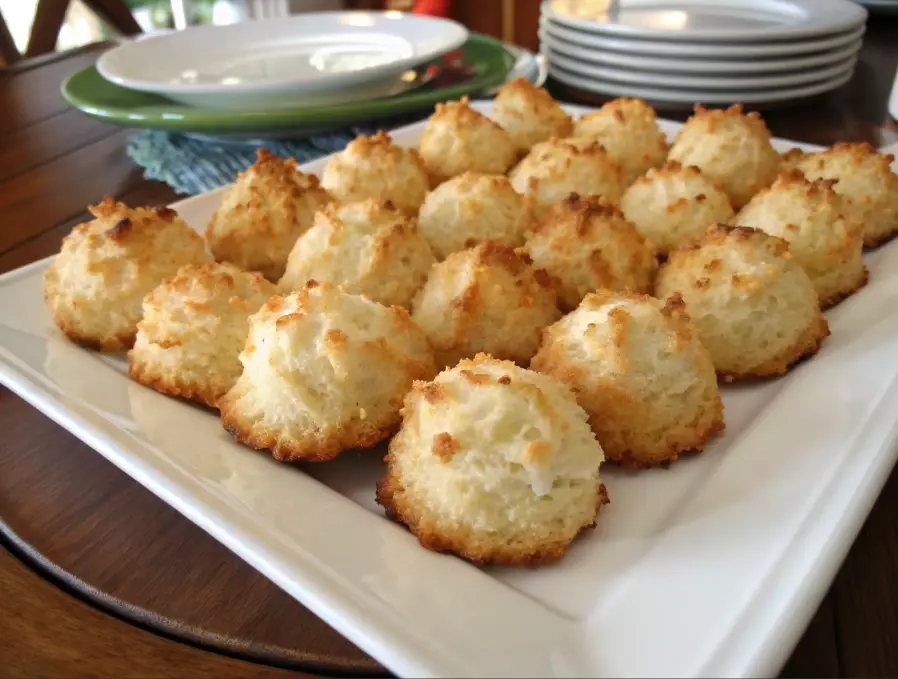
The Step-by-Step Method to Perfect Macaroons
Follow these steps in order. Rushing or skipping ahead is where most mistakes happen.
1. Prep and Preheat
Line two baking sheets with parchment paper. Do not grease them. Preheat your oven to 325°F (160°C). A precise oven temperature is crucial—too hot and the bottoms burn before the centers set; too low and they dry out. If you have an oven thermometer, use it.
2. Combine the Base
In a large bowl, stir together the shredded coconut, sweetened condensed milk, vanilla, and salt. Mix until every strand of coconut is evenly coated. It will look like a thick, sticky mass. Let it sit for 5 minutes. This resting period allows the coconut to absorb the milk, which is key for a cohesive dough.
3. The Egg White Trick
In that clean, grease-free bowl, whisk the two egg whites with a fork or small whisk just until they become frothy and loose. You are not making meringue—no stiff peaks needed. You just want to break them up so they incorporate evenly. Pour the frothy whites over the coconut mixture.
Why this works: The lightly whipped egg whites create a protein network that binds the coconut during baking. It's the difference between a macaroon that holds a perfect mound shape and one that spreads into a flat, greasy puddle. This is the single most important technique in this entire coconut macaroons recipe.
4. Fold and Form
Use a spatula to fold the egg whites into the coconut mixture. Be thorough. The mixture will become slightly less sticky and more manageable. Using a firmly packed 1.5-tablespoon cookie scoop or two spoons, form tight mounds. Place them about 1.5 inches apart on the prepared sheets. Press down lightly to create a flat bottom—this prevents tipping.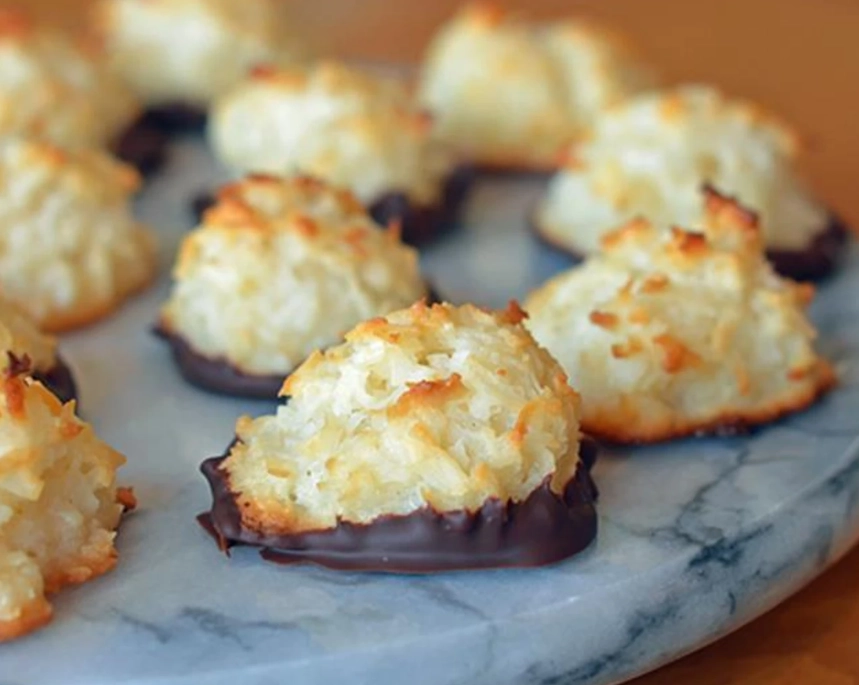
5. Bake to Perfection
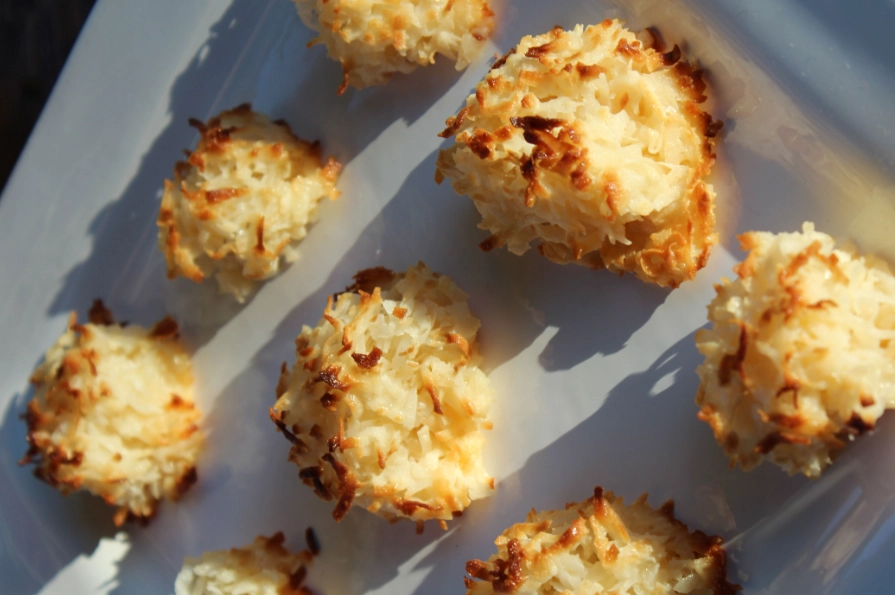
Bake for 20-25 minutes, rotating the sheets front-to-back and top-to-bottom halfway through. Watch for color. They are done when the peaks and edges are a deep, toasty golden brown, and the bottoms are lightly browned. The centers will still feel soft but set.
Let them cool completely on the baking sheet. They firm up as they cool. Trying to move them warm is a recipe for breakage.
Expert Tips and Common Pitfalls
I've seen every mistake in the book. Here’s how to avoid them.
Pitfall 1: Dry, Crumbly Macaroons. This usually means overbaking or using coconut that's too dry (like desiccated). Stick to sweetened shredded coconut and pull them out the second the edges are golden.
Pitfall 2: Flat, Spreading Macaroons. The binder failed. This happens if you skip the egg whites, don't mix them in properly, or your condensed milk-to-coconut ratio is off (measuring cups, not weight, for coconut can cause this). Follow the measures above.
Pitfall 3: Sticking to the Pan. Parchment paper is your best friend. Silicone mats can sometimes cause excessive spreading. I only use parchment for these.
A pro tip for extra-chewy centers: After mixing, cover the bowl and refrigerate the dough for 30 minutes before scooping. This chills the fats and allows for even more absorption, resulting in a denser, moister bite.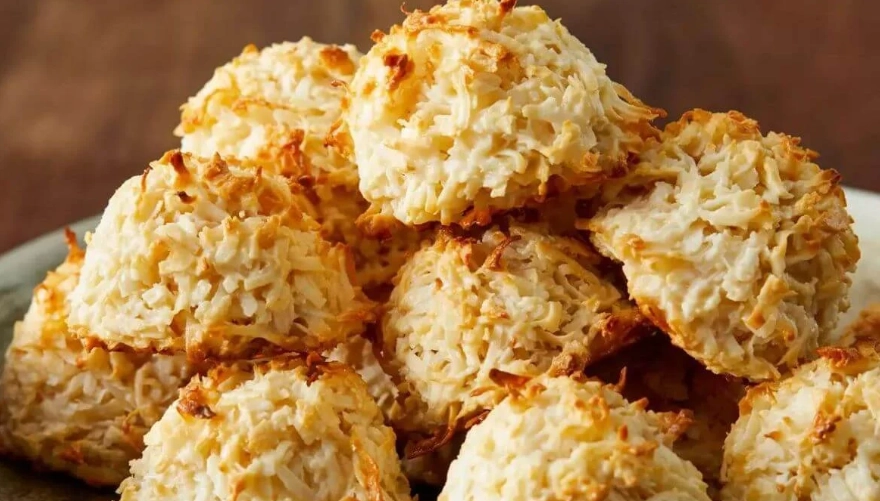
Delicious Variations to Try
Once you've mastered the classic, get creative.
Chocolate-Dipped: Melt 6 oz of semi-sweet chocolate with 1 teaspoon of coconut oil. Dip the cooled macaroons halfway and let set on parchment.
Almond Joy Style: Press a whole almond into the top of each mound before baking. After baking and cooling, dip the bottom in chocolate.
Key Lime Twist: Add 2 tablespoons of key lime zest and 1 tablespoon of juice to the base mixture. It cuts the sweetness beautifully.
How to Store and Keep Them Fresh
Proper storage is part of a good coconut macaroons recipe. At room temperature in an airtight container, they'll stay perfect for 4-5 days. They also freeze exceptionally well for up to 3 months. Place them in a single layer on a tray to freeze solid, then transfer to a freezer bag. Thaw at room temperature.
If they seem a touch dry after a few days, a quick 5-second zap in the microwave can bring back that just-baked softness.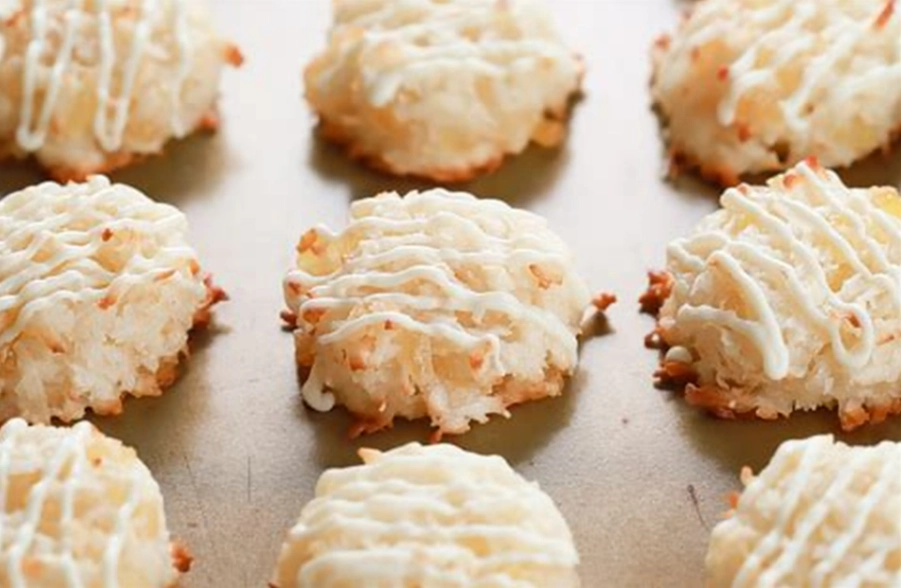
Your Coconut Macaroon Questions Answered



Leave a Comment