Cookie decorating seems magical until you try it and end up with a messy kitchen and sad-looking treats. I've been there—my first decorated cookies were lumpy, off-color, and frankly, a bit embarrassing. But after a decade of teaching workshops, I've nailed down the techniques that actually work for beginners. This guide cuts through the fluff and gives you the practical steps to create cookies you'll be proud to share.
Jump to What You Need
Essential Tools for Cookie Decorating
You don't need a fancy baking store haul to start. Focus on these basics, and you'll save money and frustration. I learned this the hard way after buying every gadget under the sun.
Must-Have Icing Bags and Tips
Forget the disposable plastic bags from the grocery store—they burst easily. Invest in a few reusable piping bags made of silicone or thick fabric. They cost around $5 each and last years. For tips, start with just three: a round tip (like Wilton #3), a star tip (#21), and a flooding tip (#2). That's it. More tips mean more confusion for beginners.
Here's a quick table to break it down:
| Tool | Purpose | Beginner Recommendation |
|---|---|---|
| Piping Bags | Holding icing for precise application | Reusable silicone bags (12-inch size) |
| Round Tips | Outlining and writing details | Wilton #3 or #4 |
| Flooding Tips | Filling large areas smoothly | Wilton #2 or a squeeze bottle |
| Cookie Cutters | Shaping cookies before baking | Simple shapes like circles or squares |
Choosing the Right Cookie Cutters
Complex shapes like intricate snowflakes are tempting, but they're a nightmare for beginners. Start with basic cutters—circles, squares, or hearts. They're easier to decorate and less likely to break. I made the mistake of using a detailed reindeer cutter early on; the antlers always crumbled. Stick to simple shapes until you get the icing right.
Basic Cookie Decorating Techniques Step-by-Step
Let's dive into the actual decorating. I'll walk you through two fundamental methods: flooding and piping. These are the backbone of cookie art.
How to Flood Icing for Smooth Surfaces
Flooding is filling a cookie with a thin layer of icing to create a smooth base. The key is icing consistency—it should flow like honey. Too thick, and it won't spread; too thin, and it'll run off the edges. Here's my step-by-step process:
- Make royal icing: Use a simple recipe: 2 cups powdered sugar, 2 tablespoons meringue powder, and 3-4 tablespoons water. Mix until stiff peaks form, then thin it with water drop by drop. Test by lifting your spoon—the icing should drizzle back and disappear into the bowl in 10 seconds.
- Outline the cookie: With a thicker icing (like toothpaste consistency), pipe a border around the edge using a round tip. This acts as a dam for the flood icing.
- Flood the center: Switch to a flooding tip or a squeeze bottle. Fill the outlined area, then use a toothpick to spread the icing evenly. Don't overwork it; let it settle naturally.
I remember flooding my first batch too quickly—the icing pooled in the middle and dried lumpy. Take your time, and work on one cookie at a time.
Piping Borders and Details
Once the flooded base dries (about 4-6 hours), you can add details. Piping is about control. Hold the bag at a 45-degree angle, squeeze gently, and lift as you go. Practice on parchment paper first. Start with simple dots, lines, or zigzags. For beginners, avoid intricate designs like lace—they require steady hands and patience.
Common Mistakes Beginners Make and How to Avoid Them
Everyone makes errors, but knowing these upfront saves heartache. Here are the big ones I see in my workshops.
The Icing Consistency Trap
Most tutorials say "aim for toothpaste consistency," but that's vague. For outlining, it should hold its shape when piped—think stiff buttercream. For flooding, it should be fluid but not watery. A trick: drop a spoonful onto a plate; if it flattens out smoothly within 10 seconds, it's good. If it stays peaked, add water. If it spreads too fast, add more powdered sugar.
I used to add too much water, resulting in runny icing that ruined my cookies. Now, I always keep extra powdered sugar on hand to thicken it up if needed.
Rushing the Drying Process
Decorated cookies need time to dry—at least 4 hours for flooding, 24 hours for layered designs. Don't stack them or cover them while wet; humidity causes smudging. I once put cookies in a container too soon, and they stuck together. Lesson learned: use a fan or a dehydrator on low setting to speed things up safely.
Pro Tips from a Decade of Experience
Beyond the basics, these insights come from years of trial and error. They're not always mentioned in beginner guides.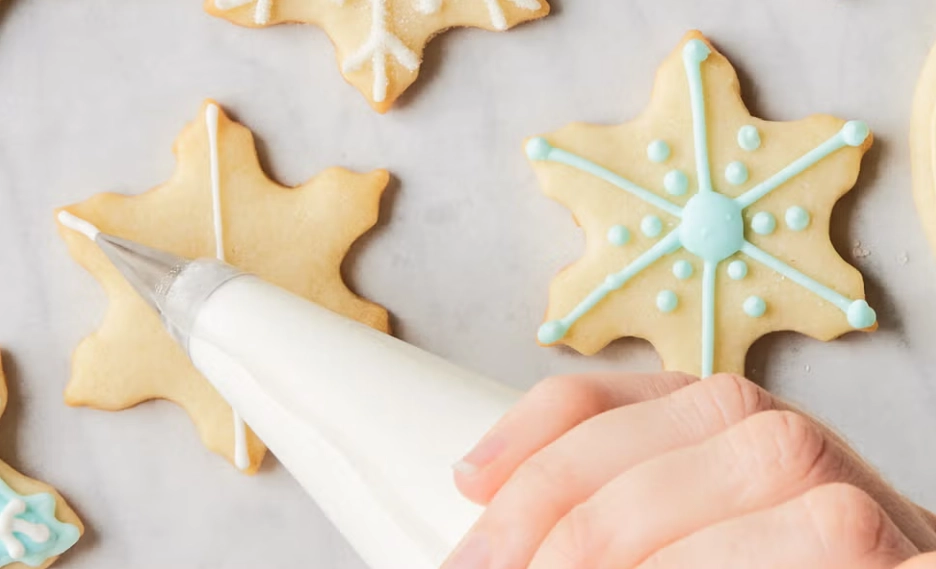
Using Food Coloring Effectively
Gel colors are better than liquid—they're more vibrant and don't thin the icing. Start with a toothpick dip, mix thoroughly, and add more gradually. A common mistake: using too much color, which can make icing bitter. For pastel shades, use a tiny amount. I prefer brands like Americolor or Wilton for consistency.
Also, let colored icing sit for 30 minutes before using; the color deepens over time. I've had pink turn orange because I didn't wait.
Adding Edible Glitter and Sprinkles
Sprinkles can elevate simple cookies, but timing is everything. Apply them while the icing is still wet—right after flooding or piping. If you wait, they won't stick. For glitter, use a dry brush or sprinkle it on wet icing. Avoid overloading; a little goes a long way. I've seen beginners dump sprinkles on, making cookies look messy instead of festive.
Consider the cookie's purpose: for kids, go bold with colors; for adults, subtle metallics work well. Refer to resources like the International Cake Exploration Society for trends, but adapt to your skill level.
Frequently Asked Questions (FAQ)
Cookie decorating is a skill that improves with practice. Start simple, be patient, and don't compare your first batch to Pinterest perfection. My early cookies were disasters, but now I teach others. Grab your tools, try these techniques, and remember—the goal is to have fun and enjoy the process. Happy decorating!



Leave a Comment