Cookie decorating looks magical, but it's really about mastering a few key techniques. I've been doing this for over a decade, and let me tell you, the difference between a messy cookie and a showstopper comes down to steps most tutorials skip. This guide cuts through the fluff and gives you a clear, actionable path from beginner to confident decorator.
What You'll Learn in This Guide
Essential Tools and Materials You Actually Need
Don't get overwhelmed by fancy kits. Start with these basics. I learned the hard way that cheap tools can ruin your work.
Piping bags and tips: Disposable bags are easier for beginners. For tips, a #2 round tip for outlines and a #3 or #5 for flooding are essentials. Brands like Ateco or Wilton are reliable, but I've had clogging issues with off-brand tips.
Food coloring: Gel-based colors (like AmeriColor or Chefmaster) are a must. Liquid colors water down your icing. Trust me, I once used liquid red and ended up with pink soup.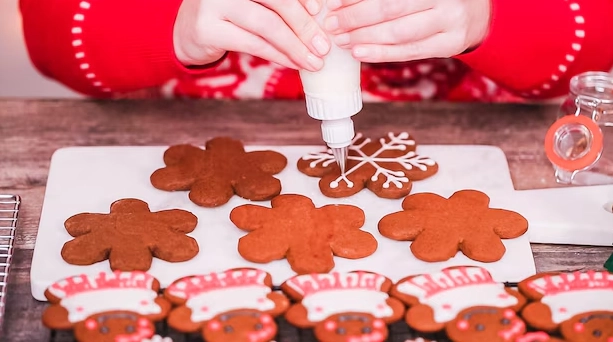
Cookies: Use a sturdy recipe like a sugar cookie that holds its shape. Chill the dough before baking to prevent spreading. Here's a quick comparison of common bases:
| Cookie Type | Best For Decorating | Drying Time After Baking |
|---|---|---|
| Classic Sugar Cookie | All techniques, holds shape well | Cool completely (1-2 hours) |
| Gingerbread | Firm base, good for structures | Cool completely, can be overnight |
| Shortbread | Rich flavor, but can crumble | Cool completely, handle gently |
Other items: scribe tool (a toothpick works), turntable (optional but helpful), and parchment paper. Skip the fancy drying racks at first; a baking sheet lined with parchment does the job.
Mastering Royal Icing: The Non-Negotiable Foundation
Royal icing is the paint for your cookie canvas. Get this wrong, and everything else falls apart.
Getting the Consistency Right (The Big Secret)
Icing consistency is everything. Most beginners make it too thick or too runny. You need two main consistencies: outline consistency (like toothpaste) and flood consistency (like honey).
To test outline consistency, pipe a line—it should hold its shape without breaking. For flood consistency, drop a spoonful back into the bowl; it should disappear in 10-15 seconds. I often see people adding water by the tablespoon, but that's a mistake. Add water a few drops at a time, mixing thoroughly. A handheld mixer helps, but don't overmix or you'll incorporate air bubbles.
Pro Insight: Humidity affects icing. On humid days, use slightly less water. I keep a dehumidifier in my kitchen during summer projects.
Flavorings: Add clear vanilla or almond extract. Avoid dark extracts like maple—they can tint the icing.
Step-by-Step Decorating Techniques That Work
Let's dive into the actual decorating. Follow these steps in order.
Step 1: The Outline and Flood Technique
This is the backbone of cookie decorating. Outline the cookie with thicker icing using a #2 tip. Let it set for a minute—this creates a dam. Then, fill with flood-consistency icing. Use a scribe tool or toothpick to spread it evenly to the edges.
Common mistake: Flooding too soon before the outline sets, causing leaks. Wait until the outline is tacky, not wet.
Step 2: Adding Layers and Details
After the base layer dries (4-6 hours, or use a fan to speed it up), add details. Use a #1 or #2 tip for fine lines, dots, or writing. Practice on parchment first. I ruined a batch by piping directly without testing the pressure.
For designs like flowers or faces, pipe small dots and drag them with a toothpick. It's simpler than it looks.
Step 3: Embellishments and Finishing Touches
Add sprinkles or edible glitter while the icing is wet. For a glossy finish, use a edible glaze spray after everything dries. But go light—too much can make colors bleed.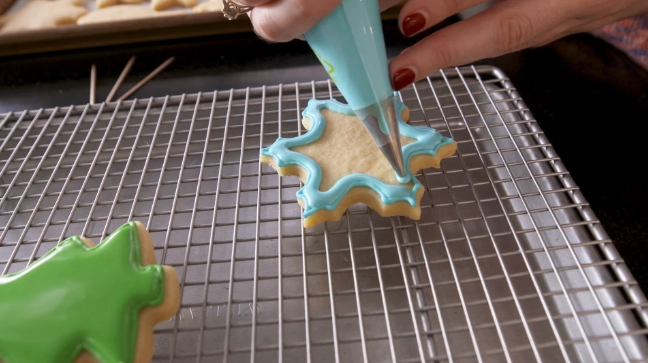
Watch Out: Don't mix metallics directly into icing; they can alter consistency. Apply them dry with a brush after drying.
Experiment with techniques like marbling: drop different colored flood icings and swirl gently. It's forgiving and looks professional.
Pro Tips and Common Pitfalls to Avoid
Here's where experience talks. I've seen these errors repeatedly.
Pitfall 1: Rushing the drying process. Impatience leads to smudged layers. Royal icing needs time to crust and harden. In humid climates, it can take overnight. Use a fan or dehumidifier, but don't force it with heat—that can cause cracking.
Pitfall 2: Incorrect icing storage. Leftover icing should be covered with plastic wrap touching the surface to prevent a skin from forming. I store mine in airtight containers for up to a week. Revive it with a few drops of water and a quick mix.
Pitfall 3: Overcomplicating designs. Start simple. A perfectly flooded cookie with a few dots looks better than a messy intricate design. Build skills gradually.
Color mixing tip: Mix colors in small batches. Gel colors intensify over time, so mix slightly lighter than desired.
Cleaning: Rinse piping tips immediately after use. Dried icing is a nightmare to remove. I keep a bowl of water handy during decorating sessions.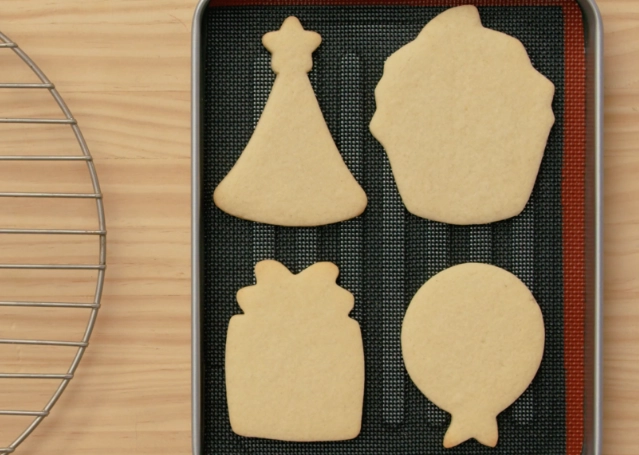
Your Cookie Decorating Questions Answered
 Why does my icing have air bubbles, and how can I avoid them?




Leave a Comment