You know that feeling in December? The calendar fills up, your to-do list grows, and the idea of baking ten different kinds of holiday cookies feels like a mountain you just can't climb. That's exactly why a cookie exchange party isn't just fun—it's a genius solution. It turns a solo baking marathon into a social event where everyone leaves with a stunning variety of treats and half the stress. I've hosted and crashed my fair share of these swaps over the years, and I've learned what turns a good idea into a legendary annual tradition. Forget the basic "bring a dozen, take a dozen" setup. Let's build a cookie exchange that people actually look forward to, with less fuss and more flavor.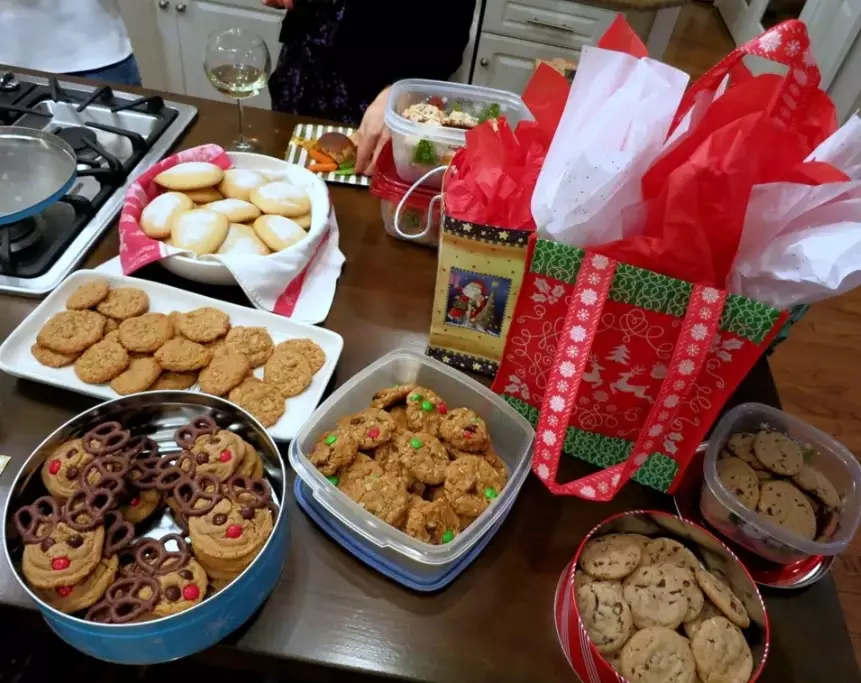
What's Inside This Guide?
Why a Cookie Exchange is Your Holiday Secret Weapon
Think of it as efficiency meets joy. Instead of one person spending a weekend and a small fortune on ingredients to make multiple batches, the work (and cost) is distributed. Each guest masters one or two recipes. The payoff? Everyone goes home with a beautifully assorted box or tin of professional-looking cookies, perfect for gifting, serving at your own gatherings, or (let's be honest) a personal stash that didn't require you to bake them all.
But the real magic isn't just in the cookies. It's in the shared experience. It's an afternoon of laughter, tasting, and swapping stories. It's the pride in showing off your signature snickerdoodle and the delight in discovering a new favorite. For new neighbors or colleagues, it's a warm, low-pressure way to connect. For old friends, it's a cherished ritual. You're not just exchanging baked goods; you're exchanging a bit of holiday spirit.
Planning the Perfect Swap: Rules, Theme & Guest List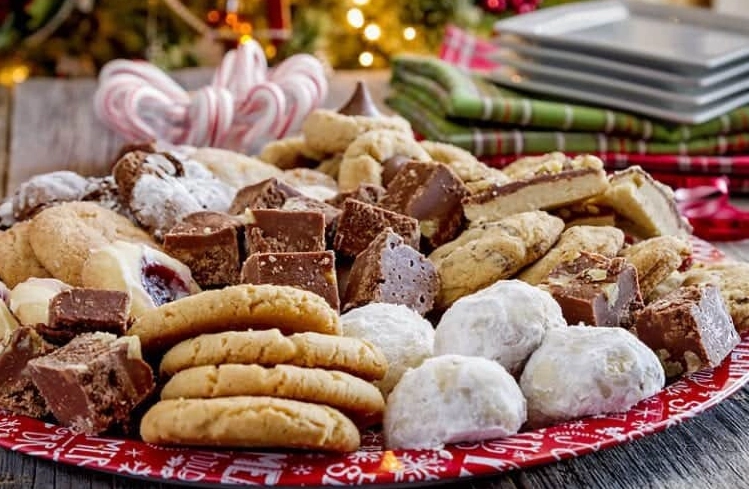
This is where most cookie swaps go off the rails before they even start. Vague instructions lead to chaos: one person shows up with 5 dozen intricate gingerbread houses, another with a half-eaten tray of store-bought slices. Clarity is kindness.
Setting the Ground Rules (The Non-Negotiables)
Your invitation must answer these questions. Don't assume people know.
| Rule to Set | Why It Matters & Pro-Tip Options |
|---|---|
| Quantity per Guest | This is math, not magic. If you have 8 guests, each bringing one type of cookie, and you want everyone to take home 6 of each kind, that's 48 cookies per person (8 guests x 6 cookies). That's a lot of dough. My strong recommendation: Cap the guest list at 6-8 people and have each person bring 6-8 dozen of ONE type of cookie. It's simpler, less intimidating for bakers, and still yields a fantastic variety. |
| Cookie Criteria | "Homemade" is a must. But be specific. Do you allow no-bake bars? (I do, they're delicious). What about allergy-friendly options? (Designate a nut-free zone). Encourage "holiday-worthy" recipes—this isn't the time for last week's chocolate chip experiment. I once asked for cookies that "tell a story," which led to amazing family heritage recipes. |
| Packaging for Transport | This is the most overlooked rule. Specify that cookies must come on a disposable tray or plate meant for giving away. No one wants to be the person nervously waiting to get their grandmother's heirloom platter back. Inexpensive foil trays or bakery boxes from a craft store are perfect. |
| The Swap Mechanism | Will it be a free-for-all grab bag or an organized round-robin? I prefer organized. It ensures fairness and becomes part of the fun. More on the specific flow later. |
A Non-Consensus Opinion: I'm against the common advice "everyone brings one kind of cookie." For a small group (4-6), it's fine. For 8+, it creates a cookie monopoly—if someone's batch fails, that variety is gone. I advocate for a "Two-Cookie Minimum" rule for groups over 8. Each person brings two different kinds, but half the quantity of each. It doubles the variety on the table and acts as a safety net.
Choosing a Theme (The Fun Part)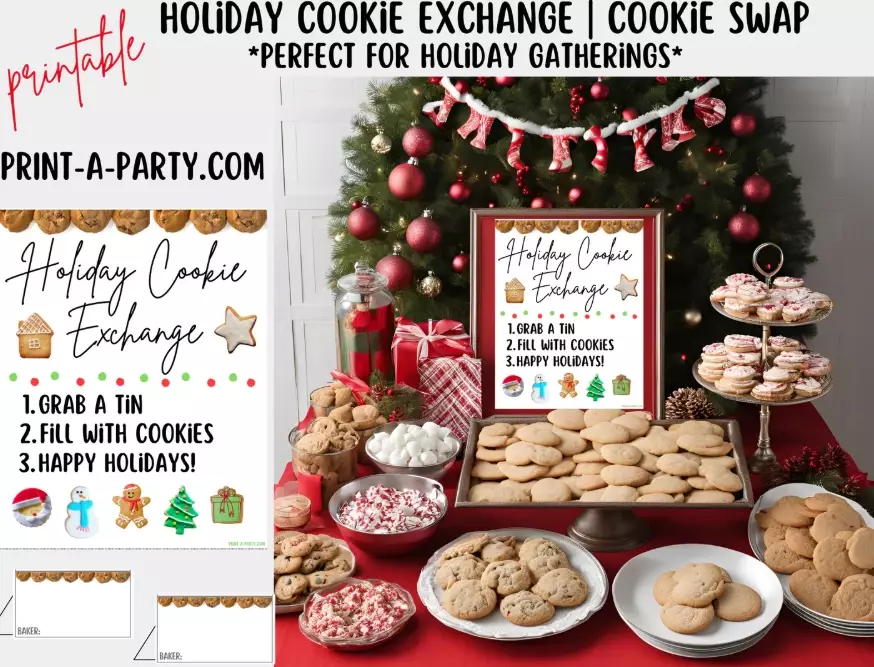
A theme isn't just cute; it provides creative direction and prevents 7 versions of chocolate chip. It makes your party memorable.
- Classic Holiday Bake-Off: Timeless favorites only: gingerbread, spritz, shortbread, snowballs.
- Around the World: Italian pizzelle, German Springerle, Swedish pepparkakor, Mexican wedding cookies.
- Color-Themed: All white cookies (coconut, meringue, almond), or a red-and-green extravaganza.
- Great British Bake Off Challenge: Fancy technical bakes—macarons, florentines, decorated shortbread. For ambitious bakers only!
Pick one and state it clearly. It sparks excitement and helps bakers decide.
Crafting the Guest List
Think about baking reliability and group dynamics. Invite people who will follow through. A mix of expert bakers and enthusiastic novices creates a great learning atmosphere. Ideal size? Between 6 and 10. More than 12, and the logistics (and cookie math) get unwieldy.
Nailing the Invitations and Pre-Party Logistics
Send invites 3-4 weeks out. Holiday calendars book fast. Use Evite, Paperless Post, or a simple group email. The key is putting ALL the rules and the theme in the invitation. Attach a PDF if you have to. Include:
- Date, time, and your address (with parking notes if needed).
- The exact quantity and type of cookies required.
- The theme.
- What you'll provide (drinks, savory snacks, boxes for taking cookies home).
- A request for recipes (more on this later).
- A deadline to RSVP and declare their cookie choice (to avoid duplicates!).
My personal system: I create a shared Google Sheet once people RSVP. One tab lists the guest, their cookie choice, and any allergens (e.g., "Jane - Pecan Sandies - CONTAINS NUTS"). Another tab is for them to paste their recipe. This becomes a cherished digital cookbook after the party.
Setting the Scene: Your Party Day Setup
You don't need a spotless, decorated mansion. You need a functional flow.
The Entry/Display Zone: Clear a large table, preferably near the door. Cover it with a festive cloth. This is where guests will place their cookie trays upon arrival. Have place cards or small tags ready so everyone can label their creation with the cookie name and allergen info (e.g., "Contains peanuts"). This is critical.
The Tasting & Mingling Zone: Separate from the display table, set up a drink station (coffee, tea, hot chocolate, cider, water) and some savory snacks like a cheese board, pretzels, or veggie sticks. People need palate cleansers! Provide small plates and napkins.
The Swap & Packing Zone: This is your operational headquarters. Set out the empty boxes or tins for guests to fill. I source plain white bakery boxes in advance—they're cheap, stackable, and look great. Also provide sheets of parchment paper or cupcake liners for layering cookies to prevent breakage. Have a roll of festive ribbon or twine and gift tags on hand for those who want to decorate their take-home boxes.
The Party Flow: A Timeline for Success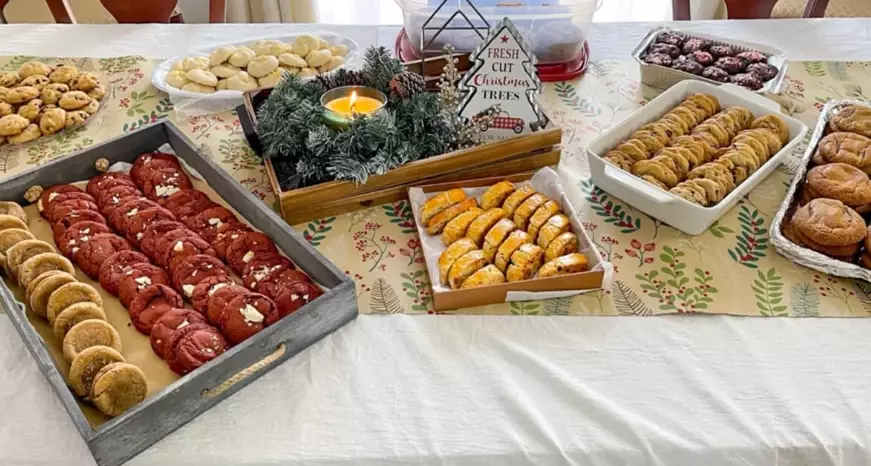
Structure prevents awkward milling. Here's a sample 2.5-hour timeline that works:
First 30 mins: Arrival & Display. Guests arrive, add their cookies to the display table with labels, grab a drink, and mingle. The visual feast builds anticipation.
Next 45 mins: Tasting & Voting (Optional but Fun). This is the main event. Everyone gets a small plate and samples the cookies. If you want, run a "Best in Show" vote with categories like "Most Festive," "Best Classic," and "Most Creative." Dollar store ribbons make great prizes. This forces everyone to try everything and sparks conversation.
Next 45 mins: The Organized Swap. Here's my favorite method. Number the cookie types on the display table 1 through 8. Give each guest a number drawn from a bowl. Guest #1 starts at cookie station #1 and takes their allotted amount (say, 6 cookies), then moves to station #2, and so on. Guest #2 starts at station #2, then goes to #3, etc. It's fair, orderly, and feels like a fun, culinary conveyor belt.
Final 30 mins: Packing, Socializing & Recipe Swap. Everyone assembles their take-home boxes, layering cookies carefully. This is when you distribute the compiled recipe booklet (from that Google Sheet I mentioned) via email or printed copies. More mingling, final photos of the gorgeous cookie spreads, and goodbyes.
Expert FAQs: Your Cookie Exchange Questions, Answered
What's the biggest mistake first-time hosts make?
Not being dictator-level clear with the rules. Ambiguity is the enemy. People want to get it right, so tell them exactly how many cookies to bring, what kind, and how to bring them. The second mistake is not providing take-home containers. Never assume guests will bring their own; always have simple boxes ready. It's the final, graceful touch that makes everyone feel cared for.
How do I handle allergies without making it complicated?
Transparency is everything. On the invitation, ask guests to note major allergens (nuts, dairy, gluten). Demand labeled place cards at the party. Then, physically separate the table. Have a "Nut-Free Zone" on one end where only guaranteed nut-free cookies can be placed. For severe allergies, the affected guest should obviously avoid any risky items. It's about managing risk, not eliminating all allergens, which is impossible in a home baking setting. The FDA's food allergy guidelines are a good resource to share for safe handling tips.
 What if someone signs up and then their cookies fail or they can't come?
Life happens. Have a backup plan. I always bake one extra "host" batch of a simple, crowd-pleasing cookie (like shortbread) the morning of. If someone cancels last minute, I add my batch to the table to keep the numbers even. If someone shows up with a failed batch, they can still participate in the swap using the host batch. The goal is inclusion, not punishment. The social contract is that they'll do better next year.
Is it okay to include non-cookie items like bars or fudge?
Absolutely, but you must define it upfront. In my rules, I say "homemade holiday bars, bites, or cookies that travel well." Brownies, lemon bars, and rice crispy treats are all fantastic additions. The key is they must be cut or portioned into individual, swap-ready pieces. A 9x13 pan you have to cut at the party is a hassle. Set the expectation for ready-to-go items.
How can I make my cookie exchange stand out from others?
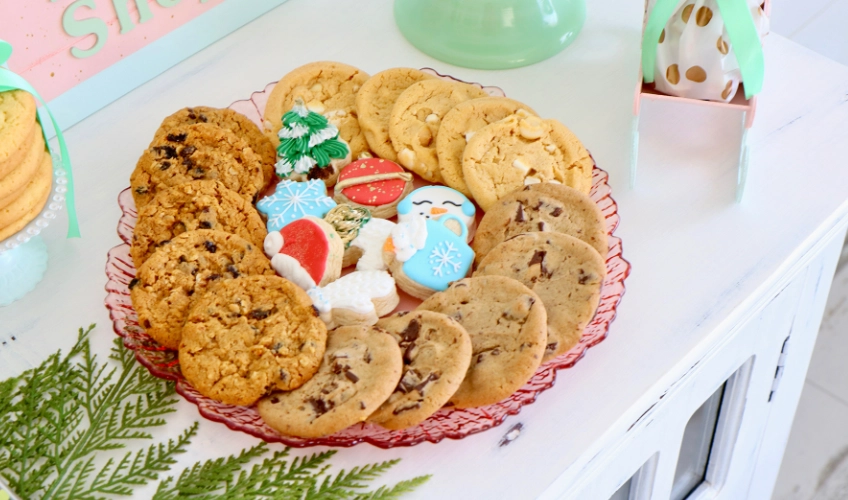
Add one unique, low-effort activity. One year, I set up a simple "cookie decorating station" for kids (or playful adults) with a batch of plain sugar cookies, some royal icing, and sprinkles. Another idea: hire a local high school photography student for 30 minutes to take nice group photos and shots of the cookie table. Or, partner with a local coffee roaster for a small tasting. The extra touch is remembered. But remember, the core—well-baked cookies, clear rules, and a warm atmosphere—matters most.
The best cookie exchanges leave everyone feeling like they gained more than just treats. They gained a story, a new recipe, and a connection. It turns a holiday chore into a highlight. So pick a theme, set those clear rules, and invite your favorite people. Your future self, enjoying a diverse cookie platter you didn't have to bake alone, will thank you.
Leave a Comment