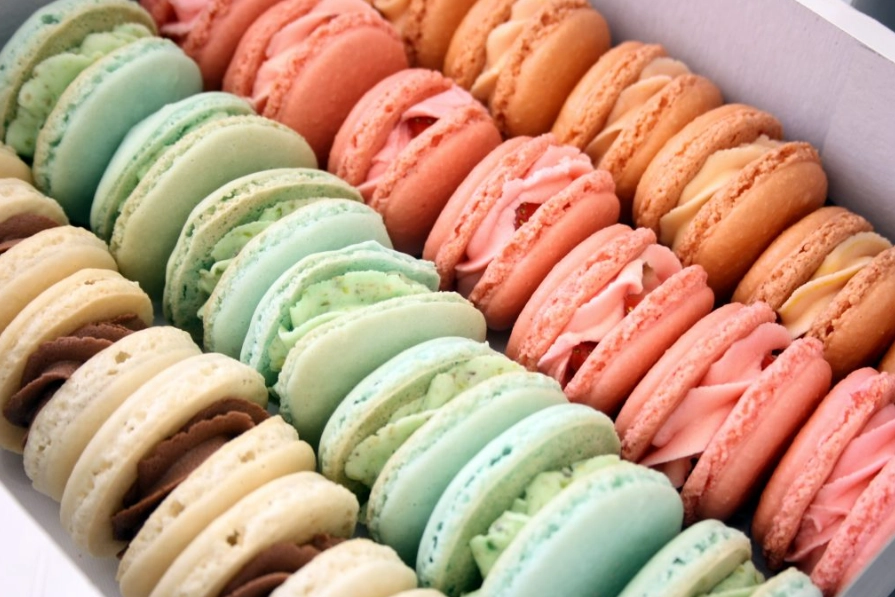
Let's be real: macarons are tricky. Add in the need to skip almond flour, and it feels like baking on hard mode. I've been there—my first batch without almond flour turned into sad, cracked pucks. But after years of tweaking, I've nailed a recipe that works every time. This guide cuts through the noise and gives you a straight path to perfect almond-free macarons. Whether you're dealing with allergies, just out of almond flour, or curious about alternatives, you'll find everything here.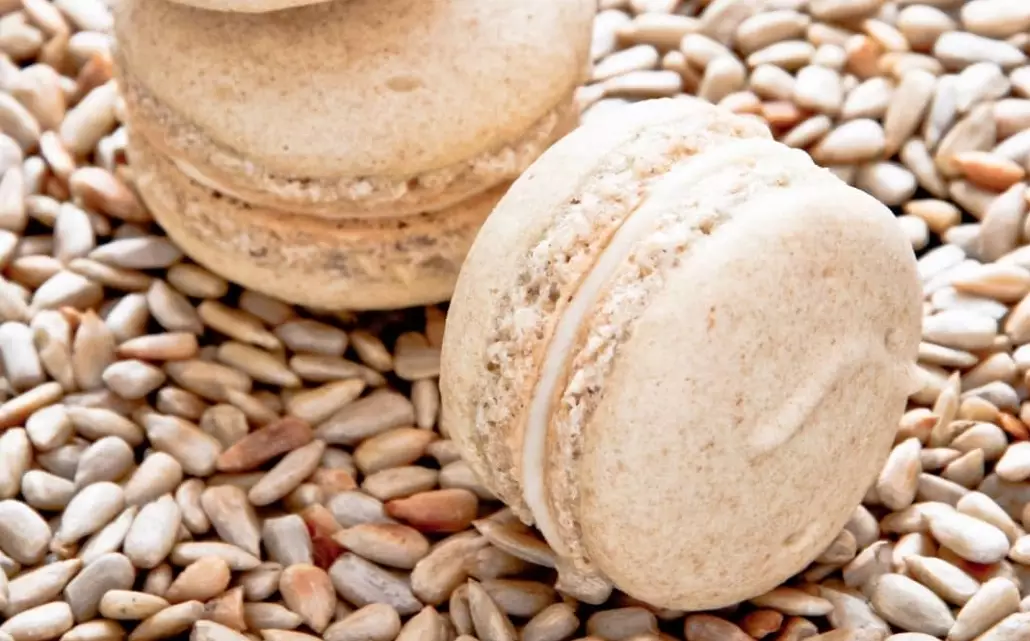
What You'll Learn in This Guide
Why Skip Almond Flour? Allergies, Preferences, and More
Almond flour is the classic base for macarons, but it's not for everyone. Nut allergies are a big reason—according to Food Allergy Research & Education, tree nut allergies affect millions. Then there's taste: some folks just don't like almond's subtle bitterness. Or maybe you're like me last week, staring at an empty pantry. Whatever your reason, ditching almond flour is totally doable.
The catch? Almond flour has unique properties: it's fine, oily, and low in moisture. Substitutes can throw off the texture if you're not careful. I learned this the hard way when I tried using cashew flour without adjusting the sugar—ended up with greasy shells that never set.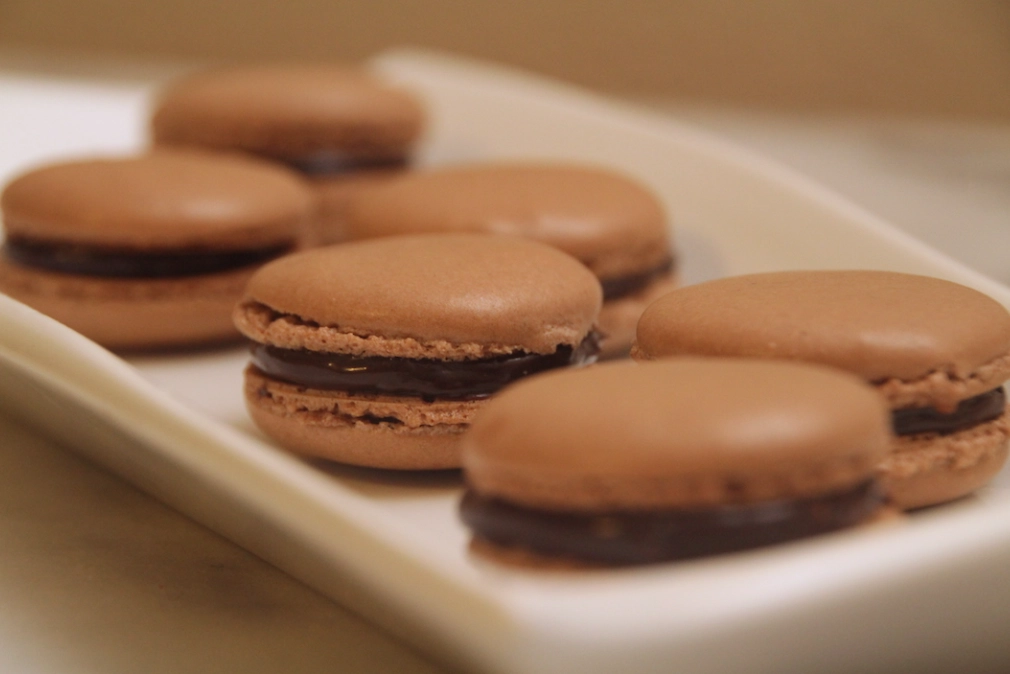
Best Almond Flour Substitutes for Macarons
Not all flours work equally. Through trial and error, I've narrowed it down to three reliable options. Here's a quick comparison to help you pick.
| Substitute | Best For | Key Adjustment Needed | My Personal Rating |
|---|---|---|---|
| Coconut Flour | Allergy-friendly, gluten-free bakers | Reduce by 25% (it's super absorbent) | 8/10 – great chew, but can be dry if overused |
| Oat Flour (finely ground) | Neutral flavor, easy to find | Sift twice to avoid grittiness | 9/10 – closest texture to almond, but may brown faster |
| Sunflower Seed Flour | Nut-free, rich in nutrients | Add a bit of lemon juice to prevent greening | 7/10 – unique taste, not for purists |
Coconut flour is my go-to for allergy-friendly needs, but it's thirsty—use less than you think. Oat flour, if you grind rolled oats into a powder (a coffee grinder works wonders), gives a smooth shell that fools most people. Sunflower seed flour? It's underrated but can turn green due to a reaction with baking soda; a dash of acid fixes it.
Avoid all-purpose flour. I tried it once, and the macarons came out dense and cakey, nothing like the delicate shells we want. Stick to finely ground alternatives.
How to Choose Your Substitute
Think about your goal. If flavor neutrality matters, oat flour wins. For strict nut-free diets, coconut or sunflower seed flour are safer. And always, always sift your flour—twice. I skip this sometimes when rushed, and regret it every time with lumpy batter.
Gathering Your Ingredients: The Complete List
Here's what you'll need for about 20 macaron shells. Precision is key; eyeballing leads to disaster. I use a kitchen scale for everything—it changed my baking game.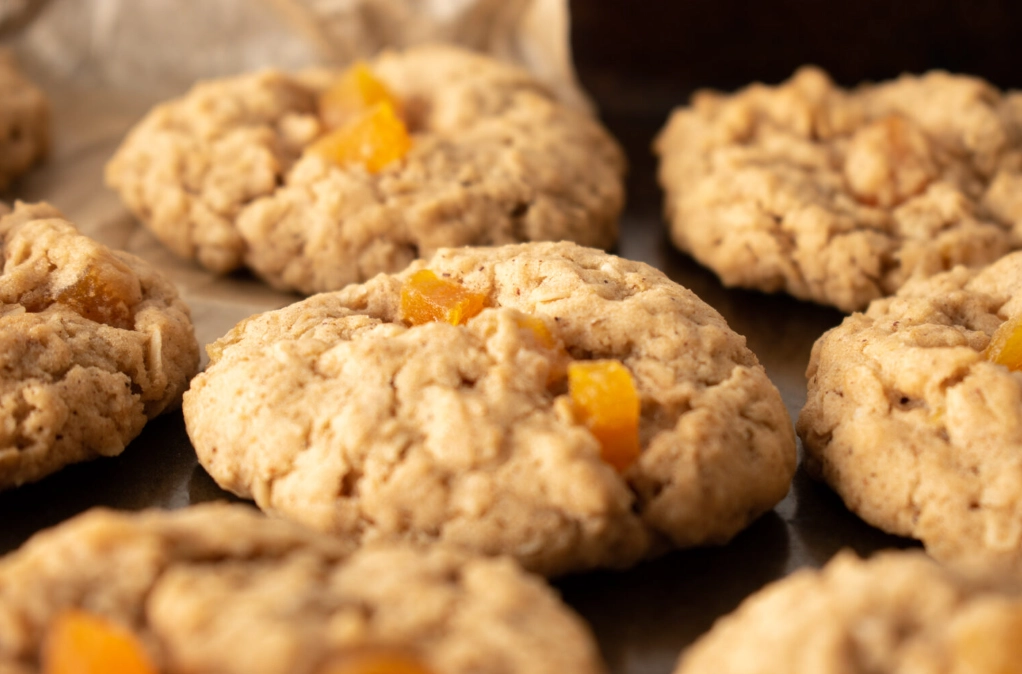
Ingredient List:
- 100 grams of your chosen substitute flour (e.g., oat flour or coconut flour—adjust as per table)
- 100 grams powdered sugar (sifted, no lumps)
- 75 grams egg whites (aged at room temperature for 24 hours—yes, it matters)
- 75 grams granulated sugar
- 1/4 teaspoon cream of tartar (helps stabilize the meringue)
- Food coloring (gel-based, optional)
- Filling of choice (buttercream, ganache, etc.)
Tools: Stand mixer or hand mixer, silicone mat or parchment paper, piping bag with round tip, sieve, and an oven thermometer. That last one is non-negotiable—oven temps can be off by 25°F, ruining your batch.
Why aged egg whites? They lose some moisture, making them easier to whip into stiff peaks. Fresh whites can be too watery, leading to flat macarons. I age mine by leaving them covered on the counter overnight; if that sketches you out, the USDA says it's safe at room temp for up to two hours, but I've done 24 hours without issues.
The Step-by-Step Process: From Mixing to Baking
Follow these steps closely. Macarons are less about creativity and more about chemistry.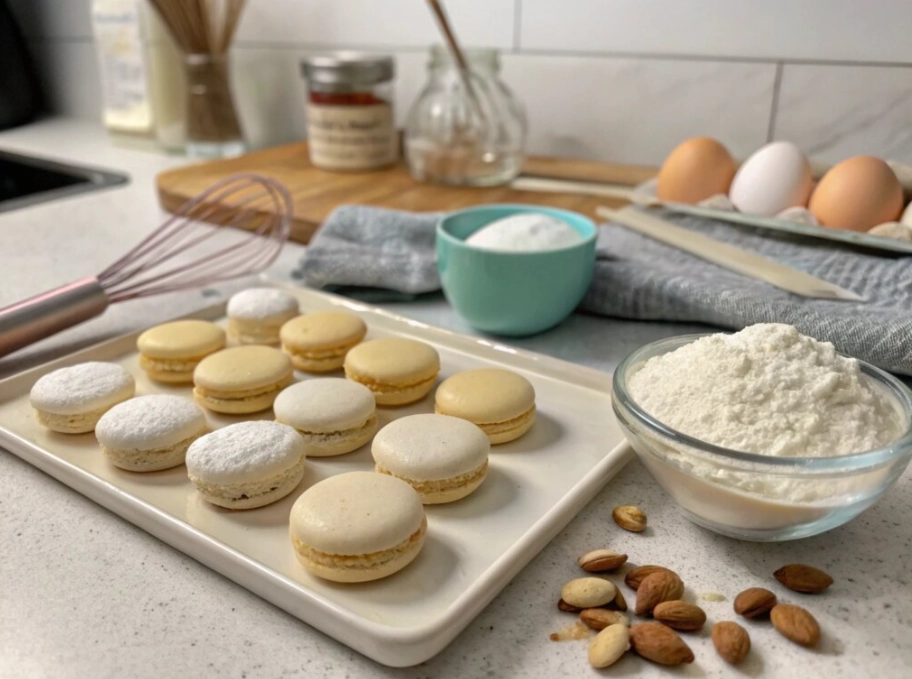
Step 1: Prepare the Dry Ingredients
Sift together your flour substitute and powdered sugar. Do it twice. I know it's tedious, but lumps are the enemy. If you're using coconut flour, remember: use only 75 grams here because it absorbs more liquid. Discard any coarse bits—don't force them through.
Step 2: Whip the Meringue
In a clean, grease-free bowl, beat the egg whites on medium until frothy. Add cream of tartar, then gradually add granulated sugar while increasing speed. Whip until stiff peaks form—this means when you lift the beaters, the peaks stand straight up without curling. Over-beating makes the meringue grainy; under-beating causes hollow shells. It takes about 5-7 minutes in a stand mixer.
Add food coloring now if using. Gel is best; liquid can deflate the meringue.
Step 3: Macaronage: The Critical Mix
Fold the dry ingredients into the meringue in two additions. Use a spatula and cut through the center, then sweep around the bowl. The batter is ready when it flows like lava—lift some, and it should ribbon off the spatula and dissolve back into itself in about 10 seconds. Over-mix, and it'll be runny; under-mix, and you get peaks that don't settle.
This is where most beginners fail. I used to stop too early, resulting in bumpy tops. Now, I mix until just combined, then test frequently.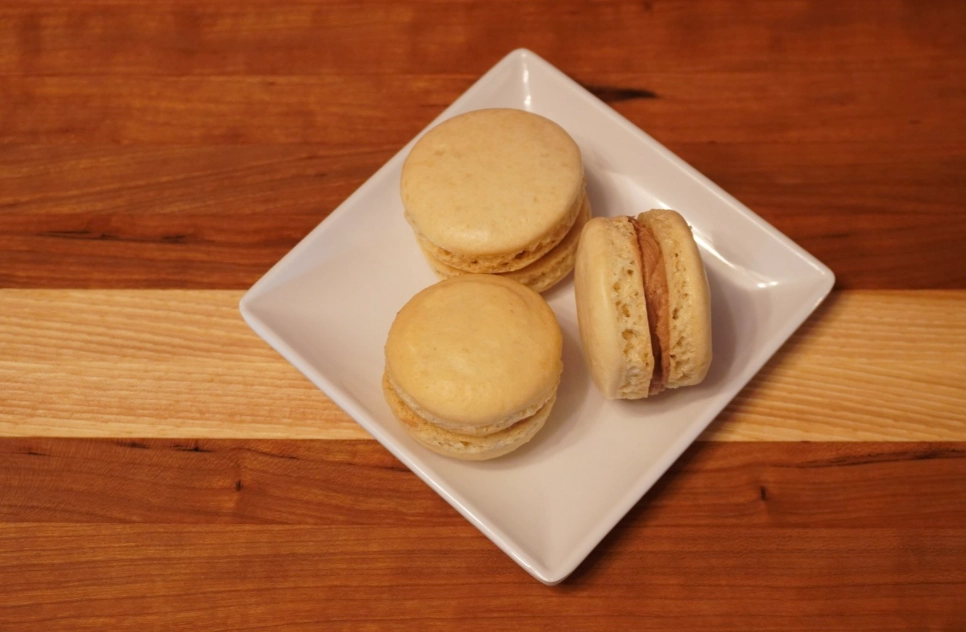
Step 4: Pipe and Rest
Pipe 1.5-inch circles onto a lined baking sheet. Tap the sheet firmly on the counter to release air bubbles. Let them rest at room temperature until a skin forms—this can take 30-60 minutes depending on humidity. They should feel dry to the touch. In humid climates, use a fan or dehumidifier; I've waited two hours in summer.
Step 5: Bake and Cool
Preheat your oven to 300°F (150°C). Use that thermometer! Bake for 15-18 minutes, rotating halfway. They're done when they lift off the mat easily. Cool completely before filling.
Oat flour browns faster, so check at 12 minutes. Coconut flour may need extra time—up to 20 minutes—but don't overbake or they'll be crumbly.
Common Pitfalls and How to Dodge Them
Even with a good recipe, things go wrong. Here's my cheat sheet based on mess-ups.
- Cracked shells: Usually from under-resting or oven too hot. Let them dry fully, and lower the temp by 10°F.
- Hollow insides: Often from over-whipped meringue or over-mixing. Whip to stiff peaks, not beyond.
- Sticky bottoms: Under-baking or high humidity. Bake a minute longer, and store in an airtight container with silica gel packs.
- Uneven feet: That's the ruffled base. Caused by uneven piping or tapping. Pipe consistently and tap evenly.
My worst batch? I used sunflower seed flour without acid, and they turned greenish—still edible but weird-looking. A teaspoon of lemon juice in the dry mix fixes it.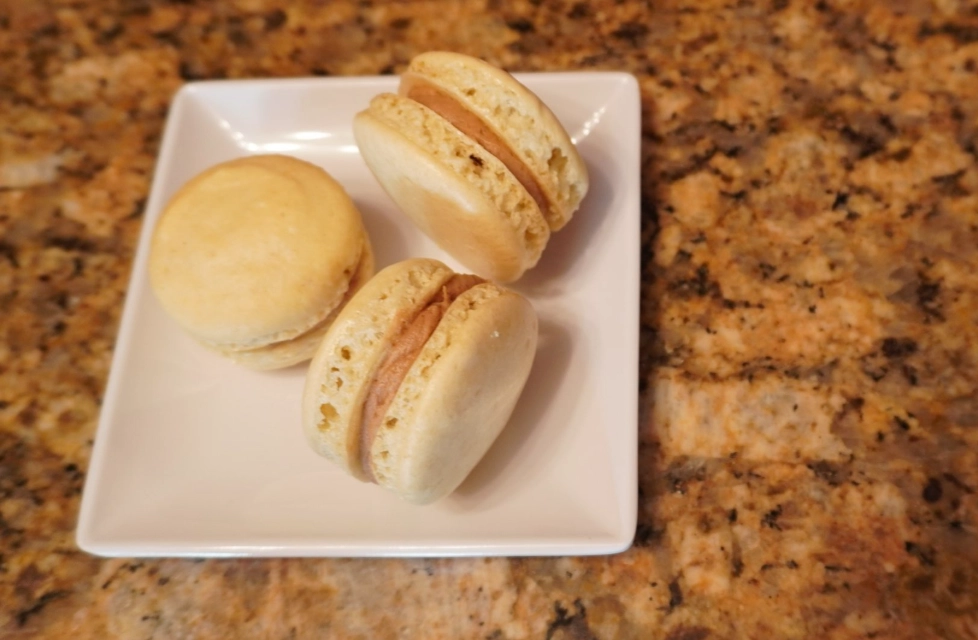
Frequently Asked Questions (FAQ)
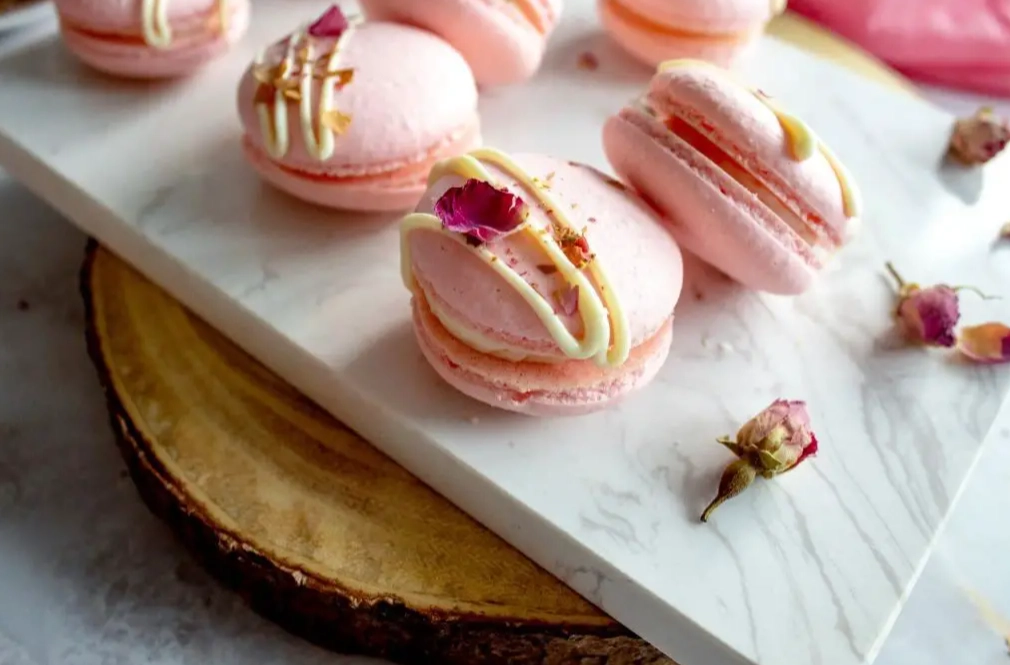 Macarons without almond flour aren't just possible; they can be incredible. Start with oat flour for the easiest win, and don't fear failures—each batch teaches something. Share your results online; I love seeing how others adapt this. Happy baking!
Leave a Comment