I remember the first time I bit into a truly perfect cinnamon roll. It wasn't at a fancy bakery. It was at a friend's grandmother's house, decades ago. The top was sticky with glaze, the swirls were tight and packed with spice, but the crumb… the crumb was something else. It was impossibly soft, almost feathery, yet it had a slight chew that made you want to savor every bite. It didn't dry out for days. I had to know her secret.
When I finally asked, she just smiled and said, “It’s the potato water, dear.”
Potato water. That cloudy, starchy liquid you usually pour down the drain after boiling potatoes. That’s the secret ingredient hiding in the recipe boxes of many seasoned bakers, the one that transforms a good cinnamon roll into a legendary one. But that's just the start. After years of testing (and plenty of failed, dense batches), I’ve found that the “secret” is really a combination of three game-changing approaches.
What’s Inside This Guide
What Exactly Is the Secret Ingredient?
Let's get specific. It’s not mashed potato. Adding mashed potato to dough can work, but it’s trickier—it can alter the hydration balance and sometimes leave a faint, earthy flavor if you’re not careful.
The magic is in the water you boiled potatoes in.
This starchy liquid is a natural dough enhancer. When you boil potatoes, they release two key things into the water: starch and a small amount of sugars. This creates a slurry that, when used in place of regular water or milk in your dough, does several incredible things.
- Superior Moisture Retention: The starch molecules hold onto water like a sponge, keeping your rolls soft and tender for days, not hours.
- Improved Structure: It strengthens the gluten network just enough to give the dough a better rise and a lovely, pillowy texture without being tough.
- Subtle Sweetness & Browning: The trace sugars contribute to a more complex flavor and promote a beautiful, deep golden-brown crust.
How to Use Potato Water in Your Recipe
It’s simple, but there are details most recipes gloss over.
Peel and cube one medium russet or Yukon Gold potato. Boil it in about 2 cups of water until completely tender. Drain the water into a measuring cup, saving the potato for mashed potatoes or soup. Let the water cool to lukewarm (105-110°F or 40-43°C). Too hot, and it’ll kill your yeast. Too cold, and it’ll slow everything down.
Use this lukewarm potato water as the liquid in your favorite cinnamon roll dough recipe. You’ll typically need 1 to 1.5 cups. If your recipe calls for milk, you can still use the potato water—just add a tablespoon of dry milk powder to the flour for richness. The difference is not subtle. The dough will feel smoother, more elastic, and easier to work with from the start.
The Second Game-Changer: Borrow a Technique from Japanese Milk Bread
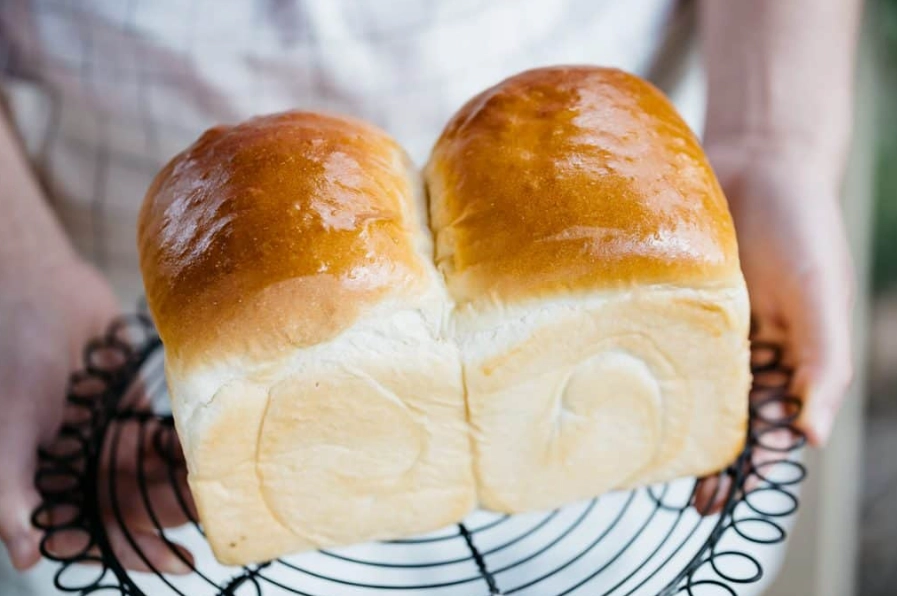
If you want to take softness to an almost absurd level, there’s another “secret” worth knowing: tangzhong (or a water roux). This is a cooked flour paste used in Asian bakeries to create that famously soft, springy, stay-fresh-for-days texture in milk bread.
It works on a similar principle to potato water but is more controlled. You cook a small portion of the recipe’s flour with water or milk to gelatinize the starch. This gelatinized starch can then absorb many times its weight in moisture once in the dough.
I’ve seen recipes that use potato water and tangzhong, and honestly, it can be overkill for home baking—the texture becomes almost too cottony. My recommendation? Choose one. Potato water is the simpler, old-school hack. Tangzhong is the precise, modern technique. Both are vastly superior to a standard dough.
The Third Game-Changer: It’s Not the Dough, It’s the Frosting
Here’s a hill I’ll die on: the classic powdered sugar and milk glaze is a missed opportunity. It’s just sweet on sweet. The real pro move for frosting cinnamon rolls is cream cheese frosting made with a specific method.
Most recipes tell you to beat room-temperature cream cheese and butter with sugar. The result is often too soft, slides right off the warm roll, and can taste a bit greasy.
Try this instead: make a cooked flour frosting (also called ermine frosting or boiled milk frosting). You cook flour and milk into a thick paste, let it cool completely, then beat it into creamed butter and sugar. Finally, beat in the cream cheese.
The texture is miraculously light, not too sweet, and holds its shape perfectly. It tastes like the inside of a cheesecake. It clings to the roll without melting into a puddle. Once you try it, you won’t go back.
Common Mistakes That Ruin Even the Best Dough
You can have the best secret ingredient and still end up with hockey pucks. Here’s what usually goes wrong.
- Dense, Heavy Rolls: This is almost always under-proofing. The dough didn’t rise enough. Your kitchen might be too cold. Let the shaped rolls proof until they are puffy, nearly doubled, and jiggle slightly when you gently shake the pan. This can take 45-90 minutes. Don’t go by time alone; go by look and feel.
- Soggy, Undercooked Bottoms: You’re probably using a glass or dark metal pan, and you’re not baking long enough. Use a light-colored aluminum pan. Bake on a lower rack. Most crucially, bake to an internal temperature of 190-200°F (88-93°C), not just until the tops look done. A digital thermometer is your best friend here.
- Butter Leaking Out During Baking: You spread softened butter, then sprinkled cinnamon sugar, right? The sugar cuts into the butter, creating channels for it to melt out. The fix? Mix your softened butter with the brown sugar and cinnamon into a spreadable paste. This paste stays put and bakes into the layers.
One more tip I learned the hard way: when you roll up the dough, don’t stretch it tightly. A snug but gentle roll prevents the spiral from tearing and creating a “blowout” on the side during the final proof.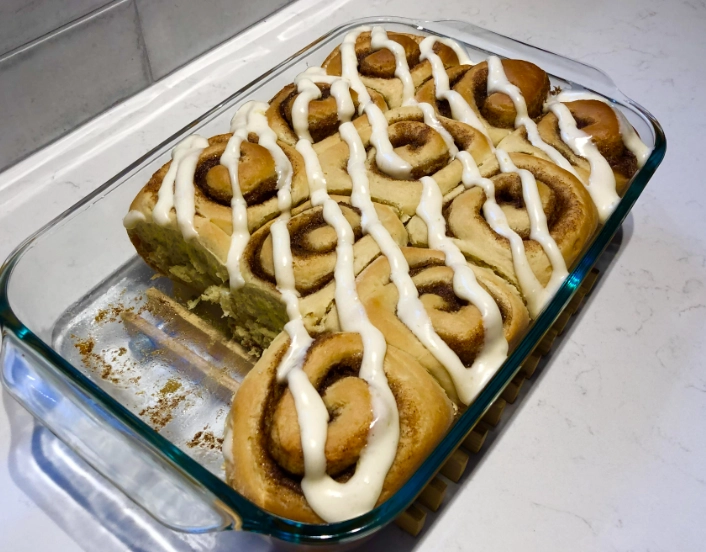
Your Cinnamon Roll Questions, Answered
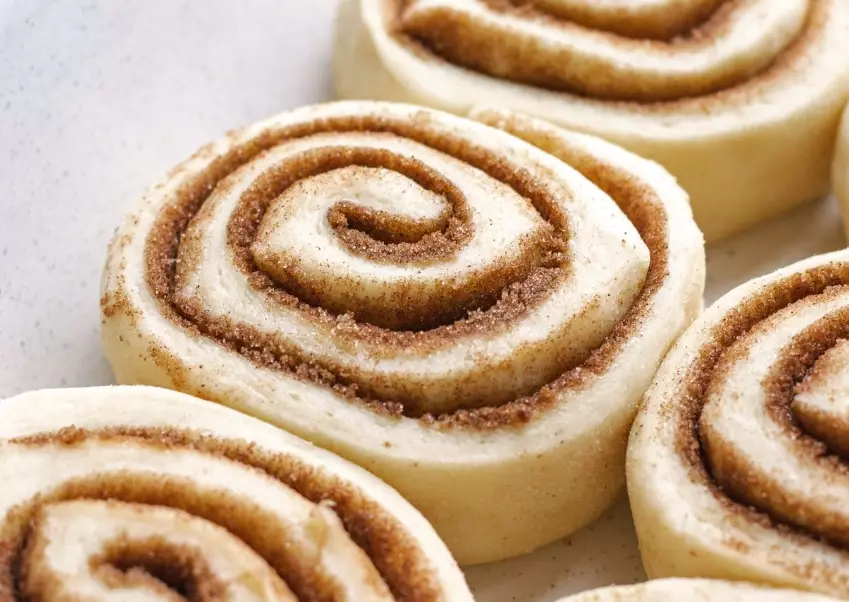
So, what is the secret ingredient in cinnamon rolls? On one level, it’s potato water—a brilliant, old-fashioned baker’s trick. But the bigger secret is understanding that greatness comes from a combination of factors: a moisture-locking element in the dough, avoiding common proofing and baking pitfalls, and finishing with a frosting that complements rather than overpowers.
Give the potato water a try. Pay attention to the temperature of your dough, not just the clock. Your next batch won’t just be good. It’ll be the kind that makes people ask you for your secret.




Leave a Comment