Quick Guide
Let's be honest. We've all been there. You follow a recipe that promises the world – cookies that are soft, chewy, and stay that way. You wait patiently for them to cool, take a bite, and... crunch. Or worse, they're perfect for an hour and then turn into sweet, chocolate-studded hockey pucks by morning. It's frustrating, and it feels like a personal betrayal by the baking gods.
I've thrown away more batches of disappointing cookies than I care to admit. That quest for the perfect soft chocolate chip cookie recipe became a bit of an obsession for me. I'm not a professional pastry chef, just someone who loves a good cookie and hates wasting good butter. After what felt like a hundred batches (my friends were very willing taste-testers), I finally pieced together the why and the how.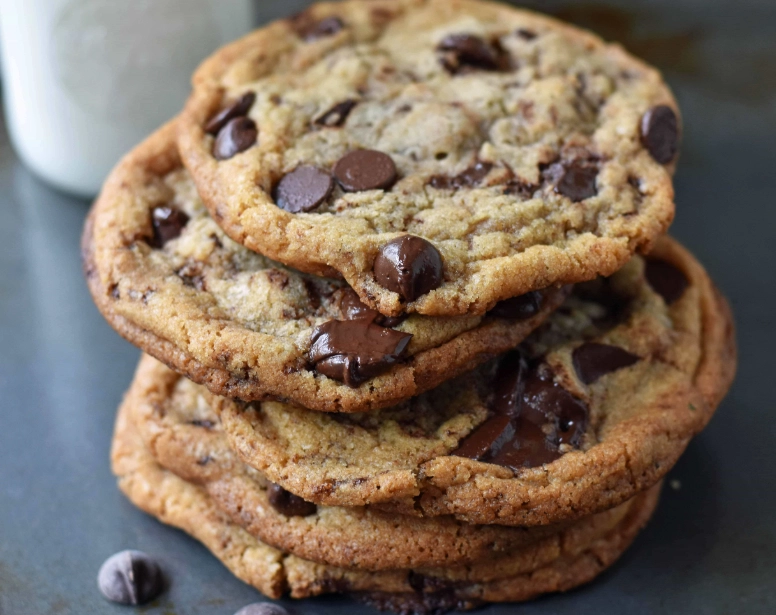
This isn't just another recipe. It's the culmination of all those failures and the eventual triumphs. We're going to dig into the science of softness, the non-negotiable ingredients, the surprisingly crucial techniques, and how to tweak everything to match your dream cookie. Forget cakey, forget crisp. We're here for cookies with a slightly crisp edge that gives way to a tender, chewy, and yes, soft interior that stays that way for days. Let's get into it.
Why Your Cookies Aren't Soft: The Science of Chew
Before we even touch a measuring cup, understanding a few key principles will change your baking game. A soft chocolate chip cookie recipe relies on balancing three main things: moisture, fat, and the structure-builders (flour and eggs). Get the balance wrong, and the texture goes off the rails.
Quick Science Bit: Softness is primarily about retained moisture. Gluten (formed when flour mixes with water) provides structure, but too much makes things tough. Sugar and fat interfere with gluten formation and tenderize. Brown sugar, specifically, contains molasses which is hygroscopic – meaning it attracts and holds onto water from the air, keeping cookies softer for longer. It's the secret weapon.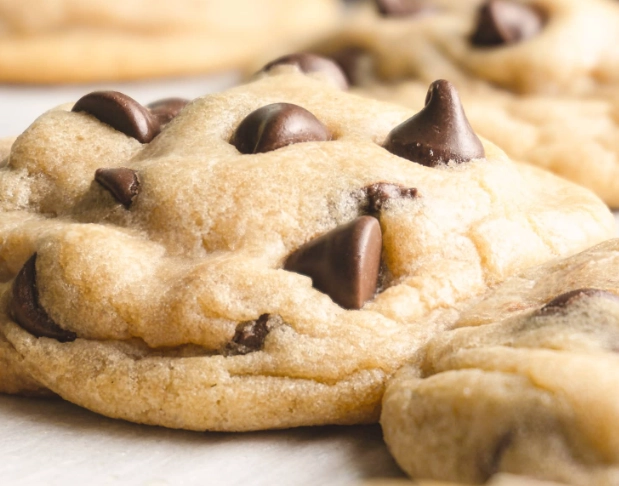
Here’s a breakdown of the common culprits behind hard cookies:
- Over-baking: The number one enemy. Cookies continue to cook on the hot tray after coming out of the oven. Pull them out when they look just slightly underdone in the center.
- Too much flour: The most common measuring mistake. Scooping flour directly from the bag packs it in. You end up with more flour than the recipe intends, leading to a dry, cakey, or tough cookie.
- Using only white sugar: White sugar spreads and crisps. Without the moisture-holding power of brown sugar's molasses, your cookies will crisp up all the way through as they cool.
- Over-mixing after adding flour: This develops gluten. Mix just until the flour disappears. No one wants a bicep workout from their cookie.
- Skimping on fat: Fat coats flour proteins, inhibiting gluten. It's a tenderizer. Using margarine or spreads with water content can also sabotage texture.
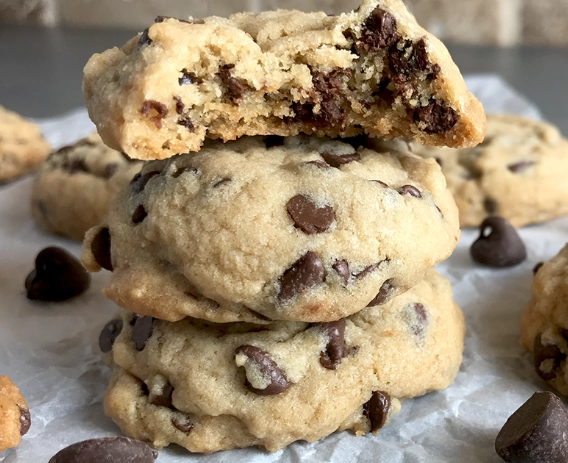
I learned the flour lesson the hard way. One batch was so dry it was almost savory. A sad day.
The Core Soft Chocolate Chip Cookie Recipe
This is the base formula. It's designed for a high moisture-to-flour ratio and uses specific techniques to guarantee that soft, chewy texture. Read through the notes before you start – they're as important as the ingredients.
A confession: I used to be terrified of melting butter. I thought creaming was the only way. Trying the melted butter method was a revelation for chewiness. It's a game-changer for this style of cookie.
Ingredients & Their Roles
| Ingredient | Quantity | Why It's Here (The Job) |
|---|---|---|
| Unsalted Butter | 1 cup (2 sticks / 226g) | Fat for tenderness and flavor. Melted for a denser, chewier crumb. |
| Dark Brown Sugar | 1 ¼ cups, packed (250g) | The softness star. Molasses adds moisture, flavor, and acidity for lift. |
| Granulated White Sugar | ½ cup (100g) | Promotes spreading and adds sweetness. Balances the deep molasses flavor. |
| Large Eggs | 2 + 1 extra yolk | Bind, add structure, and the extra yolk adds richness and chew. |
| Pure Vanilla Extract | 2 teaspoons | Flavor enhancer. Don't skip or use imitation for best results. |
| All-Purpose Flour | 2 ¾ cups (344g) *see note | Structure. We measure by weight or the spoon & level method to avoid dryness. |
| Cornstarch | 2 teaspoons | A softness hack! Tenderizes the flour, giving a softer, more velvety texture. |
| Baking Soda | 1 teaspoon | Leavening agent. Reacts with the acid in the brown sugar for rise. |
| Fine Sea Salt | 1 teaspoon | Balances sweetness and enhances all flavors. Crucial. |
| Semi-Sweet Chocolate Chips | 2 cups (340g) | Use a mix of chips and chopped bars for better chocolate distribution. |
*Flour Note: This is where most recipes fail you. 344g is the weight. If measuring by volume, do not scoop. Fluff your flour in the bag, spoon it lightly into your measuring cup, and level it off with a knife. That ¼ cup difference between scooping and spooning is the difference between soft and stiff.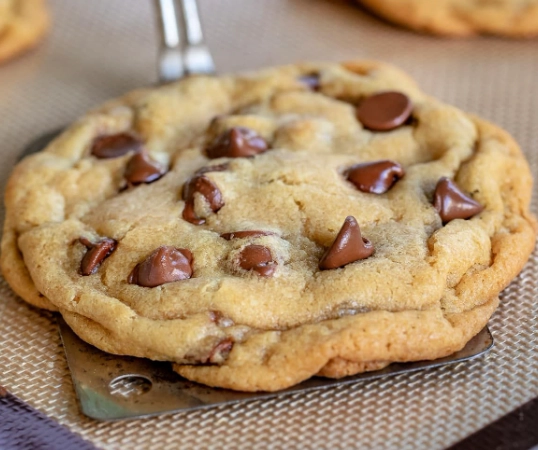
Step-by-Step Method: Where Technique Meets Ingredients
- Brown the Butter (Optional but Recommended): Melt the butter in a saucepan over medium heat. Swirl it until it foams, turns golden brown, and smells nutty. Pour it into a large bowl to stop the cooking. This adds a deep, toffee-like flavor that pairs incredibly with chocolate. Let it cool for about 10 minutes so it doesn't cook the eggs.
- Mix Wet Ingredients: Whisk the slightly cooled melted butter with the dark brown and white sugars until well combined. It will look like a thick, gritty paste. Add the eggs, extra yolk, and vanilla. Whisk vigorously for a full minute until the mixture is smooth, glossy, and slightly paler.
- Combine Dry Ingredients: In a separate bowl, whisk together the flour, cornstarch, baking soda, and salt. This ensures even distribution of the leavening and tenderizer.
- The Gentle Combine: Add the dry ingredients to the wet. Use a spatula or wooden spoon and fold just until no dry flour remains. It will be a soft, slightly sticky dough. This is good.
- Add Chocolate: Fold in the chocolate chips and chunks. I like using 1 ½ cups chips and ½ cup of a chopped chocolate bar for melty pockets.
- The Secret Step: Chill. Cover the bowl and refrigerate the dough for at least 2 hours, ideally 24-48 hours. This hydrates the flour, deepens the flavor, and prevents excessive spreading. You can bake some right away, but the wait is worth it for the ultimate soft chocolate chip cookie.
- Bake: Preheat oven to 350°F (175°C). Line baking sheets with parchment paper. Scoop dough into 3-tablespoon-sized balls (a #20 cookie scoop is perfect). Place on sheets 3 inches apart. Bake for 10-12 minutes. The edges will be set and lightly golden, but the centers will look puffy, soft, and underdone.
- Cool (The Hardest Part): Let cookies cool on the baking sheet for 5 minutes. They will deflate and set. Then transfer to a wire rack to cool completely. This finishing process on the hot tray is essential for the perfect texture.
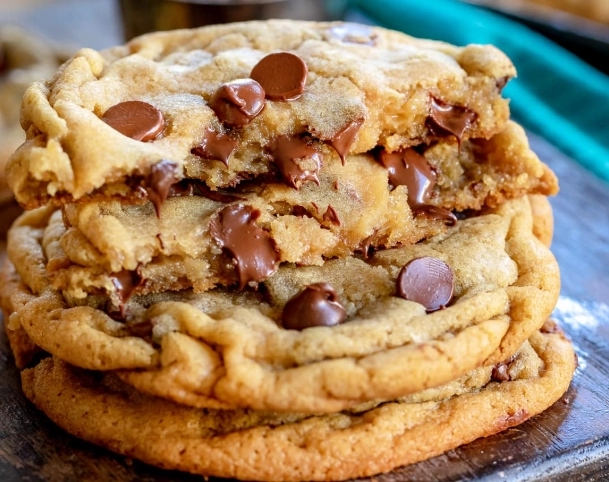
Watchpoint: Do not over-bake. If the centers look fully set in the oven, they will be overdone and crisp when cool. We're aiming for a soft, almost doughy look when they come out.
Mastering Variations & Tweaking Your Soft Chocolate Chip Cookie Recipe
Once you've nailed the base, the fun begins. This recipe is a fantastic template. Want it chewier? Softer? Saltier? Here’s how to play.
Texture Tweaks
- For a Thicker, Bakery-Style Cookie: Use ½ tsp baking soda + ½ tsp baking powder. Chill the dough balls on the tray for 30 minutes before baking in a preheated oven.
- For an Even Chewier Cookie: Replace one of the whole eggs with an additional egg yolk (so 1 egg + 3 yolks total). The extra fat and emulsifiers in the yolk work wonders.
- For a Slightly Cakey Softness: Use 1 cup (2 sticks) of softened butter instead of melted, and cream it with the sugars for 3-4 minutes until very light and fluffy before adding eggs. This incorporates more air.
Ingredient Substitutions (The “What If I Don't Have...” Guide)
Baking is often about improvisation. Here’s how to handle common swaps without ruining your soft chocolate chip cookie recipe.
- No Dark Brown Sugar? Use light brown sugar. The flavor will be slightly less deep, but it will still work. In a pinch, for 1 cup of brown sugar, mix 1 cup white sugar with 1 tablespoon molasses. The USDA FoodData Central has great info on the composition of sugars if you're curious about the science.
- Out of Chocolate Chips? Use chopped chocolate bars (they melt better), or substitute with chunks of your favorite candy bar, toffee bits, or even a mix of white and dark chocolate.
- Gluten-Free? Use a 1:1 gluten-free flour blend that contains xanthan gum (like Bob's Red Mill or King Arthur). The texture will be slightly more delicate but still soft.
- Dairy-Free? Use a high-fat, plant-based butter stick (not spread). Coconut oil can work but will impart flavor and change spread.
I tried a batch with a fancy, single-origin chocolate bar once. It was delicious, but honestly? A good old bag of high-quality semi-sweet chips is just as satisfying and more affordable for everyday baking.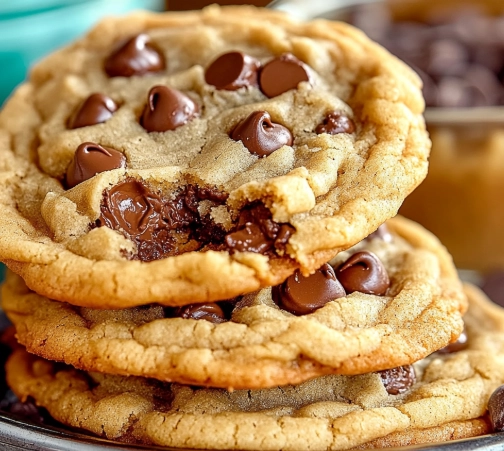
Solving Common Cookie Catastrophes (FAQ)
Taking It Further: The Giant, Stuffed, and Swirled Cookie
Once you're confident, why not have some fun? This soft chocolate chip cookie recipe dough is the perfect base for creations.
The Giant “Pizookie” Style: Press a full ½ cup of dough into a well-greased 6-inch cast iron skillet or round cake pan. Bake at 350°F for 18-22 minutes until edges are deep golden but center is very soft. Serve warm with ice cream.
Stuffed Cookies: Take two tablespoons of dough, flatten each into a disc. Place a Rolo, a square of caramel, or a marshmallow in the center of one disc, top with the other, and seal the edges completely. Bake as usual. The surprise inside stays gooey.
Brown Butter & Sea Salt: If you browned your butter, sprinkle a few flakes of Maldon sea salt on the warm cookies right out of the oven. The contrast is incredible.
The beauty of this soft chocolate chip cookie recipe is its reliability. It works. It accounts for the little things that other recipes gloss over. It understands that the goal isn't just a cookie that's soft when it comes out of the oven, but one that stays soft, chewy, and utterly irresistible for days after.
So, grab your bowl and your brown sugar. Pay attention to how you measure that flour. Don't skip the chill. And most importantly, don't be afraid to pull them out of the oven when they still look a little wobbly. Trust the process. Your perfect soft chocolate chip cookie is waiting.
And if your first batch isn't perfect? That's okay. Mine wasn't either. Baking is a delicious experiment. Each batch teaches you something new. Now, go preheat that oven.

Leave a Comment