Let's be honest. A dry red velvet cake is a tragedy. It looks the part—vibrant red, snowy white frosting—but one bite and it's just...sawdust with food coloring. After testing dozens of recipes (and eating more subpar cake than I care to admit), I cracked the code. The secret to a moist red velvet cake isn't one magic trick. It's a combination of specific ingredients, precise ratios, and techniques most home bakers overlook.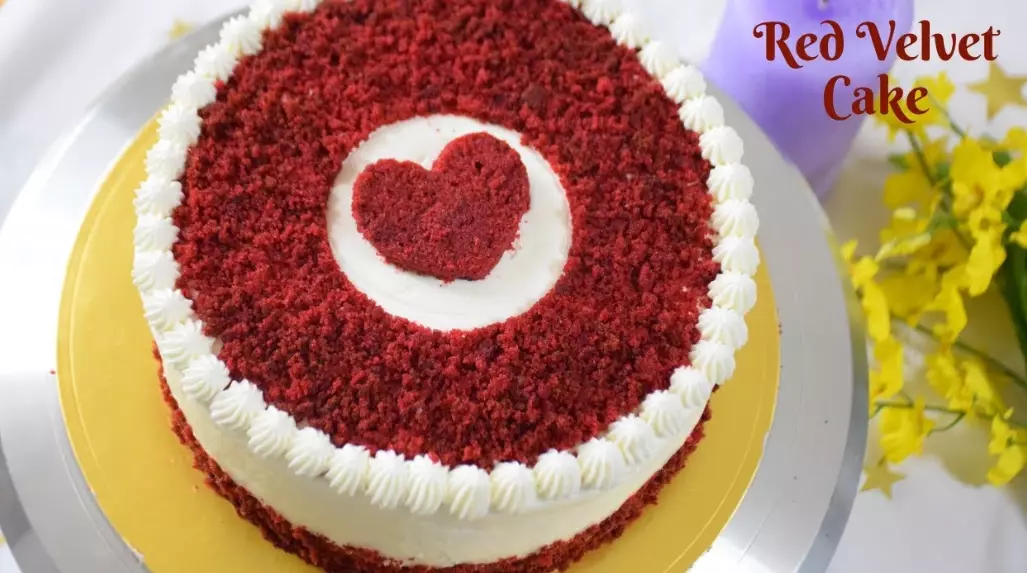
This recipe delivers a cake that's tender, velvety (hence the name), and stays moist for days. It has that subtle cocoa flavor and tang from buttermilk, all wrapped up in the iconic cream cheese frosting. Forget the box mix. This is the real deal.
What You'll Learn Inside
The Moisture Matrix: Why Each Ingredient Matters
Most recipes just list ingredients. I want you to understand why they're there. It's the difference between following steps and actually knowing how to bake.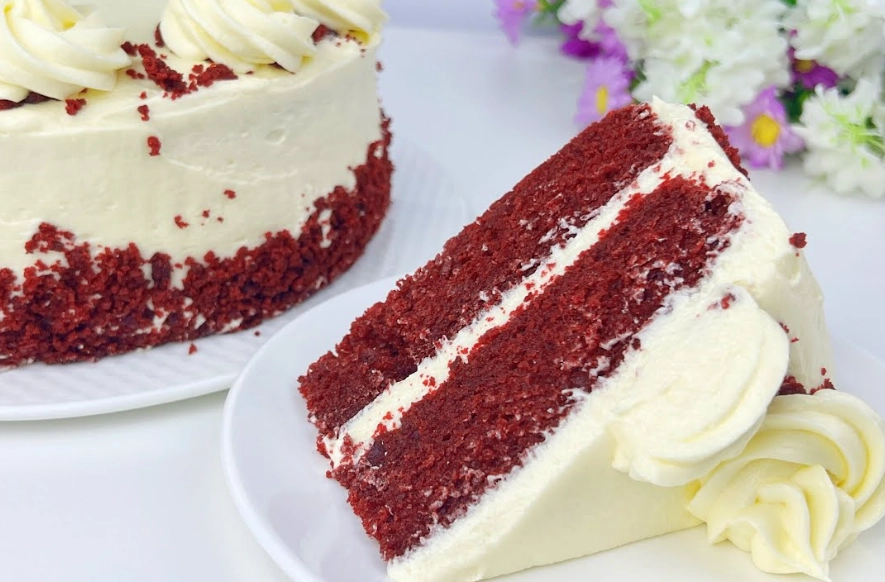
| Ingredient | Purpose | Pro Tip for Moistness |
|---|---|---|
| Vegetable Oil | Provides fat that stays liquid at room temp, creating a tender, moist crumb. Butter solidifies, which can lead to a drier texture. | Use a neutral oil like canola or grapeseed. Don't skimp—the oil-to-flour ratio is critical. |
| Buttermilk | The acid tenderizes gluten, adds tang, and reacts with baking soda for lift. Its liquid content adds moisture. | Use full-fat cultured buttermilk. The low-fat stuff works, but the results aren't as rich or tender. |
| All-Purpose Flour | Provides structure. Too much, and your cake is dense and dry. | Always spoon flour into your measuring cup and level it off. Scooping packs in up to 20% more flour—a guaranteed path to dryness. |
| Cocoa Powder | Gives the signature subtle chocolate flavor and deepens the red color. | Use natural, unsweetened cocoa powder (like Hershey's). Dutch-processed cocoa can alter the chemical reaction with the acid. |
| Vinegar & Baking Soda | Not optional! They create a chemical reaction (like a mini volcano) that gives the cake a finer, lighter crumb. | Use white vinegar. Mix these two with the wet ingredients at the very last second before combining wet and dry to capture all the bubbles. |
| Red Food Coloring | For the iconic color. Gel food coloring is more potent and less liquid than liquid drops. | Don't be shy. You'll need about 1-2 tablespoons of gel to get a deep, vibrant red that doesn't bake out brownish. |
My Non-Consensus Take: Many "moist" recipes proudly use 1 cup oil to 2.5 cups flour. That's the bare minimum. I push it to 1.2 cups oil for 2.5 cups flour. The result? A cake so moist it almost glistens, without being greasy. Trust me on this.
Step-by-Step: Building the Batter for Maximum Moisture
Here's where technique takes over. You've got the right ingredients; now let's treat them right.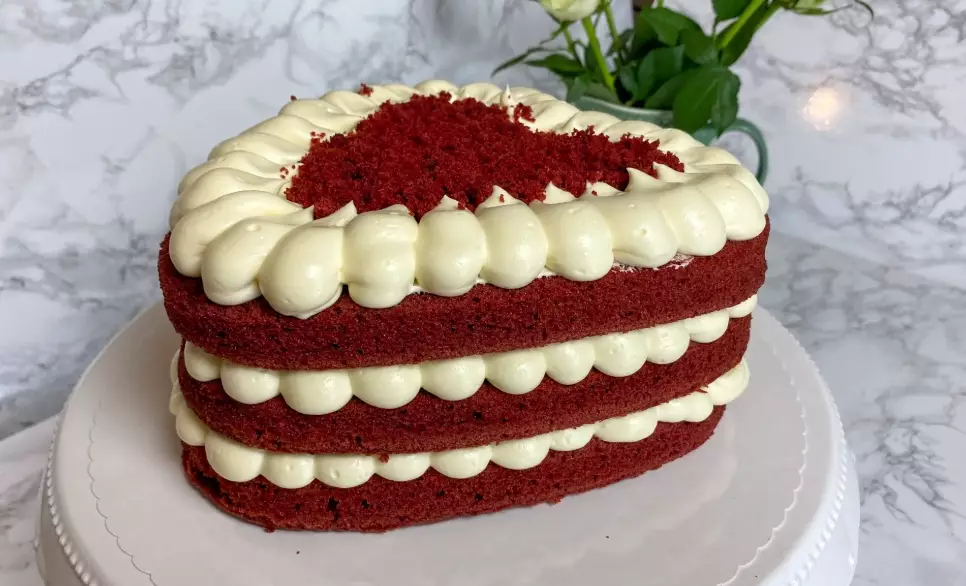
1. The "Reverse Creaming" Method (My Secret Weapon)
Forget creaming butter and sugar. We're using oil, so we use a different method. Whisk all your dry ingredients (flour, sugar, cocoa, baking soda, salt) together thoroughly. This ensures even distribution so you don't get pockets of baking soda.
In another bowl, whisk the wet ingredients: oil, eggs, buttermilk, vanilla, and food coloring. Whisk until it's a smooth, homogenous, alarmingly red liquid.
2. The Critical Combine
Now, pour the wet ingredients into the dry. Use a spatula or whisk and mix just until the last trace of flour disappears. A few small lumps are fine. Overmixing develops gluten, leading to a tough cake.
Here's the final act. In a small cup, mix the white vinegar with the already-added baking soda. It will fizz. Immediately pour this fizzy mixture into the batter and fold it in quickly but gently. This is your last burst of leavening. Pour the batter immediately into your prepared pans (greased, lined with parchment).
Common Mistake Alert: Don't add the vinegar directly to the buttermilk early on. You'll use up its acid power before it hits the baking soda in the dry mix. The two-part acid system (buttermilk early, vinegar late) is what creates the perfect, tender crumb.
Baking & Troubleshooting: Avoiding the Dry Cake Trap
The oven is where dreams are made or broken.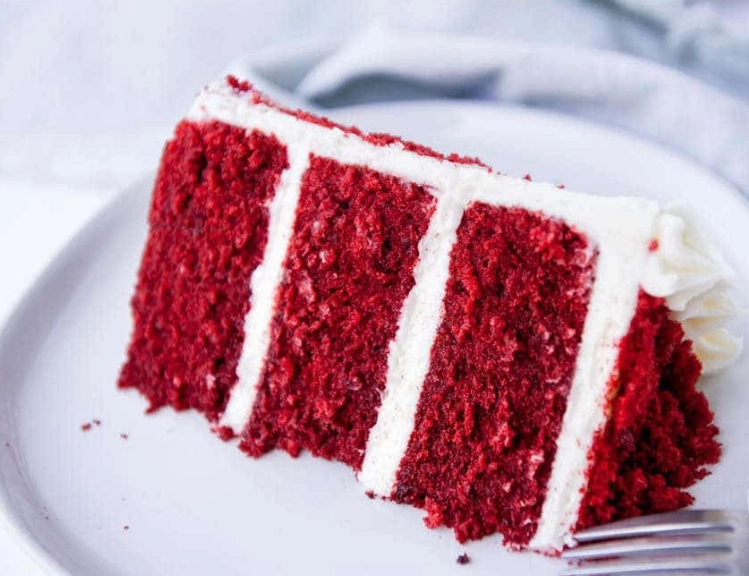
Oven Temp: Preheat to 350°F (175°C). No guessing. An oven thermometer is a $10 investment that saves $20 worth of ingredients. If your oven runs hot, your cake sets too fast and dries out.
Pan Choice: Light-colored aluminum pans are best. Dark pans absorb more heat and can cause over-browning and drier edges.
The Doneness Test: This is crucial. Start checking at 25 minutes. The cake is done when a toothpick inserted into the center comes out with a few moist crumbs attached, not completely clean. A clean toothpick means you've over-baked it. The cake continues to cook from residual heat as it cools.
Cooling: Let the cakes cool in their pans on a wire rack for 15 minutes. Then, run a knife around the edge and invert them onto the rack. Peel off the parchment paper and let them cool completely. Frosting a warm cake is a disaster—the frosting will melt and soak into the cake, making it soggy in a bad way.
The Perfect Frosting & How to Store Your Masterpiece
The classic cream cheese frosting is non-negotiable. The tang cuts the sweetness perfectly.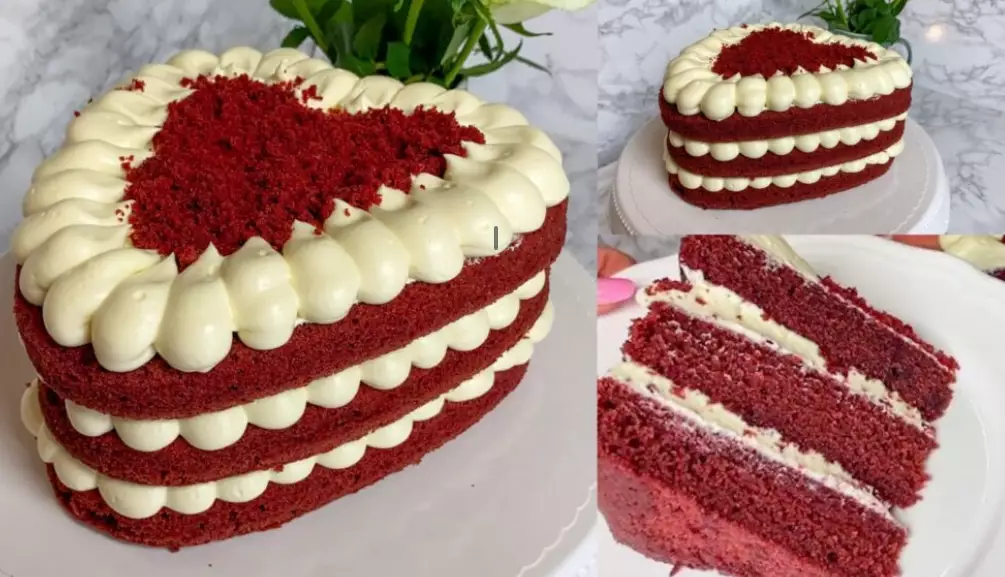
Use full-fat brick cream cheese and real unsalted butter, both at room temperature. Beat them together first until smooth. Sift your powdered sugar to avoid lumps, then add it gradually. Finally, add a splash of vanilla and a tiny pinch of salt. That salt makes all the flavors pop.
Frost the cake only when all components are completely cool. A crumb coat—a thin layer of frosting to trap crumbs—is a pro move. Chill for 20 minutes, then apply the final, beautiful layer.
Storage is key for lasting moisture. A frosted cake can sit covered at cool room temperature for 2 days. The frosting seals in the moisture. For longer storage, refrigerate it. The cold will firm it up, so let slices sit out for 30 minutes before serving to return to that perfect soft texture. You can find more on food safety and storage from resources like the USDA's food safety guidelines.
Your Red Velvet Questions, Answered
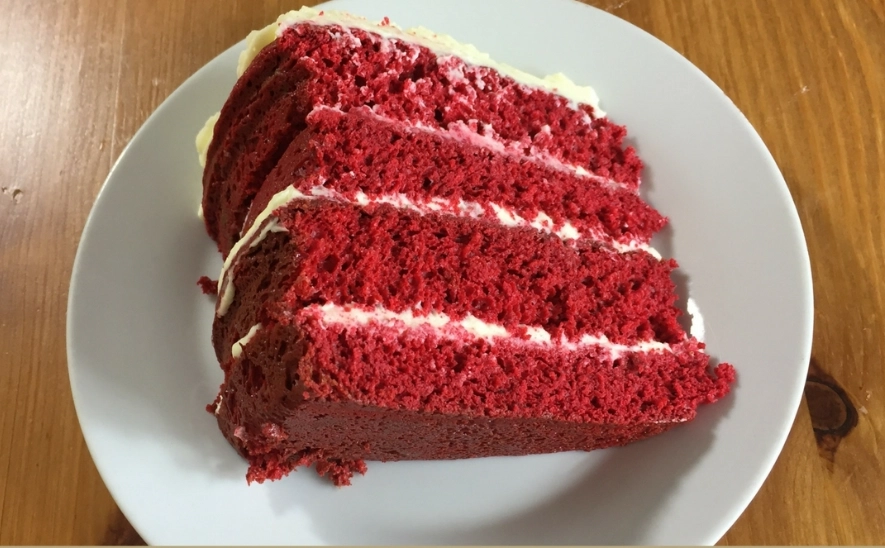
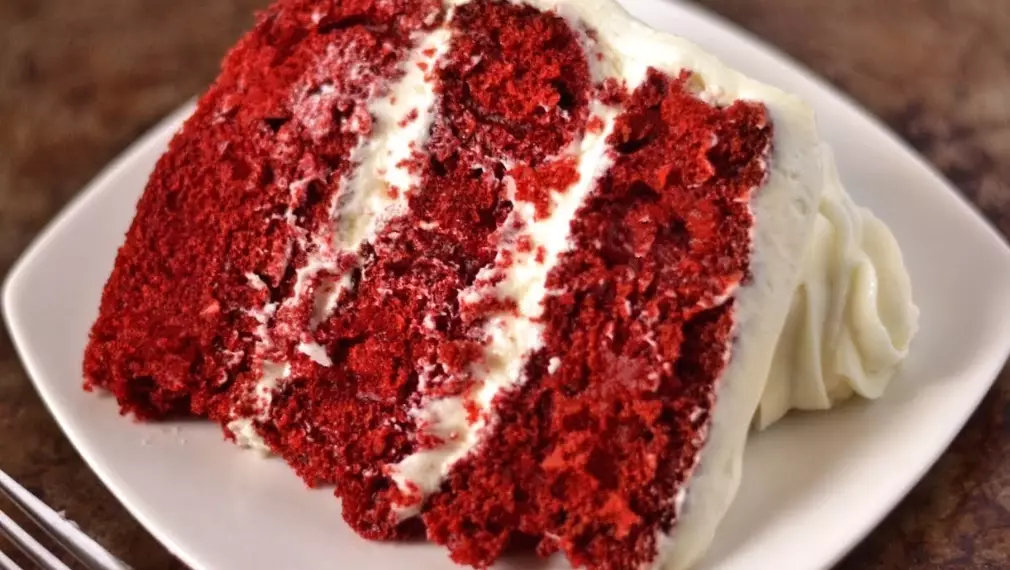 Baking this cake isn't just following a list. It's understanding how ingredients work together. Get the ratios right, handle the batter with care, and don't overbake it. That's the real recipe for a red velvet cake that's memorably, undeniably moist.
Give it a try this weekend. I think you'll taste the difference immediately.



Leave a Comment