In This Guide
Okay, let's be real. You've probably had a churro. Maybe at a fair, maybe from a mall food court, or one of those sad, pre-packaged sticks from the freezer aisle. They're often greasy, soggy, and taste more like fried dough and cinnamon sugar than anything special. I know because I've eaten my share of disappointing churros. It's what made me obsessed with figuring out how to make the real deal at home.
The first time I had a proper, authentic Spanish churro in Madrid, it was a revelation. Crisp, golden, ridged on the outside, tender and almost creamy on the inside, with a simple dusting of sugar. No heavy cinnamon overload, no sticky chocolate sauce drowning it (though that comes later for dipping!). It was perfect. And the best part? The core churros recipe is deceptively simple. It's just water, flour, a bit of fat, and salt. The magic is in the technique.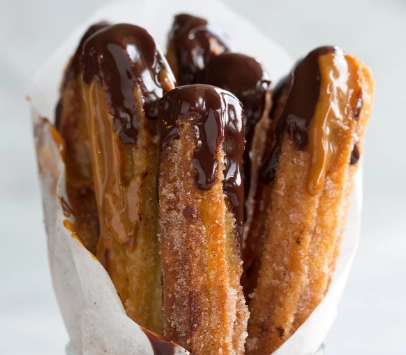
That's what this guide is for. We're going deep.
I'm not just giving you a list of ingredients and steps. I want to explain the why behind each part of the process. Why that specific flour? Why boil the water with the fat? Why is the resting time non-negotiable? When you understand the reasons, you stop following a recipe and start mastering it. You can troubleshoot when things look a bit off, and you'll consistently turn out batches of churros that will make you never want to buy them again.
This is the guide I wish I had when I started. It pulls from traditional methods, a lot of trial and error (my first batch was so oily you could have fueled a car with it), and conversations with cooks who know their stuff. We'll cover the classic Spanish churros recipe, the tools that make life easier, the science of frying, and answers to every question that might pop into your head while you're standing over a pot of hot oil.
What You Actually Need: The Ingredients Breakdown
One of the beautiful things about a traditional churros recipe is its simplicity. You only need a handful of pantry staples. But the quality and type of each ingredient matter more than you might think. Let's break it down.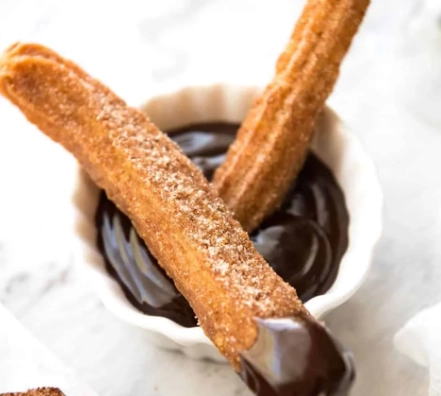
The Dry Team: Flour is the Foundation
This is the most important choice. In Spain, they often use a fine wheat flour with a medium protein content. All-purpose flour is a great, accessible substitute that works wonderfully. I've tested with bread flour (higher protein) and cake flour (lower protein), and honestly, all-purpose hits the sweet spot. The bread flour made them a tad too chewy, and the cake flour lacked a bit of structure.
What about gluten-free? It's tricky, but possible with a good 1:1 gluten-free flour blend. The texture will be different—a bit more crumbly and less chewy—but still delicious. It's a solid option if you need it.
Salt. Don't skip it. It balances the sweetness that comes later and enhances the flavor of the dough itself.
The Wet Team: Water, Fat, and Sometimes Eggs
Water is the main liquid. Using boiling water is crucial—it partially cooks the flour, creating a paste (a "panade") that helps the churros puff up and get that airy interior.
Fat. Traditional recipes use lard or olive oil. Lard gives an incredible flavor and crispness that's hard to beat. A neutral vegetable oil (like sunflower) is more common in many home kitchens. Butter is a non-traditional but tasty option for a richer flavor. I prefer a mix—sometimes I use half butter, half oil. It's a personal touch.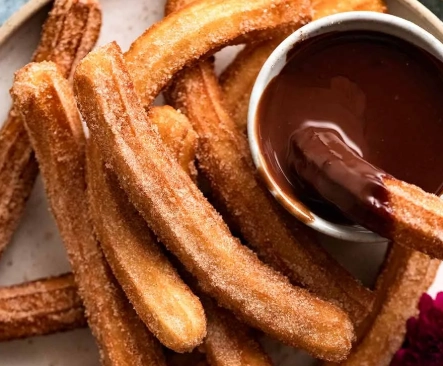
Eggs? This is a big point of debate. A classic Madrid-style churros recipe often has no eggs. It's just the water-flour paste. This yields a lighter, crisper churro. Many Latin American and modern recipes include an egg or two, which makes the dough easier to pipe and results in a slightly richer, more tender interior. I'll give you the egg-less version first, as it's the most authentic, and then we'll talk variations.
| Ingredient | Quantity (Classic Recipe) | Purpose & Notes |
|---|---|---|
| Water | 1 cup (240ml) | The base liquid. Must be boiling to gelatinize the starch. |
| All-Purpose Flour | 1 cup (125g) | The structure. Sifted is best to avoid lumps. |
| Unsalted Butter or Oil | 2 tbsp (30g) | Adds flavor, richness, and helps with browning. |
| Salt | 1/4 tsp | Essential for balancing flavor. Use fine sea salt. |
| Vegetable Oil (for frying) | 6-8 cups | Neutral oil with a high smoke point (canola, peanut, sunflower). |
| Granulated Sugar (for coating) | 1/2 cup | Superfine is ideal. Mix with a pinch of cinnamon if you like. |
The Step-by-Step: Where the Magic (and Potential Mess) Happens
Alright, let's get our hands dirty. Or, hopefully, just a little floury. I'll walk you through the classic method, pointing out the critical moments where things can go right or wrong.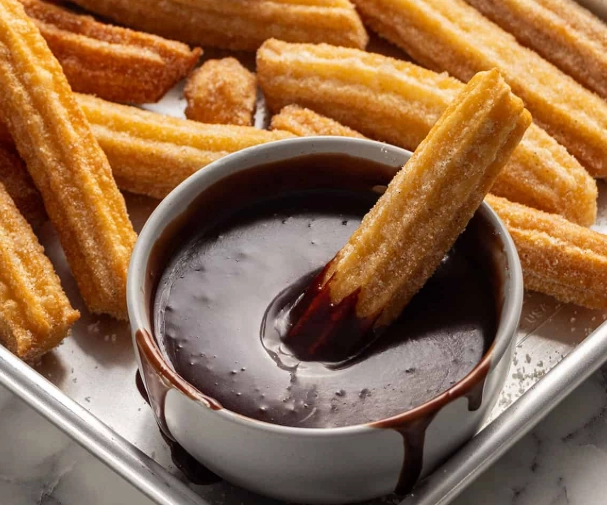
Step 1: Making the Dough (The Panade)
Combine the water, fat (butter/oil), and salt in a medium saucepan. Bring it to a rolling boil over medium-high heat. The fat should be fully melted and incorporated.
Now, turn the heat down to low. Dump all of the flour in at once. Immediately start stirring vigorously with a wooden spoon. It will look like a lumpy mess at first, but keep going. You're aiming for a smooth ball of dough that pulls away from the sides of the pan cleanly. This takes about 1-2 minutes of constant stirring. Your arm might ache. That's normal. You've just made a pâte à choux, the same base used for cream puffs and éclairs! This step cooks the flour and develops the gluten just enough to hold the steam that will puff up your churros later.
See the film on the bottom of the pan? That's a good sign.
Transfer the hot dough ball to a mixing bowl and let it cool for about 5-10 minutes. If you're adding an egg (for a richer version), this is the time. Once the dough is just warm to the touch, beat in one large egg until fully incorporated. The dough will go from shaggy to silky smooth. The egg version is definitely easier to pipe.
Step 2: Piping and Shaping
While the dough cools a bit, heat your frying oil in a heavy-bottomed pot or deep fryer to 375°F (190°C). A candy/deep-fry thermometer is non-negotiable here. Guessing the oil temperature is the number one cause of greasy, sad churros. Too cool, and they soak up oil. Too hot, and they brown outside before cooking inside.
Load your dough into a piping bag fitted with a large open star tip. A closed star tip gives more defined ridges. The classic Spanish churro shape is long and straight, but you can pipe loops or shorter sticks. I find shorter ones (4-5 inches) are easier to manage for frying at home.
Over the pot of hot oil, carefully pipe a strip of dough directly into the oil, using kitchen scissors or a knife to cut it off at the tip. Don't crowd the pot—fry 3-4 at a time depending on the size of your pot.
Step 3: The Fry
This is the moment of truth. The churros should immediately begin to sizzle and float. Let them fry for about 2-3 minutes per side, turning occasionally with tongs or a spider skimmer, until they are a deep, uniform golden brown. Don't go for pale blonde—that golden brown color is where the flavor and crispness live.
Lift them out, let the excess oil drip back into the pot for a few seconds, then transfer them directly to a plate lined with paper towels. Let them drain for just a minute—you want them hot when you coat them in sugar.
Step 4: The Sugar Coat
Have your sugar (or sugar-cinnamon mix) ready in a shallow dish. While the churros are still very warm (but not so hot they burn you), roll them in the sugar until evenly coated. The residual heat and a tiny bit of surface oil help the sugar adhere perfectly.
The Classic Churros Recipe (Quick-Reference)
1. Boil 1 cup water, 2 tbsp butter, 1/4 tsp salt. 2. Off heat, stir in 1 cup flour until a ball forms. 3. Cool 5 min. (Add 1 egg here if desired). 4. Heat oil to 375°F (190°C). 5. Pipe dough into oil, fry 2-3 mins per side until golden. 6. Drain, then roll in sugar. Serve immediately.
And that's it. The basic, beautiful easy churros recipe. But what about the questions that keep you up at night? Let's tackle those.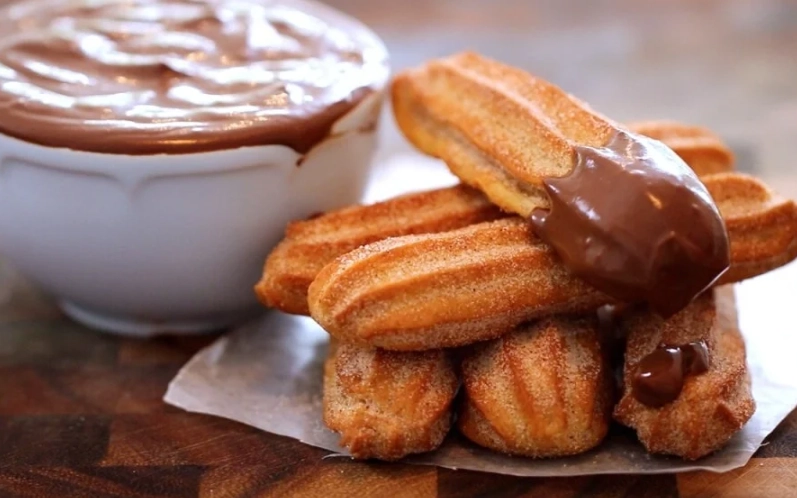
Your Churro Questions, Answered (The Real Stuff Google Doesn't Always Tell You)
I've scoured forums, read comments, and remembered my own moments of panic. Here are the answers you're probably looking for.
Leveling Up: Churros Recipe Variations and Ideas
Once you've mastered the basic churros recipe, the world is your oyster. Or your churro. Here are some fun twists.
- Churro Bites: Pipe short, 1-inch pieces. Perfect for parties and dipping.
- Stuffed Churros: Pipe a line of dough, place a thin rod of chocolate (like a chocolate pencil) or a dollop of dulce de leche in the center, then pipe another line of dough on top to encase it. Fry as usual. Tricky but impressive.
- Flavored Dough: Add a teaspoon of vanilla extract, orange zest, or a tablespoon of cocoa powder to the boiling water mixture.
- Coating Variations: Roll in a mix of sugar and crushed nuts, drizzle with melted chocolate, or dust with powdered sugar and a sprinkle of espresso powder.
The point is, the basic formula is your canvas. My personal favorite lazy-night variation is adding a bit of orange zest to the dough and dipping them in dark chocolate. It feels fancy for minimal extra work.
The Final, Most Important Step
Eat them immediately. I mean it. Churros are the ultimate ephemeral food. They are at their absolute peak within 10 minutes of coming out of the fryer. The crispness, the warmth, the contrast of the sugary shell and soft interior—it's an experience that doesn't wait.
So don't fuss too much about making them perfect for a photo. Just make them, and eat them.
That's the real secret behind a great churros recipe. It's not just a list of ingredients. It's understanding the process enough to make it work in your kitchen, and then having the confidence to enjoy the delicious, slightly messy results. Grab your pot, your thermometer, and get started. Your first batch might not be your last.
Leave a Comment