Jump to What Matters
Let's cut to the chase. If you're serious about baking, a good scale isn't just nice to have—it's non-negotiable. I've been baking professionally for over a decade, and I can tell you that the difference between a home baker and a pro often boils down to one thing: precision. And precision starts with the scale. So, what scales do professional bakers use? It's not about a single magic model; it's about choosing the right tool for the job. In this guide, I'll walk you through the types, features, and specific models that actually work in a busy kitchen, based on my own experience and industry standards.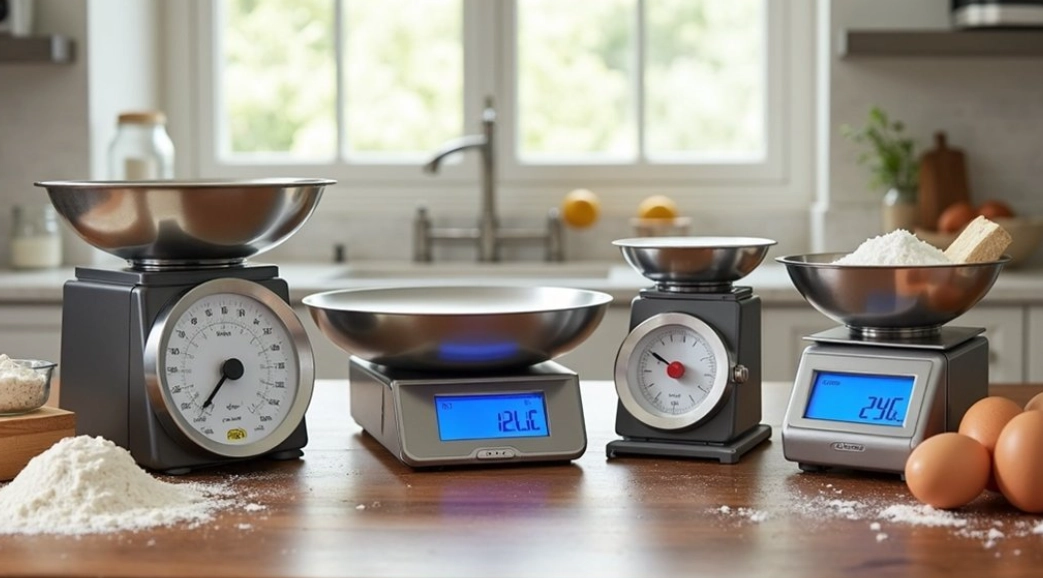
Why Professional Bakers Swear by Scales
You might think measuring cups are fine. They're not. Flour compacts, sugar settles, and butter varies. A scale removes all that guesswork. According to the American Bakers Association, consistent measurement is critical for product quality in commercial baking. I learned this the hard way early in my career. My sourdough loaves were inconsistent until I switched to weighing ingredients. Suddenly, every batch turned out the same—perfectly chewy with a crisp crust. That's the power of a scale.
The Two Main Types of Baker Scales
Professional kitchens typically rely on two kinds of scales: digital and mechanical. Each has its place.
Digital Scales: The Modern Workhorse
Digital scales are everywhere in pro bakeries now. They're fast, accurate, and easy to read. Most have LCD displays that show weights down to 0.1 grams or 0.01 ounces. I use a digital scale daily for things like bread dough and cake batter. Brands like OXO and Escali are popular, but I'll get to specific models later.
The downside? They need batteries, and some cheap models drift over time. But a good digital scale, calibrated regularly, is incredibly reliable.
Mechanical Scales: The Old-School Reliable
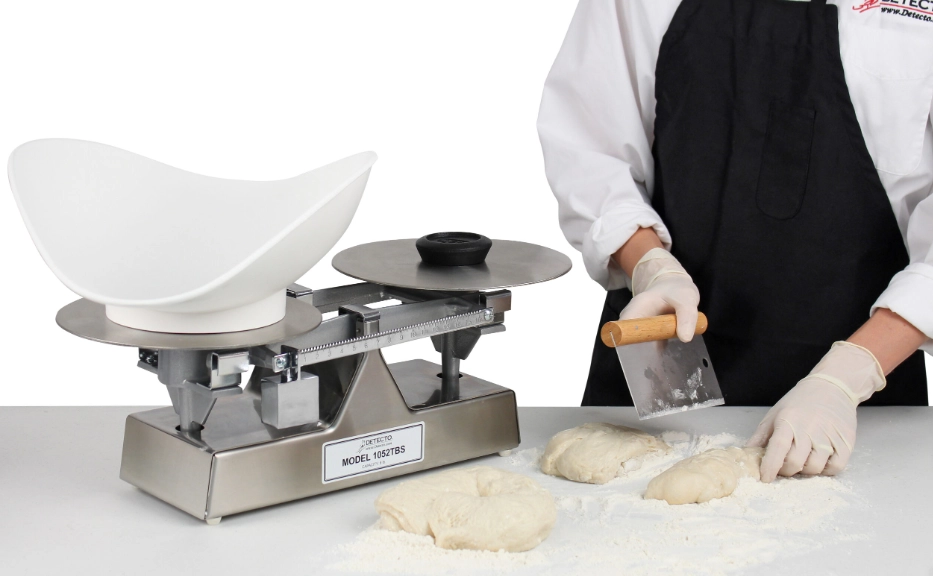
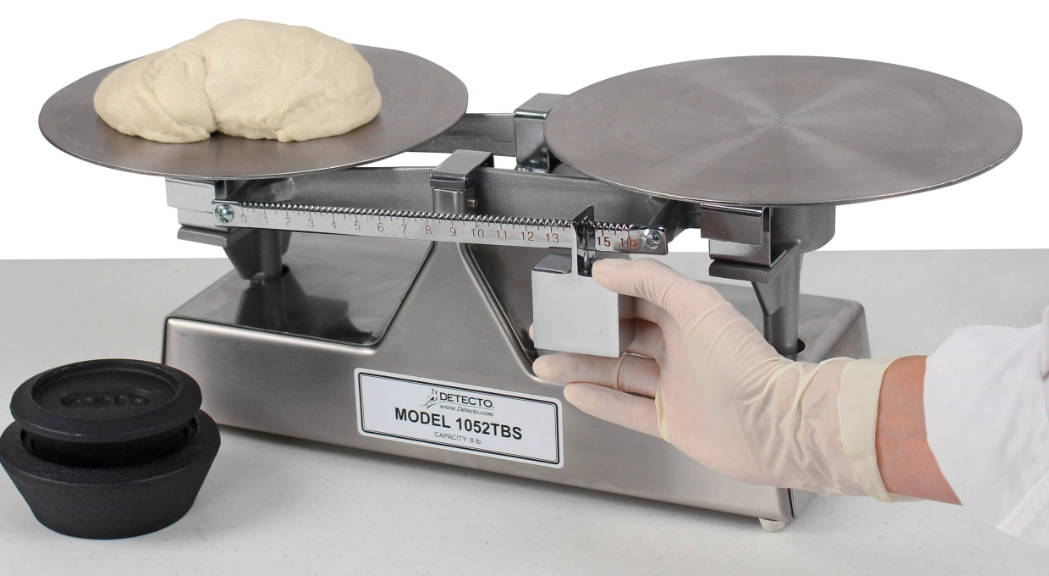
You don't see these as often, but some bakers, especially in artisanal shops, still use mechanical spring scales. They're durable, don't require power, and have a certain charm. I keep one as a backup. It's great for weighing larger batches—think 5 kg of flour for holiday cookies. However, they're less precise for small amounts like yeast or salt.
Honestly, unless you're nostalgic or baking in a place with no electricity, digital is the way to go.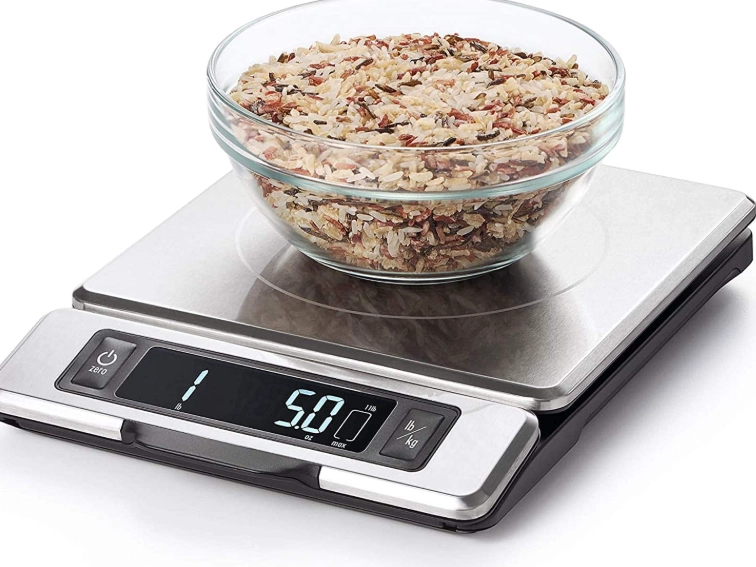
5 Must-Have Features in a Pro Scale
Not all scales are created equal. Here's what to look for, based on what actually matters in a hectic kitchen.
- Precision: Look for at least 1-gram increments. For baking, 0.1-gram precision is ideal for ingredients like baking powder or spices. My rule: if it costs less than $50 and claims 0.01-gram precision, be skeptical—it might not hold up.
- Capacity: A scale that maxes out at 5 kg (11 lbs) is versatile. You can weigh a large bowl of dough or small amounts of flavorings. I've seen beginners buy tiny scales that can't handle a mixing bowl, which is frustrating.
- Unit Conversion: Switch between grams, ounces, and pounds with a button. This saves time when recipes mix units. Some scales even have milliliters for liquids, though for baking, weight is king.
- Tare Function: This lets you zero out the weight of your container. Essential. Without it, you're doing math in your head, and mistakes happen.
- Easy to Clean: A flat platform or removable bowl. Flour and butter get everywhere. A scale with crevices is a nightmare to maintain.
My Top 3 Scale Picks After 10 Years
I've tested dozens of scales. Here are three that stand out, from budget to premium. This table sums up the key specs.
| Model | Type | Capacity & Precision | Key Features | Approx. Price |
|---|---|---|---|---|
| Escali Primo P115C | Digital | 11 lbs / 5 kg, 1-gram increments | Simple design, easy tare, auto-off | $25-$30 |
| OXO Good Grips 11-Pound Scale | Digital | 11 lbs / 5 kg, 1-gram increments | Pull-out display, contoured bowl, waterproof | $50-$55 |
| MyWeigh KD-8000 | Digital | 8000g / 17.6 lbs, 0.1-gram precision | High capacity, precise for small weights, AC adapter option | $100-$120 |
The Escali Primo is my go-to for beginners. It's affordable and just works. I've dropped mine more times than I care to admit, and it still functions. The OXO scale has a clever pull-out display that's great when you have a large bowl blocking the view—a small detail that makes a big difference. The MyWeigh KD-8000 is what I use in my own bakery for bulk ingredients and precise small measurements. It's a bit pricier, but the accuracy is unmatched for things like macaron batter.
I don't recommend mechanical scales for most people because they're harder to read accurately, but if you insist, look for a Pelouze model—they're built like tanks.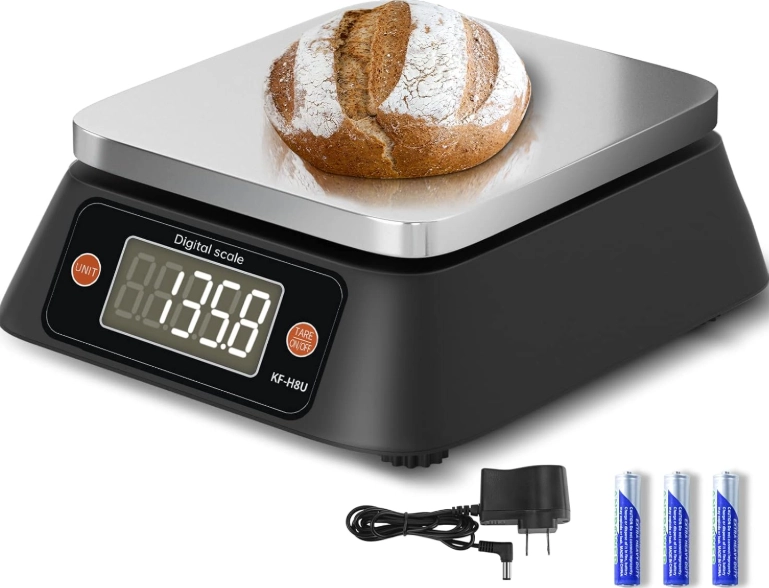
How to Use a Scale Like a Pro
It's not just about weighing. Here's a step-by-step method I teach my apprentices.
First, place your scale on a flat, stable surface. A wobbly table ruins everything. Turn it on and let it zero out. Use a bowl or container, hit tare to zero it, then add your first ingredient. For flour, spoon it in gently—don't pack it down. For liquids like milk, pour slowly to avoid spills.
One trick: weigh ingredients directly into the mixing bowl in the order the recipe lists them. This saves dishes and reduces error. Say the recipe calls for 500g flour, 300g water, 10g salt. Add flour, tare, add water, tare, add salt. Done.
Calibrate your scale monthly with a known weight, like a 500g calibration weight or a sealed bag of sugar. If it's off by more than a gram, adjust it or replace it. I've seen bakers ignore this and wonder why their bread is dense.
The Big Mistake Beginners Make
Here's something most blogs don't tell you: people obsess over scale accuracy but forget about environmental factors. Drafts from air conditioners, vibrations from mixers, or even magnetic interference from appliances can throw off a digital scale. In my early days, I placed my scale near a refrigerator compressor, and my measurements were consistently off by a few grams. Moved it to a quiet corner, problem solved.
Another subtle error: using the scale on a non-level surface. Even a slight tilt skews readings. I keep a small spirit level in my kitchen drawer just to check. It sounds obsessive, but in baking, details matter.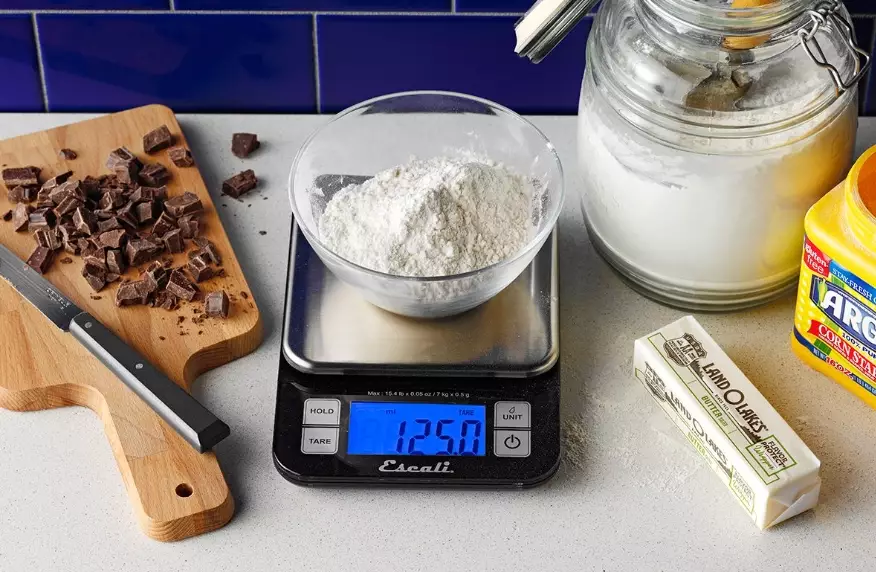
Your Burning Questions Answered
 Is it worth investing in a scale with 0.01-gram precision for home baking?
To wrap up, the scale professional bakers use isn't a mystery—it's a tool chosen for accuracy, durability, and ease. Start with a reliable digital scale like the Escali Primo, master the tare function, and keep it calibrated. Your baking will thank you. Remember, in this game, grams are your best friends.


Leave a Comment