You want to bake a cake. A real, moist, celebratory cake that doesn't taste like a compromise. But the list of "can't haves"—gluten, dairy, eggs, nuts—feels longer than the recipe itself. I get it. I've been baking allergy-friendly cakes for over a decade, first for a niece with severe dairy and egg allergies, and now for a growing community of readers who just want safe, delicious dessert. The biggest mistake I see? Treating it like a simple substitution game. It's not. Baking an allergy free cake that's truly great requires understanding why ingredients work, not just what to swap. Let's ditch the dry, crumbly failures and bake a cake that everyone, allergies or not, will ask for seconds of.
What's Inside This Guide
- The Real Challenges of Allergy-Free Baking (Beyond Substitutions)
- Your Master List of Allergy-Free Baking Ingredients
- A Foolproof, Customizable Vanilla Allergy Free Cake Recipe
- How to Adapt Your Base Recipe: Chocolate, Lemon & More
- Dairy-Free Frosting That Actually Holds Its Shape
- Your Top Allergy-Free Baking Questions, Answered
The Real Challenges of Allergy-Free Baking (It's Not Just Flour)
Most guides jump straight to substitutions. That's putting the cart before the horse. If you don't know what you're replacing, you'll fail. Wheat flour, eggs, and dairy butter aren't just ingredients; they're functional powerhouses.
Gluten provides structure and chew. Eggs are binders, leaveners, and moisturizers all in one. Dairy adds fat, flavor, and tenderness. Remove them all, and you have a structural and chemical puzzle. A common pitfall is assuming all gluten-free flours behave the same. Using only rice flour will give you a gritty, dense cake. Relying solely on applesauce for egg replacement can make the cake gummy.
The secret isn't one magic ingredient. It's a balanced blend and method adjustments.
Your Master List of Allergy-Free Baking Ingredients
Think of this as your new pantry blueprint. I've categorized them by function so you can mix and match based on what you have and what allergies you're avoiding.
| Ingredient Category | Top Picks & Why | Watch Out For |
|---|---|---|
| Flour Blends | Store-bought: King Arthur Gluten-Free, Bob's Red Mill 1-to-1. Consistent and reliable. Homemade Base: 40% rice flour, 30% tapioca starch, 30% potato starch. Adds structure and lightness. | "All-purpose" gluten-free blends often contain bean flours (like garbanzo) which can have a strong, bitter aftertaste in cakes. Read labels. |
| Egg Replacers | For binding: "Flax egg" (1 tbsp ground flax + 3 tbsp water). For lift: Aquafaba (3 tbsp = 1 egg white). All-in-one: Commercial egg replacer powder (like Ener-G). | Applesauce or banana adds moisture but not structure. Best used WITH another binder like flax egg in dense cakes. |
| Dairy-Free Milks | Best for flavor: Unsweetened oat milk or almond milk. Best for fat content: Full-fat canned coconut milk (shaken). | Rice milk is very thin. Soy milk can have a "beany" flavor that might come through in vanilla cakes. |
| Fats & Butter | For butter flavor: Vegan butter sticks (Miyoko's, Earth Balance). For neutral moisture: Light olive oil, avocado oil, or refined coconut oil (melted). | Margarine can have a high water content. Vegetable oil can make cakes too greasy if not measured precisely. |
My personal workhorse is the homemade flour blend. I mix a big batch and keep it in a jar. The tapioca starch gives that desirable "chew" you miss from gluten, and the potato starch keeps it light. It's cheaper than buying blends, and I control exactly what's in it.
A Foolproof, Customizable Vanilla Allergy Free Cake Recipe
This is my base recipe. It's free from gluten, dairy, eggs, and nuts (if you use oat milk). It's the canvas. We'll paint flavors on it later.
Yield: Two 8-inch round cakes, or one 9x13 sheet cake.
Prep: 20 minutes
Bake: 28-32 minutes
Ingredients You'll Need
- 360g (3 cups) all-purpose gluten-free flour blend (see table above)
- 300g (1 1/2 cups) granulated sugar
- 2 1/2 tsp baking powder (ensure it's gluten-free)
- 1 tsp baking soda
- 1 tsp fine sea salt
- 2 "flax eggs" (2 tbsp ground flaxseed + 6 tbsp warm water, whisked, set for 5 min)
- 480ml (2 cups) unsweetened oat milk (or other dairy-free milk)
- 160ml (2/3 cup) light olive oil or melted vegan butter
- 1 tbsp apple cider vinegar (trust me, this is key)
- 1 tbsp pure vanilla extract
The Method: Where Most Go Wrong
Preheat your oven to 350°F (175°C). Grease and line your pans with parchment paper. Gluten-free cakes stick more. Don't skip the parchment.
1. Mix Dry: In a large bowl, whisk the flour blend, sugar, baking powder, baking soda, and salt. Get it really uniform. No flour pockets.
2. Mix Wet: In another bowl, whisk the prepared flax eggs, oat milk, oil, vinegar, and vanilla until smooth. The vinegar will react with the baking soda for lift—this is non-negotiable for egg-free cakes.
3. Combine: Pour the wet ingredients into the dry. Whisk just until no dry streaks remain. A few small lumps are fine. Over-mixing is enemy #1 here. The batter will be thinner than traditional cake batter. That's normal.
4. Bake: Divide batter between pans. Bake for 28-32 minutes. The test? The top should spring back when lightly touched, and a toothpick inserted should come out with a few moist crumbs, not wet batter.
5. Cool: This is critical. Let cakes cool in the pan for 15 minutes. Then run a knife around the edge and invert onto a wire rack to cool completely before frosting. Gluten-free cakes are fragile when warm.
How to Adapt Your Base Recipe: Chocolate, Lemon & More
The vanilla cake is your blank slate. Here’s how to transform it.
Deep Chocolate Cake: Replace 60g (1/2 cup) of the gluten-free flour blend with an equal amount of unsweetened cocoa powder (ensure it's not processed in a facility with dairy). Add 1/2 tsp of instant espresso powder to the dry ingredients—it intensifies the chocolate flavor without tasting like coffee. Use 1 3/4 cups of dairy-free milk instead of 2 cups.
Zesty Lemon Cake: Add the zest of two large lemons to the sugar before mixing. Rub them together with your fingers—this releases the oils. Replace 1/4 cup of the dairy-free milk with 1/4 cup of fresh lemon juice. The acid makes it extra tender.
Spiced Carrot Cake: Fold 2 cups of finely grated carrot and 1/2 cup of crushed pineapple (drained) into the finished batter. Add 2 tsp cinnamon, 1/2 tsp ginger, and 1/4 tsp nutmeg to the dry ingredients. Use melted coconut oil for the fat—it pairs perfectly.
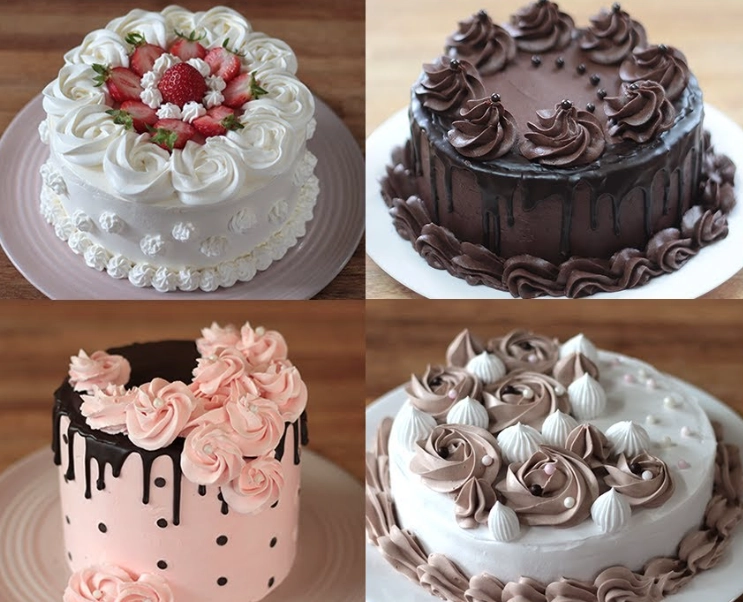
Dairy-Free Frosting That Actually Holds Its Shape
A dry, crumbly cake can be saved by frosting. A runny, sloppy frosting ruins everything. The trick to dairy-free buttercream is temperature control.
My Go-To Vegan Buttercream:
Beat 1 cup (225g) of solid, cold vegan butter (I prefer the stick form) with an electric mixer for 3 minutes until pale and fluffy. Gradually add 3-4 cups (360-480g) of powdered sugar (sifted!), one cup at a time, with the mixer on low. Add 2 tsp vanilla and 2-3 tbsp of cold dairy-free milk. Beat on high for 2 full minutes. This whips air into it, making it stable.
If your kitchen is warm, the vegan butter can get greasy. Chill the bowl and beaters for 10 minutes before starting. If the frosting seems too soft after mixing, pop the whole bowl in the fridge for 20 minutes, then re-whip.
For a chocolate version, add 2/3 cup of sifted cocoa powder with the last addition of powdered sugar.

Leave a Comment