You pull your cake out of the oven. It looks perfect. You wait, let it cool, and take that first bite... and it's dry. Crumbly. Disappointing. We've all been there. The internet is full of "one weird trick" promises for moist cake, but most are just surface-level hacks. After baking professionally for over a decade and fixing more dry cakes than I can count, I can tell you the secret isn't a single ingredient. It's a system built on understanding what moisture actually is in baking and how to trap it. Let's ditch the myths and get into the real science and technique.
What You'll Learn
Stop Believing These Common Moist Cake Myths
Before we build, let's clear the debris. Many common tips are distractions.
Myth 1: "Just add more oil or butter." This is a fast track to a greasy, dense brick. Fat tenderizes, but it doesn't magically create moisture. Too much fat can actually weaken the structure so it can't hold onto the moisture you do have.
Myth 2: "Bake at a lower temperature for longer." This often backfires. A low oven temperature means the cake sets more slowly, allowing more moisture to evaporate during baking. A proper initial high heat sets the structure quickly, sealing in steam.
Myth 3: "Pudding mix is the ultimate secret." Instant pudding mix contains starches and emulsifiers that can help. But it's a crutch. If your base recipe is flawed, pudding mix adds a gummy texture, not genuine moisture. It treats the symptom, not the cause.
The biggest mistake I see? Home bakers focus only on the batter and ignore what happens in the oven and after. Moisture is a journey, not a starting point.
The Three Pillars of a Super Moist Cake
Think of cake moisture as a three-legged stool. Remove one leg, and it falls.
1. Ingredient Selection: The Moisture Donors
This is about choosing ingredients that bring and bind water. Not all liquids are equal. Water evaporates easily. Buttermilk, sour cream, yogurt, and brown sugar are moisture heroes because they hold onto water tightly. Fats like oil coat flour proteins better than butter (which contains water), leading to a more tender, moist crumb. Eggs provide structure and emulsification, keeping the water and fat together in the batter.
2. Baking Technique: The Moisture Trap
This is the most overlooked pillar. You can have a perfect batter and ruin it in the oven.
Oven Temperature: A properly preheated oven (I recommend 350°F/175°C for most cakes) is non-negotiable. An inaccurate oven is the silent killer of moist cakes. Get an oven thermometer.
The "Don't Peek" Rule: For the first 75% of the baking time, do not open the oven door. That rush of cold air causes the rising structure to collapse, creating a dense texture.
Testing for Doneness: A toothpick should come out with a few moist crumbs attached, not bone-dry. A dry toothpick means you've overbaked. The cake continues to cook from residual heat as it cools.
3. Post-Bake Care: The Moisture Lock
Your job isn't over when the cake comes out.
Cooling: Let the cake cool in its pan on a wire rack for 10-15 minutes. This allows the structure to set enough to handle. Then, turn it out onto the rack to cool completely. Trapping steam inside the hot pan leads to a soggy bottom.
Syruping (The Pro's Secret): Brushing simple syrup (equal parts sugar and water, heated until dissolved) on warm cake layers is a game-changer. It adds a direct infusion of moisture and flavor. For a chocolate cake, add a tablespoon of coffee liqueur to the syrup. This isn't cheating; it's insurance.
Frosting as a Sealant: Frosting isn't just decoration. A layer of buttercream or cream cheese frosting acts as a barrier, slowing moisture loss from the cake's surface.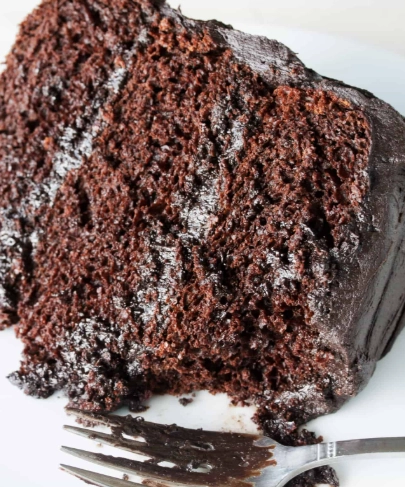
Personal Anecdote: I once baked a wedding cake for a humid outdoor summer wedding. I was terrified it would dry out. My saving grace wasn't a fancy ingredient—it was a heavy-duty cake carrier and applying a thin layer of simple syrup to each layer right before stacking and frosting on-site. The cake stayed phenomenally moist despite the heat. The lesson? Sometimes the "secret" is in the logistics.
Your Moisture Power Ingredients: A Breakdown
Let's get specific. Here’s how common ingredients rank in the moisture game.
| Ingredient | Moisture Role | Best Used In | Pro Tip / Warning |
|---|---|---|---|
| Oil (Vegetable, Canola) | Coats flour proteins thoroughly for a supremely tender, moist crumb. Liquid at room temp. | Chocolate cakes, carrot cake, spice cakes. | Use a neutral-flavored oil. Don't substitute 1:1 for melted butter; the texture will change. |
| Buttermilk or Sour Cream | Acidity tenderizes gluten, and their thick consistency binds water beautifully into the batter. | Red velvet, vanilla buttermilk cake, pound cakes. | Full-fat sour cream gives the richest result. For buttermilk, low-fat works fine. |
| Brown Sugar (Light or Dark) | The molasses content is hygroscopic—it attracts and holds onto moisture from the air. | Anything where a caramel note works: banana cake, chocolate cake, gingerbread. | Pack it firmly into your measuring cup. Dark brown sugar has more molasses for more moisture. |
| Whole Eggs + Extra Yolks | Yolks are rich in fat and emulsifiers (lecithin), which create a stable, moist batter that doesn't separate. | Rich yellow cakes, custard-based cakes. | Adding 1-2 extra yolks to a standard recipe is a classic baker's trick for richness and moisture. |
| Mayonnaise | It's just eggs and oil—two moisture heroes already on this list. An excellent emulsified fat. | Chocolate cake (you won't taste it). | Use full-fat, real mayonnaise. This is a great "rescue" ingredient for a known-dry recipe. |
Putting It All Together: A Can't-Fail Moist Chocolate Cake Recipe
This recipe employs multiple pillars. It uses oil and buttermilk, includes brown sugar, and has a hot coffee step that blooms the cocoa flavor and adds moisture. It's my most requested cake.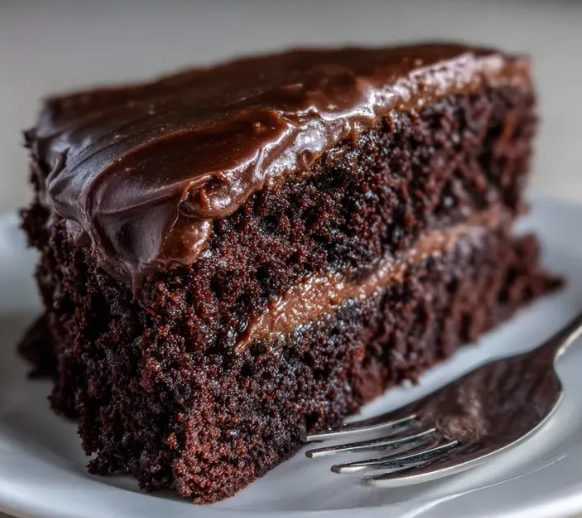
Ingredients
- 2 cups (250g) all-purpose flour
- 2 cups (400g) granulated sugar
- 3/4 cup (75g) unsweetened cocoa powder (Dutch-processed if you have it)
- 2 tsp baking soda
- 1 tsp baking powder
- 1 tsp salt
- 2 large eggs, at room temperature
- 1 cup (240ml) buttermilk, at room temperature
- 1/2 cup (120ml) vegetable oil
- 2 tsp pure vanilla extract
- 1 cup (240ml) hot, freshly brewed coffee
Method
1. Prep: Preheat your oven to 350°F (175°C). Grease and flour two 9-inch round cake pans, and line the bottoms with parchment paper. (This guarantees easy release.)
2. Dry Mix: In the bowl of a stand mixer, sift together the flour, sugar, cocoa powder, baking soda, baking powder, and salt. Whisk it on low for 30 seconds to combine.
3. Wet Mix: In a separate jug, whisk the eggs, buttermilk, oil, and vanilla until smooth.
4. Combine: With the mixer on low, slowly pour the wet ingredients into the dry. Mix until just combined—it will be thick. Now, with the mixer still on low, carefully pour in the hot coffee. The batter will be very thin. That's correct. Don't panic.
5. Bake: Divide the batter evenly between the pans. Bake for 30-35 minutes, until a toothpick inserted comes out with moist crumbs. Do not overbake.
6. Cool & Syrup: Cool in pans for 15 minutes, then turn out onto racks. While still warm, brush with a simple syrup (1/4 cup sugar + 1/4 cup water, heated until clear). Let cool completely before frosting with your favorite chocolate buttercream.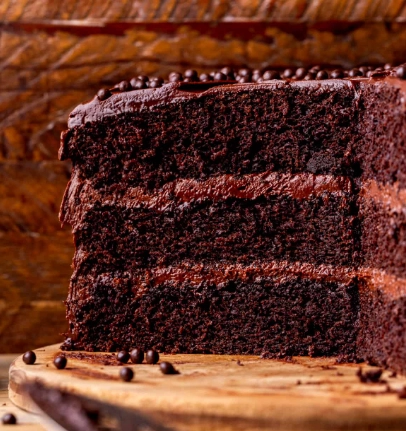
Your Moist Cake Questions, Answered
The secret to a super moist cake isn't hidden. It's in the mindful choice of ingredients that hold water, the disciplined technique that traps it, and the simple, caring steps you take after the bake. Stop looking for a magic bullet. Start building your three-legged stool. Your next cake won't just be moist; it will be memorably, reliably, supremely so.


Leave a Comment