I burned my third batch of gluten-free, dairy-free cookies before it hit me. The kitchen smelled like disappointment, and my kid looked at me like I’d failed a basic life test. That was ten years ago. Since then, I’ve learned that allergy-friendly baking isn’t about finding a perfect one-to-one swap for wheat flour or butter. It’s a different game with its own rules. A game where you can actually win and end up with a moist chocolate cake or chewy cookie that nobody would guess is "free-from" anything. Whether you're dealing with celiac disease, a dairy intolerance, or nut allergies, you can bake delicious, safe food. Let's ditch the cardboard-textured failures for good.
What's Inside This Guide
The Core Principles of Successful Allergy Baking
Most recipes fail because people treat it like simple substitution. You can't just swap wheat flour for rice flour and expect magic. You're rebuilding the structural and chemical foundation of baked goods.
Think of wheat flour as a team player: gluten provides stretch and structure, starch absorbs moisture. Butter adds fat and flavor. Eggs bind and leaven. When you remove one, you need a combination of ingredients to replicate all its jobs.
The goal isn't to mimic a conventional baked good perfectly. It's to create something new that stands on its own as delicious. A banana bread sweetened with dates and made with oat flour will be denser and more moist than its wheat-based cousin—and that’s a feature, not a bug.
Your Ultimate Allergen Swap Guide (No Guesswork)
Here’s a breakdown of the most common allergens and what to use instead. This isn't just a list; it's about understanding the function so you can adapt almost any recipe.
| Allergen | Primary Function in Baking | Best Substitutes & How to Use Them | Watch Out For |
|---|---|---|---|
| Wheat/Gluten | Structure, elasticity, binding. | Blend, don't use single flours. A good mix: 40% rice flour (light), 30% oat flour (chew), 30% tapioca starch (bind). For cup-for-cup, Bob's Red Mill 1-to-1 Gluten Free Flour works reliably. Add 1/4 tsp xanthan gum per cup if your blend doesn't have it. | Rice flour alone is gritty. Almond flour is NOT a direct sub and adds fat. |
| Dairy (Butter/Milk) | Fat, flavor, moisture, browning. | Butter: Use refined coconut oil (no coconut taste) or vegan butter sticks (like Miyoko's or Earth Balance) for creaming. Milk: Unsweetened oat milk is neutral. For buttermilk, add 1 tbsp lemon juice or vinegar to 1 cup oat milk. | Olive oil changes flavor. Some margarines contain dairy (whey)—always check labels. |
| Eggs | Bind, leaven, add moisture. | For binding: 1 tbsp ground flaxseed + 3 tbsp water (wait 5 mins). For leavening: 1/4 cup applesauce or mashed banana (adds sweetness). Commercial egg replacer (like Bob's Red Mill) for structure in cakes. | Flax eggs can make things dense. Applesauce can make things gummy if overused. |
| Nuts | Flour (fat/protein), flavor, crunch. | For nut flour: Sunflower seed flour (toast it first!) or pumpkin seed flour. For nut butter: Sunflower seed butter (can turn baked goods green—harmless but surprising). For crunch: Toasted pumpkin seeds (pepitas) or oats. | Seed flours are oilier. Sunflower seed butter reacts with baking soda, causing a green-grey color in baked goods—still safe to eat. |
| Soy (Lecithin/Oil) | Emulsifier, moisture. | Use canola or avocado oil. For lecithin in chocolate, ensure chocolate is soy-free (like Enjoy Life brand). | Soy is a hidden allergen in many chocolates, margarines, and even baking sprays. |
This table is your cheat sheet. Print it, stick it on your fridge.
Two Foolproof, Multi-Allergy Friendly Recipes
Let's apply this. These recipes are designed from the ground up to be free from top allergens, avoiding the pitfalls of direct substitution.
One-Bowl, Everything-Free Banana Bread
This is my most requested recipe. It’s naturally gluten, dairy, egg, and nut-free. The secret is the blend of flours and using overripe bananas as the main binder and sweetener.
Ingredients:
- 2 cups (280g) gluten-free flour blend (see table above)
- 1 tsp baking soda
- 1/2 tsp salt
- 1/2 tsp cinnamon
- 3 very ripe, large bananas (about 1 1/2 cups mashed)
- 1/2 cup (120ml) maple syrup or coconut sugar
- 1/3 cup (80ml) melted refined coconut oil or light olive oil
- 1 tsp vanilla extract
- 1 tbsp apple cider vinegar (the hidden hero for rise)
Method: Preheat oven to 350°F (175°C). Grease a loaf pan. In a large bowl, mash bananas until smooth. Whisk in maple syrup, oil, vanilla, and vinegar. Add the flour blend, baking soda, salt, and cinnamon directly on top. Gently fold until just combined—a few streaks of flour are okay. Pour into pan. Bake for 55-65 minutes until a skewer comes out clean. Let cool completely in the pan. This is crucial—it’s still cooking from residual heat and will be gummy if sliced warm.
Why it works: The bananas and vinegar provide the acidity to react with the baking soda, creating lift without eggs. The oil keeps it moist without dairy. The flour blend gives structure without gluten.
Chewy Chocolate Chip Cookies (No Dairy, Eggs, Nuts)
Most vegan cookies are cakey. These are chewy with crispy edges, thanks to a trick with brown sugar and letting the dough rest.
Ingredients:
- 2 1/4 cups (315g) gluten-free flour blend
- 1 tsp baking soda
- 1 tsp salt
- 3/4 cup (150g) vegan butter sticks, softened (not melted!)
- 3/4 cup (150g) white sugar
- 3/4 cup (165g) packed brown sugar (must be packed for moisture)
- 1 tbsp ground flaxseed mixed with 3 tbsp water (flax egg)
- 2 tsp vanilla extract
- 1 1/2 cups (260g) dairy-free chocolate chips (Enjoy Life brand)
Method: Whisk flour, baking soda, salt. In another bowl, cream vegan butter and both sugars for 2-3 minutes until light—this incorporates air. Beat in flax egg and vanilla. Gradually add flour mix. Stir in chips. Here’s the key: cover and refrigerate dough for at least 2 hours, preferably overnight. This hydrates the flour and firms the fat, preventing spread. Preheat oven to 375°F (190°C). Scoop dough balls, place on parchment-lined sheets. Bake for 9-11 minutes until edges are golden but centers look soft. They’ll firm up as they cool.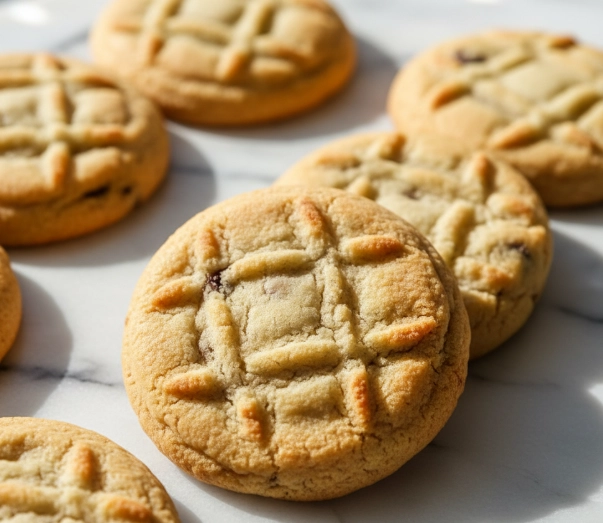
The 3 Most Common Mistakes (And How to Avoid Them)
I see these over and over in online forums and from clients.
1. Overmixing the Batter
Gluten-free batters are often more delicate. Once you add the dry ingredients, mix by hand with a spatula until the flour is just incorporated. Overmixing develops the starches, leading to a gummy, dense texture. It’s better to have a few small flour streaks than to overmix.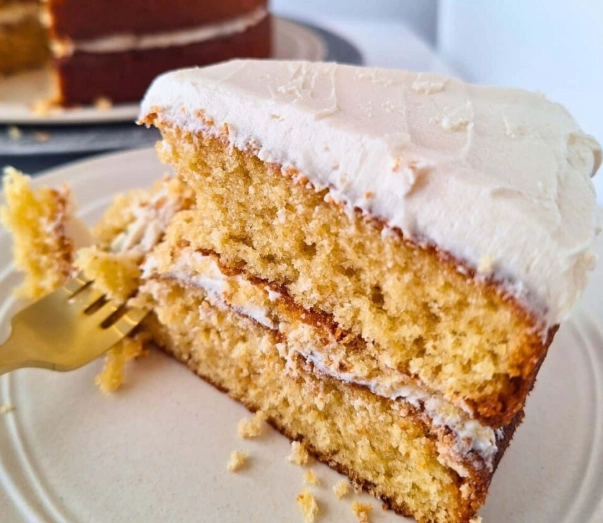
2. Not Measuring Flour Correctly
Scooping flour directly from the bag packs it down. For accuracy, especially with gluten-free flours that vary in density, use a kitchen scale. If you must use cups, fluff the flour in the bag, spoon it lightly into the cup, and level it off with a knife.
3. Baking at the Wrong Temperature
Many allergy-friendly baked goods benefit from a slightly lower temperature and longer bake time. This allows the center to set without over-browning the edges, which can happen faster due to different sugar and fat compositions. If a recipe says 375°F for 10 minutes, try 350°F for 12-14 minutes and watch it closely.
Advanced Tips for Texture & Flavor
Once you've mastered the basics, these tweaks elevate your baking.
Boost Flavor: Dairy-free baking can taste flat. Add a pinch of extra salt (flaky sea salt on top of cookies), use vanilla bean paste instead of extract, or add a teaspoon of instant espresso powder to chocolate recipes—it deepens the chocolate flavor without tasting like coffee.
Improve Crumb: For lighter cakes, substitute 1/4 of your liquid with seltzer water or club soda. The carbonation creates tiny air bubbles. Let batters rest for 30 minutes before baking to fully hydrate the flours.
Cross-Contact is Real: Your ingredients are safe, but is your kitchen? Use separate utensils, thoroughly clean surfaces, and consider dedicated colanders and toasters for gluten-free items. The Food Allergy Research & Education (FARE) website has excellent resources on preventing cross-contact.
Your Allergy Baking Questions, Answered
Baking with allergies isn't a limitation; it's a new culinary path. It forces you to understand the science of baking, which makes you a better baker overall. Start with the banana bread. Get that win under your belt. Then experiment. You’ll develop your own favorite blends and tricks. And your kitchen will smell like success, not burned cookies.
Leave a Comment