Let's cut to the chase. When the turkey is cleared, the real star of Thanksgiving often emerges from the oven. I'm talking about traditional Thanksgiving pies. For over a decade of hosting and, let's be honest, sometimes ruining holiday dinners, I've learned they're not just sweets; they're edible history, a comfort food ritual, and the source of most post-meal debates. Are you team pumpkin or team pecan? Does your apple pie need a crumble top or a lattice? This guide digs into the three pillars of the Thanksgiving pie spread, gives you battle-tested recipes, and spills the secrets most recipe blogs gloss over.
Your Pie Journey Starts Here
The "Big Three" Thanksgiving Pies Explained
You'll see all sorts of desserts on the table, but three have earned their permanent place. Their history is more practical than poetic.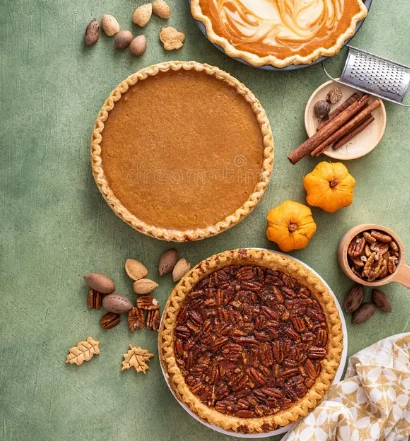
Pumpkin Pie is the undisputed icon. Colonists didn't have much. They had pumpkins (a native squash) and spices from trade. Mashing them together in a crust was a survival tactic that turned delicious. The Pilgrims probably didn't have a flaky crust, but the concept is that old. Today, it's a flavor that defines the holiday.
Pecan Pie feels Southern, and it is. But its rise is tied to the commercialization of Karo syrup in the 1930s. Their marketing campaigns essentially created the modern, gooey-sweet version we know. Before that, it was a simpler, less stable nut tart. The point? Its tradition is more 20th-century marketing genius, but its place is now unquestioned.
Apple Pie is the all-American wildcard. Apples store well into fall. A pie stretches a few apples to feed a crowd. It's less about specific Thanksgiving origins and more about seasonal abundance and practicality. It's the comforting, familiar choice for anyone overwhelmed by pumpkin's spice or pecan's sweetness.
| Pie | Core Flavor Profile | Key Ingredient Pitfall | Best Served |
|---|---|---|---|
| Pumpkin | Spiced, creamy, earthy | Using pumpkin pie *mix* instead of puree + spices | Chilled, with whipped cream |
| Pecan | Rich, caramelized, nutty | Overbaking until the filling is rock-hard | Room temp or slightly warm |
| Apple | Tart, cinnamony, textured | Using only one type of apple (e.g., all Granny Smith) | Warm, with vanilla ice cream |
Crust Mastery: The Foundation Everyone Gets Wrong
Most homemade pie disasters start at the bottom. A soggy, tough, or bland crust can sink the whole ship. Here's the non-negotiable truth I learned from a grumpy baker mentor: It's about temperature, not just recipe.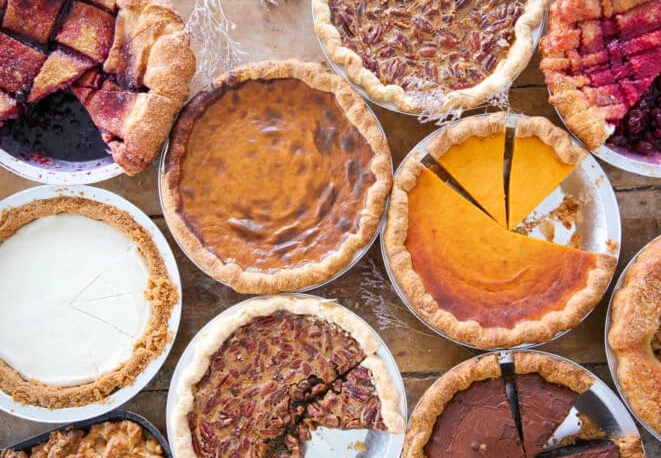
The Cold Truth: Your butter, your water, even your flour should be cold. I cube my butter and freeze it for 20 minutes before starting. Warm butter melts into the flour, creating a greasy, tough paste instead of discrete flakes that steam and puff.
The biggest subtle error? Overworking the dough after adding water. You're not kneading bread. You're just bringing it together. It will look shaggy and uneven. That's good. Press it into a disk, wrap it, and chill for at least an hour, preferably overnight. This relaxes the gluten and re-chills the fat.
Blind baking (pre-baking the crust for wet fillings like pumpkin) is non-optional. Line your chilled crust with parchment, fill with pie weights or dried beans, and bake at 375°F for 15-20 minutes. Remove the weights and bake 5 more minutes until it looks dry. This creates a barrier against sogginess.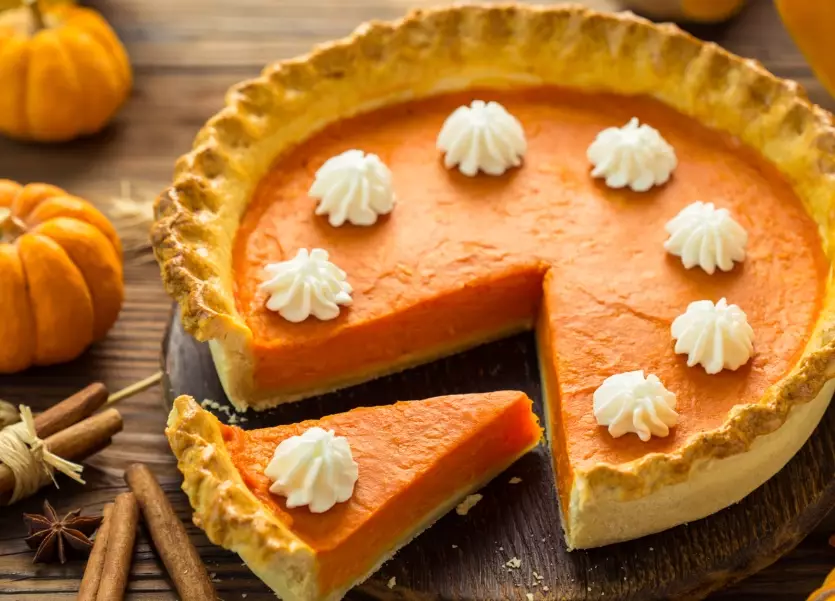
Pumpkin Pie Perfection: A Foolproof Recipe
My Go-To Pumpkin Pie Recipe
This recipe ditches the vague "pumpkin pie spice" for individual control. You'll need one blind-baked 9-inch crust.
Ingredients:
- 1 (15 oz) can pure pumpkin puree (not pie mix)
- 3/4 cup packed dark brown sugar
- 1 tbsp all-purpose flour
- 1 tsp ground cinnamon
- 1/2 tsp ground ginger
- 1/4 tsp ground nutmeg (freshly grated is a game-changer)
- 1/4 tsp ground cloves
- 1/2 tsp fine sea salt
- 3 large eggs, room temp
- 1 1/4 cups heavy cream or full-fat coconut milk
- 1 tsp pure vanilla extract
Method: Whisk pumpkin, sugar, flour, spices, and salt in a big bowl. Whisk in eggs until smooth, then gradually whisk in cream and vanilla. Pour into warm blind-baked crust (this helps prevent a soggy layer). Bake at 350°F for 45-55 minutes. The center should still have a slight jiggle—it sets as it cools. Cool completely on a rack, then chill for 4 hours.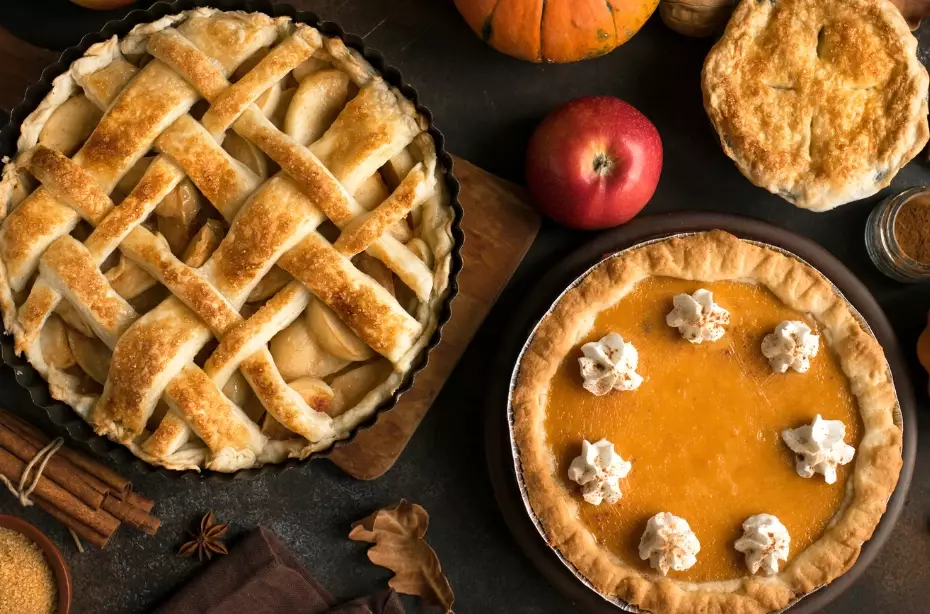
The trick nobody talks about? Baking it in a warm crust. Pouring cold filling into a hot, just-blind-baked crust starts the bottom cooking immediately, sealing it further. Also, pulling it while the center is slightly wobbly prevents the dreaded top cracks from over-baking.
Pecan Pie Deep Dive: Beyond the Corn Syrup
Many pecan pie recipes are just corn syrup, sugar, and eggs. It works, but it's one-note sweet. For a more complex, adult flavor, replace half the corn syrup with pure maple syrup or dark brown sugar syrup. Add a tablespoon of bourbon or a teaspoon of instant espresso powder dissolved in the vanilla. It cuts the cloying sweetness without being identifiable.
Watch the Bake: The most common pecan pie failure is a rock-hard, overcooked filling. The pie is done when the edges are set and puffed, but the center still moves like thick jelly when you gently shake the pan. It will continue to set out of the oven. Over-baking is irreversible.
Toasting your pecans beforehand is non-negotiable. Spread them on a sheet pan and toast at 350°F for 8-10 minutes until fragrant. It unlocks their oils and flavor. Let them cool before adding to the filling.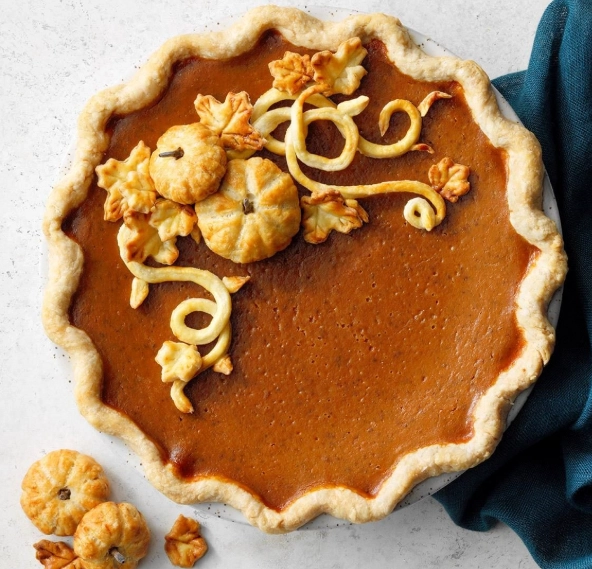
Classic Apple Pie: Choosing Your Fighter
The apple debate is endless. My take after years of testing: use a mix. A 2:1 ratio of firm-tart to sweet-soft apples creates perfect texture and balance.
Firm/Tart (Hold shape): Granny Smith, Pink Lady, Braeburn.
Sweet/Soft (Create sauce): Honeycrisp, Fuji, Jonagold.
Peel, core, and slice them about 1/4-inch thick. Toss with 3/4 cup sugar, 1/4 cup flour, 1 tsp cinnamon, a pinch of nutmeg, and a big pinch of salt. Let it sit for 15 minutes—you'll see juice pool. That's good. Use a slotted spoon to transfer the apples to your bottom crust, leaving most of the liquid behind. This prevents a soupy bottom. Dot with 2 tbsp of cold butter cubes.
Top with a full crust, lattice, or crumble. Brush with an egg wash (1 egg + 1 tbsp water) for shine. Bake at 400°F for 20 minutes, then reduce to 375°F for another 40-50 minutes, until the filling is bubbling through the vents and the crust is golden.
Thanksgiving Baking Logistics: A Game Plan
Baking three pies on Thanksgiving morning is a recipe for stress. Here's a sane schedule from a former Thanksgiving panicker.
3 Days Before: Make all your pie doughs. Shape into disks, wrap tightly, and refrigerate. They improve with age.
2 Days Before: Bake your pecan and apple pies. Yes, really. Let them cool completely, then wrap tightly and store at room temperature. They reheat beautifully. The pecan pie's texture actually improves. Also, toast your pecans and measure all your dry spices.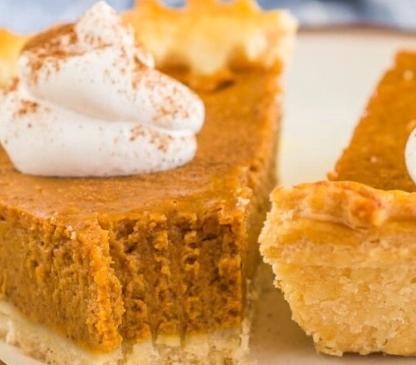
1 Day Before: Blind bake your pumpkin pie crust. Let it cool, then wrap it. Make your pumpkin filling, cover, and refrigerate it separately. Prep your apples (slice, toss with lemon juice, store in a bag in the fridge).
Thanksgiving Morning: Assemble and bake the pumpkin pie. It needs time to chill. Reheat the apple and pecan pies in a 300°F oven for 20-25 minutes before serving.
This plan turns a chaotic morning into a calm assembly line.
Your Top Pie Problems, Solved
Cracking is almost always from over-baking. The proteins in the eggs tighten too much and squeeze out moisture. To prevent it, bake until the edges are set but the center still has a slight wobble—like set Jell-O. It will firm up as it cools. If you get a crack, don't panic. A generous dollop of whipped cream covers it perfectly. For a deeper fix, make a thin glaze of warm apricot jam and brush it over the cooled pie surface to "seal" minor cracks.
Absolutely, and it often tastes better. Corn syrup is used for its neutral sweetness and reliable setting power. Replace it with a combination of pure maple syrup and honey, or make a butter-brown sugar caramel. The key is to cook your alternative sweetener mixture to about 220°F before adding the eggs to ensure it thickens properly. Expect a darker, more robust flavor and a slightly less gooey, more fudge-like texture. It's a worthy upgrade.
You're likely adding apples that are too wet. After slicing and sugaring your apples, let them drain in a colander for 10-15 minutes. Use a slotted spoon to transfer them to the crust, leaving the sugary liquid behind. You can reduce that liquid in a saucepan to a syrup and drizzle it back on top of the apples before adding the top crust. Also, ensure your bottom crust is well-chilled before filling, and bake the pie on a preheated baking sheet placed on the lowest oven rack. The direct bottom heat helps crisp the crust.
Further than you think. Unbaked dough disks last 3 days in the fridge, 3 months frozen. A fully baked pecan or apple pie is best within 2 days at room temp (covered). For longer, freeze the baked pie after it cools completely. Thaw overnight and reheat. Pumpkin pie is the most delicate. It's best baked the day before, refrigerated, and served cold. Its texture can become watery if frozen and thawed.
Using pre-ground spices that have been in the cupboard for years. Ground spices lose their potency and vibrant flavor after about 6 months. That bottle of cinnamon from two Thanksgivings ago is making your pie taste dusty, not warm. For a noticeable upgrade, buy small quantities of fresh spices each fall, or grind your own from whole cinnamon sticks, nutmeg, and allspice berries. The difference in aroma and flavor is staggering and is the single easiest way to elevate your pies from good to exceptional.

Leave a Comment