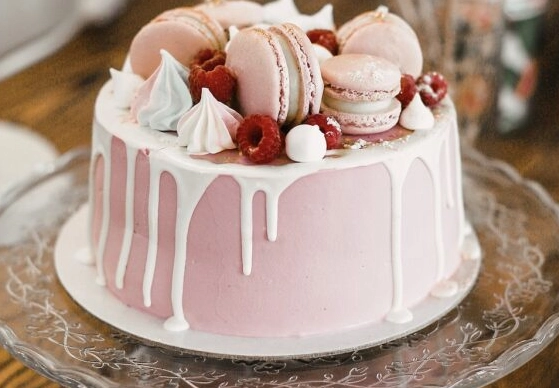
I once spent an afternoon making what was supposed to be a light, fluffy vanilla cake. I followed a beautiful British recipe to the letter, meticulously measuring my cups of flour and sugar. The result? A dense, sad brick that even the dog eyed suspiciously. The culprit wasn't my technique or the oven. It was my American measuring cups trying to interpret a recipe written for a kitchen scale. That was the day I stopped guessing and built a reliable baking measurements conversion table that actually works.
If you've ever found yourself squinting at a recipe, wondering if you should scoop or spoon your flour, or frantically googling "how many grams in a cup of butter," you're in the right place. This isn't just another list of numbers. It's the guide I wish I had, packed with the context, the why behind the conversions, and the sneaky pitfalls that most charts gloss over.
What's Inside This Guide
Why "Close Enough" Isn't Good Enough in Baking
Cooking is an art. You can toss in a handful of this, a glug of that, and usually end up with something delicious. Baking is a science. It's a precise chemical reaction between ingredients. The ratio of flour to liquid to leavening determines everything—texture, rise, crumb, and taste.
Volume measuring (cups and spoons) is inherently inaccurate. Think about flour. If you scoop directly from the bag, you pack in more than if you spoon it lightly into the cup. That difference can be 20-30 grams per cup. For a cake that uses 2 cups of flour, you could be off by nearly a quarter cup's worth, leading to dryness or heaviness.
The Expert's View: Professional bakers and reputable recipe developers (like those from King Arthur Baking or the BBC Good Food team) almost exclusively use weight measurements (grams). It's the single biggest upgrade you can make for consistent results. A kitchen scale is a $20 tool that will save you hundreds in failed bakes.
Using a baking conversion chart bridges the gap between the volume-based recipes common in North America and the weight-based recipes from Europe, Australia, and professional sources. It's not about memorizing numbers; it's about understanding the density of what you're measuring.
The Core Baking Conversion Table (Cups, Grams, Ounces)
Here's the workhorse table. These figures are based on standard "spoon and level" method for dry ingredients, unless otherwise noted. I've cross-referenced these with data from the USDA FoodData Central database and my own years of testing to find the most reliable averages.
| Ingredient | 1 Cup (US) | Grams (g) | Ounces (oz) | Notes & Density Quirk |
|---|---|---|---|---|
| All-Purpose Flour | 1 cup | 120-125 g | 4.2-4.4 oz | Spoon & level is crucial. Scooped flour can weigh 140g+. |
| Bread Flour | 1 cup | 127-130 g | 4.5-4.6 oz | Slightly denser than AP flour due to higher protein. |
| Cake Flour | 1 cup | 115 g | 4.0 oz | Lighter and finer. Don't substitute 1:1 with AP flour by volume. |
| Granulated White Sugar | 1 cup | 200 g | 7.1 oz | Very consistent. Can be scooped. |
| Brown Sugar (packed) | 1 cup | 213-220 g | 7.5-7.8 oz | Must be packed firmly into the cup for accurate volume. |
| Powdered Sugar | 1 cup | 120-125 g | 4.2-4.4 oz | Sift after measuring, not before, for volume recipes. |
| Unsalted Butter | 1 cup / 2 sticks | 227 g | 8 oz | This one is easy! 1 stick = 1/2 cup = 113g = 4 oz. |
| Liquid (Milk, Water, Oil) | 1 cup | 240 ml / ~237 g | 8.1 oz | Use a liquid measuring cup for volume. Weight is approximate (oil is lighter). |
| Rolled Oats | 1 cup | 90 g | 3.2 oz | Much lighter than flour. A common source of over-measuring. |
| Cocoa Powder | 1 cup | 85 g | 3.0 oz | Like powdered sugar, spoon & level. It compacts easily. |
See the range for flour? That's the reality. For critical bakes like bread or delicate pastries, I always use 125g as my standard for one cup of all-purpose flour. It's a safe middle ground that hasn't failed me.
Pro Tips for Flawless Measuring Every Time
The table is useless if your measuring technique is off. Here's where most home bakers trip up.
How to Measure Dry Ingredients (The Right Way)
Forget the scoop. Here's the drill:
- Fluff your flour in its container with a fork or spoon.
- Spoon it lightly into your dry measuring cup until it's heaping.
- Level it off with the straight edge of a knife. Don't tap the cup.
That's "spoon and level." It feels fussy, but it's the only way to get close to the weights in the chart. Brown sugar is the exception—pack it in firmly.
The Sneaky Mistake: Using a liquid measuring cup for dry ingredients (or vice versa). The spout on a liquid cup means you can't properly level off flour. The straight sides of a dry cup make it impossible to see the meniscus for liquids. Use the right tool.
When to Stick to Volume, Even with a Scale
Yes, weight is king. But some small-quantity ingredients are perfectly fine by volume. Baking powder, baking soda, spices, salt, and vanilla extract—measuring these with teaspoons is accurate enough and often more convenient. For salt, I prefer volume for dispersing it evenly in dry mixes.
Beyond Volume & Weight: Oven Temps & Pan Sizes
A complete conversion guide has to address the other recipe roadblocks.
Oven Temperature Conversion
You find the perfect recipe, and it calls for 180°C. What's that in Fahrenheit? 350°F? 375°F? Here's the simple formula I use: (°C × 9/5) + 32 = °F. So 180°C becomes 356°F. Round to the nearest 5 or 10 degrees—so 355°F or 350°F is fine. Most ovens have a swing anyway.
Gas Marks are trickier. A rough guide: Mark 1 = 275°F (135°C), Mark 4 = 350°F (180°C), Mark 7 = 425°F (220°C). When in doubt, trust the Celsius or Fahrenheit equivalent over the gas mark.
Baking Pan Size Conversions
Your recipe is for a 9-inch round pan, but you only have an 8-inch square. Can you use it? Maybe. It's about volume, not shape.
- 9-inch round cake pan: Holds about 8 cups of batter.
- 8-inch square pan: Holds about 8 cups of batter. Perfect swap.
- 9x13 inch rectangular pan: Holds about 14-15 cups. Nearly double a 9-inch round.
The rule: if the pan volumes are within 10-15% of each other, you're usually safe, but expect a slight change in baking time (thicker layers take longer). A batter meant for a larger pan will bake too thin and dry in a smaller one.
Your Top Baking Conversion Questions, Answered
The goal isn't to become a human calculator. It's to build intuition. After a while, you'll know that a cup of flour should feel like a certain weight in your hand, and you'll spot a recipe that's asking for too much or too little sugar just by the ratios. Start with the core table, master the spoon-and-level, and invest in a simple scale. Your baking—and your confidence—will transform completely. No more brick cakes.
Leave a Comment