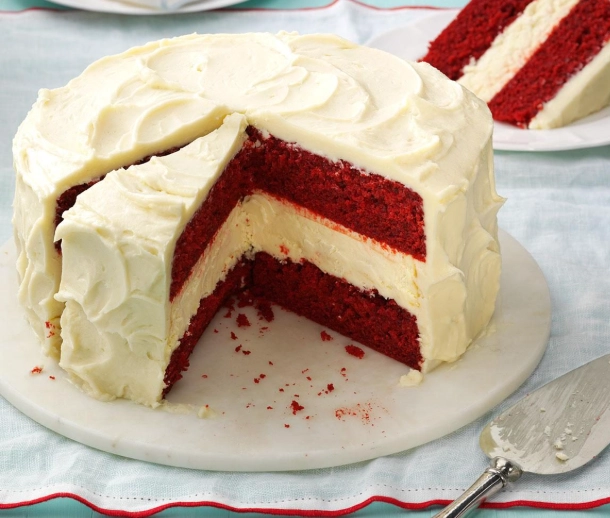
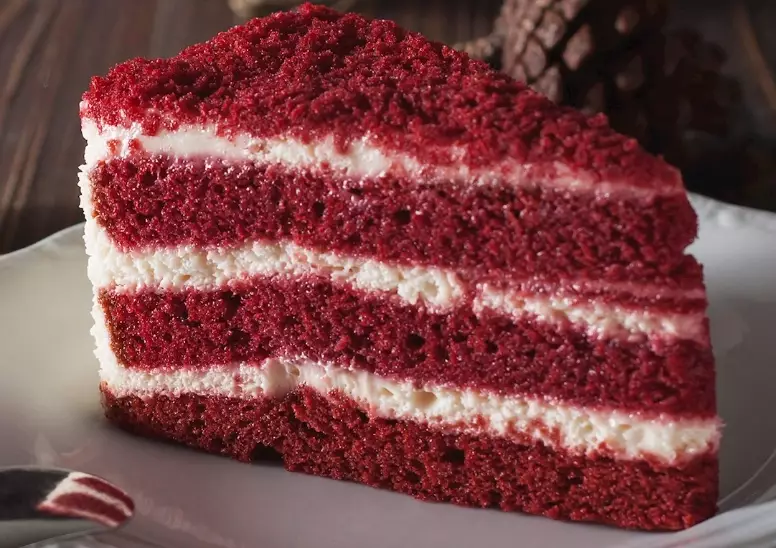
That slice of red velvet cake on your plate isn't just a pretty face. Its deep crimson color, impossibly tender crumb, and that unique, almost tangy flavor that's not quite chocolate—it all comes down to a very specific, almost scientific, combination of ingredients. Get one wrong, and you end up with something that might be a nice cake, but it won't be red velvet. Let's pull back the curtain on every essential component.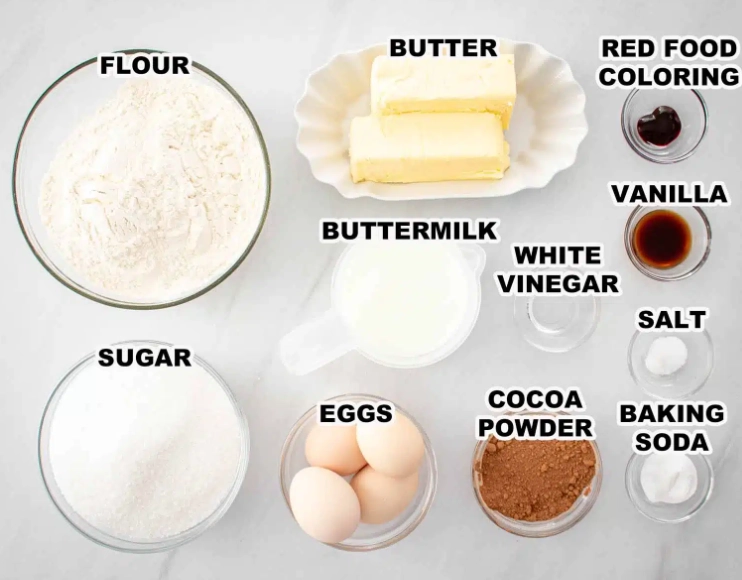
Your Quick Guide to Red Velvet Cake Ingredients
The Core Ingredients of Red Velvet Cake: A Breakdown
Think of this as the cast of characters. Each one has a specific role, and they all need to work together.
1. Flour & Cocoa Powder: The Foundation
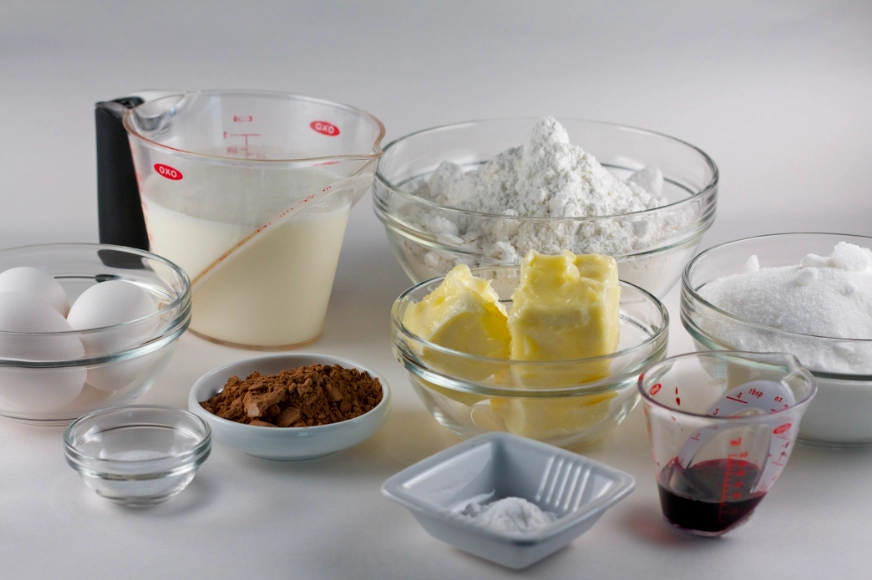
You start with all-purpose flour. Not cake flour, which is finer. All-purpose gives the cake a bit more structure to hold up to that luxurious frosting. Then there's the cocoa powder. Here's the first big myth to bust: red velvet is not a chocolate cake. You only use a small amount of natural, unsweetened cocoa powder (about 2-3 tablespoons for a standard layer cake). Its role is flavor, not color. In fact, the anthocyanins in the cocoa react with the acidic ingredients in the batter, helping to enhance the red tones. Using Dutch-processed cocoa, which is neutralized, can mess with this chemistry and leave your cake looking muddy.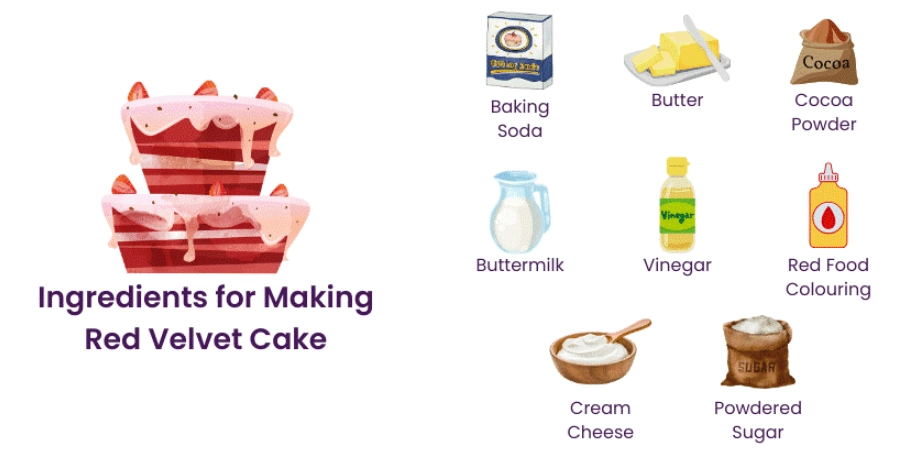
2. The Acid & The Color: The Chemical Reaction
This is where the magic happens. You have white vinegar (usually a tablespoon) and often a bit of baking soda. When combined with the wet ingredients, they create a furious bubble reaction that gives the cake lift. But more importantly, this acidic environment brightens the color of the cocoa and helps the red food coloring pop.
Speaking of color: red food coloring. The classic, vibrant red comes from gel or liquid food coloring. I've tried the "natural" routes with beet juice. The color is more of a muted burgundy, and it can taste earthy. For that iconic look, gel food coloring is king—it's more concentrated, so you use less, and it doesn't water down your batter.
Pro Tip: If you're hesitant about artificial dyes, look for plant-based red colorants from sources like radish or carmine. They work better than beet for a truer red, though the shade can vary.
3. Buttermilk: The Secret Weapon for Tenderness & Tang
This is non-negotiable. Buttermilk is the heart of the red velvet flavor profile. Its acidity tenderizes the gluten in the flour, resulting in that famously soft, fine crumb. It also provides the distinctive tang that balances the sweetness. Real, cultured buttermilk is best. That "make your own" trick with milk and vinegar? It works in a pinch for the acid, but it lacks the cultured thickness and complex flavor of the real deal. The U.S. Department of Agriculture defines buttermilk as a cultured product, and that culture matters.
4. Fat: The Controversial Choice (Oil vs. Butter)
Here's where you'll see recipes diverge. Traditional Southern recipes often call for vegetable oil (like canola or corn oil). Modern ones might use butter. I'm firmly in the oil camp for red velvet. Why? Oil creates a moister, more tender crumb that stays that way for days. Butter solidifies when cool, which can lead to a slightly denser texture. For that melt-in-your-mouth quality, oil is the winner. We'll dive deeper into this science next.
5. Eggs, Sugar & Leavening: The Supporting Cast
Eggs bind everything and add richness. Granulated sugar sweetens and, importantly, helps retain moisture. Baking soda is the primary leavener, activated by the acid from the buttermilk and vinegar for a good rise.
6. The Frosting: Cream Cheese Frosting
It's not just an accessory; it's part of the definition. Tangy, rich cream cheese frosting made with full-fat block cream cheese, butter, powdered sugar, and vanilla is the only acceptable topping. Buttercream or whipped cream just feels wrong. The sharpness of the cheese cuts through the sweet, mild cake perfectly.
The Science Behind the Moisture: Why Oil Beats Butter
Let's settle the oil vs. butter debate. It comes down to chemistry. Butter is about 80% fat and 15% water. When you cream butter and sugar, you're trapping air bubbles, which is great for structure. But in a cake loaded with acidic liquids, the structure can sometimes be too tight.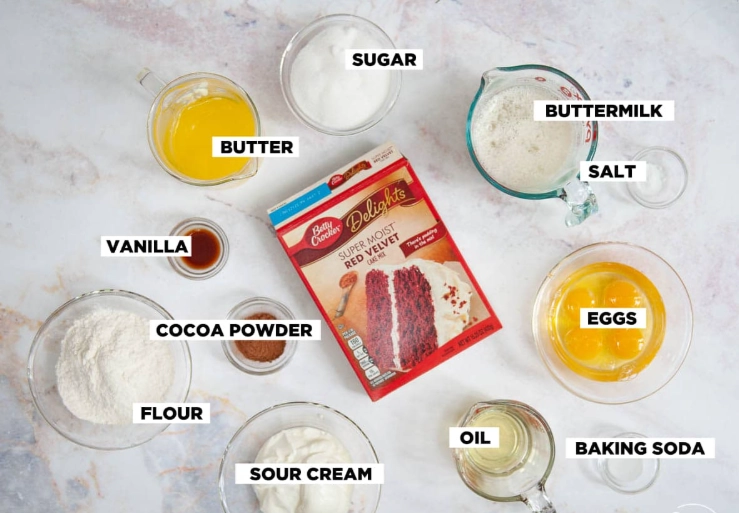
Oil is 100% fat. It coats the flour proteins more thoroughly than butter does, preventing them from forming long, tough gluten strands when mixed. This is called "shortening" in the baking sense. The result? A supremely tender, velvety crumb. Furthermore, oil remains liquid at room temperature, so the cake doesn't dry out or firm up as much as it cools.
I learned this the hard way. My first red velvet cake used butter because I thought it was "better." It was good, but it was a bit dry by day two. Switching to oil was a revelation—the cake stayed moist for nearly a week. If you want that classic, almost fudgy texture, use a neutral-flavored oil.
Common Red Velvet Baking Mistakes and How to Avoid Them
After teaching baking classes, I've seen the same errors pop up. Here’s how to sidestep them.
Overmixing the Batter
This is the #1 cause of a tough, dense red velvet cake. Once you add the dry ingredients to the wet, mix just until the flour disappears. A few small lumps are fine. Overmixing develops gluten, and you lose that velvet texture. Fold, don't beat.
Using the Wrong Red Coloring
Liquid food coloring can throw off your liquid-to-dry ratio if you need a lot. Gel or paste coloring is concentrated, so you need less. Also, add it to the wet ingredients (usually with the oil and buttermilk) to ensure it disperses evenly. No one wants a marbled pink-and-red cake.
| Type of Coloring | Best For | Potential Drawback |
|---|---|---|
| Gel Food Coloring | Vibrant, true red; doesn't thin batter | Can be artificial; needs thorough mixing |
| Natural Powder (Beet, etc.) | Clean-label baking | Muted color; can impart flavor |
| Liquid Food Coloring | Convenience | May require a lot, affecting batter texture |
Substituting Buttermilk Incorrectly
If you must sub, the milk+vinegar/lemon juice method works acid-wise. But for true flavor, thin plain yogurt or kefir with a little milk to a pourable consistency is a better stand-in than the simple acidulated milk.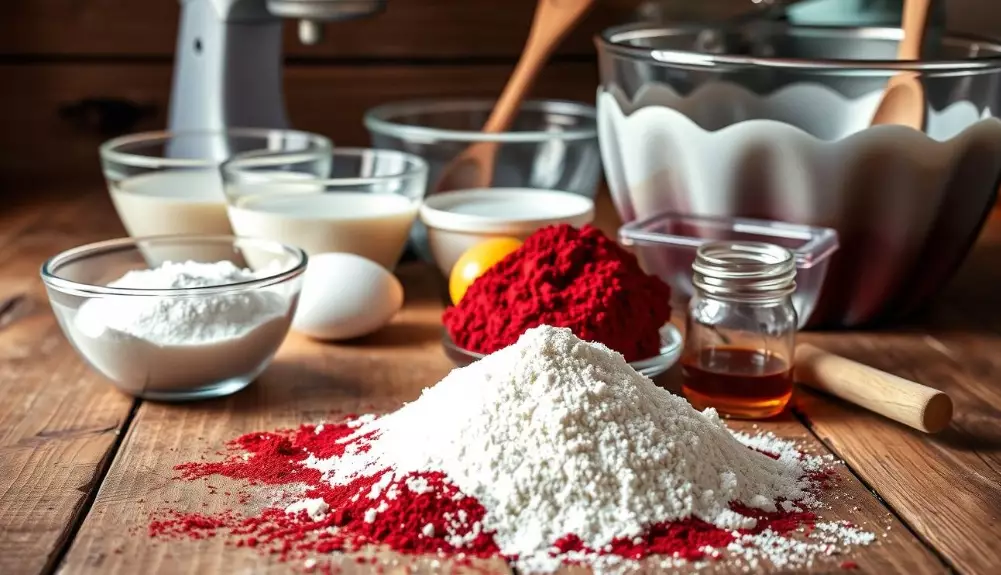
Overbaking
Because the batter is so red, it's hard to use the classic "golden brown" visual cue. Rely on a toothpick or skewer. It should come out with a few moist crumbs attached, not completely clean. The cake will continue to cook slightly as it cools in the pan.
Your Red Velvet Ingredient Questions Answered
 So there you have it. The magic of red velvet cake isn't magic at all—it's the careful, intentional choice of ingredients that react in just the right way. It's a cake built on balance: the tang of buttermilk against sweet sugar, the subtle cocoa against the bright acid, and the tender crumb from oil, all wrapped up in that iconic red hue. Now you know not just what goes in, but why each component is essential. Go bake one with confidence.


Leave a Comment