Let's be honest. Most New York cheesecake recipes promise the world—a dense, creamy, tangy slice of heaven—but deliver a cracked, grainy, or sunken disappointment. I've been there, staring into a lukewarm oven at a fissured top, feeling that particular brand of baking defeat. After a decade of tweaking, testing, and (yes) failing, I've landed on a formula that works every single time. This isn't just a list of ingredients; it's the why behind each step, the little tricks most recipes gloss over, and your ticket to a truly perfect New York cheesecake.
What You'll Find in This Guide
Why This Is The "Best" New York Cheesecake Recipe
"Best" is subjective, right? But in the world of New York cheesecake, it comes down to a few non-negotiable benchmarks: a texture that's dense yet impossibly smooth, not eggy or spongy; a flavor that balances rich cream cheese with a distinct tang; and a presentation that's crack-free with a perfectly set filling. This recipe is engineered for those results.
The main difference? Most recipes treat mixing as a single step. The big mistake is over-aerating the batter after the eggs go in. You're not making a soufflé. I'll show you how to mix for structure first, then for smooth incorporation, minimizing air bubbles—the primary cause of cracks and a porous texture.
The Non-Negotiable Ingredients Breakdown
You can't build a masterpiece with subpar materials. Here’s what you need and, more importantly, why.
For the Graham Cracker Crust:
Graham Cracker Crumbs: 2 cups (about 15 full sheets). Don't buy pre-crumbed stuff; it's often too fine and dusty. Pulse whole crackers in a food processor for a mix of fine and coarse bits—this gives the crust better texture.
Unsalted Butter: ½ cup (1 stick), melted. Salted butter can throw off the balance.
Granulated Sugar: 3 tablespoons. Just enough to sweeten and help caramelization.
A Pinch of Salt: Balances the sweetness.
For the Cheesecake Filling:
Full-Fat Cream Cheese: 32 oz (four 8-oz blocks), at room temperature for 3-4 hours. This is non-negotiable. Low-fat or spreadable tubs have stabilizers and more water, leading to a weak structure and weird texture. Brands like Philadelphia or store-brand full-fat blocks work great.
Granulated Sugar: 1 ¼ cups. Some swear by superfine, but regular works fine if you mix properly.
Full-Fat Sour Cream: 1 cup, at room temperature. This is the secret weapon for tang and velvety richness. According to the American Dairy Association, the fat in sour cream contributes to a more tender crumb and richer mouthfeel.
Heavy Cream or Whipping Cream: ¼ cup, also room temp. Adds moisture and fat for silkiness.
Pure Vanilla Extract: 2 teaspoons. Imitation vanilla can taste artificial against the cream cheese.
Fresh Lemon Juice: 1 tablespoon. Brightens all the rich flavors.
Large Eggs: 4, at room temperature. Cold eggs can re-solidify the cream cheese, causing lumps.
All-Purpose Flour or Cornstarch: 3 tablespoons. A slight thickener that helps prevent cracks by stabilizing the eggs. Purists might scoff, but it's insurance.
Room Temperature is Not a Suggestion: If your cream cheese is even slightly cool, it will never blend smoothly. You'll end up with tiny lumps that bake into your cake. Plan ahead. Take everything out 3-4 hours before you start.
The Foolproof Step-by-Step Process
1. Preparing the Crust and Pan
Preheat your oven to 350°F (175°C). Wrap the outside bottom and sides of a 9-inch springform pan tightly with 2-3 layers of heavy-duty aluminum foil. This is your water bath armor. Don't skip it.
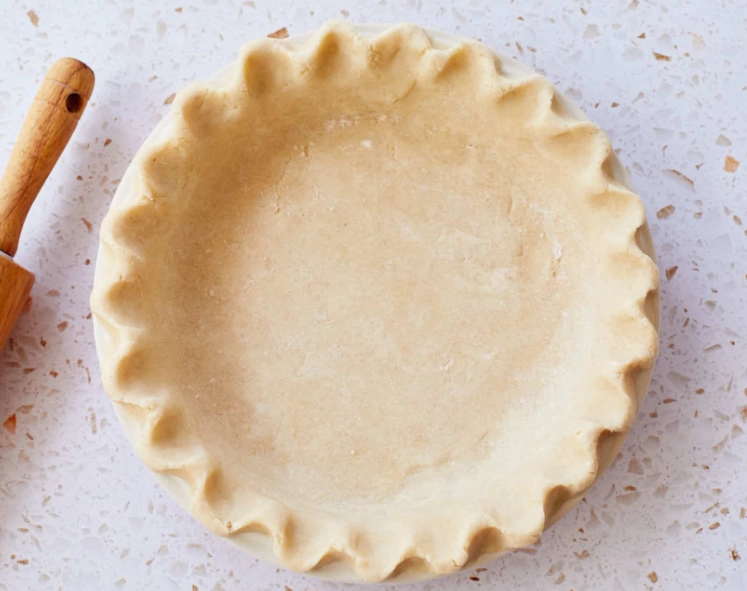
Mix the crust ingredients until it resembles wet sand. Press firmly into the bottom and about 1 inch up the sides of the pan. Use a flat-bottomed cup to compact it. Bake for 10 minutes, then let it cool on a rack while you make the filling. Reduce oven temp to 325°F (160°C).
2. Mixing the Filling (The Critical Phase)
In the bowl of a stand mixer fitted with the paddle attachment (a hand mixer works, but go slow), beat the softened cream cheese on medium-low speed for about 1 minute until it's smooth and pliable. Scrape down the bowl and beater.
With the mixer on low, gradually add the sugar. Mix just until combined, then scrape again. Add the sour cream, heavy cream, vanilla, lemon juice, and flour/cornstarch. Mix on low until homogenous, scraping often.
Here's the crucial part: Add the eggs one at a time, mixing on low speed after each addition until just barely blended. Stop the mixer as soon as you no longer see streaks of egg yolk. Over-beating the eggs incorporates too much air, which expands and contracts during baking, causing cracks. The final batter should be thick, smooth, and glossy, not frothy.
Pour the filling over the cooled crust. Tap the pan firmly on the counter 5-6 times to release any large air bubbles. Use a toothpick to pop any visible bubbles on the surface.
Baking & Cooling: The Make-or-Break Phase
Place the foil-wrapped springform pan into a large roasting pan. Bring a kettle of water to a boil. Pour the hot water into the roasting pan until it comes about halfway up the sides of the springform pan. This water bath creates a humid environment for gentle, even baking—the ultimate crack prevention.
Bake at 325°F for about 1 hour and 30-40 minutes. The edge should be set, but the center (about a 4-inch diameter) should still have a pronounced, gentle jiggle—like Jell-O—when you nudge the pan. It will not look "done." This is correct. If the center is firm, it's overbaked and will be dry.
Turn off the oven. Crack the oven door open with a wooden spoon and let the cheesecake cool inside for 1 hour. This gradual temperature drop is the second key to preventing cracks.
Remove from the oven and water bath, run a thin knife around the edge to release it from the pan (this prevents it from pulling and cracking as it contracts), and let it cool completely on a rack for another 2-3 hours. Then, refrigerate uncovered for at least 8 hours, preferably overnight. This final set is where the texture becomes perfect—firm enough to slice cleanly, but creamy and lush on the tongue.
Your Top Cheesecake Questions, Answered
Why did my cheesecake crack in the middle?
Cracks almost always come from sudden temperature changes or over-baking. Over-beating the eggs (adding too much air) and skipping the water bath are the main culprits. The gradual cooling in the oven and the slow chill in the fridge are not just suggestions—they're structural requirements. If you get a small crack, don't sweat it. A topping of sour cream or fruit compote will hide it beautifully.
Can I make this cheesecake without a springform pan?
It's very tricky. A regular cake pan won't allow you to remove the cheesecake cleanly. In a pinch, you can use a 9-inch high-sided cake pan lined with parchment paper slings, but getting a clean slice out is a challenge. The springform is worth the investment for cheesecake.
My cheesecake filling turned out grainy or lumpy. What happened?
This is almost exclusively due to ingredients not being at true room temperature, especially the cream cheese. Cold cream cheese will never fully blend with the other ingredients, leaving tiny solid bits that bake into grains. Also, not scraping the bowl and paddle thoroughly during mixing can leave unmixed pockets.
How long does homemade New York cheesecake last?
Properly covered in the refrigerator, it's at its peak for 4-5 days. The flavor actually improves after a day or two. You can also freeze it tightly wrapped for up to 2 months. Thaw overnight in the fridge before serving.
Can I use a different crust, like Oreo or shortbread?
Absolutely. For an Oreo crust, use 2 cups of Oreo crumbs (filling included) with 4-5 tablespoons of melted butter. For shortbread, use 2 cups of fine shortbread crumbs with ½ cup melted butter. The baking time for the crust alone remains the same (10 mins at 350°F).

Leave a Comment