That deep red crumb, the impossibly tender bite, the tangy cream cheese frosting—it’s unmistakable. A real, original red velvet cake recipe isn’t just a chocolate cake dyed red. It’s a specific chemical dance of ingredients that creates a unique flavor and texture you can’t get any other way. After baking this cake professionally and at home for years, I’ve seen every mistake. This guide isn’t just a list of steps. It’s the *why* behind each one, so you can bake a classic red velvet cake from scratch that’s better than any bakery’s.
Your Quick Guide to Red Velvet Success
Why Every Ingredient in Red Velvet Matters
Get this part wrong, and you’ll end up with a brown, bland, or dry cake. Here’s what you need and why it’s non-negotiable.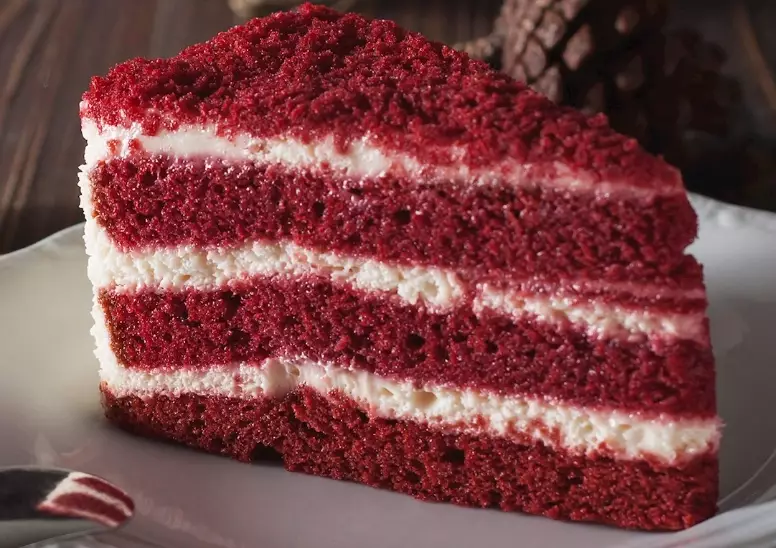
| Ingredient | Role in the Cake | Pro Tip / Pitfall |
|---|---|---|
| All-purpose flour | Provides the cake's structure. | Measure by spooning into the cup and leveling off. Packing it leads to a dense cake. |
| Granulated sugar | Sweetens, tenderizes, and promotes browning. | Using only brown sugar will make the cake too moist and dampen the red color. |
| Dutch-processed cocoa powder | Provides a mild, chocolatey background note. | This is critical. Natural cocoa is acidic and will react with the vinegar/buttermilk, turning your cake brownish-red. Dutch-processed is neutral. |
| Baking soda & salt | Baking soda is the primary leavener; salt balances sweetness. | The baking soda reacts with the acidic buttermilk and vinegar. Don't substitute baking powder. |
| Buttermilk | The key to tenderness, moisture, and tang. Its acidity activates the baking soda. | Full-fat, cultured buttermilk is best. The low-fat stuff works but gives a less rich crumb. |
| Vegetable oil | Creates an incredibly moist crumb that stays soft for days. | Don't use butter here. Oil's 100% fat content guarantees moisture where butter (which is ~20% water) can't. |
| Eggs & vanilla extract | Eggs bind and add richness; vanilla enhances flavor. | Use room temperature eggs for better emulsion with the oil. |
| Red food coloring | Gives the iconic color. | Gel or paste coloring is mandatory. Liquid dye will water down your batter and give a faint, pinkish hue. |
| White vinegar | Boosts acidity for maximum chemical reaction with baking soda and cocoa. | You won't taste it. It ensures a lofty rise and fine crumb. |
See the pattern? Acidity and specific fat sources. This isn't a throw-it-together cake. The original red velvet cake recipe is a balanced formula.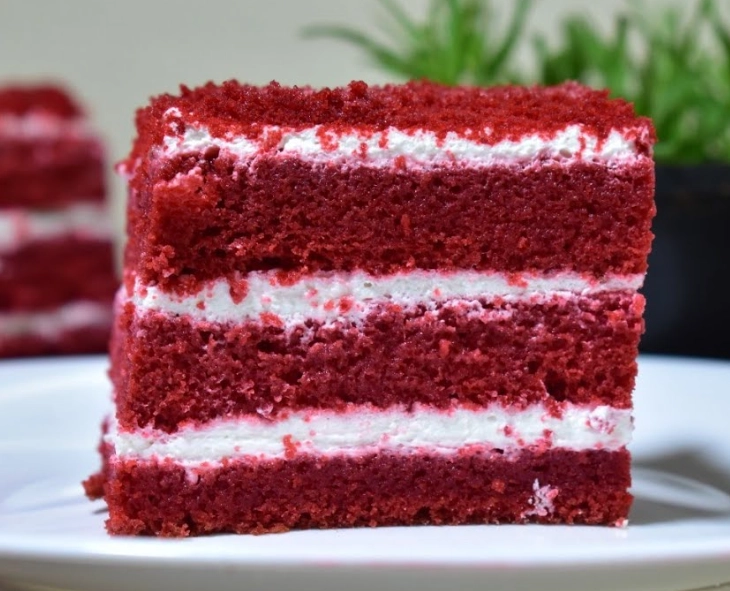
The Step-by-Step Process: Mixing & Baking
This method uses the common "reverse creaming" technique for a fine, even crumb. It’s foolproof.
1. Prep Your Pans and Oven
Preheat your oven to 350°F (175°C). Grease two 9-inch round cake pans with butter or shortening, then line the bottoms with parchment paper rounds. Dust the sides with a little flour or cocoa powder. This guarantees clean release every single time. Don't just spray and hope.
2. Combine the Dry Ingredients
In the bowl of a stand mixer fitted with the paddle attachment, whisk together the flour, sugar, cocoa powder, baking soda, and salt. Whisk for a good 30 seconds to aerate and combine thoroughly. This is your dry base.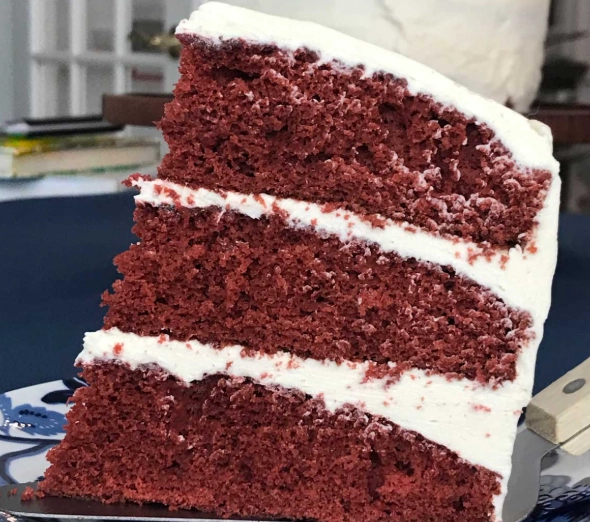
3. Mix the Wet Ingredients
In a separate large jug or bowl, whisk the buttermilk, vegetable oil, eggs, vanilla extract, red food coloring, and white vinegar. Whisk until the eggs are fully incorporated and the color is uniform. It will look shockingly red—that’s good.
4. Combine Wet and Dry
With the mixer on low speed, slowly pour the wet ingredients into the dry ingredients. Mix just until the last streak of flour disappears. Stop the mixer and scrape down the sides and bottom of the bowl with a spatula. Give it one more brief fold by hand to ensure no hidden dry pockets.
The batter will be thin. That’s normal. Don’t panic and add flour.
5. Bake to Perfection
Divide the batter evenly between your prepared pans. Bake for 25-30 minutes. The test? The edges will pull away from the pan slightly, and a toothpick inserted into the center should come out with a few moist crumbs attached, not wet batter.
Over-baking is the enemy of moisture. Start checking at 25 minutes.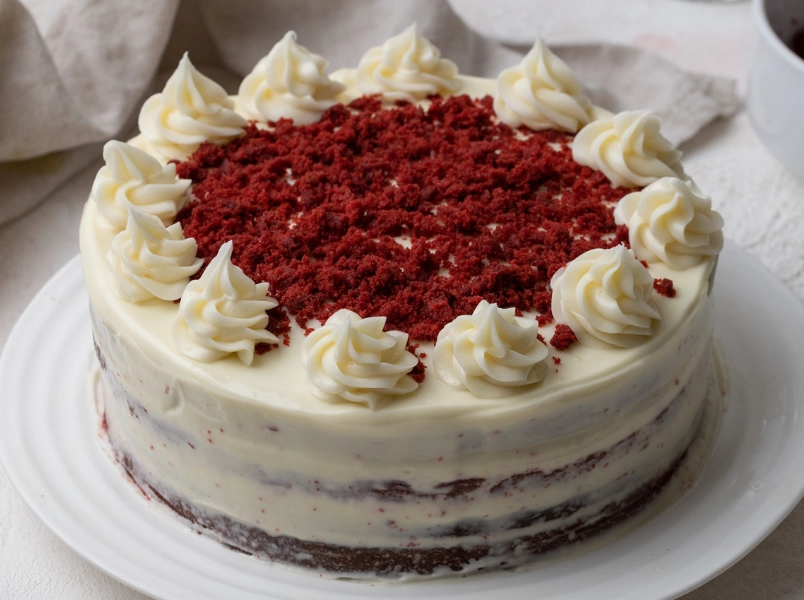
Perfect Cream Cheese Frosting & Assembly
The crowning glory. This frosting should be tangy, not overly sweet, and stiff enough to hold its shape.
You'll need: 16 oz (450g) full-fat cold cream cheese, 1 cup (2 sticks/225g) unsalted butter (cold), 1 tablespoon pure vanilla extract, ¼ teaspoon fine salt, and 4-5 cups (480-600g) sifted powdered sugar.
Beat the cold cream cheese and cold butter together on medium speed until just smooth and combined—about 1 minute. Don’t over-beat; warmth is the enemy. Beat in the vanilla and salt. With the mixer on low, gradually add the sifted powdered sugar until incorporated. Then beat on medium-high for 1-2 minutes until fluffy. If it seems soft, chill it for 20 minutes.
To assemble, place one cake layer on a plate. Spread a generous cup of frosting evenly over the top. Place the second layer on top. Apply a thin "crumb coat" of frosting over the entire cake and chill for 15 minutes. This traps crumbs. Then, pile on the remaining frosting and smooth or swirl as you like.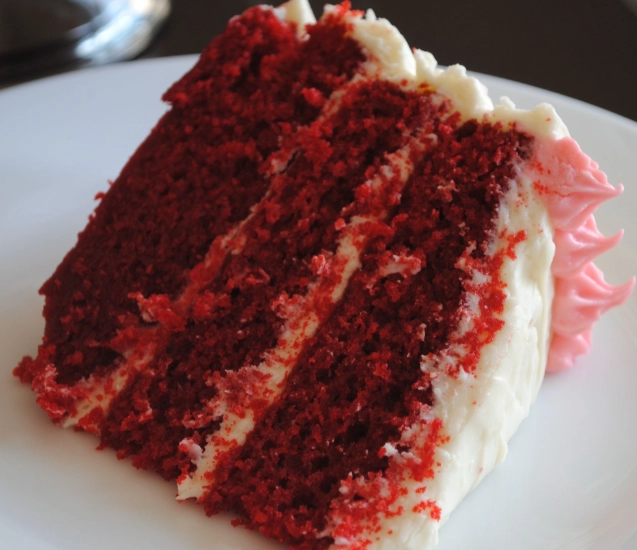
Expert Baking Tips & Common Fixes
Here’s where experience talks. Let’s troubleshoot before you even start.
My cake is dense/gummy. You likely over-mixed the batter after adding the wet ingredients. Gluten developed. Mix just to combine. Also, check your baking soda isn't expired.
The color is pink, not red. You used liquid food coloring or not enough gel. For a true classic red, you need 1-2 tablespoons of gel color. It seems like a lot. It is.
Frosting is too runny. Your cream cheese or butter was too warm, or you over-beat it. The fix? Chill the whole bowl in the fridge for 30 minutes, then re-whip. Always use full-fat, brick-style cream cheese, not the spreadable kind in a tub.
Can I make cupcakes? Absolutely. Fill liners ⅔ full and bake at 350°F for 18-22 minutes. This recipe makes about 24.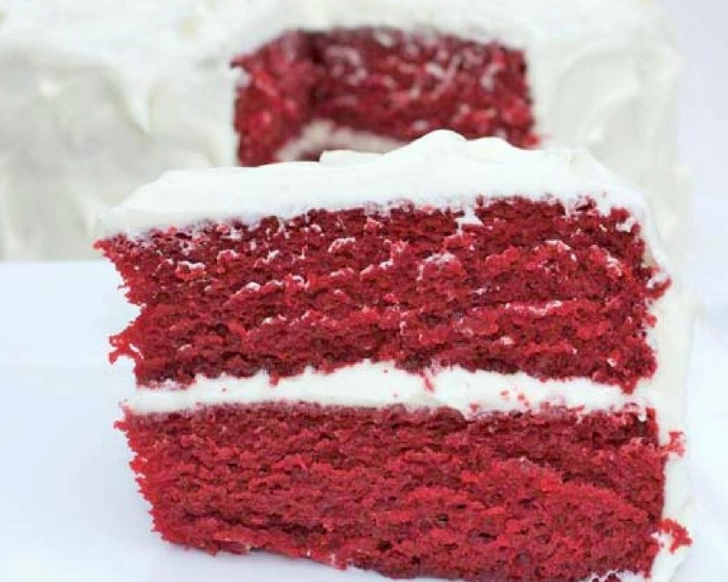
Your Red Velvet Questions, Answered
Can I use regular milk instead of buttermilk in red velvet cake?
You can make a substitute, but it's a compromise. The acidity of buttermilk is doing heavy lifting here—tenderizing the crumb and reacting with the baking soda. Adding 1 tablespoon of vinegar or lemon juice to 1 cup of whole milk is the standard hack. Let it sit for 5 minutes until it curdles slightly. It will work in a pinch, but the flavor depth and tender texture from real, cultured buttermilk is noticeably superior.
How do I store red velvet cake to keep it moist?
Because of the cream cheese frosting, the assembled cake must be refrigerated. Cover it well with a cake dome or inverted bowl (use toothpicks to keep it from touching the frosting). It will stay perfectly moist for up to 5 days. The oil in the cake prevents it from drying out in the fridge. Serve slices at room temperature for the best texture and flavor—take it out about an hour before serving.
Why is my red velvet cake not bright red?
Two main culprits. First, you used natural cocoa powder, which is acidic. It reacts with the other acids (buttermilk, vinegar) and the baking soda, causing the color to oxidize and turn brownish. Always use Dutch-processed cocoa. Second, you didn't use enough high-quality coloring. Liquid dyes are useless here. Invest in a good gel or paste like Americolor Super Red or Chefmaster Liqua-Gel.
What's the secret to a perfectly smooth cream cheese frosting?
Temperature control and restraint. Start with cold, full-fat brick cream cheese and cold butter. Beat them together just until smooth and combined—over-beating warms the fat and incorporates too much air, leading to a soft, almost foamy frosting that won't hold its shape. Sift your powdered sugar to avoid lumps. If the frosting seems too soft after mixing, just chill it for 20 minutes before using. It will firm up perfectly.
Baking this original red velvet cake recipe is a project, but it’s a rewarding one. When you slice into that vibrant red interior and get that perfect balance of tangy, sweet, and tender, you’ll know every precise step was worth it. It’s a cake that commands attention and, made correctly, never fails to impress.



Leave a Comment