Your Quick Guide to Gluten-Free Baking Success
- The Mindset Shift: It's a System, Not a Swap
- Building Your Flour Blend Foundation
- The Secret Weapon: Binders Explained
- Moisture Magic & The Resting Rule
- Fixing Common Gluten-Free Baking Pitfalls
You followed a recipe to the letter. You bought that expensive bag of gluten-free flour. The result? A brick-like loaf, a sandy cake, or cookies that spread into one giant, fragile mess. Sound familiar? I've been there, staring at a sink full of failed experiments. The question isn't just what is the trick to gluten-free baking, but where do most of us go wrong right out of the gate?
The biggest mistake is thinking gluten-free baking is a simple one-to-one substitution. It's not. It's a complete re-engineering of the baking process. Gluten is a miraculous protein that provides structure, elasticity, and moisture retention. When you remove it, you're not just removing an ingredient; you're demolishing the building's framework. The trick is knowing how to rebuild that framework with new materials.
The Mindset Shift: It's a System, Not a Swap
Throw out the idea that you can just replace wheat flour with a gluten-free blend and carry on. It sets you up for failure. Successful gluten-free baking relies on three pillars working together:
- The Flour Blend: Your structural base, made from a mix of grains, starches, and sometimes proteins.
- The Binder: The replacement for gluten's elastic, holding power (think xanthan gum, psyllium husk).
- Moisture Management: Gluten-free flours are thirstier and lack gluten's moisture-trapping ability, so you need more liquid and fat.
Ignore one pillar, and the whole thing collapses. I learned this the hard way after a decade of trial and error, moving from dense, gritty muffins to light, tender ones that my wheat-eating friends happily devour.
Building Your Flour Blend Foundation
Store-bought all-purpose gluten-free blends are convenient, but they're often a mystery mix. Knowing what's in your blend gives you control. Think of it like this: you need a balance of structure (from whole-grain flours like brown rice or sorghum), lightness (from starches like tapioca or potato starch), and flavor (avoiding overly bean-like tastes).
Pro Tip: Weigh your flours. Gluten-free flours have different densities. A cup of almond flour weighs vastly less than a cup of rice flour. Using a kitchen scale is the single biggest accuracy upgrade you can make.
Here’s a breakdown of common flour components and their roles:
| Flour/Starch | Primary Role | Flavor & Texture Note | Best Used In |
|---|---|---|---|
| Brown Rice Flour | Structure, fiber | Nutty, slightly gritty (needs fine grind) | Breads, muffins, pizza crust |
| White Rice Flour | Neutral structure | Very mild, fine texture | Cakes, cookies, general blending |
| Almond Flour | Moisture, fat, protein | Rich, nutty, dense | Macarons, tea cakes, crusts |
| Tapioca Starch/Flour | Chew, elasticity, browning | Very neutral, adds "pull" | Blends, bread, chewy cookies |
| Potato Starch (NOT flour) | Moisture, tenderness | Light, holds water well | Cakes, quick breads |
| Oat Flour (certified GF) | Structure, moisture | Sweet, soft crumb | Cookies, muffins, crumbles |
My Go-To All-Purpose Blend (The Workhorse)
After countless tests, this is the blend I keep in a large jar in my fridge. It works for about 80% of recipes—cakes, cookies, muffins, waffles. For 120 grams (about 1 cup):
- 40g White Rice Flour
- 40g Brown Rice Flour
- 20g Tapioca Starch
- 20g Potato Starch
- Plus 1/2 tsp xanthan gum for cakes, 1 tsp for bread.
The Secret Weapon: Binders Explained
This is the trick within the trick. Without a binder, your baked goods will crumble. Gluten acts like glue; binders are your replacement glue.
Xanthan Gum: The most common. It's a fermentation product, a powerful stabilizer. A little goes a very long way. Too much, and your bake turns gummy and slimy. The standard is 1/2 to 1 teaspoon per cup of gluten-free flour blend, less for cookies, more for bread.
Guar Gum: Similar to xanthan but derived from beans. It's better for cold foods (ice cream) but can give baked goods a bean-like flavor if overused.
Psyllium Husk Powder: My personal favorite for bread. It absorbs water and forms a gel that creates incredible, gluten-like elasticity and structure. It gives bread that "chew" and helps it rise without collapsing. Use about 1 tablespoon per cup of flour in bread recipes.
The "Flax Egg": A whole-food option. Mix 1 tablespoon ground flaxseed with 3 tablespoons warm water, let sit for 5 minutes. It gels up and binds. It works well in dense cakes, brownies, and some cookies, but it won't provide the stretch needed for good bread.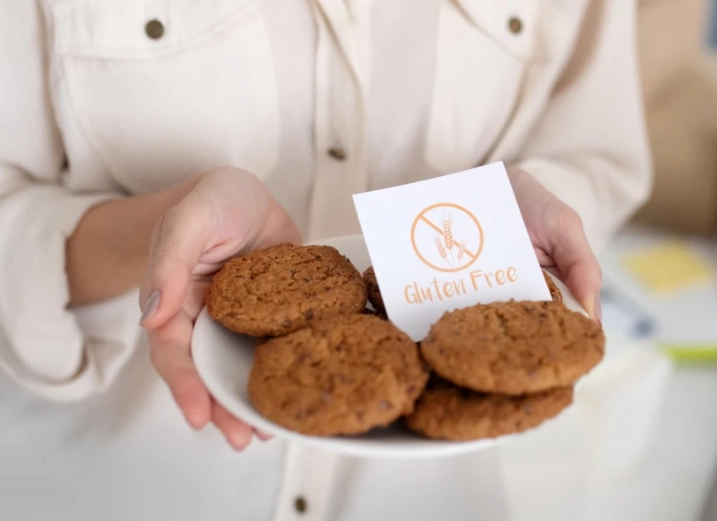
Moisture Magic & The Resting Rule
Gluten-free batters and doughs are almost always wetter than their wheat-based counterparts. Don't be alarmed. They need that extra hydration. If your batter looks like a thick cake batter instead of a bread dough, you're probably on the right track for a loaf.
Here’s the most overlooked step: let the batter or dough rest for 20-30 minutes after mixing. This isn't optional. This resting period allows the flours and starches to fully absorb the liquid, the xanthan gum to hydrate and start forming its network, and the whole mixture to thicken properly. You'll see the texture change. Skipping this leads to gritty, dry results.
Also, lean on moist ingredients: extra eggs (or egg whites for lift), yogurt, sour cream, applesauce, pumpkin puree, even a bit of extra oil or melted butter. They add necessary fat and liquid that gets locked in during baking.
Fixing Common Gluten-Free Baking Pitfalls
Let's troubleshoot specific issues. These are the questions I get most often from frustrated bakers.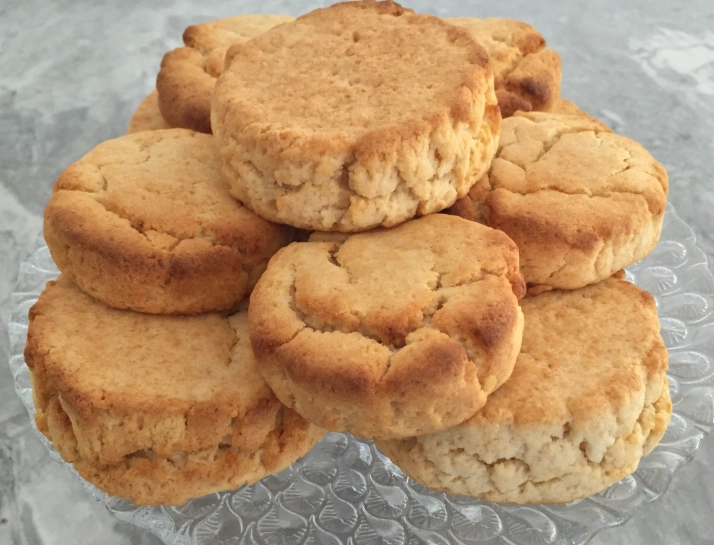
The real trick to gluten-free baking isn't a single ingredient or step. It's embracing a new set of rules. Start with a balanced flour blend you trust. Never forget the binder. Embrace wetter doughs and the resting period. From there, it's practice, observation, and tasting your way to success. The first perfect, tender slice of bread or the first cookie that actually holds its shape—that's the moment it all clicks. You're not just avoiding gluten; you're mastering a fascinating, delicious new craft.


Leave a Comment