Let's be honest: most cinnamon roll recipes look intimidating. Pages of steps, precise temperatures, and that nagging fear of dense, dry dough. I've been there. My first batch could have doubled as hockey pucks. But after years of tweaking—and plenty of delicious failures—I've landed on a method that's genuinely simple. This easy cinnamon roll recipe strips away the complexity and focuses on what matters: soft, gooey, cinnamon-scented spirals that make your kitchen smell like a dream. You don't need to be a baker. You just need a bowl, a spoon, and about 3 hours (most of which is waiting time).
Quick Recipe Jump
What Makes This Easy Cinnamon Roll Recipe Different?
Most recipes overcomplicate the dough. They call for bread flour, egg yolks, potato flour—ingredients a casual baker doesn't keep on hand. My goal was simplicity without sacrifice. This recipe uses all-purpose flour, which everyone has. It uses instant yeast, so you can mix it right in with the dry ingredients, skipping the "proofing" step that scares beginners. The dough is enriched with milk and butter for tenderness, but it's mixed in one bowl with a wooden spoon. No stand mixer required, though you can use one if you have it.
The real test? I gave this recipe to my friend who claims she can't bake. She sent me a photo two hours later of perfectly puffed, golden rolls. That's the benchmark.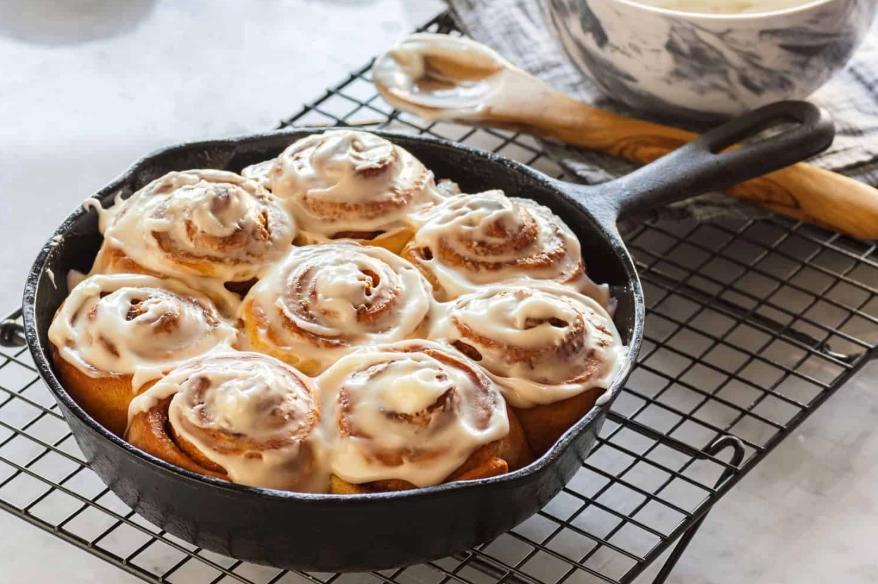
Your Simple Shopping List
Here's everything you need. Check your pantry—you probably have most of it already.
| For the Dough | For the Filling | For the Icing |
|---|---|---|
| 2 ¾ cups (345g) all-purpose flour | ½ cup (115g) softened unsalted butter | 4 oz (115g) cream cheese, softened |
| ¼ cup (50g) granulated sugar | ¾ cup (150g) packed brown sugar | ¼ cup (60g) unsalted butter, softened |
| 1 tsp salt | 2 ½ tbsp ground cinnamon | 1 cup (120g) powdered sugar |
| 1 packet (2 ¼ tsp) instant yeast | Pinch of salt | 1 tsp vanilla extract |
| ½ cup (120ml) whole milk, warm | 2-3 tbsp milk or cream | |
| ¼ cup (60ml) water, warm | ||
| 3 tbsp (45g) unsalted butter, melted | ||
| 1 large egg |
The Secret to a Soft Dough (It's Not What You Think)
Everyone talks about kneading. Knead for 10 minutes, knead until smooth. That's important, but it's not the secret. The secret is in the temperature and hydration of your dough.
Too many bakers use flour straight from the bag, which is often drier than the recipe expects. If your dough feels stiff, dry, or refuses to come together after mixing, add an extra tablespoon of warm milk or water. Don't be afraid. A slightly tacky (not sticky) dough will rise better and bake up softer than a dry, stiff one. This is the single most common mistake I see.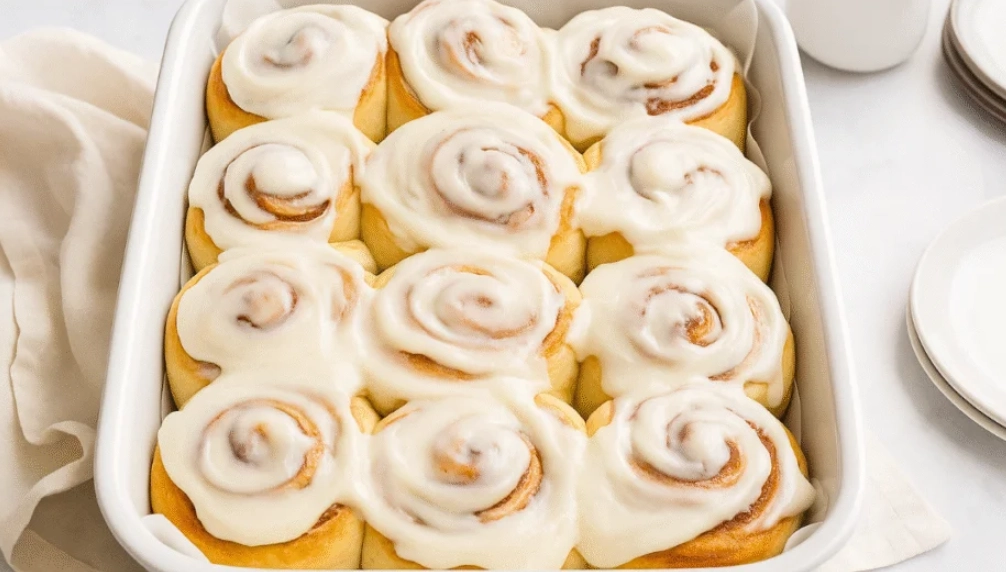
All-Purpose vs. Bread Flour: A Quick Note
You'll see debates online. Bread flour has more protein, leading to chewier bread. For cinnamon rolls, we want tender and soft, not chewy. All-purpose flour is perfect. If you only have bread flour, that's fine—your rolls will just have a bit more structure. I've made it both ways, and the difference is subtle.
Step-by-Step: From Bowl to Oven
This isn't a race. Set aside a relaxed morning or afternoon. The hands-on work is maybe 30 minutes total.
1. Make the Dough
In a large bowl, whisk together the flour, sugar, salt, and instant yeast. In another bowl or measuring jug, whisk the warm milk, warm water, melted butter, and egg. Pour the wet ingredients into the dry. Stir with a wooden spoon until a shaggy dough forms. If it's very dry, add that extra splash of liquid I mentioned.
Now, knead. Turn it out onto a lightly floured surface and knead for about 8 minutes. You're looking for a smooth, elastic ball that springs back slowly when you poke it. Place it back in the bowl (grease the bowl lightly with oil or butter), cover with a damp kitchen towel or plastic wrap, and let it rise in a warm spot for 60-90 minutes, until doubled.
2. Create the Cinnamon-Sugar Filling
While the dough rises, mix the softened butter, brown sugar, cinnamon, and pinch of salt in a small bowl until it forms a spreadable paste. This is a game-changer over just sprinkling dry sugar and cinnamon. The paste melts evenly and creates that iconic gooey layer between the spirals. Set it aside.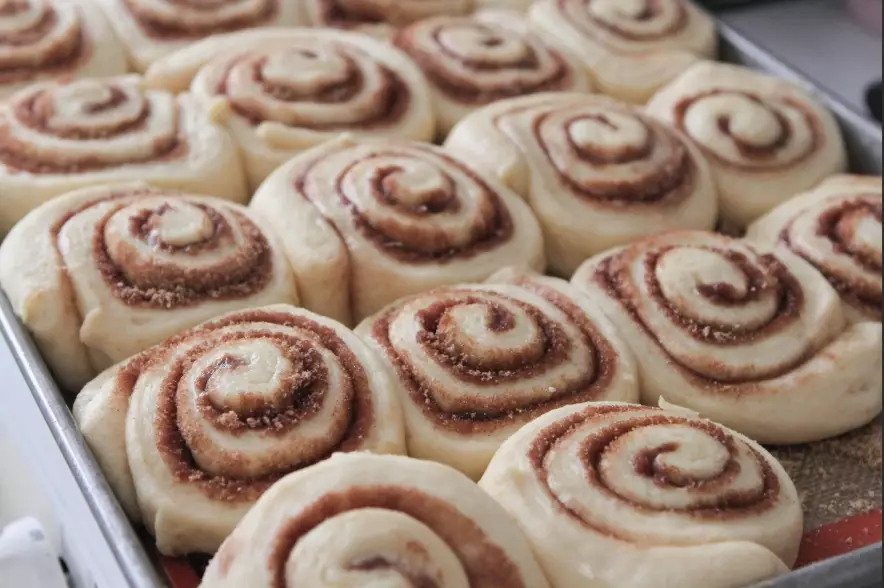
3. Roll, Fill, and Cut
Punch down the risen dough. On a lightly floured surface, roll it into a 10x15 inch rectangle. Spread the cinnamon filling evenly over the surface, leaving a half-inch border along one long edge (this helps seal the roll).
Starting from the long edge with filling to the edge, roll the dough up tightly into a log. Pinch the seam to seal. Using a sharp serrated knife or unflavored dental floss, cut the log into 9 even rolls (about 1.5 inches each). Place them cut-side up in a greased 9x9 or 9x13 inch baking dish. Cover and let rise again for 30-45 minutes until puffy.
4. Bake and Ice
Preheat your oven to 375°F (190°C). Bake the risen rolls for 22-28 minutes, until the tops are golden brown. The moment you smell them, they're close to done.
While they bake, make the cream cheese icing. Beat the softened cream cheese and butter until smooth. Beat in the powdered sugar, vanilla, and enough milk to reach a drizzle-able consistency.
Let the baked rolls cool in the pan for 10 minutes. This lets them set so they don't fall apart. Then, drizzle or spread the icing over the warm rolls. The warmth will melt the icing slightly, letting it seep into all the nooks.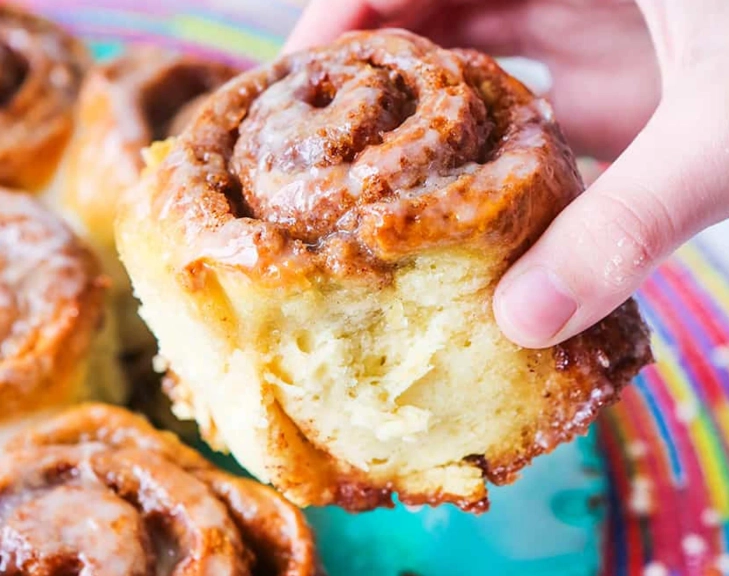
Your Cinnamon Roll Questions, Answered
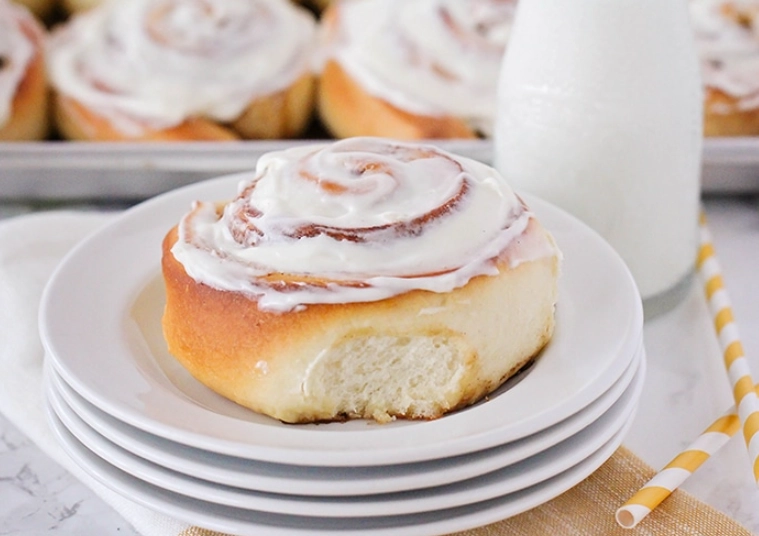 So there you have it. An easy cinnamon roll recipe that actually works. It's forgiving, it's detailed where it needs to be, and it delivers that classic, comforting pastry you're craving. Don't let the length of the instructions fool you—it's mostly me trying to anticipate every hiccup you might have. The process itself is straightforward. Now go preheat your oven. Your homemade bakery experience is waiting.




Leave a Comment