Let's cut to the chase. A flourless chocolate cake with just three ingredients is not only possible, it's one of the most elegant and satisfying desserts you can make. It's the ultimate kitchen magic trick: chocolate, eggs, and sugar transforming into something dense, fudgy, and intensely chocolatey. But here's the thing most recipes won't tell you—its simplicity is a trap for the unwary. Get one detail wrong, and you end up with a chocolate omelette or a dry brick. After making this cake more times than I can count (and yes, failing a few times early on), I've learned the non-negotiable secrets that separate a good cake from a legendary one. This isn't just a recipe; it's a masterclass in minimalist baking.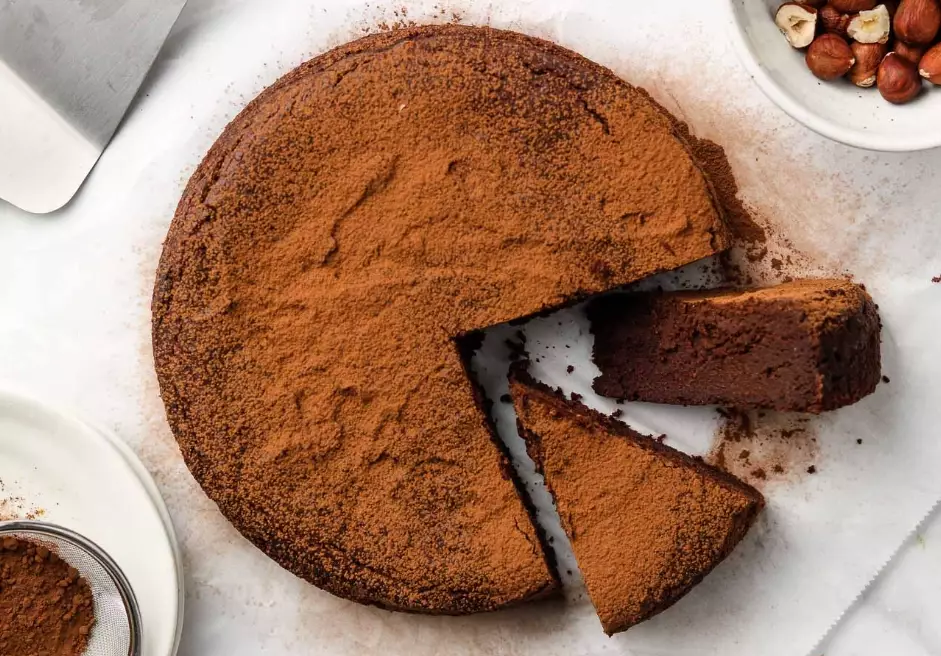
What's Inside: Your Quick Guide
The 3-Ingredient Magic: What You Really Need
Three ingredients means each one carries enormous weight. There's no flour to hide behind, no baking powder to provide lift. The quality and treatment of each component is everything.
1. The Chocolate: The Heart of the Matter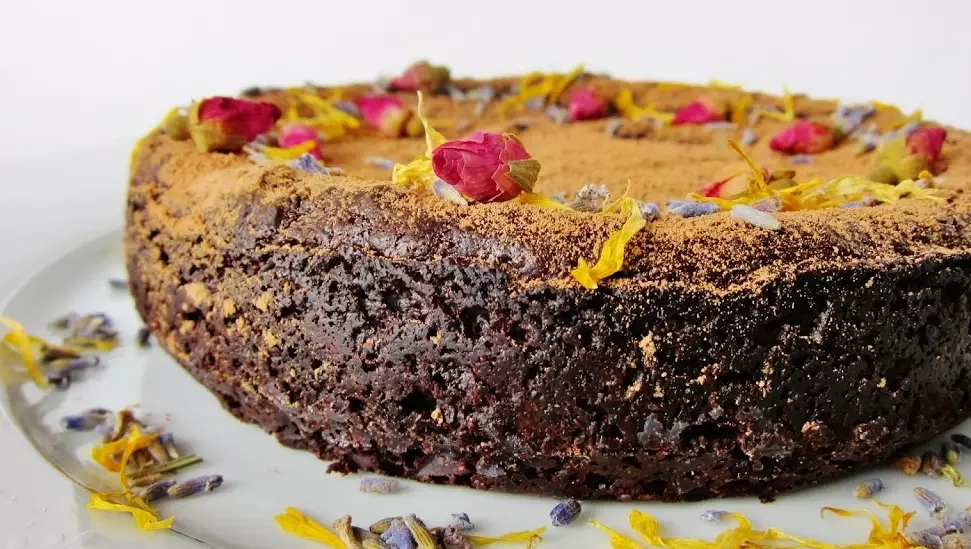
This is 90% of your cake's flavor and texture. You cannot use chocolate chips. I repeat, do not use chocolate chips. They contain stabilizers that prevent them from melting smoothly, leading to a grainy cake. You need a bar of pure baking chocolate (often called couverture).
| Chocolate Type | Cacao Percentage | Best For | My Personal Take |
|---|---|---|---|
| Bittersweet/Dark | 60-70% | The ideal range. Deep flavor without overpowering bitterness. | My go-to. It gives a sophisticated, adult taste. Valrhona or Guittard are fantastic. |
| Semi-Sweet | 50-60% | A slightly sweeter, more crowd-pleasing cake. | Great if you're serving kids or prefer less intensity. Still avoid chips. |
| Unsweetened | 100% | Only if you want an extremely intense, less sweet cake. You'll need to adjust sugar up. | I find it too harsh for this recipe. It overpowers the delicate egg structure. |
Milk chocolate? I don't recommend it. The extra milk solids and lower cocoa content can make the texture weird and the flavor one-dimensional.
2. The Eggs: The Engine and Structure
The eggs are your leavening agent and your binding glue. When you whip the egg whites, you're creating thousands of tiny air pockets. These expand in the oven, giving the cake its slight rise and airy-yet-dense crumb. Using cold eggs straight from the fridge is a common beginner error. Cold whites don't whip to as high a volume. Take them out at least 30 minutes before you start.
Separate them meticulously. Even a speck of yolk (which contains fat) in the whites will prevent them from whipping properly. I use three separate bowls: one for cracking, one for whites, one for yolks. It feels fussy, but it's foolproof.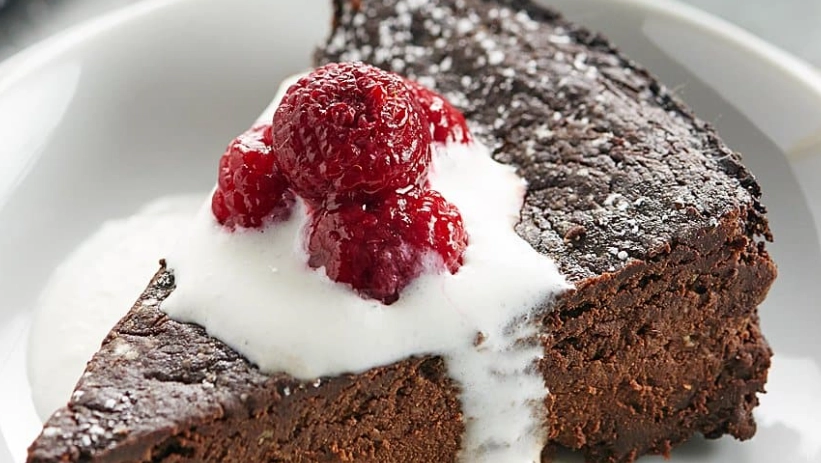
3. The Sugar: More Than Just Sweetness
Granulated white sugar is standard. It dissolves into the egg whites, helping stabilize the meringue and giving the final cake a delicate crust. Some recipes use powdered sugar, claiming it dissolves easier. I've tested both side-by-side, and with granulated sugar properly whipped, I see no difference in texture—but granulated gives a slightly better structure.
Pro Insight: The sugar isn't just for taste. In the egg whites, it creates a stable meringue that won't collapse. In the yolk and chocolate mixture, it interrupts the cocoa solids, preventing the cake from becoming unpleasantly pasty. It's a textural necessity.
How to Make a 3-Ingredient Flourless Chocolate Cake: A Step-by-Step Guide
Here's the process, broken down with the precision this cake demands. Assume all ingredients are at room temperature.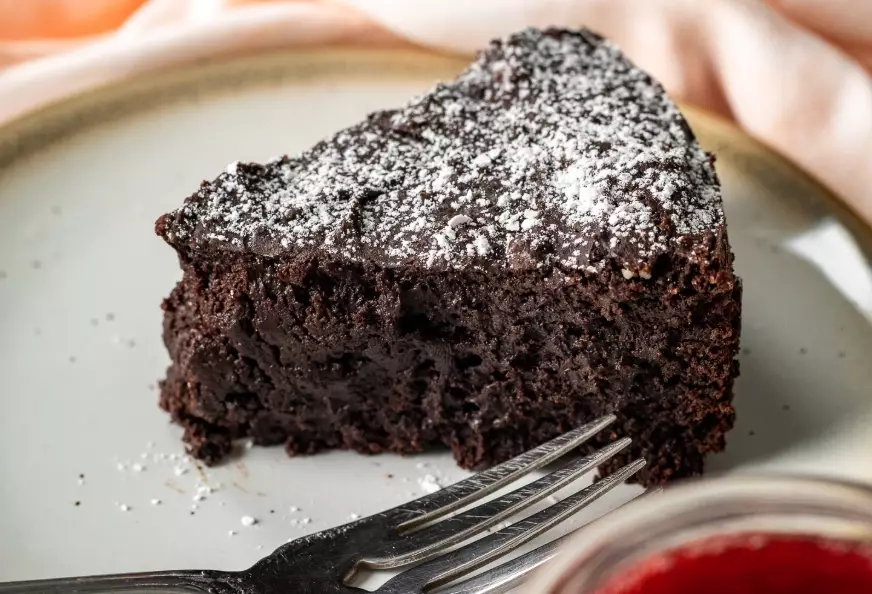
Step 1: Melt the Chocolate. Chop 8 ounces (225g) of quality bittersweet chocolate bar finely. Melt it in a heatproof bowl over a pot of barely simmering water (a double boiler), making sure the bowl doesn't touch the water. Stir gently until just smooth. Remove from heat and let it cool for 5 minutes. If it's too hot, it will cook the egg yolks when you mix them in.
Step 2: Prep the Pan and Oven. Preheat your oven to 375°F (190°C). Line the bottom of an 8-inch springform pan with parchment paper. Do not grease the sides. The cake needs to cling to the sides as it rises. A springform is non-negotiable here—trying to unmold a regular pan will destroy this fragile cake.
Step 3: Separate and Whip. Separate 6 large eggs. Place the yolks in a medium bowl and the whites in the bowl of a stand mixer (or a large, very clean metal bowl for a hand mixer). Add 1 cup (200g) of granulated sugar to the egg whites. Start whipping on medium-low speed until frothy, then increase to high. Whip until you have stiff, glossy peaks. This means when you lift the whisk, the peak stands straight up and doesn't droop. This can take 3-5 minutes. Don't under-whip.
Step 4: The Critical Combine. Whisk the egg yolks into the slightly cooled melted chocolate until fully combined. It will thicken. Now, take about one-third of the whipped egg whites and stir it vigorously into the chocolate mixture. This first addition lightens the thick chocolate, making it easier to fold. Then, pour the lightened chocolate mixture over the remaining two-thirds of the egg whites. Using a large rubber spatula, fold gently. Cut down through the center, scoop along the bottom, and fold over. Rotate the bowl. Repeat just until no large streaks of white remain. Overmixing is the enemy—you'll deflate the air you worked so hard to create.
Step 5: Bake and Test. Pour the batter into the prepared pan. Smooth the top. Bake for 25-30 minutes. The top will be set and will have formed a thin crust, and it will look crackly. The key test? A toothpick inserted into the center should come out with a few moist crumbs attached, not wet batter. If it's clean, you've overbaked. The cake will continue to set as it cools.
Step 6: The Patient Cool. This is the hardest part. Let the cake cool completely in the pan on a wire rack. It will sink in the center—this is normal and creates its characteristic dense, fudgy interior. Do not attempt to remove it while warm. Once cool, run a thin knife around the edge to release it from the pan sides, then unclasp the springform.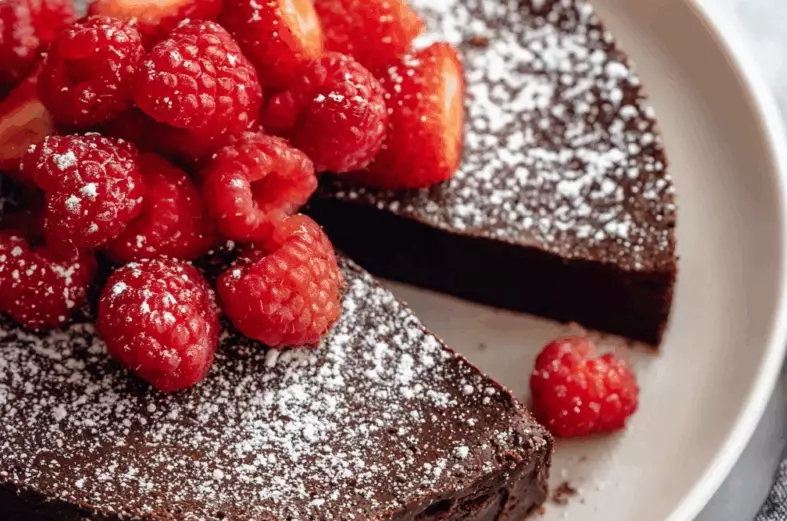
Why Your Cake Might Fail: Common Mistakes and Expert Fixes
Let's be honest, the first time I tried this, I messed it up. The center was wet. Here’s what goes wrong and how to fix it before it happens.
The Cake is Wet/Raw in the Middle: The oven temperature was too high, causing the outside to set before the heat penetrated the center. Or, it was under-baked. Use an oven thermometer to verify your oven's accuracy. Don't rely on time alone; use the toothpick test. If the top is getting too dark but the center is still wet, tent it loosely with foil.
The Cake is Dense and Rubbery: You overmixed the batter after adding the egg whites, knocking all the air out. Or, your egg whites weren't whipped to stiff peaks. Fold with a gentle hand and stop as soon as it's combined.
The Cake Collapsed Dramatically: Some sinking is normal. A total collapse means the structure wasn't set. Likely causes: under-whipped egg whites, under-baking, or opening the oven door too early in the baking process (before the 20-minute mark).
The Texture is Grainy: You used the wrong chocolate (chips) or didn't melt it completely. Or, the sugar didn't dissolve into the egg whites—ensure you whip long enough.
The Silent Killer: Humidity. On a very humid day, egg whites can struggle to reach full volume, and the baked cake can stay sticky. If it's muggy out, consider adding a tiny pinch of cream of tartar (less than 1/8 tsp) to the egg whites to stabilize them. It's a cheat, but it works.
Beyond the Basics: Variations and Serving Ideas
The purity of the 3-ingredient version is its beauty, but once you've mastered it, a few tweaks can be incredible.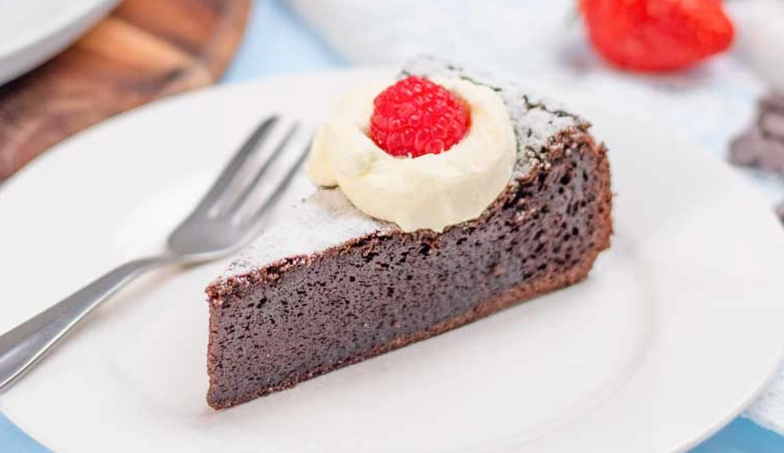
A Pinch of Salt: Adding 1/4 teaspoon of fine sea salt to the chocolate as it melts elevates the flavor exponentially. It's not a fourth ingredient in my book—it's an essential seasoning.
Espresso Boost: Stir 1 teaspoon of instant espresso powder into the melting chocolate. It won't make it taste like coffee, just deeper, richer chocolate.
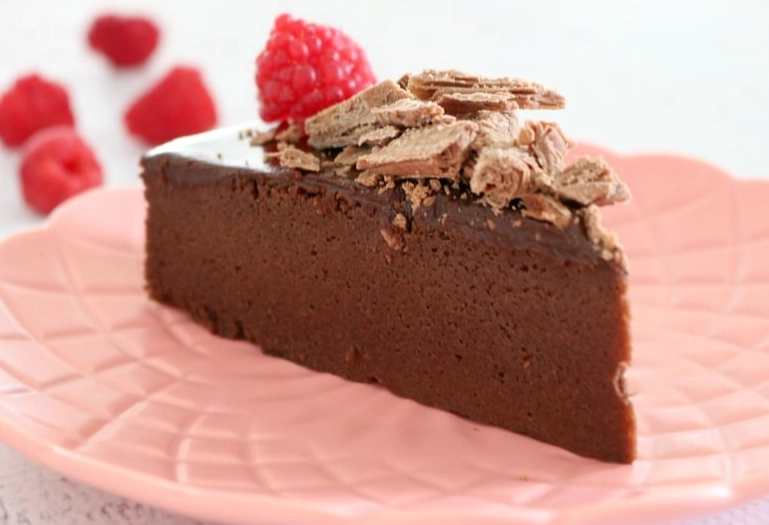
For Serving: This cake is rich. A little goes a long way. Serve small slices. A dollop of barely sweetened whipped cream or a scoop of vanilla ice cream is the classic pairing, cutting through the richness. A few fresh raspberries or a dusting of cocoa powder makes it look professional.
Store it covered at room temperature for up to 2 days, or in the fridge for up to 5. The fridge will firm it up considerably; let slices come to room temperature for the best texture.
Your Flourless Chocolate Cake Questions Answered
 My cake stuck to the pan even with parchment. What happened?


Leave a Comment