Let's be honest. The smell of frying donuts is pure magic. It's the smell of weekend mornings, county fairs, and comfort. But store-bought versions often leave you wanting more – more flavor, more freshness, that perfect balance of airy interior and delicate, crisp crust. That's where this guide comes in. Making fried donuts from scratch isn't just possible; it's a deeply satisfying kitchen project. Forget the myths about it being too hard or messy. With a bit of patience and the right know-how, you can produce donuts that put any chain to shame.
Your Donut Journey Starts Here
- What You Really Need: The Ingredient Breakdown
- The Step-by-Step Process: From Bowl to Golden Brown
- Frying Mastery: The Make-or-Break Stage
- Glazes & Toppings: The Finishing Touch
- Expert Troubleshooting & FAQ
What You Really Need: The Ingredient Breakdown
Great donuts start with understanding your ingredients. This isn't just a list; it's the why behind each item.
The Core Dough Ingredients
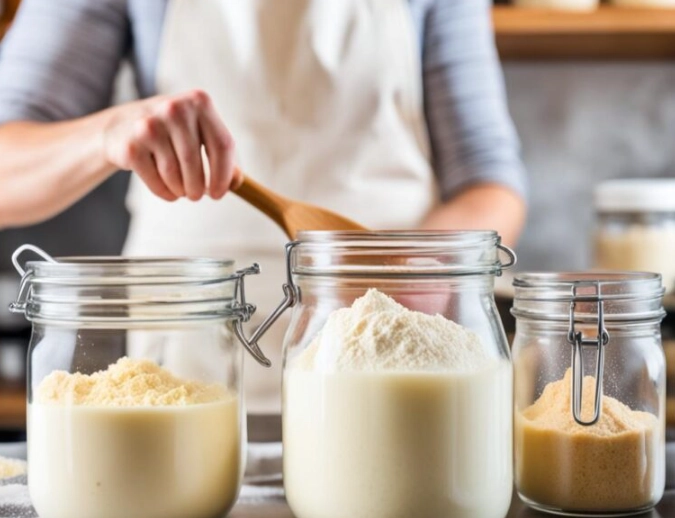
Flour: All-purpose flour is your friend here. Bread flour can make the donuts too chewy, and cake flour too delicate. You want that Goldilocks zone of structure and tenderness. Measure by spooning into your cup and leveling off – packing flour is a common rookie mistake that leads to dense, dry donuts.
Yeast: Active dry yeast is reliable. The key? Proofing it correctly. Your liquid (milk) should be between 105-110°F (40-43°C). Too hot, you kill it. Too cold, it sleeps in. That foamy bloom after 5-10 minutes is your green light.
Fat: Butter and egg yolks. Butter adds flavor and enriches the crumb. Egg yolks provide richness, color, and a more tender texture compared to using whole eggs. Some recipes use shortening for a specific texture, but butter wins on flavor every time.
Liquid: Whole milk. The fat content matters for tenderness and flavor. Scalding the milk (heating it just to a simmer then cooling) deactivates an enzyme that can weaken gluten, leading to a better rise. It's a small step with a big payoff.
Ingredient Temperature is Key: For optimal yeast activity and dough consistency, ensure your milk, melted butter, and eggs are all at room temperature before mixing. Cold ingredients slow down fermentation and can result in uneven dough.
The Step-by-Step Process: From Bowl to Golden Brown
Follow this sequence. Rushing any step shows in the final product.
1. Making and Kneading the Dough
Start by proofing your yeast in the warm, scalded milk with a pinch of sugar. In a large bowl, whisk together the flour, sugar, salt, and a hint of nutmeg (the secret background note in many great donuts). Add the yeast mixture, softened butter, and egg yolks.
Mix until a shaggy dough forms, then turn it out onto a lightly floured surface. Knead for 8-10 minutes. You're not looking for a windowpane test like bread; the dough should become smooth, slightly tacky but not sticky, and elastic. If it sticks heavily, add flour a tablespoon at a time. This kneading develops the gluten network that will trap the yeast's gas, creating those beautiful air pockets.
2. The First Rise (Bulk Fermentation)
Place the dough in a greased bowl, turn it to coat, and cover with plastic wrap or a damp cloth. Let it rise in a warm, draft-free spot until doubled in size. This usually takes 1 to 1.5 hours. The exact time depends on your kitchen's temperature. Don't use the oven with just the light on – it's often too hot. A countertop away from vents is perfect.
3. Shaping the Donuts
Punch down the dough gently to release large air bubbles. Roll it out on a floured surface to about 1/2-inch thickness. Use a donut cutter or two round cutters (one about 3 inches, one about 1 inch for the hole). Dip the cutter in flour between cuts to prevent sticking. Re-roll the scraps once for more donuts, but be aware the second batch may be slightly tougher.
Place the cut donuts and holes on parchment-lined baking sheets, leaving about 2 inches between them. Cover loosely and let them proof again for 30-45 minutes. They should look puffy and almost doubled. This is the final proof and is critical for lightness.
The Over-Proofing Trap: If your donuts rise for too long during this final proof, they can collapse when fried or absorb too much oil. They should feel airy and light, not fragile or saggy. A gentle poke should leave a very slow indentation that mostly springs back.
Frying Mastery: The Make-or-Break Stage
This is where most home cooks get nervous. Let's demystify it.
Choosing and Heating the Oil
Use a neutral oil with a high smoke point. Vegetable, canola, or peanut oil are ideal. You'll need enough to fill a heavy-bottomed Dutch oven or deep pot to a depth of about 3 inches.
The single most important factor is temperature control. Use a deep-fry or candy thermometer. Heat the oil to 365-370°F (185-188°C).
- Too low (below 360°F/182°C): The donuts will absorb oil like a sponge, becoming greasy and heavy.
- Too high (above 375°F/190°C): The outside will burn before the inside is cooked through, leaving a raw doughy center.
The temperature will drop when you add donuts. Don't overcrowd the pot – fry 2-3 at a time. Adjust the heat to maintain that 365-370°F range.
The Frying Process
Gently lower a proofed donut into the hot oil. It should begin to sizzle immediately and float within a few seconds. Fry for about 60-90 seconds per side, until a deep golden brown. Use a slotted spoon or chopsticks to flip them. The holes will cook faster, in about 45 seconds total.
Drain them on a wire rack set over a baking sheet, not on paper towels. Paper towels trap steam and make the bottom soggy. The rack allows air to circulate, keeping the entire surface crisp.
| Oil Temperature | Result | Visual & Texture Clue |
|---|---|---|
| 350°F (177°C) or below | Greasy, dense, pale | Absorbs oil visibly, cooks slowly, lacks crispness. |
| 365-370°F (185-188°C) | PERFECT: Crisp exterior, fully cooked fluffy interior | Even golden brown color, puffed up, minimal oil residue. |
| 380°F (193°C) or above | Burnt outside, raw inside | Dark brown/black spots quickly, center remains doughy. |
Glazes & Toppings: The Finishing Touch
Let the donuts cool completely on the rack before glazing. A warm donut will melt a glaze and make it disappear.
Classic Vanilla Glaze
Whisk together 2 cups of powdered sugar, 1/4 cup of milk or cream, and 1 teaspoon of pure vanilla extract until smooth. The consistency should be thick but pourable. Dip the top of each cooled donut into the glaze, let the excess drip off, and return to the rack. Sprinkle with sprinkles immediately if using.
Chocolate Ganache & Cinnamon Sugar
For chocolate lovers, heat 1/2 cup heavy cream until simmering, pour over 1 cup of chopped semi-sweet chocolate, let sit for 2 minutes, then whisk until smooth. Dip and enjoy.
For a simpler route, toss warm donut holes in a bowl of cinnamon sugar (1 cup sugar + 1 tbsp cinnamon) for a classic treat.
Expert Troubleshooting & FAQ
Here are answers to the questions that pop up when you're elbow-deep in flour.
Making homemade fried donuts is a rewarding experience. It connects you to a tradition of from-scratch baking. Yes, it takes more time than opening a box, but the result – a warm, light, fragrant donut you made yourself – is worth every minute. Start with this recipe, pay attention to the details like proofing and temperature, and you'll master it. The real test? Watching them disappear from the plate.
Leave a Comment