Let's be real. Getting a teenager excited about something that isn't on a screen can feel like a victory these days. That's where a baking subscription box for teens comes in. It's not just about making cookies (though that's a great start). It's a hands-on, messy, creative, and surprisingly educational hobby that delivers a tangible, edible result. Forget boring gift cards. A monthly baking box is an experience that keeps giving, teaching skills from following complex instructions to the science of leavening. I've seen it turn my screen-glued niece into a weekend pastry chef, and I've also seen some boxes fall flat. This guide cuts through the marketing to show you what really works.
What's Inside This Guide?
Why Baking Subscription Boxes Are a Game-Changer for Teens
You might think it's just a kit. It's more. For a teen, it's a package of potential that arrives with their name on it. It's autonomy. It's a project they own from start to finish.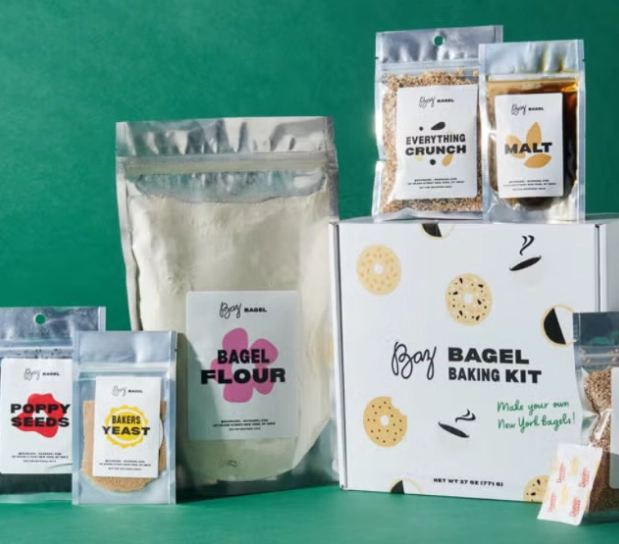
More Than Just Cookies: The Real Benefits
The obvious benefit is a fun activity. Dig deeper, and you find a stealth learning tool.
STEM in Disguise: Baking is applied chemistry and math. They're not just mixing; they're observing how baking soda reacts with acid, how gluten develops, how temperature changes texture. A report from the National Science Teaching Association highlights how food science projects increase engagement in STEM principles. A good teen baking kit leans into this, explaining the "why" behind the steps.
Building Life Skills (Without the Lecture): Reading comprehension (those recipes can be complex), time management, precision, problem-solving when something goes slightly wrong—these are all getting a workout. It builds a quiet confidence. "I made this from scratch" is a powerful statement.
The Mental Health Angle: The focused, tactile nature of baking is a known stress-reliever. It's a mindful break from the digital noise. The act of creating something for others (sharing the results) also boosts mood. It's a productive, offline outlet.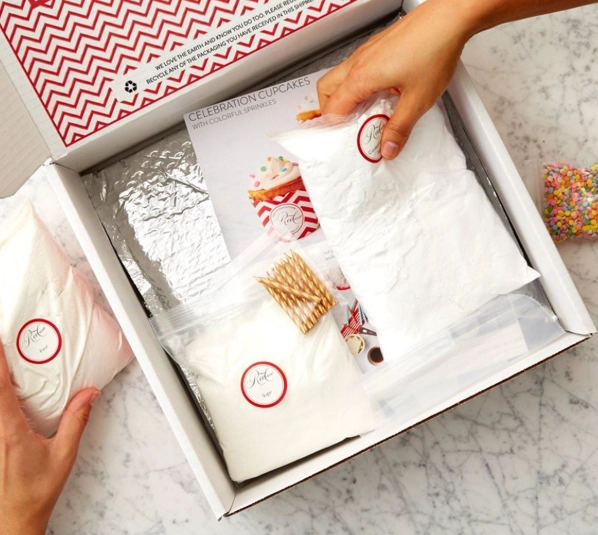
Here's the kicker most blogs miss: the social capital it gives a teen. Bringing a stunning batch of macarons or artisan bread to a family gathering or sharing with friends instantly elevates their status from "kid" to "skilled creator." That's a huge motivator.
How to Choose the Right Baking Box: A Step-by-Step Filter
Not all boxes are created equal. Picking the wrong one leads to a frustrated teen and wasted money. Use this filter.
Skill Level & Interest: The First Filter
Is your teen a complete novice who burns toast? Or are they already decorating cupcakes from a mix? Be honest.
- Beginner: Look for boxes with pre-measured ingredients (or mostly pre-measured), simple techniques, and clear, visual instructions. Think cookie kits, mug cakes, no-knead bread.
- Intermediate/Advanced: These teens want a challenge. Look for boxes that introduce new skills: laminating dough for croissants, tempering chocolate, working with yeast, intricate decorating. They often require you to supply common pantry items like eggs, milk, or butter.
Interest matters too. Does your teen love the science? Look for boxes that explain it. Are they artistic? Decoration-focused kits are key. Foodies? Go for international or gourmet themes.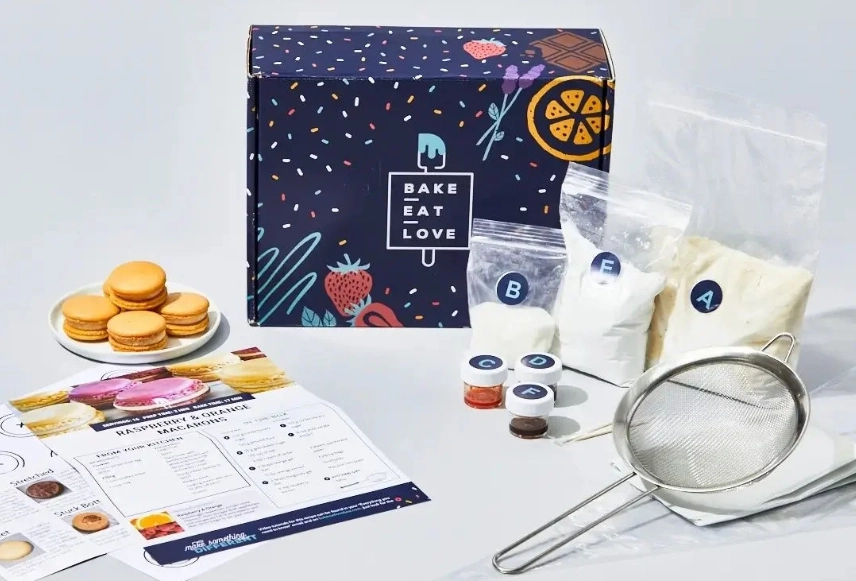
Budget & Value: Decoding the Real Cost
The advertised price is rarely the full story. A $25 box sounds great until you realize it needs $10 of additional groceries and specialty tools you don't own.
Calculate cost per project. A $30 box with one elaborate dessert might be similar value to a $40 box with two smaller bakes. Which fits your teen's attention span better?
Allergies & Dietary Needs: Non-Negotiables
This is critical. Many boxes now offer gluten-free, nut-free, or vegan options, but you must seek them out. Don't assume. Email customer service if the website isn't clear. Cross-contamination warnings are also important for severe allergies.
Top Baking Subscription Boxes for Teens: Hands-On Reviews
I've tested these with actual teens (my niece, her friends). Here's the unvarnished truth.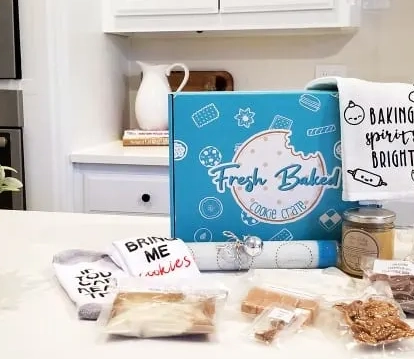
| Box Name | Price Point (Monthly) | Best For Age/Skill | Bake Type | The Vibe & Highlights | Watch Out For |
|---|---|---|---|---|---|
| Baketivity | $25 - $35 | 10-15, Beginner to Intermediate | Cookies, Cupcakes, Small Treats | Extremely kid/teen-friendly. Color-coded ingredients, very clear instructions, often includes a STEM learning card about the science behind the bake. Great for confidence-building. | The bakes can be on the simpler side. A 16-year-old might find it too juvenile unless they truly love the educational angle. |
| Bakeaway | $40 - $50 | 14+, Intermediate | Themed, Gourmet Desserts (e.g., Matcha Swiss Roll, Baklava) | Feels sophisticated and "foodie." Introduces global flavors and more advanced techniques. Packaging is beautiful. You get a real sense of accomplishment. | Requires more common kitchen tools (mixer helpful) and pantry staples (butter, eggs). Pricier, so better as a quarterly treat than a monthly commitment. |
| Escape Kitchen | $30 - $40 | 12+, Beginner to Intermediate | Themed "Escape Room" style kits with a story to solve while baking. | Uniquely engaging. Combines puzzle-solving with baking. Fantastic for siblings or friends to do together. The story distracts from any frustration with the baking steps. | The baking component itself can sometimes be secondary to the puzzle. Manage expectations—it's about the experience, not necessarily creating a perfect patisserie item. |
| King Arthur Baking Box | $25 | 16+, Intermediate to Advanced | Bread, Pastries, Advanced Projects | Serious baker territory. From a trusted brand. Teaches foundational, lifelong baking skills. Often includes a high-quality specialty tool or pan you keep. | Can be intimidating. Instructions assume some baseline knowledge. Projects are time-intensive (think multi-day sourdough). Not for the faint of heart. |
My personal take? For a first box to hook a teen, Escape Kitchen or Baketivity are safe, fun bets. For a teen who already watches baking shows and wants a real challenge, King Arthur is unparalleled for skill-building, though it's less "teen-branded." Bakeaway is the perfect gift for the aspiring foodie who wants to impress.
One common flaw I see: many boxes skimp on the tools. You get a cheap piping bag that bursts or a flimsy spatula. It ruins the experience. King Arthur is an exception—their included tools are legit.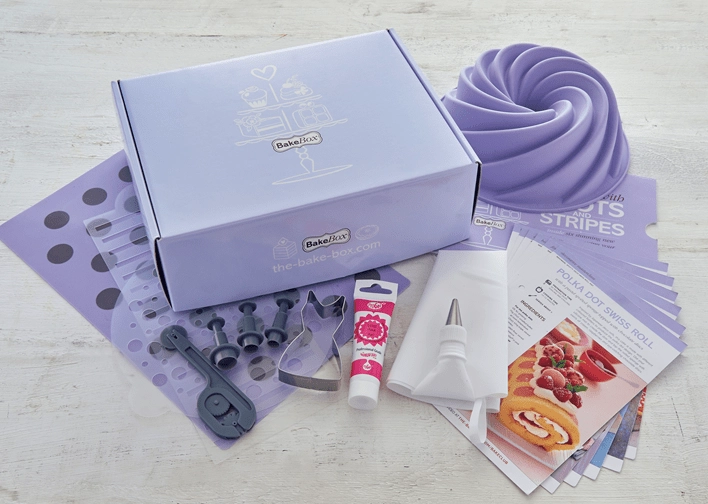
Beyond the Box: Maximizing the Experience
The box arrives. Now what? Don't just hand it over. Frame it.
Make it a Date: Block out a Saturday afternoon. Put on music. Be the sous-chef (only if asked!). Your role is to fetch bowls and clean spills, not to take over.
Embrace the Mess: Flour will get everywhere. Icing will be on the counter. Accept it. The mess is part of the fun and the learning. The cleanup is part of the lesson too.
Document the Journey: Encourage your teen to take photos or a quick video of their process and final result. It creates a digital portfolio of their progress. They could even start a simple Instagram page just for their bakes—it's a positive use of social media.
Create a "Baking Diary": A simple notebook where they can jot down notes. "Added 2 extra tbsp of chocolate chips." "Needed 5 more minutes in my oven." This turns a one-time kit into a customizable recipe they own.
The goal is to use the subscription box as a springboard into a lifelong hobby, not just a series of disconnected projects.



Leave a Comment