What's Inside This Guide
- Why Thanksgiving Pies Are Non-Negotiable
- Essential Tools and Ingredients You Can't Skip
- Classic Thanksgiving Pie Recipes Step-by-Step
- How to Avoid Common Pie-Making Mistakes
- Pro Tips for a Flawless Pie Crust Every Time
- Creative Variations and Modern Twists
- FAQ: Solving Your Thanksgiving Pie Dilemmas
Let's cut to the chase. Thanksgiving isn't Thanksgiving without a pie—or three. I've been baking pies for over a decade, and I've seen everything from soggy bottoms to cracked fillings. This guide isn't just another list of recipes; it's the result of countless trials, errors, and happy guests. We'll dive deep into Thanksgiving pies recipes, covering everything from the basics to the nuances that most blogs gloss over. Whether you're a novice or a seasoned baker, you'll find something here to elevate your holiday dessert game.
Why Thanksgiving Pies Are Non-Negotiable
Pies are the heart of the Thanksgiving table. They symbolize comfort, tradition, and a bit of culinary magic. But here's the thing: a mediocre pie can ruin the meal's finale. I remember one year, I rushed my pumpkin pie and ended up with a filling that tasted like bland custard. Guests politely ate it, but the disappointment was palpable. That's when I realized that mastering Thanksgiving pies recipes isn't just about following instructions; it's about understanding the why behind each step.
According to the American Pie Council, pie consumption spikes during the holidays, with pumpkin pie leading the pack. But don't just stick to the classics—experimentation can pay off. We'll explore how to balance tradition with innovation.
Essential Tools and Ingredients You Can't Skip
Before we jump into recipes, let's talk gear. You don't need a fancy kitchen, but a few key items make a world of difference.
Must-have tools: A rolling pin (I prefer marble for keeping dough cold), pie weights (dry beans work in a pinch), a pastry cutter or food processor for crust, and an oven thermometer. Yes, an oven thermometer. Most home ovens are off by 25 degrees, and that can wreck your pie.
Ingredients matter: Use high-fat butter (European-style if possible) for flakier crust. For fillings, opt for fresh pumpkins over canned if you have time—the flavor is brighter. I learned this from a local farmer's market vendor who swore by sugar pumpkins for pies.
Classic Thanksgiving Pie Recipes Step-by-Step
Here are three foundational pies that will steal the show. I've included specific details to ensure success.
Pumpkin Pie: The Star of the Show
Most pumpkin pies are too dense or too sweet. The secret? Roast your pumpkin. Cut a sugar pumpkin in half, scoop out seeds, roast at 400°F for 45 minutes until tender. Scoop out flesh and puree. This adds a caramelized depth that canned puree lacks.
Ingredients for filling: 2 cups pumpkin puree, 3/4 cup brown sugar, 1 tsp cinnamon, 1/2 tsp ginger, 1/4 tsp nutmeg, 1/4 tsp cloves, 1/2 tsp salt, 3 large eggs, 1 cup heavy cream.
Steps: Whisk dry spices with sugar. Beat in eggs, then pumpkin, then cream. Pour into pre-baked crust (more on that later). Bake at 425°F for 15 minutes, then reduce to 350°F for 40-50 minutes until set. A knife inserted should come out clean.
I once forgot to reduce the oven temp, and the top cracked. Lesson learned: temperature control is key.
Apple Pie: A Timeless Favorite
Apple pie seems simple, but the filling can turn mushy. Use a mix of tart and sweet apples—Granny Smith and Honeycrisp are my go-to. Slice them evenly, about 1/4 inch thick, and toss with lemon juice to prevent browning.
Filling trick: Cook apples slightly before baking. Sauté with butter, sugar, and spices for 5 minutes to release juices. This prevents a soggy bottom. Add a tablespoon of flour or cornstarch to thicken.
Bake at 375°F for 50-60 minutes. Cover edges with foil if they brown too fast.
Southern-Style Pecan Pie
Pecan pie is rich, but it can be cloying. Toast your pecans first—spread on a baking sheet at 350°F for 8 minutes. This enhances their flavor and prevents sogginess.
Filling ratio: 3 eggs, 1 cup corn syrup (light or dark, your choice), 1/2 cup sugar, 2 tbsp melted butter, 1 tsp vanilla, 1/8 tsp salt, 2 cups pecans. Mix well, pour into crust, bake at 350°F for 60-70 minutes until set.
Some recipes call for bourbon—add a tablespoon if you like a subtle kick.
| Pie Type | Key Ingredient | Baking Time | Common Pitfall |
|---|---|---|---|
| Pumpkin Pie | Fresh pumpkin puree | 55-65 minutes | Overbaking causing cracks |
| Apple Pie | Mixed apple varieties | 50-60 minutes | Soggy bottom from excess juice |
| Pecan Pie | Toasted pecans | 60-70 minutes | Too sweet or runny filling |
How to Avoid Common Pie-Making Mistakes
I've messed up more pies than I care to admit. Here's what to watch for.
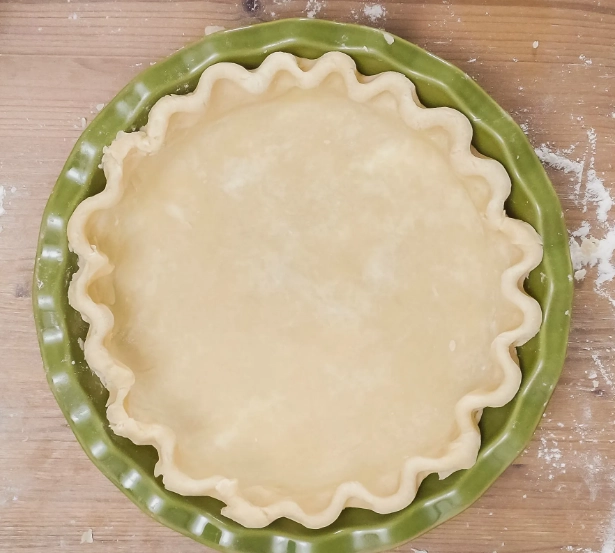
Soggy crust: Blind bake your crust. Line it with parchment, fill with pie weights, bake at 375°F for 15 minutes. Remove weights, bake another 5 minutes until golden. This creates a barrier.
Cracked filling: Overbaking is the culprit. For pumpkin pie, pull it out when the center still jiggles slightly—it sets as it cools. I learned this from a baker at King Arthur Flour's blog, which is a great resource for troubleshooting.
Burnt edges: Use a pie crust shield or foil. Cover edges halfway through baking.
One year, I didn't chill my dough enough, and it shrunk in the pan. Now, I always refrigerate for at least an hour before rolling.
Pro Tips for a Flawless Pie Crust Every Time
The crust makes or breaks a pie. Most home bakers fear it, but it's manageable with a few tweaks.
Keep everything cold: Butter, water, even your hands. I use ice water and grate frozen butter into the flour. This ensures flaky layers.
Don't overwork the dough: Mix until just combined. Overmixing develops gluten, leading to toughness. I pulse in a food processor for 10 seconds max.
Rest the dough: After mixing, shape into a disk, wrap in plastic, chill for at least 2 hours. This relaxes the gluten and prevents shrinkage.
For a golden finish, brush with egg wash (1 egg beaten with 1 tbsp water) before baking.
A friend once asked why her crust was bland. I suggested adding a pinch of sugar or vinegar to the dough—it enhances flavor and tenderness.
Creative Variations and Modern Twists
If you're feeling adventurous, try these spins on classics.
Maple bourbon pecan pie: Replace half the corn syrup with pure maple syrup and add a shot of bourbon. It's less sweet and more complex.
Ginger-spiced pumpkin pie: Add grated fresh ginger to the filling. It adds a zing that cuts through the richness.
Salt caramel apple pie: Drizzle homemade salt caramel over the apples before topping with crust. It's decadent but worth it.
I experimented with a chocolate pecan pie last year—it was a hit, but some traditionalists frowned. Know your audience.
FAQ: Solving Your Thanksgiving Pie Dilemmas
Baking Thanksgiving pies is part science, part art. With these recipes and tips, you're equipped to tackle the holiday with confidence. Remember, even a imperfect pie is better than no pie at all—so don't stress too much. Happy baking!
Leave a Comment